Zero Drop Road Running Shoes: Unlock Natural Speed and Comfort

Zero Drop Road Running Shoes: A Complete Guide For Runners
Choosing the right running shoe can make a big difference in how you feel while running, how fast you recover, and how you avoid injury. Many runners now look at zero drop road running shoes as a way to run more naturally and comfortably. But what are zero drop shoes? Why are they getting so popular among road runners? And how do you know if they’re the right choice for you?
This guide will help you understand what zero drop means, how these shoes affect your running, and what to look for when buying them. You’ll also see how they compare to traditional shoes, who should use them, and how to switch safely.
Whether you are a beginner or a long-time runner, you’ll find clear advice to help you make a smart decision.
What Are Zero Drop Road Running Shoes?
When you look at most running shoes, you see a big difference between the height of the heel and the toe. This difference is called heel-to-toe drop. Traditional running shoes usually have a drop of 8–12 mm, meaning the heel is higher than the toe.
Zero drop shoes are built differently. The heel and the toe are at the same height. This means your foot sits flat, just like it would when standing barefoot. The idea is to let your foot move more naturally, as if you were running without shoes.
Zero drop shoes are made for the road, not for trails or hiking. They give you good grip and support for running on hard surfaces like asphalt or concrete. They come in many styles, from light racing shoes to comfortable trainers.
Key Features Of Zero Drop Shoes
- Flat sole: No rise from heel to toe
- Flexible design: Allows natural foot movement
- Lightweight: Often less heavy than traditional shoes
- Wide toe box: Gives your toes more space
- Minimal cushioning: Some have less foam, others more for comfort
Not all zero drop shoes are the same. Some are very thin (minimalist), others have lots of cushioning but still keep the drop at zero. This helps runners choose what feels best for their feet.
Why Do Runners Choose Zero Drop Shoes?
Many runners switch to zero drop shoes for several reasons. They hope to run with better form, avoid injury, or simply feel more comfortable. But there are some unique benefits that make zero drop shoes stand out.
1. Natural Running Form
Zero drop shoes encourage midfoot or forefoot striking instead of landing on the heel. This is believed to be a more natural way to run. It reduces the force on your knees and hips, spreading impact across the foot and leg.
2. Lower Injury Risk
Some studies suggest that zero drop shoes can reduce certain injuries, especially those caused by heel striking. The flat design helps your body absorb shock more evenly, which may lower stress on joints.
However, if you switch too quickly, you risk Achilles tendon or calf injuries. That’s why it’s important to transition slowly.
3. Stronger Feet And Ankles
With less support and cushioning, your muscles work harder. Over time, this strengthens your foot muscles and ankles, making them more stable.
4. Better Balance And Feel
Zero drop shoes let you feel the ground more. This improves balance and makes you more aware of how your foot moves. Some runners say this connection helps them run faster or with more control.
5. Comfortable Toe Space
Most zero drop shoes have a wide toe box, letting your toes spread naturally. This can help prevent blisters, bunions, and other toe problems.
Non-obvious Insight
Beginners often overlook the fact that switching to zero drop shoes can actually reveal weaknesses in their lower legs. This isn’t a bad thing—it’s a chance to strengthen those areas, but only if you’re patient.
How Zero Drop Shoes Compare To Traditional Running Shoes
To understand how zero drop shoes differ, let’s look at a comparison with traditional running shoes.
| Feature | Zero Drop Shoes | Traditional Shoes |
|---|---|---|
| Heel-to-Toe Drop | 0 mm | 8–12 mm |
| Foot Strike | Midfoot/Forefoot | Heel |
| Cushioning | Minimal to maximal | Usually more |
| Toe Box | Wide | Narrower |
| Weight | Lighter | Heavier |
| Support | Less | More |
| Ground Feel | High | Lower |
Real-world Example
A runner who used traditional shoes for years switched to zero drop after knee pain. After a slow transition, he noticed his pain faded, and his running form improved. But he also needed to work on calf strength, which he hadn’t before.
Types Of Zero Drop Road Running Shoes
Not all zero drop shoes are minimalist. There are several types, each suited to different runners.
1. Minimalist Zero Drop Shoes
These have very little cushioning. They are close to barefoot running. Examples include Vibram FiveFingers and Xero Shoes.
2. Cushioned Zero Drop Shoes
Brands like Altra make zero drop shoes with plenty of foam. They are comfortable for long runs, marathons, or anyone needing extra softness.
3. Wide Toe Box Zero Drop Shoes
Some shoes focus on toe space, like Topo Athletic. These help runners with foot issues or those who want more freedom.
4. Performance Zero Drop Shoes
These are lightweight and fast, made for racing. They balance zero drop with some support for speed.
5. Everyday Zero Drop Trainers
Designed for regular training or casual wear, these offer a mix of comfort, durability, and zero drop.
| Brand | Type | Key Feature | Best For |
|---|---|---|---|
| Altra | Cushioned | Wide toe box, max cushion | Long distance |
| Vibram | Minimalist | Very thin sole | Barefoot feel |
| Topo Athletic | Wide toe box | Comfort, space | Toe issues |
| Xero Shoes | Minimalist | Flexible, thin | Natural movement |
| Merrell | Performance | Lightweight | Speed |
Non-obvious Insight
Some cushioned zero drop shoes can feel almost like traditional shoes but still let your foot move naturally. This can be a good way to start if you’re unsure about going minimalist.

Credit: www.walmart.com
How To Choose Zero Drop Road Running Shoes
Picking the right zero drop shoe is not just about the drop. It’s about matching your needs, foot shape, and running goals.
1. Know Your Foot Shape
Look for shoes that fit your arch type and width. If you have wide feet or bunions, a wide toe box is essential.
2. Decide On Cushioning
If you’re new to zero drop, more cushioning may help you transition safely. Minimalist shoes are best for experienced runners or those used to barefoot movement.
3. Check Flexibility
A flexible sole lets your foot move naturally. But too much flexibility can be hard for some beginners.
4. Look For Good Grip
Road running needs a sole with strong traction. Make sure the shoe grips well on wet and dry surfaces.
5. Think About Durability
Some zero drop shoes last longer than others. Look for strong materials if you run many miles.
6. Try Before You Buy
If possible, test the shoe by walking or running in-store. Your foot should feel comfortable and stable.
Common Buyer Mistakes
- Switching too fast: Jumping straight into minimalist zero drop shoes can lead to injury.
- Ignoring toe box: A narrow toe box defeats the purpose of zero drop.
- Choosing only by brand: Not all shoes from a brand are equal. Check each model.
- Not checking fit: Zero drop shoes often fit differently. Don’t assume your usual size is right.
Transitioning To Zero Drop Road Running Shoes Safely
Switching from traditional to zero drop shoes needs patience. Your body must adjust to the new style.
1. Start Slow
Wear zero drop shoes for short walks first. Then add short runs, slowly increasing distance.
2. Strengthen Your Feet
Do exercises for calf muscles and foot strength. Try toe raises, calf stretches, and balance drills.
3. Listen To Your Body
If you feel pain, stop and rest. It’s normal to feel sore at first, but sharp pain means you need to slow down.
4. Mix Shoes
Alternate between zero drop and your old shoes while transitioning. This gives your body time to adjust.
5. Watch Your Running Form
Focus on landing with your midfoot or forefoot. Avoid long strides or heavy heel strikes.
Practical Example
A runner who tried zero drop shoes for a 5K right away ended up with calf pain. After reducing mileage and doing strength exercises, he built up to longer runs over six weeks.
Who Should Use Zero Drop Road Running Shoes?
Zero drop shoes are not for everyone. They suit certain runners more than others.
Good Candidates
- Experienced runners wanting better form
- People with wide feet or toe problems
- Runners with knee pain from heel striking
- Those wanting a natural feel
Not Always Best For
- Beginners with weak foot muscles
- People with severe plantar fasciitis
- Those who need strong arch support
- Runners with history of Achilles injuries
Non-obvious Insight
Some runners with flat feet actually do well in zero drop shoes, but only if they build strength gradually. It’s not just about arch height—it’s about how strong your feet are.
Benefits And Drawbacks Of Zero Drop Shoes
Zero drop shoes have strong fans, but also some critics. Here are the main pros and cons:
Benefits
- Natural foot movement
- Improved balance
- Stronger feet and ankles
- Wide toe box
- Lightweight design
- Lower knee stress
Drawbacks
- Higher risk of calf/Achilles injury if switching too fast
- Less arch support
- Can feel too firm for some runners
- Takes time to adjust
- Not always good for people with certain injuries
Data: Injury Rates
A 2016 study showed runners who switched to zero drop shoes had higher calf soreness at first, but after 12 weeks, injury rates were similar to those using traditional shoes. This suggests adjustment is key.
Zero Drop Shoes And Running Performance
Many runners wonder if zero drop shoes can help them run faster or longer. The answer depends on the person.
Racing
Zero drop shoes are popular for racing because they are light and let you move quickly. But only if you have strong feet.
Long Distance
Cushioned zero drop shoes can be good for marathons or long runs. They protect your feet but still keep your form natural.
Everyday Training
Some runners use zero drop shoes for every run. Others mix them with traditional shoes for variety.
Example: Marathoner’s Experience
A marathon runner switched to Altra zero drop shoes. After a careful transition, she ran her fastest marathon ever, saying her knees felt better and she recovered faster.
How To Care For Zero Drop Road Running Shoes
Taking care of your shoes helps them last longer and stay comfortable.
1. Clean Regularly
Wipe dirt off after each run. Wash with mild soap and water, but avoid soaking.
2. Dry Properly
Let shoes air dry. Don’t use heat, as it can damage the sole.
3. Rotate Shoes
Use more than one pair if you run often. This lets each pair dry and recover.
4. Check For Wear
Zero drop shoes can wear out faster on the sole. Look for smooth spots or holes.
5. Replace When Needed
Most zero drop shoes last 300–500 miles. Replace them if they feel flat or lose support.

Credit: www.amazon.com
Popular Zero Drop Road Running Shoe Brands
Several brands make quality zero drop shoes. Here are a few well-known names:
- Altra – Famous for cushioned zero drop shoes and wide toe boxes.
- Topo Athletic – Focuses on comfort and toe space.
- Vibram – Known for minimalist, barefoot-style shoes.
- Xero Shoes – Offers flexible, thin soles for natural movement.
- Merrell – Makes performance zero drop shoes for speed.
Each brand offers several models. Try different types to see what fits your feet and running style best.
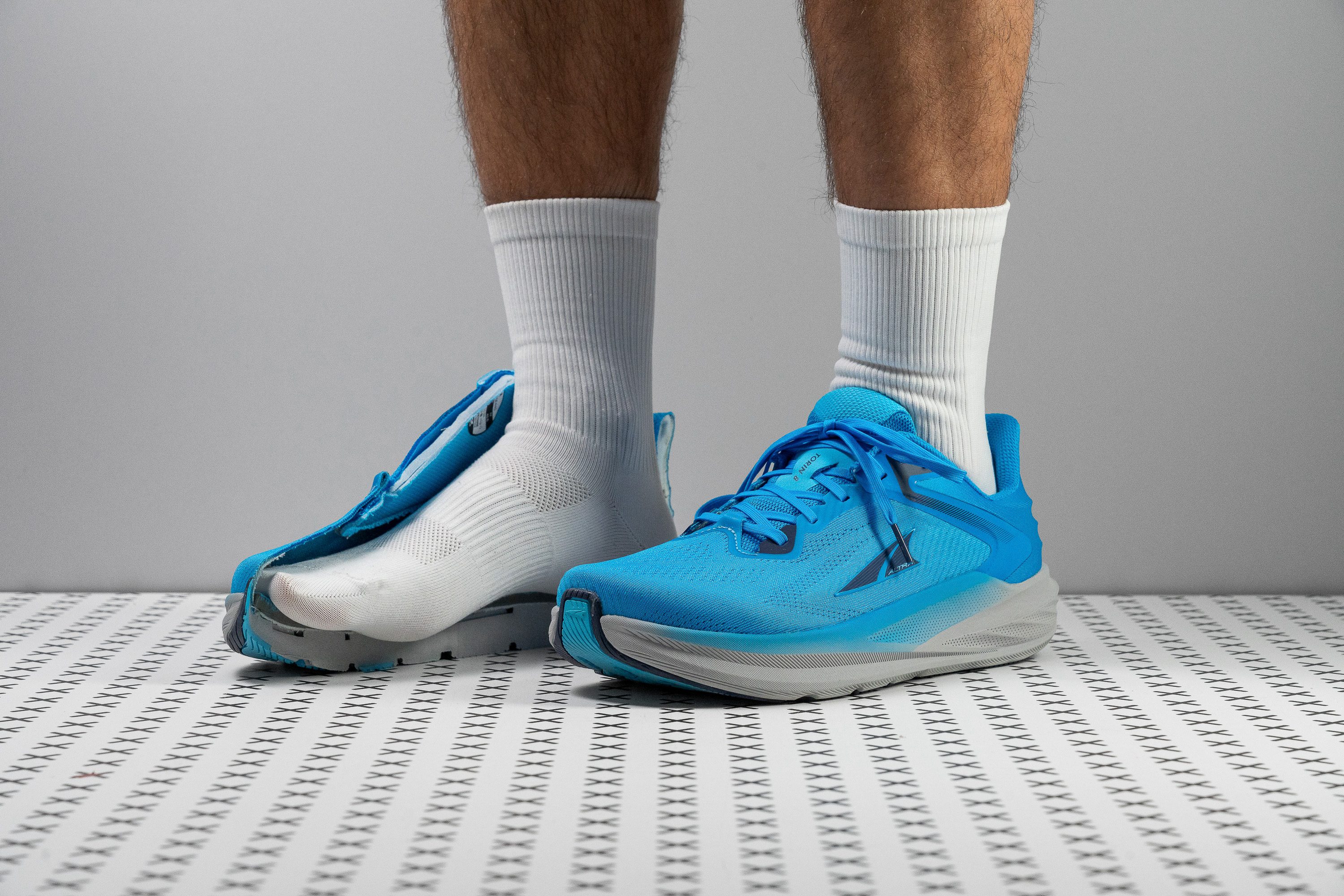
How To Find The Right Size And Fit
Zero drop shoes often fit differently than traditional shoes. Here’s how to get the right size:
1. Measure Your Feet
Do this in the evening when feet are largest. Stand and measure from heel to toe.
2. Try Shoes With Socks
Wear the socks you’ll run in. This ensures the fit is accurate.
3. Check Toe Space
Your toes should have room to move. The shoe shouldn’t pinch or squeeze.
4. Walk And Run In Store
Test the shoes by walking and jogging. Notice any rubbing, slipping, or discomfort.
5. Read Reviews
Look for comments from runners with similar foot shapes. Brands like Altra are known for wider fits.
| Brand | Fit Type | Recommended For |
|---|---|---|
| Altra | Wide toe box | Wide feet, toe issues |
| Topo Athletic | Medium width | Normal feet |
| Vibram | Snug fit | Barefoot runners |
| Xero Shoes | Flexible fit | All foot shapes |
| Merrell | Standard fit | Performance |
Credit: runrepeat.com
Zero Drop Shoes For Different Types Of Road Runners
Different runners have unique needs. Here’s how zero drop shoes can help:
Beginners
Start with cushioned zero drop shoes. Transition slowly to build strength.
Experienced Runners
Can use minimalist styles for better form and speed. May benefit from lighter, flexible shoes.
Marathoners
Choose cushioned models for long-distance comfort. Wide toe box helps prevent blisters.
Injury-prone Runners
Focus on shoes with more support and space. Avoid switching too fast.
Runners With Foot Problems
Zero drop shoes with a wide toe box can help bunions or hammertoes. But always check with a doctor if you have severe issues.
Expert Tips For Using Zero Drop Road Running Shoes
These tips will help you get the most from your shoes:
- Transition slowly: Increase mileage by no more than 10% per week.
- Strengthen feet: Add calf raises, balance drills, and toe exercises.
- Check form: Use video or a coach to watch your running style.
- Alternate shoes: Mix zero drop with traditional shoes during transition.
- Listen to your body: Stop if you feel sharp pain or soreness.
- Replace shoes on time: Don’t wait until they’re totally worn out.
- Use socks for fit: Thin socks can help with snug shoes.
- Avoid overstriding: Keep steps short and light.
- Warm up calves: Stretch before and after runs.
Common Myths About Zero Drop Road Running Shoes
There are many beliefs about zero drop shoes. Some are true, others not.
Myth 1: Zero Drop Shoes Are Only For Barefoot Runners.
Fact: Many cushioned zero drop shoes are made for all types of runners.
Myth 2: They Prevent All Injuries.
Fact: No shoe can stop every injury. Transition and form matter most.
Myth 3: Zero Drop Shoes Are Uncomfortable.
Fact: With the right fit and transition, most runners find them comfortable.
Myth 4: You Must Have Strong Feet First.
Fact: Zero drop shoes can help build strength, but start slow.
Myth 5: All Zero Drop Shoes Are Minimalist.
Fact: There are cushioned, supportive zero drop shoes too.
Where To Buy Zero Drop Road Running Shoes
You can find zero drop shoes at specialty running stores, online retailers, and directly from brands. Always check return policies, as fit is important.
Some stores offer gait analysis to help choose the best shoe for your running style. Online reviews and videos can also help.
For more on shoe technology and research, visit Wikipedia’s Running Shoe page.
Frequently Asked Questions
What Does “zero Drop” Mean In Running Shoes?
Zero drop means the heel and toe of the shoe are at the same height. There is no raised heel, which lets your foot sit flat, like barefoot.
Are Zero Drop Shoes Good For Beginners?
Yes, but beginners should start with cushioned zero drop shoes and transition slowly. This helps avoid injury and lets your foot muscles build strength.
How Long Does It Take To Transition To Zero Drop Shoes?
Most runners need 4–12 weeks to adjust. Start with short runs and increase distance slowly. Listen to your body and stop if you feel pain.
Can Zero Drop Shoes Help With Knee Pain?
Many runners find zero drop shoes reduce knee pain, especially if caused by heel striking. But results vary, and it’s important to check with a doctor for severe pain.
How Do I Know If Zero Drop Shoes Are Right For Me?
Try them for short runs and see how your feet and legs feel. If you like the natural movement and wide toe box, they may be a good fit. If you have foot injuries, ask a specialist first.
Switching to zero drop road running shoes is a big step. With the right knowledge, careful transition, and attention to fit, you can enjoy a more natural, comfortable run. Take your time, listen to your body, and choose shoes that match your needs.
Every runner is different—what works for one person may not work for another. But understanding zero drop shoes gives you more choices and more ways to enjoy running.
5 Comments