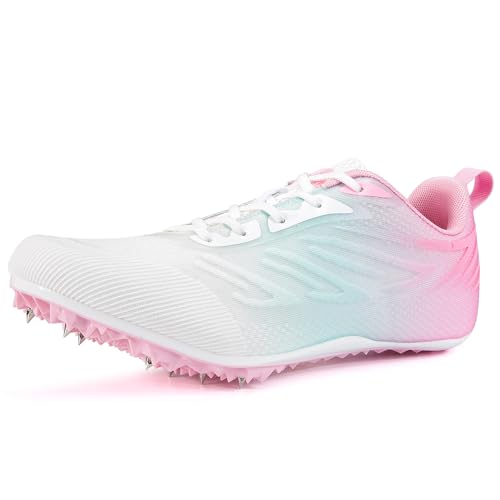
Zero Drop Running Shoes Womens: Best Picks 2026

Zero drop shoes keep heel and toe level to encourage a natural stride.
If you’re curious about zero drop running shoes womens, you’re in the right place. I test shoes for a living and coach runners across paces and ages. This guide breaks down what zero drop means, who it suits, how to pick the best pair, and how to transition safely. I’ll share research, real-world coaching lessons, and practical tips you can use on your next run.
What zero drop means and why it matters
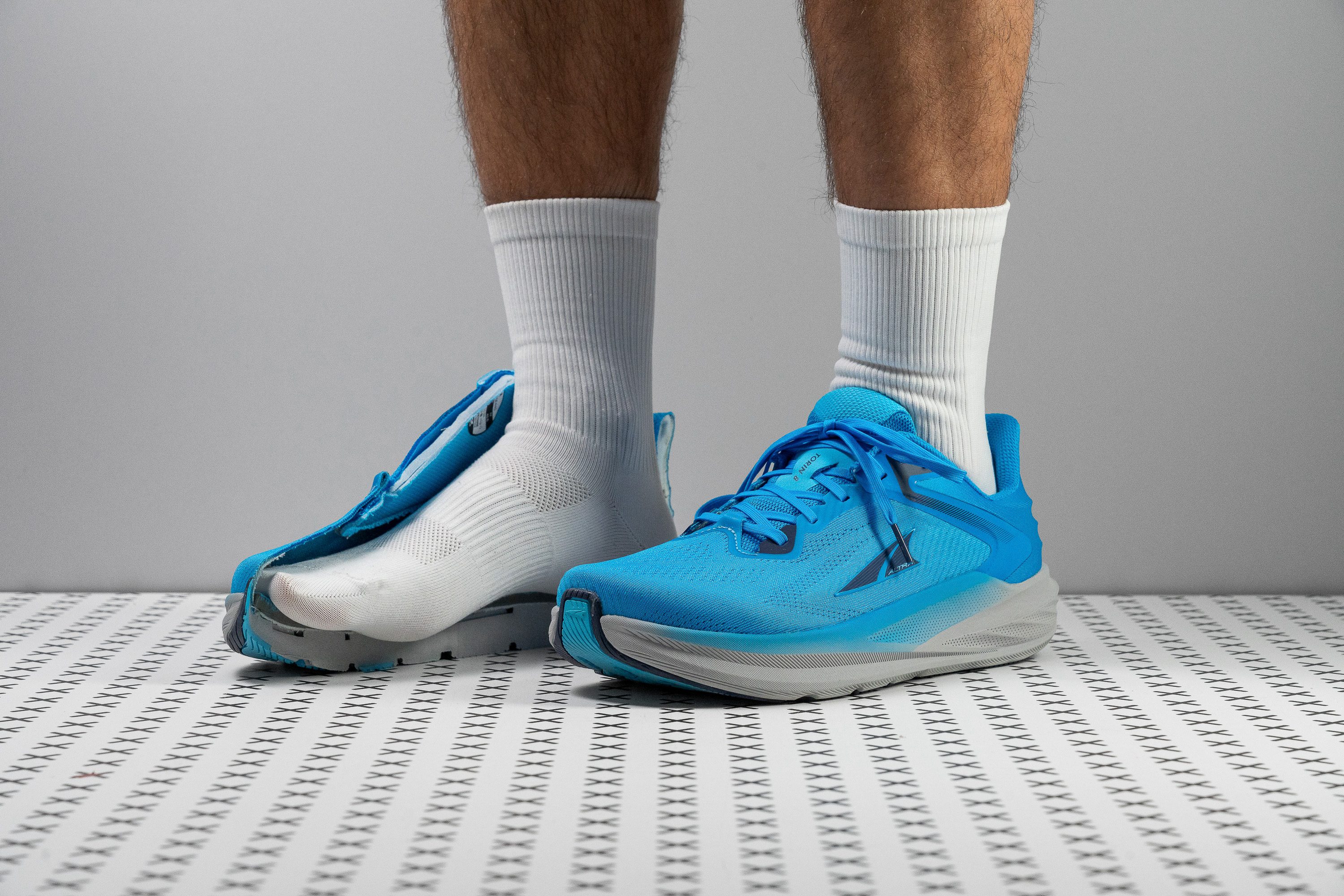
Zero drop means your heel and forefoot sit at the same height off the ground. Most traditional running shoes lift the heel by 8–12 mm. That lift can shift load away from the calf and Achilles. Zero drop brings load back to your lower leg and foot.
For women, small differences in foot width, arch height, and hip angle can change how zero drop feels. Some feel more stable with a level platform and a roomy toe box. Others need time for the calves and Achilles to adapt. If you search for zero drop running shoes womens, know that fit, width, and cushioning matter even more than the label.
What does that look like on the run? Many runners see a slight uptick in cadence and a touch softer landing. Not because the shoe forces it, but because your foot gets more sensory feedback.

Benefits of zero-drop shoes for women
Zero drop shoes can be a helpful tool, not a cure-all. Here are the big wins I’ve seen and what research supports:
- More natural foot splay. A wide, level base lets your toes spread and grip. This may improve balance on turns and uneven paths.
- Calf and foot strength over time. By removing heel lift, you invite your calves, Achilles, and intrinsic foot muscles to work more.
- Stable posture. A level platform can reduce forward tilt at the hips and ease some lower-back strain.
- Better ground feel. Many zero drop models use flexible midsoles that help your brain read the ground faster.
- Consistent cadence. Runners often settle into a steady rhythm, which can reduce braking forces.
These gains build slowly with smart training. If your search is zero drop running shoes womens, think progression, not overnight changes.
Limits, risks, and who should be careful
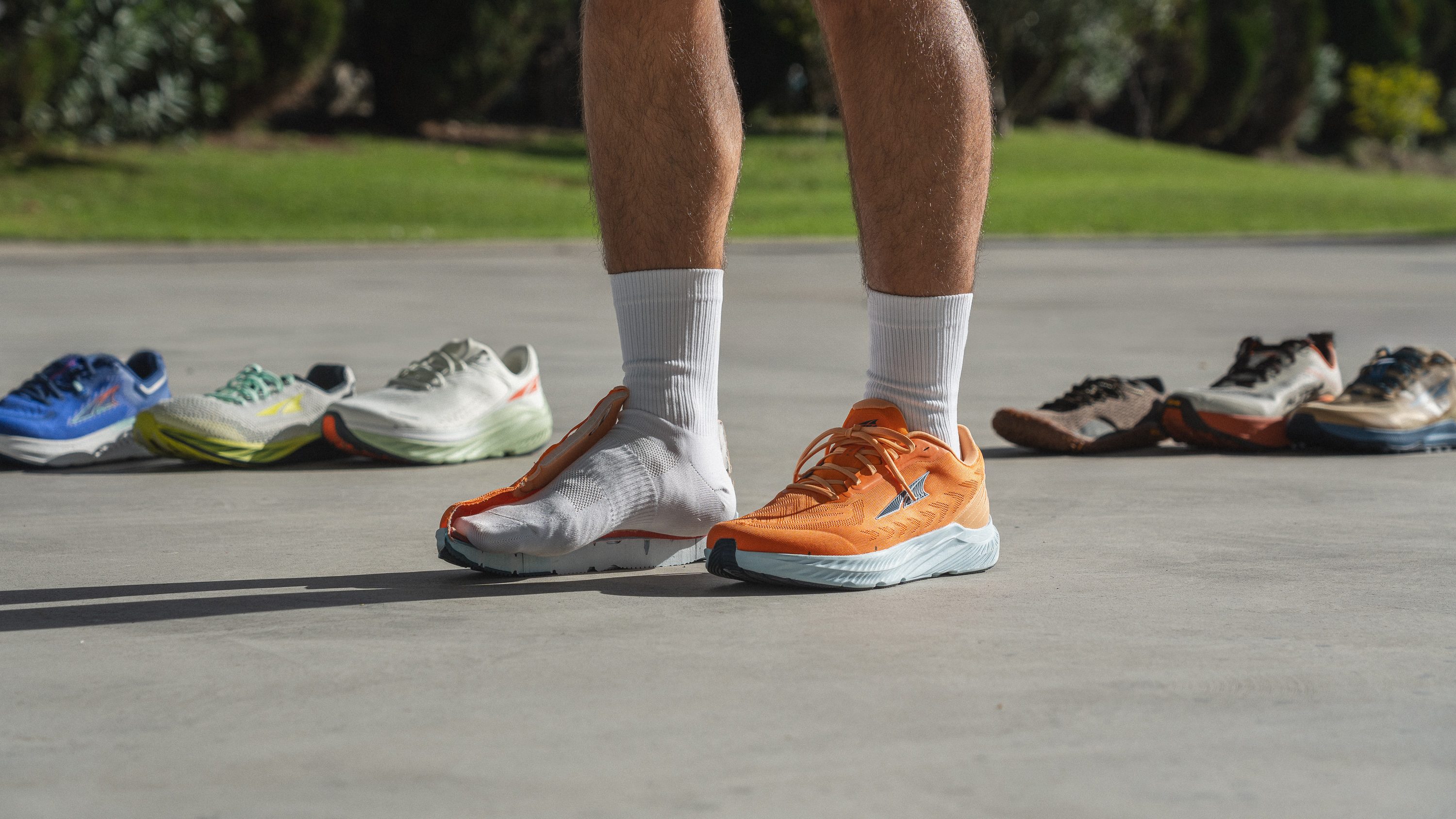
Zero drop is not ideal for every foot or every season.
- Achilles or calf pain. Zero drop increases load on these tissues. If they’re flared, start very slow or wait.
- Plantar fasciitis. Some runners do well in level shoes with moderate cushion; others need a slight drop to calm symptoms.
- High-mileage spikes. Switching fast right before a race is risky.
- Very rigid or very flexible feet. Both ends of the spectrum may need extra support or a measured plan.
Evidence from gait studies shows that injury risk changes when load shifts too fast. If you’re new to zero drop running shoes womens, build in rest days between early runs and listen for tightness in your calves and arches.

How to choose the right zero drop pair
Fit first, then features. Use this checklist:
- Fit and width. Your toes should splay without pressure. Check thumb-width space in front.
- Cushion and stack. Barefoot-style for short runs and drills; moderate stack for daily miles; more stack for long runs.
- Flex and rocker. A bit of forefoot flex helps push-off. Some models add a mild rocker for smoother roll.
- Terrain. Road, trail, or mixed paths. Pick tread and protection for your routes.
- Support. If you need guidance, choose a stable base or mild sidewalls instead of heavy posting.
- Weight and feel. Lighter for speed; more foam for recovery.
- Return policy. Test at least two or three runs.
When shopping for zero drop running shoes womens, try them in the afternoon when feet are a bit swollen, and bring your usual socks and insoles.
A safe transition plan to zero drop
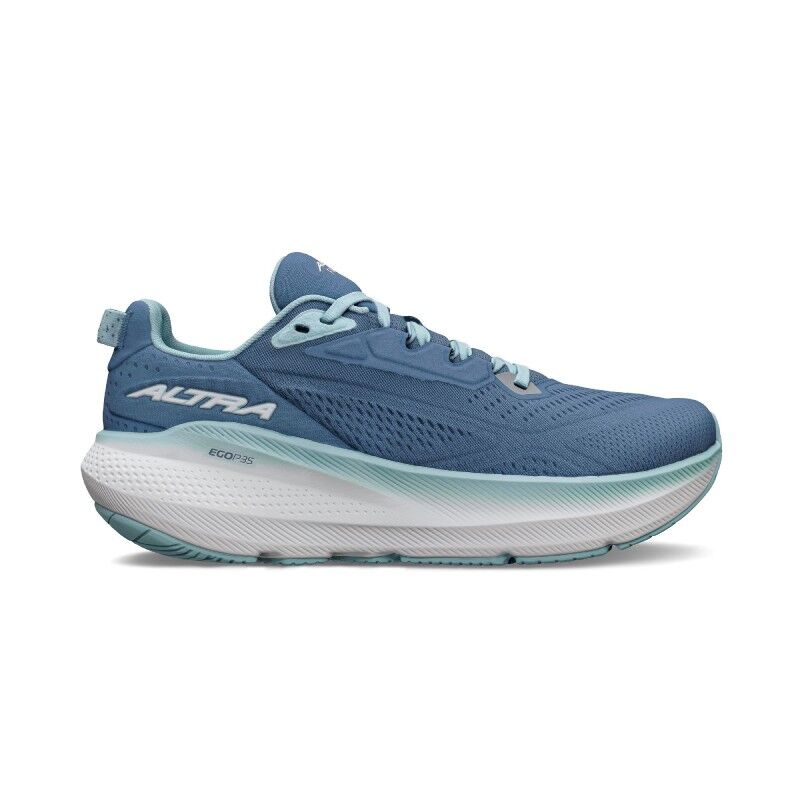
Your lower legs will do more work at first. This 6-week plan keeps things simple:
- Week 1: 10–15% of weekly miles in zero drop. Walk breaks allowed. One short run, one short walk.
- Week 2: 15–20%. Add calf raises and towel scrunches every other day.
- Week 3: 20–30%. Keep one run back in your old shoes for comfort.
- Week 4: 30–40%. Add strides on soft ground. Monitor calf and arch tightness.
- Week 5: 40–60%. One longer easy run, but stop if form fades.
- Week 6: 60–80% or hold steady if sore. Keep strength work twice per week.
If pain climbs above a mild ache, hold the level or step back a week. Progress, don’t rush. This matters for anyone trying zero drop running shoes womens for the first time.

Form cues, strength, and drills
A few simple cues can smooth the ride:
- Cadence. Aim for a quick, light rhythm. Most settle near 165–180 steps per minute.
- Posture. Tall through the crown of your head. Hips stacked, ribcage over pelvis.
- Foot strike. Land under your center, not far in front. Think quiet feet.
Strength and mobility that pay off:
- Calf raises. Straight-knee and bent-knee, 2–3 sets of 10–15, two to three times a week.
- Tibialis raises. Heels down, toes up against a wall, slow lowers.
- Toe yoga. Lift big toe while others stay down, then switch.
- Ankle mobility. Gentle dorsiflexion stretches and banded joint work.
These basics help any runner, and they are clutch if you wear zero drop running shoes womens.
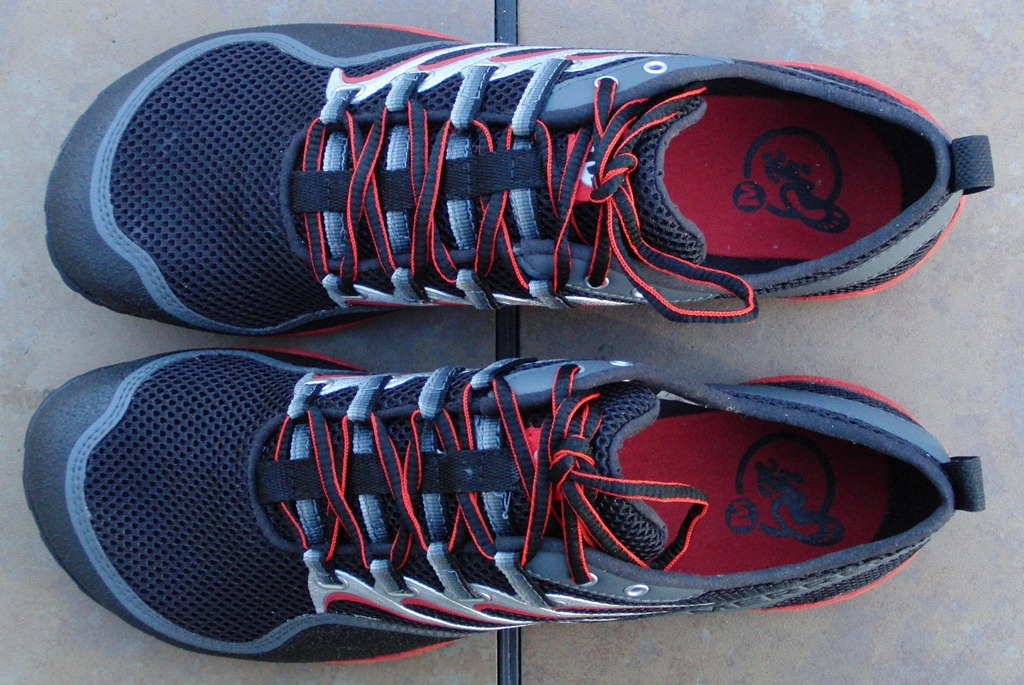
Best zero drop running shoes womens: top models to consider
These models cover a range of needs. Always check latest versions and try on:
- Altra Escalante. Road daily trainer with a springy ride and roomy toe box.
- Altra Torin. Plush road option for longer easy days.
- Altra Provision. Subtle guidance for mild pronation without a heel lift.
- Altra Rivera. Light and versatile for uptempo runs or daily miles.
- Altra Lone Peak. Trail classic with grip and a flexible forefoot.
- Altra Timp. More cushion for long trail days.
- Topo Magnifly. Road shoe with zero drop and a secure midfoot wrap.
- Merrell Vapor Glove. Barefoot-style for short runs, drills, and strength.
- Merrell Trail Glove. Low-profile trail option with solid ground feel.
- Xero Shoes HFS/Prio. Minimal road trainers with flexible soles.
- Vivobarefoot Primus Lite/Trail. Wide toe box and thin sole for max feel.
Tip: If you’re unsure, start with a moderate-cushion road shoe before going super minimal. This path works well for many people searching for zero drop running shoes womens.
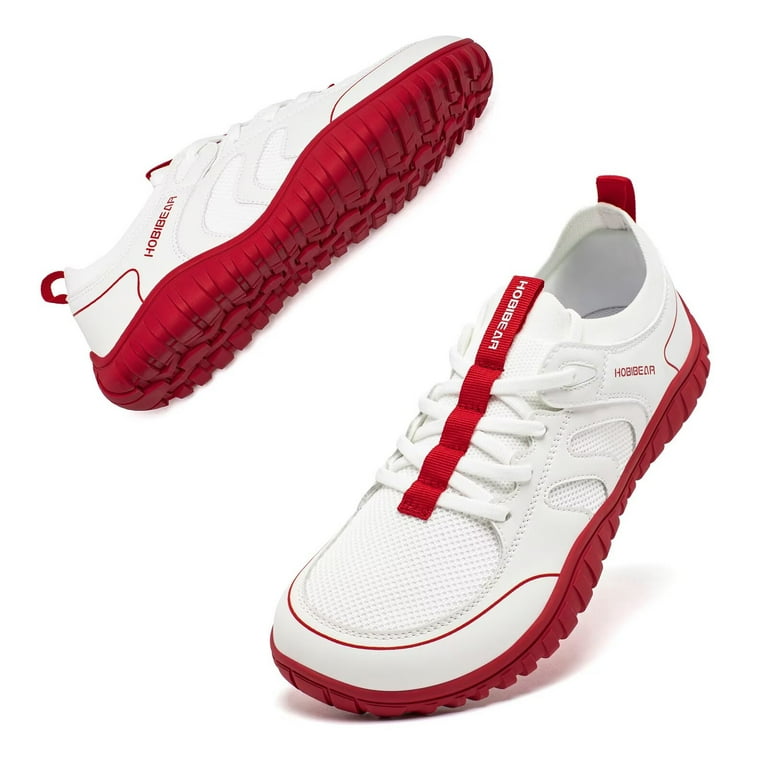
Real-world lessons from the road and trail
From coaching and testing, here’s what sticks:
- Rotations work. One zero drop daily trainer plus a slightly dropped shoe can lower fatigue. It also spreads load.
- Patience pays. Most runners feel “calf heavy” for 2–3 weeks. That eases with steady, short runs.
- Trails teach. Soft dirt helps you sense form cues without harsh impact.
- Don’t chase fads. Not every runner needs zero drop. If it suits your body and goals, great. If not, that’s fine too.
I once pushed a switch too fast before a half marathon and my calves locked at mile 10. Lesson learned: build early and keep long runs in what you know if you’re new to zero drop running shoes womens.

Care, lifespan, and rotation
Zero drop shoes vary in foam and outsole wear, but most last 300–500 miles. Minimal models can last longer if you run smooth and rotate pairs.
- Air dry. Stuff with newspaper after wet runs.
- Clean gently. Mild soap, soft brush, no heat.
- Track miles. Log wear to spot patterns and hot spots.
- Rotate. One pair for workouts, one for long runs, one for trails.
This routine keeps zero drop running shoes womens options feeling fresh and safe across the season.
Buying checklist and budget tips
Save time and money with a plan:
- Define use. Daily miles, speed work, or trails.
- Set budget. Great options exist under $120; sales often drop last year’s model.
- Fit session. Try two sizes and walk an incline if possible.
- Return window. Look for 30–60 days of run-tested returns.
- Socks and insoles. Test with what you’ll use.
When in doubt, start with comfort. If a shoe feels awkward in the store, it won’t feel better at mile six, even if it’s listed under zero drop running shoes womens.
Frequently Asked Questions of zero drop running shoes womens
Are zero drop shoes good for beginners?
Yes, with a slow build. Start with short runs and rest days between, and add calf strength.
Can zero drop shoes help with knee pain?
Sometimes. By shifting load lower, some runners feel less knee stress, but others feel more calf work.
How long to adapt to zero drop?
Most runners feel normal in 3–6 weeks. Keep the switch gradual and watch for calf tightness.
Do I need wide toe boxes with zero drop?
Often, yes. Space for your toes to splay helps balance and reduces hot spots and blisters.
Are zero drop shoes barefoot?
Not always. Some are cushioned daily trainers; others are thin and flexible. Choose by use and comfort.
Conclusion
Zero drop shoes can make running feel simple again: level, stable, and in tune with the ground. They can build strength, improve balance, and help you find a smooth rhythm. But the magic only happens with the right fit, the right model, and a smart plan.
Try a pair, follow the transition steps, and keep your goals front and center. If you found this helpful, share it with a running friend, subscribe for more practical gear guides, or drop your questions in the comments so we can problem-solve together.