Good Running Shoes Bunions Womens: Top Picks for Comfort

Finding the right running shoes is never simple, but for women with bunions, it can feel almost impossible. Bunions—a bony bump that forms at the base of the big toe—are more than a cosmetic issue. They cause pain, swelling, and make standard running shoes uncomfortable or even unbearable. Many women with bunions struggle to find footwear that balances support, space, and style. The wrong shoes can make the pain worse and lead to new foot problems over time.
But there’s good news. Modern running shoe brands are finally paying attention to the unique needs of women with bunions. Today, you can find shoes with wider toe boxes, soft materials, and special support features. The challenge is knowing what to look for and which shoes really deliver comfort—without giving up the performance you want for your run.
This guide will walk you through everything you need to know about good running shoes for women with bunions. You’ll learn what features matter most, see the top recommended models, and get advice for pain-free running. Whether you’re a beginner or an experienced runner, you’ll find clear answers to help you make smart choices for your feet.
Understanding Bunions And Running
A bunion is a deformity of the joint at the base of the big toe. It forms when the big toe pushes against the next toe, forcing the joint to stick out and become inflamed. Bunions develop slowly, often caused by genetics, arthritis, or years of wearing tight shoes.
For women, bunions are especially common. Research shows that bunions affect about 23% of adults aged 18–65, and they are more than twice as common in women as in men. That’s partly because women’s shoes are often narrower, with pointed toe shapes and higher heels, which crowd the toes and worsen the problem.
Running with bunions can create extra challenges:
- Pain and swelling: The pressure from snug shoes can make bunions hurt more during and after a run.
- Blisters and calluses: Rubbing against the shoe can lead to skin problems.
- Altered gait: Pain may cause you to run differently, which can lead to knee, hip, or back problems.
But running is not off-limits if you have bunions. The key is choosing shoes that protect your feet and reduce pressure on the joint.
Why Ordinary Running Shoes Fail Women With Bunions
Many running shoes are designed for a “standard” foot shape—narrow, with a snug fit. For women with bunions, this is a recipe for discomfort. Here’s why typical running shoes don’t work:
- Tight toe boxes squeeze the bunion and crowd the toes, causing pain.
- Stiff upper materials rub against the bump, leading to blisters.
- Lack of support can force the foot into unnatural positions, making bunions worse over time.
- Narrow shoe lasts (the mold the shoe is built around) don’t give enough space where it’s needed most.
Many women try sizing up, but that can create other problems: shoes that are too long, heel slippage, or lack of support. The solution isn’t just bigger shoes—it’s shoes designed with bunions in mind.

Credit: runtothefinish.com
What To Look For In Good Running Shoes For Bunions
Not all “wide” or “bunion-friendly” shoes are created equal. To find the best running shoes for bunions, focus on these key features:
1. Wide And Rounded Toe Box
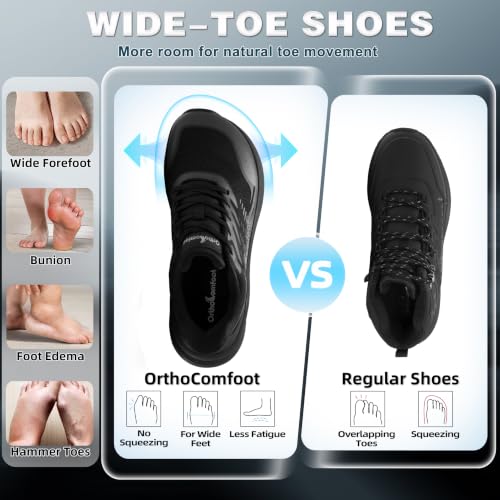
The toe box is the front part of the shoe where your toes sit. For bunions, a wider toe box is essential. It allows your toes to spread naturally, reducing pressure on the bunion and preventing overlap.
Look for shoes with a rounded or anatomical shape—not a pointed or tapered one. Some brands label these as “wide” or “natural fit” models.
2. Soft, Stretchy Upper Materials
A stiff upper can dig into the bunion, causing pain or blisters. Look for running shoes with soft mesh, knit, or flexible synthetic uppers. These materials adapt to the shape of your foot and provide gentle support without pressure.
3. Good Arch And Midfoot Support
Proper support helps keep your foot aligned and reduces extra movement that can make bunions worse. A well-cushioned midsole and built-in arch support are important, especially if you have flat feet or overpronate (your foot rolls inward).
4. Low Or No Seam Over Bunion Area
Seams, overlays, or stiff decorations over the bunion can rub and cause irritation. Choose shoes with seamless or minimal-seam designs in the forefoot.
5. Removable Insoles
Many women with bunions need custom orthotics or special insoles. Shoes with removable insoles make it easy to swap in your own support.
6. Multiple Width Options
Some brands offer running shoes in several widths—standard, wide, and extra wide. If you have a bunion, wider widths often make a big difference in comfort.
7. Lightweight Construction
Heavy shoes add extra stress to your feet. Lightweight running shoes help reduce fatigue, especially important if bunion pain makes you adjust your stride.
8. Heel-to-toe Drop
This is the difference in thickness between the heel and the forefoot. Some runners with bunions find that a lower drop (4–8mm) puts less pressure on the ball of the foot.
Non-obvious insight: Not all “wide” shoes are wide in the forefoot—some are just wide in the midfoot or heel. Always check where the extra width is added.
Top Running Shoes For Women With Bunions
Many running shoe brands now offer models that work well for bunions. Below are ten of the best options, each chosen for their combination of space, comfort, and performance.
1. Altra Torin
- Toe box: FootShape™ design, extremely wide and rounded
- Upper: Engineered knit, very flexible
- Support: Moderate cushioning, neutral
- Drop: Zero drop (heel and forefoot at same height)
The Altra Torin is famous among runners with bunions. Its unique FootShape™ toe box provides space for your toes to splay, and the knit upper adapts to bumps and irregular shapes. Many women find relief with this shoe, especially for longer runs.
2. Brooks Ghost
- Toe box: Spacious, available in wide widths
- Upper: Soft mesh, minimal seams
- Support: Good cushioning, neutral
- Drop: 12mm
Brooks Ghost is a classic choice for comfort. The wide version is especially bunion-friendly, with a soft upper and plenty of cushion. It’s a reliable daily trainer for women who want consistent support.
3. New Balance 1080
- Toe box: Broad, available in wide/extra wide
- Upper: Hypoknit, adapts to foot shape
- Support: Plush, high cushioning, neutral
- Drop: 8mm
The New Balance 1080 is a plush, premium shoe. Its soft Hypoknit upper and multiple width options make it ideal for bunions. Many podiatrists recommend this shoe for comfort and support.
4. Hoka Bondi
- Toe box: Wide, rounded, roomy fit
- Upper: Engineered mesh, seamless at bunion area
- Support: Maximal cushioning, neutral
- Drop: 4mm
HOKA Bondi offers thick cushioning and a soft ride. It’s popular with runners who want a forgiving shoe that absorbs impact. The seamless forefoot and wide fit help avoid bunion pain.
5. Asics Gel-nimbus
- Toe box: Roomy, available in wide
- Upper: Engineered mesh, soft overlays
- Support: High cushioning, neutral
- Drop: 13mm
ASICS Gel-Nimbus is a favorite for comfort and durability. The wide version has extra space up front, and the soft mesh keeps pressure off the bunion.
6. Saucony Echelon
- Toe box: Very wide, high volume
- Upper: Open mesh, minimal overlays
- Support: Firm and stable, supports orthotics
- Drop: 8mm
The Saucony Echelon is known for its roomy fit and removable insole, making it a good choice for orthotic users. It’s one of the widest shoes on the market, with a stable platform for sensitive feet.
7. Altra Paradigm
- Toe box: Extremely wide, FootShape™
- Upper: Mesh, overlays only where needed
- Support: High cushioning, stability elements
- Drop: Zero drop
For those who need extra support, the Altra Paradigm offers a combination of space and stability. The shoe is designed for overpronators who also need bunion relief.
8. Brooks Glycerin
- Toe box: Generous, soft fit
- Upper: Plush mesh, seamless forefoot
- Support: Maximum cushioning
- Drop: 10mm
Brooks Glycerin is a top pick for runners who want both luxury and space. The wide version has a forgiving fit and a cloud-like ride.
9. New Balance Fresh Foam More
- Toe box: Wide, rounded
- Upper: Flexible mesh, minimal seams
- Support: Max cushion
- Drop: 4mm
With thick foam and a wide base, the Fresh Foam More is gentle on bunions and great for longer distances.
10. Hoka Clifton
- Toe box: Moderate to wide, especially in wide version
- Upper: Soft, engineered mesh
- Support: Balanced cushion
- Drop: 5mm
HOKA Clifton is lighter than the Bondi but still offers a wide, soft fit. It’s a versatile choice for all types of runs.
Quick Comparison: Toe Box Width And Upper Material
To help you compare, here’s a summary of key features for bunion comfort.
| Model | Toe Box Width | Upper Material | Widths Available |
|---|---|---|---|
| Altra Torin | Very Wide | Knit | Standard |
| Brooks Ghost | Wide | Mesh | Standard, Wide |
| New Balance 1080 | Wide | Knit | Standard, Wide, Extra Wide |
| HOKA Bondi | Wide | Mesh | Standard, Wide |
| ASICS Gel-Nimbus | Wide | Mesh | Standard, Wide |
| Saucony Echelon | Very Wide | Mesh | Standard, Wide, Extra Wide |
| Altra Paradigm | Very Wide | Mesh | Standard |
| Brooks Glycerin | Wide | Mesh | Standard, Wide |
| New Balance Fresh Foam More | Wide | Mesh | Standard, Wide |
| HOKA Clifton | Moderate/Wide | Mesh | Standard, Wide |
Tip: Try shoes on at the end of the day, when your feet are most swollen. This gives a more realistic sense of fit for bunion comfort.
How To Choose The Right Running Shoe For Your Bunion
Finding the best running shoe is not just about picking a top-rated model. You need to match the shoe to your own foot shape, running style, and bunion severity.
1. Measure Your Feet
Get your feet measured professionally, including width as well as length. Bunions can make one foot wider than the other, so always fit to the larger foot.
2. Prioritize Toe Box Fit
When you try on shoes, stand up and wiggle your toes. You should have at least a thumb’s width of space between your big toe and the end of the shoe, and your toes should not feel squeezed from the sides.
3. Check For Bunion Pressure
Press around the bunion area. There should be no rubbing or tightness. Walk and jog in the shoes in-store if possible.
4. Consider Custom Insoles
Many women with bunions benefit from custom orthotics for extra support. Make sure your shoes have a removable insole if you plan to use these.
5. Test On Different Surfaces
If you can, wear the shoes on a treadmill, carpet, and hard floor. Sometimes a shoe feels good in the store but causes pain after a few miles.
6. Listen To Your Body
If a shoe causes pain, don’t assume it will “break in” or get better with time. Shoes should feel comfortable right away.
Non-obvious insight: Some runners find relief by using thin, low-friction socks. These can help reduce rubbing on the bunion without making shoes too tight.
Common Mistakes When Buying Running Shoes For Bunions
Avoiding these mistakes can save you pain and money:
- Buying shoes that are too long: Sizing up for width can lead to tripping or heel slip.
- Ignoring width options: Not all stores stock wide sizes—ask or order online if needed.
- Choosing style over comfort: Trendy designs may have narrow toe boxes.
- Not updating shoes regularly: Worn-out shoes lose support and can cause more pain.
- Assuming all bunion-friendly shoes are equal: Fit and comfort vary by brand, even for the same size.
Caring For Your Feet When Running With Bunions
Running with bunions requires extra care. Here are some strategies to keep you comfortable and reduce pain:
1. Use Protective Pads Or Bunion Sleeves
These soft pads cushion the bunion and prevent rubbing. You can wear them inside most running shoes.
2. Stretch And Strengthen Your Feet
Simple exercises—like toe stretches, picking up marbles with your toes, and rolling a ball under your foot—can help maintain flexibility and reduce pain.
3. Watch For Signs Of Trouble
If you notice increased redness, swelling, or sharp pain, take a break and check your shoes. Persistent pain may require a visit to a podiatrist.
4. Alternate Shoes
Wearing different shoes on different days can help reduce pressure points and keep your feet healthier.
5. Maintain Healthy Weight
Extra weight increases the pressure on your feet and can worsen bunions. Staying active and eating well supports your overall foot health.
Practical tip: If you develop blisters, treat them immediately to prevent infection. Keep your feet dry and use moisture-wicking socks to reduce friction.
How Running Technique Affects Bunions
Running form matters more than many people realize. Certain habits can make bunion pain worse:
- Overpronation (rolling in) stresses the big toe joint.
- Landing on the toes (forefoot striking) puts more pressure on the forefoot.
- Favoring one side due to pain can lead to injuries elsewhere.
Many women find that working with a running coach or physical therapist helps them adjust their technique and reduce bunion discomfort. Video analysis can reveal small changes that make a big difference.
When To See A Specialist
While good running shoes can make a huge difference, they aren’t a cure for bunions. If you experience:
- Severe pain that limits daily activities
- Numbness, tingling, or loss of motion in the toe
- Swelling that doesn’t go away
- Open sores or frequent infections
… it’s time to see a podiatrist or orthopedic specialist. In some cases, surgery may be the best option, but most women can manage bunion pain with the right shoes and foot care.
The Cost Of Good Running Shoes For Bunions
Bunion-friendly running shoes often cost between $120 and $180. While this is an investment, it’s worth it for comfort and injury prevention. Cheaper shoes may not have the fit or materials needed for bunion relief.
Many brands offer regular sales, and older models can sometimes be found for less. Don’t be afraid to spend a little more for a shoe that truly fits.
Price Comparison For Popular Bunion-friendly Models
Here’s a general guide to the retail prices for top models (subject to change and sales).
| Model | Approx. Price (USD) | Widths Available |
|---|---|---|
| Altra Torin | $140 | Standard |
| Brooks Ghost | $140 | Standard, Wide |
| New Balance 1080 | $160 | Standard, Wide, Extra Wide |
| HOKA Bondi | $165 | Standard, Wide |
| ASICS Gel-Nimbus | $160 | Standard, Wide |
| Saucony Echelon | $150 | Standard, Wide, Extra Wide |
| Brooks Glycerin | $160 | Standard, Wide |
| New Balance Fresh Foam More | $165 | Standard, Wide |
| HOKA Clifton | $145 | Standard, Wide |
:max_bytes(150000):strip_icc()/hlt-best-shoes-bunions-test-kuru-quantum-sneaker-brie-goldman-13-0039ccfabef64e3d92ef3f0533d24c20.jpeg)
Credit: www.health.com
Why Women’s Running Shoes Are Different
Women’s feet are not just smaller versions of men’s feet. They often have a narrower heel, wider forefoot, and lower instep. This means women’s running shoes are designed differently, with shapes and support that match the typical female foot.
For bunion sufferers, this is especially important. A shoe built for a man’s foot may not relieve pressure in the right areas. Choosing women-specific models—or even unisex designs like Altra’s—can make a big difference.
Pro tip: Sometimes, trying men’s shoes in smaller sizes can give you a wider fit. This trick works for women with especially broad feet.
The Role Of Socks In Bunion Comfort
Don’t overlook socks. Thick seams or tight socks can add to bunion pain. Look for:
- Seamless, moisture-wicking socks
- Toe socks (where each toe is separated) can reduce rubbing
- Thin, low-friction socks for a better fit in snug shoes
Avoid cotton socks, which hold moisture and can cause blisters.
Real-world Success Stories
Hearing from other women with bunions can be reassuring. Here are a few examples:
- Maria, age 42: “Switching to Altra Torin was life-changing. I went from painful 5Ks to finishing a half marathon with no blisters.”
- Jenna, age 34: “New Balance 1080 wide fit made all the difference. I can finally run without my bunion throbbing.”
- Lisa, age 50: “Brooks Ghost wide is my go-to. I use a bunion sleeve for extra protection and haven’t had issues in over a year.”
Remember, what works for someone else may not work for you—but these stories show that the right shoe really can make running enjoyable again.
Frequently Asked Questions
How Do I Know If A Running Shoe Is Wide Enough For My Bunion?
Try the shoe on at the end of the day, when your feet are most swollen. You should be able to wiggle your toes freely and feel no pressure on the bunion. If your big toe is pushed inward or the bunion rubs the upper, the shoe isn’t wide enough.
Can Running Make My Bunion Worse?
Running with poor shoes or bad technique can make bunion pain worse. But with the right shoes and good foot care, many women run safely and comfortably. If you experience increased pain, take a break and check your footwear.
Are Custom Orthotics Helpful For Bunions?
Custom orthotics can help by supporting your arch and improving foot alignment. Many women with bunions use orthotics inside running shoes for extra comfort. Always choose shoes with removable insoles if you plan to use orthotics.
What Running Shoe Brands Are Best For Bunions?
Brands known for bunion-friendly shoes include Altra, Brooks, New Balance, HOKA, ASICS, and Saucony. Each has models with wide toe boxes and soft uppers. Always try on several brands to see what fits your foot best.
Where Can I Find More Information About Bunion Care?
A trusted resource is the American Podiatric Medical Association, which offers detailed advice on bunion treatment and foot health.
Choosing the right running shoes for women with bunions can be a game-changer. With the right features—wide toe box, soft materials, good support—you can run in comfort and protect your feet. Take your time, try on different models, and listen to your body.
The right shoes will help you enjoy every mile, bunion and all.
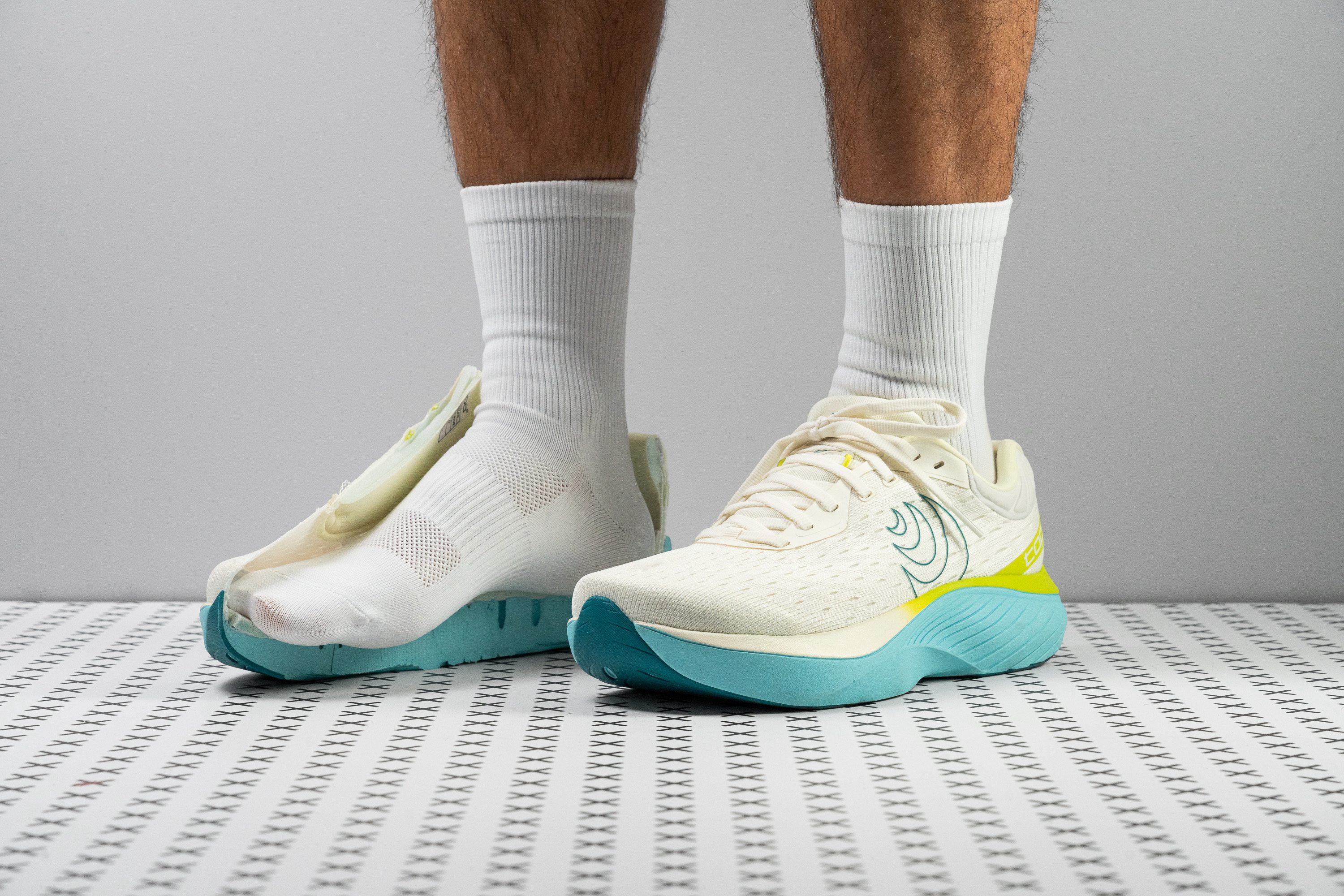
Credit: runrepeat.com
One Comment