Running Shoes for Sore Knees: Ultimate Comfort and Support Guide

Finding the right running shoes can be life-changing if you deal with sore knees. Pain in your knees might turn a short jog into a struggle. But with the right pair of shoes, many runners find relief, better support, and even the confidence to get back on track. This article will guide you through everything you need to know about choosing running shoes for sore knees. You’ll learn how the right footwear can make a difference, what features matter most, and which shoes are trusted by runners and experts. Whether you’re new to running or trying to solve a long-term problem, you’ll find practical advice, expert tips, and real examples to help you run comfortably again.
Why Do Your Knees Hurt When You Run?
Sore knees are one of the most common complaints among runners. But before you look for the perfect shoe, it helps to understand why knee pain happens in the first place.
Knee pain from running is often caused by:
- Overuse: Too much running or sudden increases in mileage can irritate the knee joint.
- Poor form: Running with bad technique can put extra stress on your knees.
- Worn-out shoes: Old or unsupportive shoes lose their ability to absorb shock.
- Weak muscles: If your hips, thighs, or calves are weak, your knees may take on more strain.
- Foot problems: Flat feet or high arches can affect how your knees move.
One study in the *British Journal of Sports Medicine* found that up to 50% of running injuries involve the knee. The most common knee issues are patellofemoral pain syndrome (runner’s knee), iliotibial band syndrome, and osteoarthritis.
Key insight: Many beginners think knee pain is just part of running, but often it’s a sign something needs to change—sometimes, it’s your shoes.
How Running Shoes Affect Knee Pain
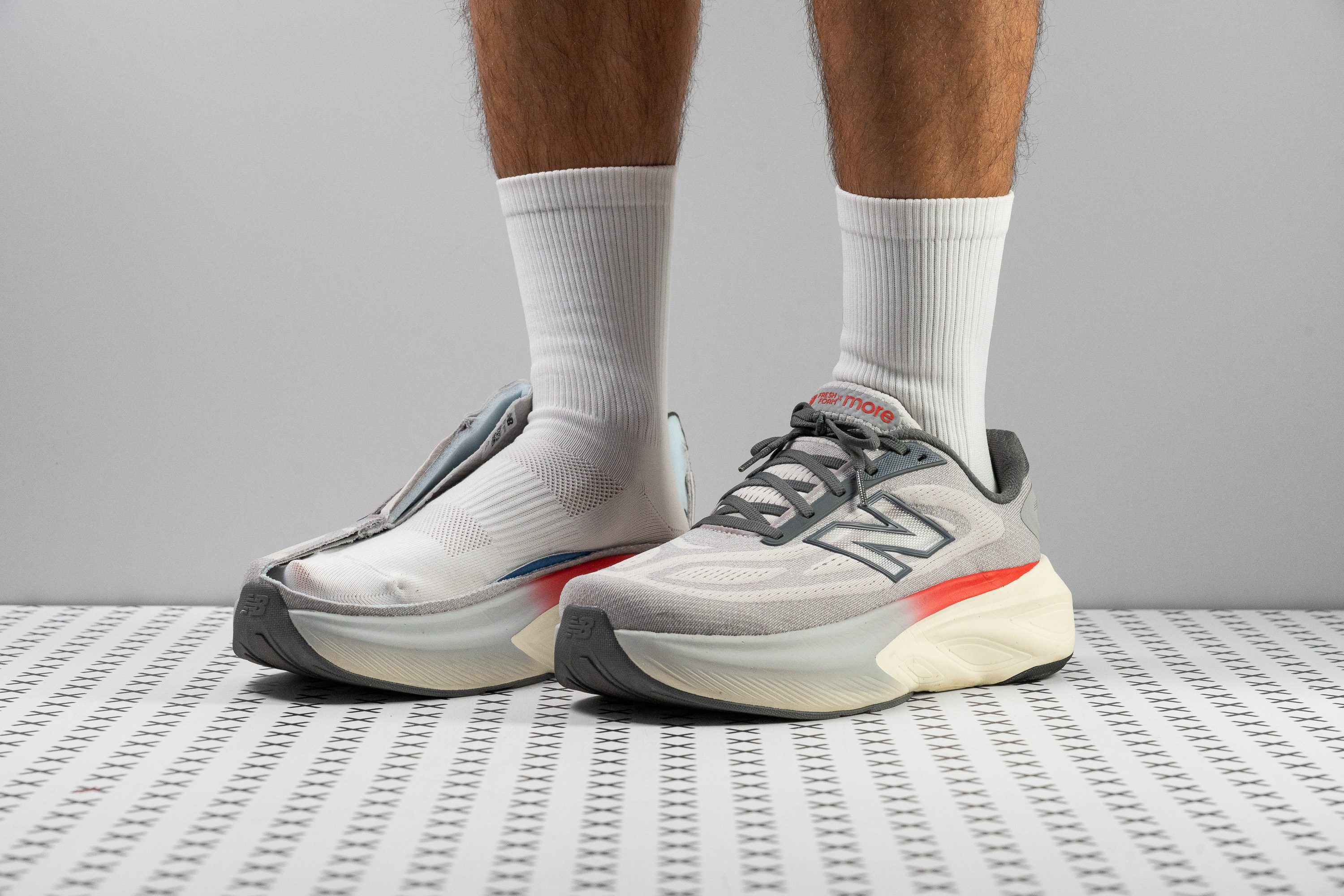
Shoes are not a cure for every knee problem, but the right pair can make a dramatic difference. Running shoes affect your knees in several ways:
- Shock absorption: Good shoes absorb impact, reducing stress on your joints.
- Support and stability: They keep your foot aligned, so your knees track correctly.
- Cushioning: Extra cushioning helps soften each step, especially on hard surfaces.
- Motion control: For runners with flat feet, motion control shoes can prevent overpronation (excessive inward rolling).
A 2018 study by the American College of Sports Medicine showed that runners using shoes tailored to their foot type had 28% fewer injuries, including knee pain. This means that shoe choice isn’t just about comfort—it’s about injury prevention.
Common mistake: Many runners look for the softest, most cushioned shoe, thinking more is always better. But too much cushioning can sometimes cause instability, which may actually lead to more knee pain.
Key Features To Look For In Running Shoes For Sore Knees
Choosing the right running shoe involves more than just picking a popular brand. Here are the most important features to focus on:
1. Proper Cushioning
Cushioning helps absorb the shock each time your foot hits the ground. Look for shoes with:
- Heel and forefoot cushioning: Protects the knee from hard impacts.
- Responsive foam: Materials like EVA or proprietary foams (e.g., Nike React, Asics Gel) provide bounce without being too soft.
- Balanced feel: Enough softness to protect, but not so much that your foot wobbles.
2. Support And Stability
Support keeps your foot in the right position. If your foot rolls in (overpronates) or out (supinates) too much, your knees can suffer.
- Stability shoes: Good for mild to moderate overpronators.
- Motion control shoes: For severe overpronation or flat feet.
- Neutral shoes: For runners with normal arches and no major gait problems.
3. Arch Support
The right arch support helps distribute pressure evenly. If you have flat feet or high arches, look for shoes designed for your foot shape.
4. Heel-to-toe Drop
The heel-to-toe drop is the difference in height between the heel and forefoot of the shoe. Lower drops (4-8mm) can encourage a natural stride, but some runners find a moderate drop (8-12mm) feels easier on their knees.
Non-obvious insight: Changing drop too quickly can actually increase injury risk. If you switch from high to low drop, do so gradually.
5. Fit And Comfort
Fit is personal. Shoes that are too tight or loose can change your gait and increase knee pain.
- Roomy toe box: Allows your toes to splay naturally.
- Secure heel: Prevents slipping.
- Width options: Some brands offer wide or narrow sizes.
6. Weight Of The Shoe
Lighter shoes are easier to run in, but ultra-light racing shoes often lack enough support or cushioning for people with sore knees. A moderate weight (9-12 ounces for men, 7-10 ounces for women) is a good balance.
Comparing Top Running Shoes For Sore Knees
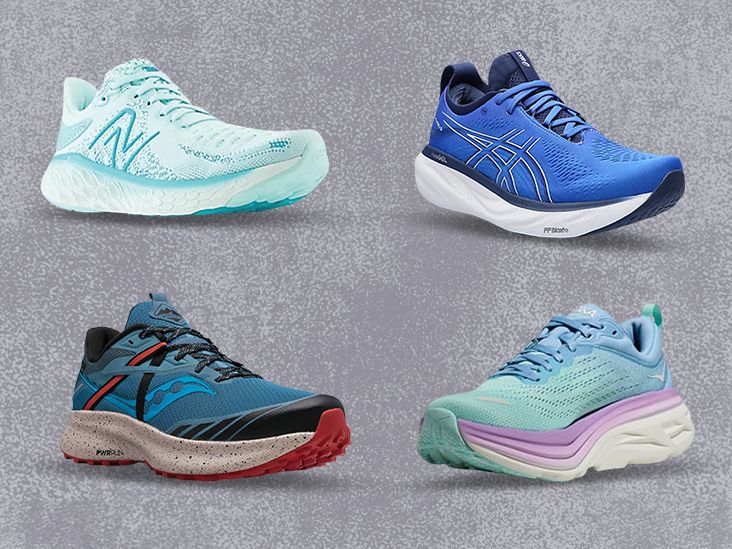
Here’s a side-by-side look at some of the most recommended running shoes for sore knees, based on expert reviews and runner feedback.
| Shoe Model | Cushioning Type | Support | Weight (Men’s US 9) | Best For |
|---|---|---|---|---|
| Brooks Glycerin 20 | DNA Loft v3 (Max) | Neutral | 10.1 oz | Soft, plush ride |
| Asics Gel-Kayano 30 | FF Blast+ / Gel | Stability | 10.7 oz | Overpronators |
| Hoka One One Bondi 8 | EVA Foam (Max) | Neutral | 10.8 oz | Maximum cushioning |
| New Balance 860v13 | Fresh Foam | Stability | 10.9 oz | Flat feet |
| Saucony Triumph 21 | PWRRUN+ Foam | Neutral | 9.8 oz | All-around comfort |
These models are well-known for their knee-friendly design. However, personal comfort and fit are just as important as technical features.
Credit: nicolettarestaurant.com
Who Needs Special Running Shoes For Sore Knees?
Not every runner with knee pain needs a special shoe, but certain groups benefit most:
- Runners with chronic knee pain: If you feel pain almost every time you run.
- Older runners: Joint protection is more important as you age.
- Heavier runners: Extra weight increases impact on the knees.
- People with previous knee injuries: Old injuries can make knees more sensitive.
- Runners with foot abnormalities: Flat feet, high arches, or pronation issues often affect knee movement.
If your knee pain is sharp, severe, or doesn’t improve with rest, consult a doctor or physical therapist. Shoes can help, but they’re not a solution for every medical problem.
How To Choose The Right Running Shoe For Your Knees
Finding the best running shoes for sore knees is about matching your needs with the right features. Here’s a step-by-step process:
1. Identify Your Foot Type
Your arch shape and foot motion affect what kind of shoe you need.
- Flat feet: Look for stability or motion control shoes.
- High arches: Seek shoes with more cushioning.
- Neutral arches: Most neutral shoes will work.
You can check your arch by doing a “wet test”: Wet your foot, step on a paper bag, and look at the print. If you see almost the whole foot, you may have flat feet. If you see only the heel and forefoot, you likely have high arches.
2. Understand Your Gait
A gait analysis can reveal if you overpronate, supinate, or run neutrally. Many specialty running stores offer free gait assessments. Video analysis is also available at some clinics.
Pro tip: Don’t guess your gait based on how your shoes wear out. Wear patterns can be misleading.
3. Try Different Models
Always try shoes on in the afternoon or after a run, when your feet are slightly swollen. Walk and jog in the store. Check for:
- No pinching or slipping
- Enough space for toes
- Secure fit around the heel
4. Consider Your Running Surface
If you mostly run on pavement, prioritize cushioning. For trails, look for shoes with more grip and stability.
5. Replace Shoes Regularly
Worn-out shoes lose support and shock absorption. Most running shoes last 300-500 miles (480-800 km), but heavier runners or those running on rough surfaces may need to replace them sooner.
Common mistake: Many runners wait until shoes look bad before replacing them. Often, the support is gone long before you see holes or damage.
Leading Running Shoes For Sore Knees (2024 Guide)
Below are some of the top running shoes for sore knees, based on expert reviews and user experiences. Each shoe offers unique benefits for different types of runners.
Brooks Glycerin 20
Known for its plush cushioning and smooth ride, the Brooks Glycerin 20 is a favorite for runners with sore knees. The DNA Loft v3 foam gives a soft feel but still provides good energy return. The fit is roomy, especially in the toe box, and the upper is flexible and breathable. It’s a great choice for neutral runners who want maximum comfort.
Asics Gel-kayano 30
This stability shoe is a legend among overpronators. The Gel-Kayano 30 features a combination of FF Blast+ foam and classic Gel cushioning. The stability system helps control inward foot rolling, making it ideal for runners with flat feet or those needing more support. Runners often praise its smooth transition and supportive feel during long runs.
Hoka One One Bondi 8
If you want the softest, most cushioned ride, the Hoka Bondi 8 is hard to beat. Its thick EVA foam midsole absorbs a huge amount of impact, helping protect sore knees. The shoe has a wide platform for stability, and the rocker design helps move you forward with less effort. Some runners find the look bulky, but many say it’s worth it for the comfort.
New Balance 860v13
This is a go-to shoe for runners who need reliable stability. The Fresh Foam midsole gives a balanced, slightly firm feel, and the medial post helps control overpronation. The upper is supportive but not restrictive, and the fit is snug around the heel. It works well for moderate overpronators and those with flat feet.
Saucony Triumph 21
The Triumph 21 stands out for its soft yet responsive ride. The PWRRUN+ foam gives cushion without feeling mushy, and the shoe feels light for its level of comfort. It’s a good choice for runners who need shock absorption but don’t want to sacrifice energy return. The Triumph also offers a flexible upper and a roomy fit.
Nike Zoom Structure 24
Nike’s stability option features firm support and Air Zoom cushioning. It’s designed to guide the foot through each step, making it a strong choice for runners with mild overpronation and sore knees. The fit is secure, especially in the midfoot and heel, and the ride is smooth without being too soft.
Mizuno Wave Inspire 19
The Wave Inspire 19 uses a wave-shaped plate to help control motion and spread impact forces. This system is unique to Mizuno and can feel more stable than foam-only shoes. The shoe has moderate cushioning and is a reliable pick for runners who want a supportive, durable option.
On Cloudflyer 4
On’s CloudTec® technology creates a cushioned but responsive feel. The Cloudflyer 4 adds stability features and a wider base, making it suitable for runners with sore knees who still want a lightweight shoe. The upper is engineered for support without adding bulk.
How Different Shoe Features Impact Knee Pain: A Closer Look
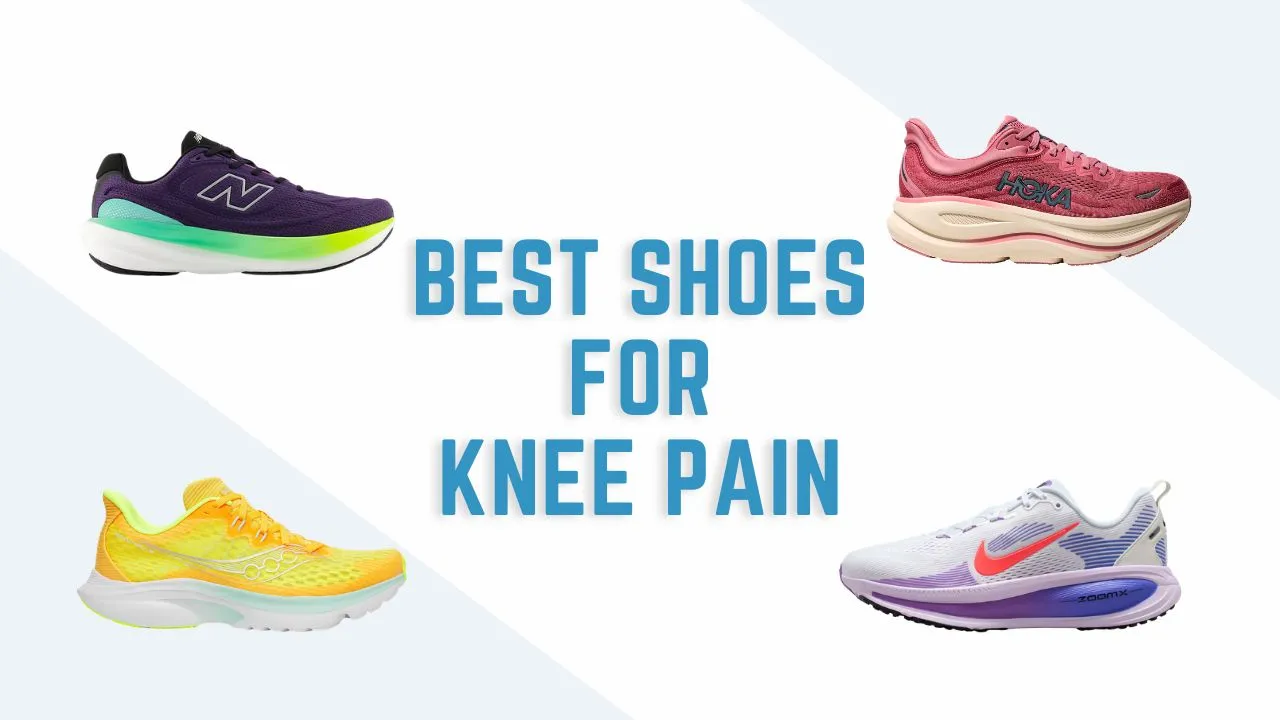
Some shoe features are more important for knee pain than others. Here’s a quick comparison of how different features can affect your knees:
| Feature | Potential Benefit | Potential Drawback |
|---|---|---|
| Max Cushioning | Reduces impact on knee joint | May cause instability for some runners |
| Stability Technology | Controls overpronation, improves alignment | Can feel stiff or heavy |
| Low Heel-to-Toe Drop | Encourages natural stride, reduces knee load | May stress calves/Achilles if not used to it |
| Wide Toe Box | Allows toes to splay, improves comfort | Loose fit may reduce control for narrow feet |
Non-obvious insight: Many runners focus on one feature, like cushioning, but often a combination (cushioning + stability) works best for knee pain.
Credit: runtothefinish.com
Mistakes Runners Make When Choosing Shoes For Sore Knees
Even experienced runners can make errors that lead to more pain instead of less. Watch out for these common mistakes:
- Ignoring your foot type: Wearing shoes for the wrong arch or gait can make things worse.
- Choosing style over function: Trendy shoes may lack the features your knees need.
- Buying without trying: Every brand and model fits differently—always try shoes on before buying.
- Skipping the break-in period: New shoes need a few runs to mold to your feet. Don’t go for a long run on day one.
- Using old or worn-out shoes: Even the best shoes lose their support over time.
How Running Form And Training Affect Knee Pain
Shoes are important, but they’re not the only solution. Your running technique and training habits play a huge role in knee health.
Running Form Tips
- Shorten your stride: Overstriding increases impact on your knees. Try to land with your foot beneath your body.
- Increase cadence: Aim for 165-180 steps per minute. This reduces force on each step.
- Keep posture upright: Don’t lean too far forward or back.
Strength Training
Strong muscles around the knee, hip, and core protect joints and improve stability. Focus on:
- Glute bridges
- Squats (with good form)
- Step-ups
- Calf raises
Even two sessions a week can help reduce pain.
Rest And Recovery
Don’t ignore pain. If your knees hurt, take time off. Use ice, gentle stretching, or cross-training to stay active without aggravating your injury.
When To See A Specialist
If your knee pain:
- Lasts more than two weeks
- Gets worse when you run
- Is sharp, severe, or causes swelling
Consult a sports medicine doctor or physical therapist. Persistent pain may signal a more serious injury, like a meniscus tear or ligament damage.
They may recommend gait analysis, custom orthotics, or physical therapy exercises to address the root cause.
Are Custom Orthotics Worth It For Sore Knees?
Custom orthotics are inserts made to fit your feet. They can help if you have a unique foot shape or severe alignment problems. However, for most runners, a well-chosen running shoe provides enough support.
A 2017 review in the *Journal of Orthopaedic & Sports Physical Therapy* found that custom orthotics helped some people with knee pain, but the benefits were similar to those of high-quality running shoes.
Key point: Try standard running shoes first. If pain persists, talk to a doctor about orthotics.
Tips For Getting The Most Out Of Your Running Shoes
To keep your knees happy, follow these practical tips:
- Rotate shoes: Using two pairs can extend shoe life and reduce injury risk.
- Replace insoles: Standard insoles wear out faster than the shoe itself.
- Track shoe mileage: Apps like Strava or Runkeeper can help.
- Store shoes properly: Keep them dry and out of direct sun.
- Listen to your body: If pain starts, take action early.
The Role Of Shoe Brands And Price
Many runners wonder if expensive shoes are always better. The answer is: not necessarily. Brand reputation and price can guide you, but comfort and fit should always come first.
Some budget-friendly brands offer excellent models for knee pain. Don’t be afraid to try lesser-known brands if they fit well and meet your needs.
Insider tip: Specialty running stores often have better-trained staff who can help match you with the right shoe, regardless of price.
Frequently Asked Questions
What Is The Best Running Shoe For Knee Pain?
There’s no single “best” shoe for everyone, but models like the Brooks Glycerin, Asics Gel-Kayano, and Hoka Bondi are often recommended. The best shoe is the one that fits your foot type, running style, and comfort needs.
Should I Choose Maximum Cushioning If I Have Sore Knees?
Maximum cushioning can reduce impact, but it’s not always the answer. Some runners need more stability or a certain heel-to-toe drop. Try different levels of cushioning to see what feels best.
How Often Should I Replace Running Shoes To Prevent Knee Pain?
Most running shoes last 300-500 miles. If you notice less support, uneven wear, or new knee pain, it’s time to replace them—even if they look okay on the outside.
Do Knee Sleeves Or Braces Help When Running With Sore Knees?
Knee sleeves can provide warmth and light support. They may help with mild pain, but they won’t fix poor shoe choice or running form. For serious knee issues, consult a doctor.
Can I Run With Sore Knees If I Use Good Shoes?
Good shoes can help, but running with pain is risky. If soreness is mild and improves with rest, you may continue carefully. If pain is sharp, severe, or gets worse, stop and seek medical advice.
Choosing the right running shoes for sore knees is a powerful step toward pain-free running. Focus on cushioning, stability, proper fit, and your unique needs—not just the latest trend or brand. Combine smart shoe choices with good running form, strength training, and regular rest. If you’re not sure where to start, visit a specialty running store for advice or check out resources like the Runner’s World Best Running Shoes. With the right shoes and habits, you’ll be on your way to happier, healthier knees and more enjoyable runs.
Credit: runrepeat.com