Essential Factors Evaluating Running Shoes: 2026 Pro Guide

Fit, cushioning, stability, traction, durability, weight, and gait match drive the best choice.
If you want a pair that feels great and goes the distance, you need more than hype. You need a clear view of the essential factors evaluating running shoes. I’ve spent years fitting runners in shops and on tracks, and I’ve tested hundreds of pairs. In this guide, I break down the real-world details that matter, plus tips you can use today to find your best match.
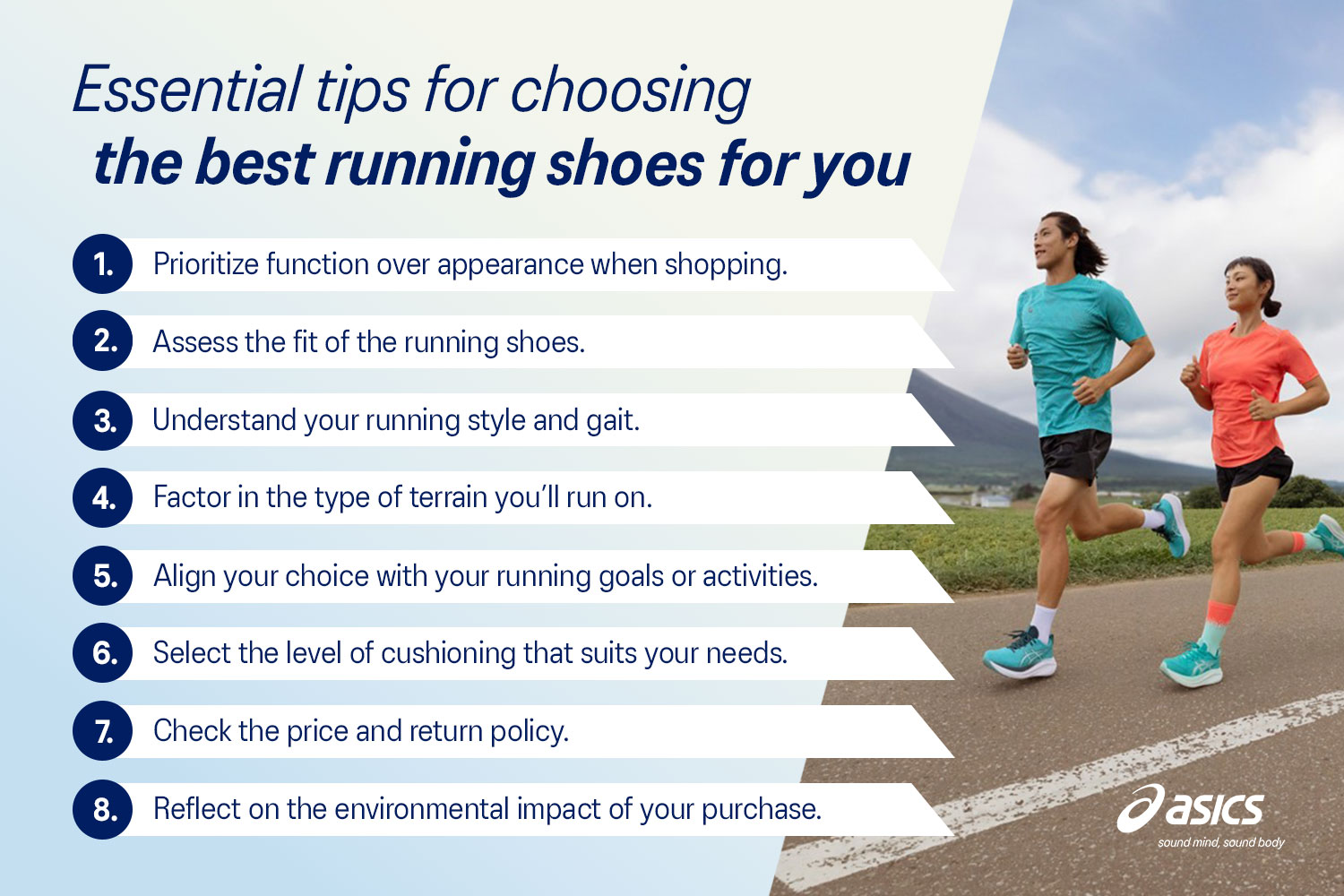
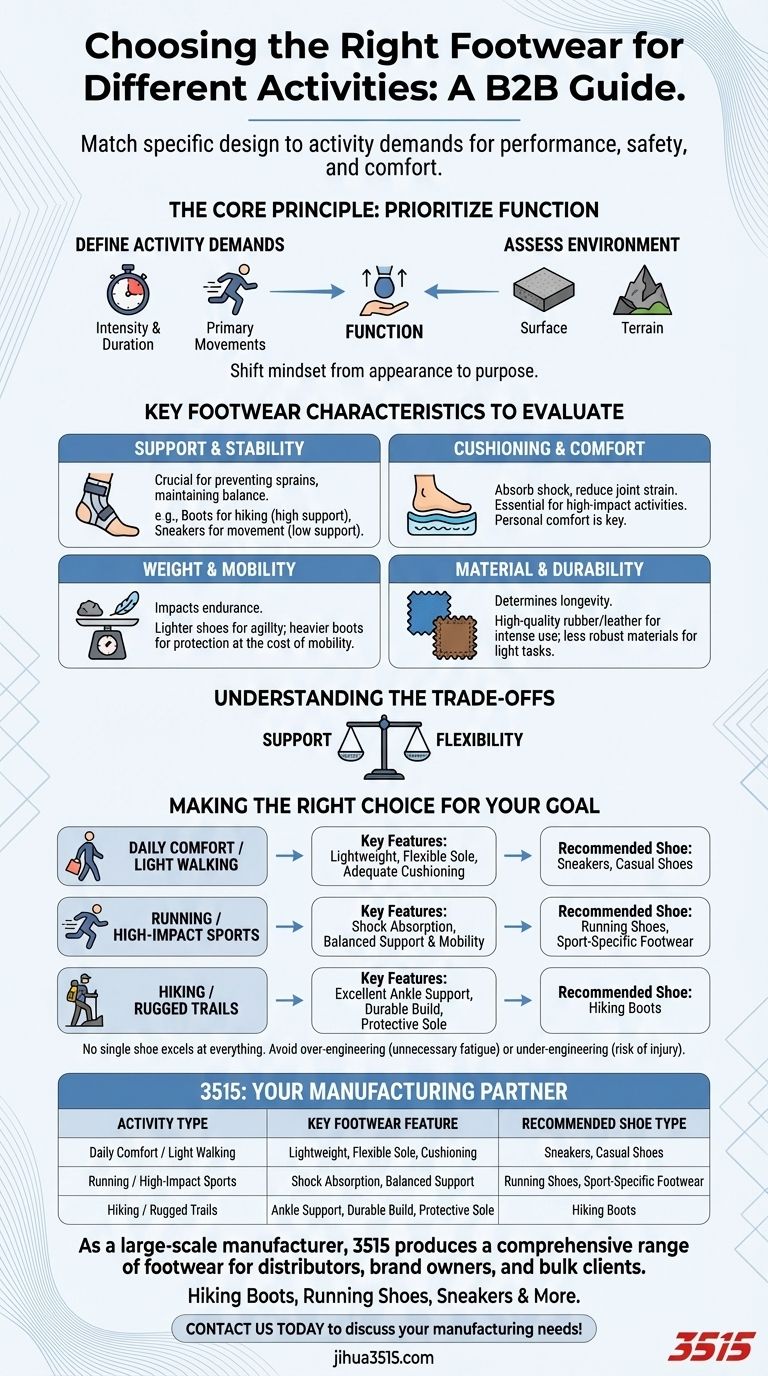
Understand Your Running Profile
Before you judge any shoe, judge your use. The essential factors evaluating running shoes change when your needs change. A fast 5K on road is not the same as a long trail day.
- Surface: Road, track, gravel, or trail. Each needs a different outsole and ride.
- Distance: Short runs need snap. Long runs need stable comfort.
- Pace: Faster pace likes lower weight and a quick toe-off.
- Goals: Daily trainer, speed work, race day, or recovery day.
Think about your past injuries and your weekly load. This context keeps your pick honest and safe.
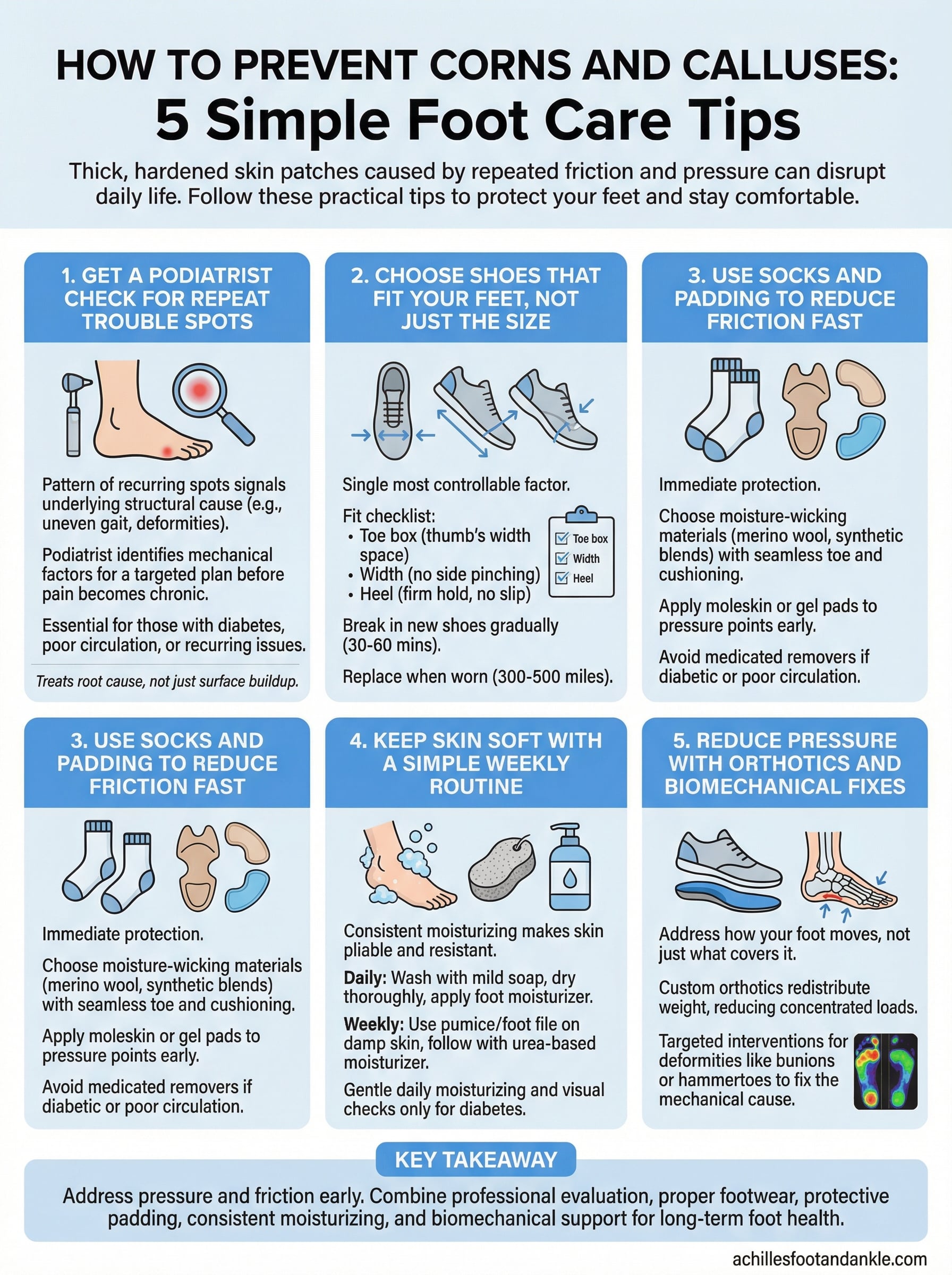
Fit and Sizing Fundamentals
Fit beats every trend. In my fittings, the wrong size caused more blisters than any other issue. Keep the essential factors evaluating running shoes front and center when you size up.
- Length: Aim for a thumb’s width in the toe box at the end of the day, when feet swell.
- Width and volume: Many brands offer wide or narrow options. The upper should hug, not squeeze.
- Heel hold: No slip on hills or fast turns. Use runner’s loop lacing if needed.
- Toe box shape: Match foot shape. Room for toes to splay can cut hot spots.
- Try both feet: Most people have one foot larger. Fit the larger foot.
Personal tip: I carry thin and medium socks to every try-on. Socks change fit more than most people think.
Cushioning and Ride Feel
Cushioning is about stack, foam, and drop. The essential factors evaluating running shoes here are comfort, control, and how your legs feel tomorrow.
- Stack height: More foam can reduce impact feel but may reduce road feel.
- Foam type: EVA is light and stable. TPU is springy. PEBA is very bouncy and light.
- Drop: The height difference from heel to toe. Low drop can load calves. Higher drop can ease Achilles strain.
- Rocker geometry: A curved sole can help a smooth roll and save effort late in runs.
What I’ve seen: Softer is not always safer. Very soft shoes can tire stabilizer muscles. Balance softness with support for your body and pace.
Stability, Support, and Gait
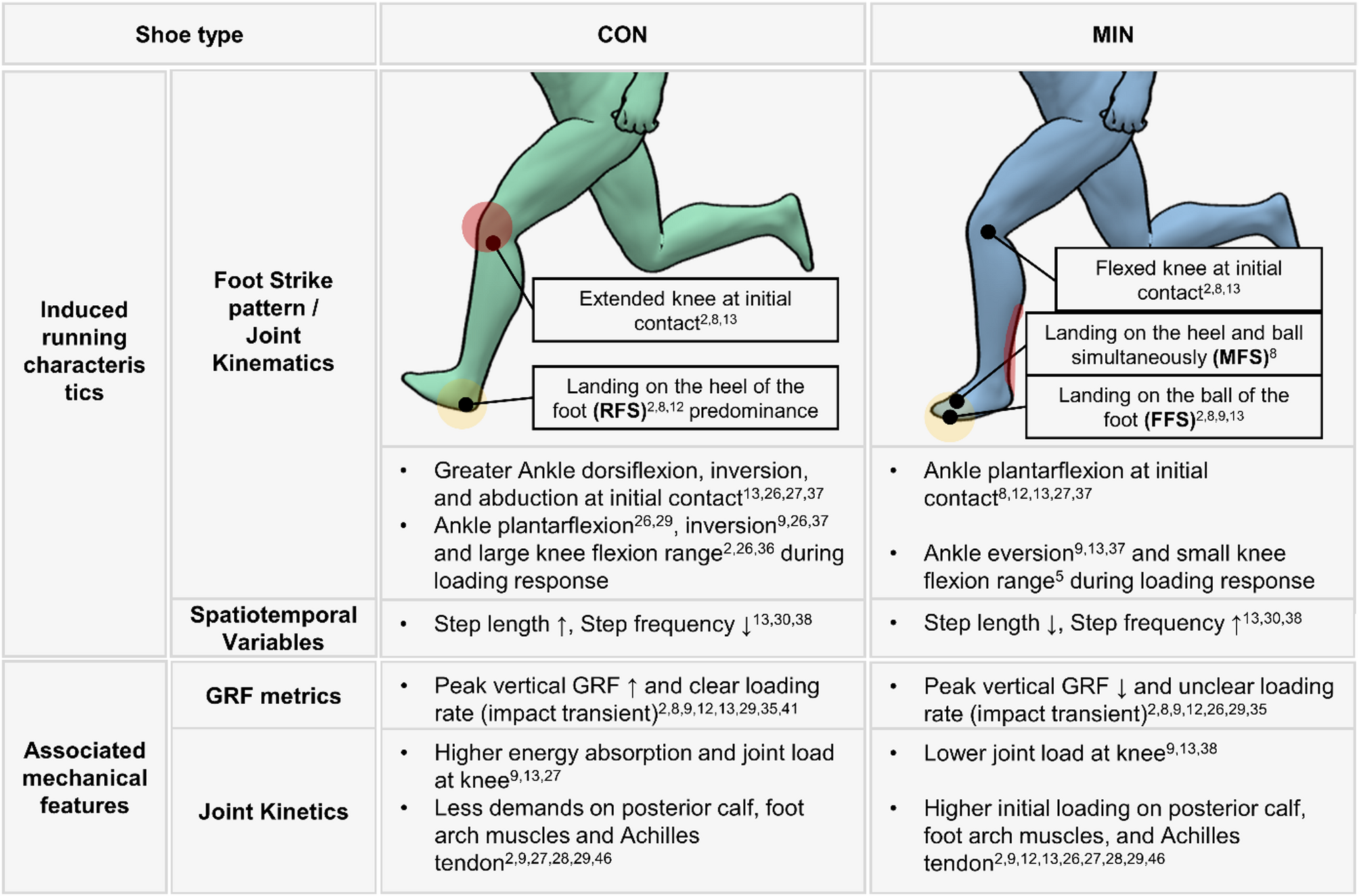
Support is not only a post on the inside of the shoe. The essential factors evaluating running shoes for stability include geometry, foam firmness, and how the shoe guides you.
- Guidance systems: Medial posts, rails, or sidewalls help keep you centered.
- Platform width: A wider base can add confidence, especially on tired legs.
- Torsional rigidity: A shoe that does not twist too much can feel secure.
- Your gait: Overpronation, neutral, or supination. Look at wear on old shoes and, if you can, a short gait check on a treadmill.
The data on injury risk and motion control is mixed. I tell runners to choose the least support that keeps their stride smooth and relaxed.
Upper Construction and Comfort
The upper is your all-day handshake with the shoe. For many, it makes or breaks the run. Keep the essential factors evaluating running shoes in mind as you judge the wrap of the upper.
- Materials: Engineered mesh for breathability. Knit for stretch and comfort. Ripstop for trails.
- Structure: Overlays add shape but can rub. Less can be more if you need flex.
- Tongue: A gusseted tongue stops slip and reduces lace bite.
- Heel collar: Soft but secure. A stiff counter can lock the foot but may press on the Achilles.
I once fixed a runner’s blister saga by moving them to a softer heel collar and a gusseted tongue. Small parts can have a big impact.
Outsole, Grip, and Terrain Match
The right outsole keeps you upright and sure-footed. The essential factors evaluating running shoes for grip are rubber mix, pattern, and lug depth.
- Rubber: Sticky rubber grips wet roads but can wear fast. Hard rubber lasts longer but can slip on tile or wet paint lines.
- Lugs: Road shoes use shallow patterns. Trail shoes need deeper lugs for mud and loose rock.
- Flex grooves: Help smooth transitions and add comfort at easy paces.
On wet days, a softer, tacky rubber can cut slips at crosswalk stripes. For mixed routes, look for a hybrid outsole with small lugs and durable compound.
Weight, Speed, and Performance
Every gram counts at speed. The essential factors evaluating running shoes for performance center on weight, stiffness, and energy return.
- Weight: Lighter shoes feel faster but often have less foam or support.
- Plates: Carbon or nylon plates can add snap. Great for tempo and race day.
- Trade-offs: Ultra-light shoes may fatigue feet on long easy runs.
I keep one light, plated shoe for speed days and a cushioned trainer for daily miles. Rotation helps legs and extends shoe life.
Durability, Lifespan, and Value
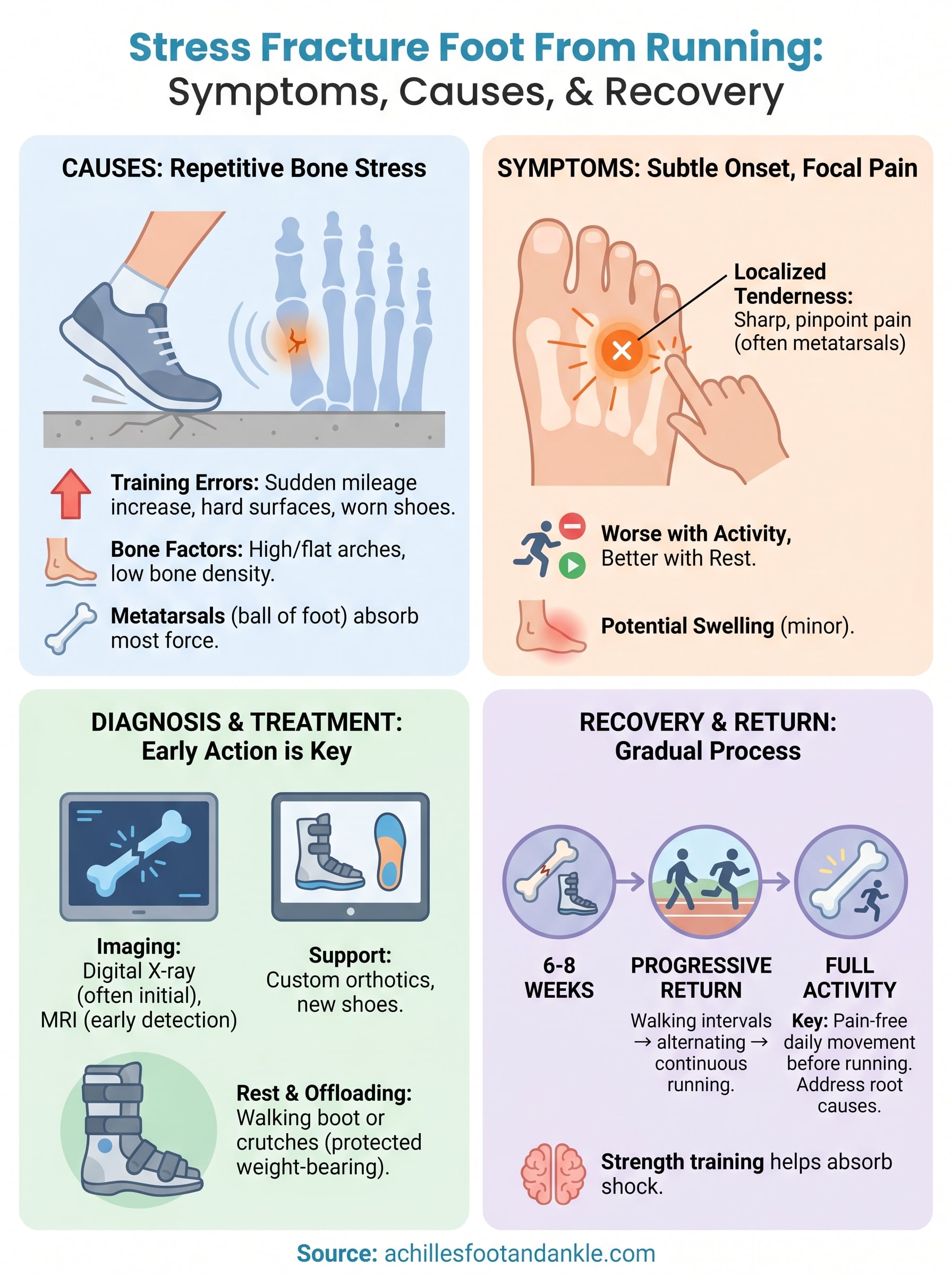
Shoes do not last forever. Know what to expect, and plan your budget. The essential factors evaluating running shoes for value include miles per pair and how they age.
- Typical life: Many road shoes last 300 to 500 miles, depending on body weight, gait, and surface.
- Wear signs: Outsole bald spots, creased midsoles that feel flat, new aches after runs.
- Rotation: Two pairs let foam rebound and can reduce hot spots.
Think price per mile, not just sticker price. A durable trainer at a fair cost can beat a sale shoe that wears out fast.
Breathability, Climate, and Weather Protection
Your climate shapes your needs. The essential factors evaluating running shoes in heat and rain differ from cold and snow.
- Hot weather: Light mesh and moisture-wicking liners help reduce blisters.
- Wet weather: Water-resistant uppers keep feet warm but breathe less. Drainage is key if you fully soak shoes.
- Cold: More upper structure and a snug heel can help warmth and control.
In heavy rain, I favor quick-drain mesh and wool socks over full waterproof shoes. Dry feet, happy miles.
Sizing and Fit for Special Needs
Some feet need special room or support. The essential factors evaluating running shoes for unique needs include width, depth, and insole space.
- Wide or narrow: Many brands offer 2E or 4E wide, and some narrow options.
- Orthotics: A flat, stable platform and a removable insole give best results.
- Foot shapes: High arches, bunions, or Morton’s toe each benefit from the right toe box and upper flex.
If you use an orthotic, bring it to the store. Test it in the shoe you plan to buy.
Try-On and Testing Checklist
A good test beats guesswork. Use this simple list. The essential factors evaluating running shoes become clear when you move.
- Wear your usual running socks.
- Lace with a runner’s loop and test heel slip.
- Stand and check toe room on both feet.
- Do a quick jog and a few strides.
- Try a turn, a hill, or a treadmill incline.
- Note hot spots, tongue pressure, and lace bite.
- Check if the shoe rolls you forward with ease.
- Compare two sizes and two models back to back.
- Ask your legs the next day how they feel.
- If unsure, do not buy. Great shoes feel right soon.
Care, Maintenance, and Replacement Timing
Good care adds miles. The essential factors evaluating running shoes extend to how you clean and store them.
- Cleaning: Hand wash with mild soap. Air dry. Never use high heat.
- Storage: Keep out of hot cars and direct sun to protect foam.
- Tracking: Log miles. Rotate pairs. Replace when aches or flattening show.
A quick rinse after muddy runs keeps uppers flexible and less smelly.
Common Mistakes to Avoid
Skip these pitfalls to save money and pain. Keep the essential factors evaluating running shoes top of mind.
- Buying too small to feel “fast.”
- Ignoring drop and calf load.
- Picking trail shoes for road miles, or the reverse.
- Overcorrecting with heavy stability when not needed.
- Chasing hype without a real test.
Match the shoe to the job, not the trend.
Budget and Buying Smart
You can buy smart without cutting safety. Tie price to use. The essential factors evaluating running shoes still lead the choice.
- Shop last year’s color for the same midsole at less cost.
- Use a local run shop for fit; the advice is worth it.
- Check return windows that allow short runs indoors.
- Save plated super shoes for races to extend life.
Think long game: one solid daily trainer, one speed shoe, and, if needed, one trail shoe.
Frequently Asked Questions
How often should I replace running shoes?
Most runners replace shoes every 300 to 500 miles. Track miles and watch for new aches, flat feel, or outsole wear.
Do I need stability shoes for overpronation?
Not always. Choose the least support that keeps your stride smooth and pain-free, and test both stable and neutral options.
What shoe drop is best for beginners?
An 8 to 10 mm drop works for many new runners. It eases calf load while you build strength and form.
Are carbon plate shoes good for daily training?
They can be, but they are best for speed work and races. Save them to reduce fatigue and extend their life.
How tight should running shoes feel?
Snug in the midfoot and heel, roomy in the toes. Your foot should not slide, and there should be no pressure points.
Conclusion
Great runs start with shoes that match your body, your goals, and your roads. Focus on fit first, then judge cushioning, stability, grip, weight, and value. Use the checklists, test with intent, and listen to your legs the next day.
Take the next step: audit your current pair using this guide, set a budget, and plan a smart try-on session. If this helped, share it with a running friend, subscribe for more gear deep dives, or drop your fit questions in the comments.