Running Shoes for Injury Prevention: Top Picks for Safer Runs

People run for many reasons: exercise, competition, stress relief, or simply enjoyment. But running can also cause injuries if you’re not careful. One of the most important ways to protect yourself is to wear the right running shoes. It’s not just about comfort or style—running shoes for injury prevention can make a real difference to your health and performance.
You might think all running shoes are the same, but they are not. Some shoes can help lower the risk of injuries like shin splints, plantar fasciitis, knee pain, or stress fractures. Choosing wisely means you’ll run safer, recover faster, and enjoy your training more.
This article will help you understand how running shoes can prevent injuries, what features matter most, and how to find the right pair for your needs.
Why Running Shoes Matter For Injury Prevention
Running puts a lot of stress on your feet, ankles, knees, and hips. Every step you take sends shock through your body. If your shoes don’t absorb impact well or don’t fit your foot shape, you risk injury.
Key reasons running shoes are important:
- Shock absorption: Good shoes reduce stress on joints.
- Support and stability: Shoes help keep your foot aligned.
- Correct gait: Shoes can guide your stride and fix poor running form.
- Protection: Shoes shield your feet from rough surfaces and weather.
Many injuries are linked to bad shoe choices. For example, runners who wear old shoes or shoes with poor support are more likely to get plantar fasciitis (heel pain) or shin splints. Studies show that replacing running shoes every 300–500 miles can help reduce injury risks. In fact, according to the American Academy of Orthopaedic Surgeons, up to 50% of running injuries can be prevented by wearing proper footwear.
Common Running Injuries And How Shoes Can Help
1. Plantar Fasciitis
This is a sharp pain under the heel, often caused by poor arch support or flat shoes. Shoes with good arch support and cushioning can lower the risk.
2. Shin Splints
Pain along the shin bone is common in new runners or those who increase mileage quickly. Shoes with shock-absorbing soles and proper fit can help.
3. Runner’s Knee
Pain around the kneecap often comes from shoes that don’t support your foot’s natural movement. Shoes with motion control or stability features are helpful.
4. Achilles Tendonitis
Tight calf muscles and stiff shoes can stress the Achilles tendon. Shoes with a soft heel counter and slight heel lift (drop) can reduce strain.
5. Stress Fractures
Tiny bone cracks, often from repetitive impact. Shoes with cushioning and flexibility can help distribute forces better.
6. Blisters And Black Toenails
These are usually caused by shoes that are too tight or too loose. Proper fit and breathable materials matter.

Credit: www.youtube.com
Key Features Of Injury-preventing Running Shoes
Not all shoes are made equal. Certain features are especially important for injury prevention.
Cushioning
A shoe’s cushioning absorbs impact. Too little, and your joints take the hit. Too much, and you lose stability. The ideal shoe balances both.
Arch Support
Your foot arch needs the right support. If you have flat feet, look for strong arch support. If you have high arches, find a shoe with extra cushioning.
Heel Drop
The heel-to-toe drop is the height difference between the heel and the forefoot. A higher drop (8–12 mm) can help reduce Achilles strain, while a lower drop (0–6 mm) may suit runners with strong calves.
Stability And Motion Control
Some runners overpronate (foot rolls inward) or supinate (foot rolls outward). Stability shoes help control motion and keep your gait neutral.
Flexibility
Shoes should bend with your foot. Too stiff, and you risk injury; too flexible, and you lose control.
Fit
Shoes must fit well. Tight shoes cause blisters and black toenails. Loose shoes cause instability. Always measure your foot and try shoes with socks you plan to use.
Breathability
Running produces heat. Shoes made from mesh or other breathable materials help prevent moisture buildup and blisters.
How To Choose The Right Running Shoes For Injury Prevention
Choosing shoes is personal. There’s no “one size fits all.” Here’s how to find the best pair:
- Know your foot type: Are you flat-footed, neutral, or high-arched? Shoe stores often offer gait analysis.
- Consider your running surface: Road, trail, or treadmill? Trail shoes have extra grip and protection.
- Understand your mileage: More miles need more cushioning.
- Check your history: If you have past injuries, choose shoes that target those issues.
- Try before you buy: Walk and run in the store. Make sure your toes have space.
- Replace regularly: Shoes wear out. Don’t wait for pain.
Example: Gait Analysis
A gait analysis checks how your foot lands when you run. Many stores offer this for free. If you overpronate, you’ll need stability or motion control shoes. If you’re neutral, you can use most shoes. If you supinate, look for flexible shoes with extra cushioning.

Credit: www.chiropractic-in-malaysia.com
Comparing Running Shoe Types For Injury Prevention
Different shoe types serve different needs. Here’s a quick comparison:
| Shoe Type | Best For | Key Features | Injury Prevention |
|---|---|---|---|
| Cushioned Shoes | High-arched feet, hard surfaces | Soft midsoles, shock absorption | Protects against stress fractures, shin splints |
| Stability Shoes | Overpronators | Firm support, guided movement | Prevents runner’s knee, plantar fasciitis |
| Motion Control Shoes | Severe overpronators | Extra support, rigid structure | Prevents knee pain, foot misalignment |
| Minimalist Shoes | Experienced runners, strong feet | Low drop, flexible | May reduce some injuries but risk others |
| Trail Shoes | Uneven surfaces | Grippy soles, reinforced toe | Prevents ankle twists, blisters |
The Science Behind Shoe Technology
Modern running shoes use advanced materials and designs. Here are some examples:
Eva Foam
Most shoes use EVA foam in the midsole. It’s lightweight and absorbs shock well. However, EVA breaks down over time, so shoes lose cushioning.
Gel And Air Pods
Brands like ASICS use gel pods for extra heel cushioning. Nike uses air pockets. These add shock absorption without much weight.
Carbon Plates
Some shoes have carbon fiber plates for energy return. While these help speed, they can be stiff and may not suit injury-prone runners.
Data And Stats
A study in the British Journal of Sports Medicine found that runners using cushioned shoes had 28% fewer stress fractures than those using basic shoes. Another research from the University of Calgary showed that motion control shoes reduced knee pain in overpronators by 40%.
When Shoe Choice Isn’t Enough
Even the best shoes can’t fix everything. Injury prevention depends on more than footwear.
- Training load: Increase mileage slowly.
- Stretching: Warm up and cool down.
- Strength training: Build muscles around joints.
- Rest: Listen to your body.
Shoes are just one piece of the puzzle. If pain persists, see a doctor or physical therapist.
Shoe Fit: Common Mistakes That Cause Injuries
Many runners make mistakes when choosing shoes. Here are some common errors:
- Buying shoes too small: Your toes need space. Tight shoes cause blisters and toenail injuries.
- Ignoring width: Some people need wide or narrow shoes. Squeezing your foot increases injury risk.
- Skipping gait analysis: Not knowing your foot motion can lead to the wrong shoe type.
- Choosing by looks: Don’t pick shoes just because they look cool.
- Using old shoes: Worn-out shoes lose support and cushioning.
Practical Tip
Always try shoes at the end of the day. Your feet swell as you walk and run, so this ensures a better fit.
How Often Should You Replace Running Shoes?
Running shoes don’t last forever. Most experts recommend replacing shoes every 300–500 miles (480–800 kilometers). This depends on your weight, running surface, and shoe type.
Signs you need new shoes:
- The tread is worn out
- The midsole feels flat
- You notice new aches or pains
- The shoes feel less supportive
A simple way to track: write the purchase date inside your shoe or keep a log.
Comparing Popular Injury-preventing Running Shoes
Let’s look at some top models known for injury prevention.
| Brand | Model | Best Feature | Recommended For |
|---|---|---|---|
| ASICS | Gel-Kayano | Stability, gel cushioning | Overpronators, knee pain |
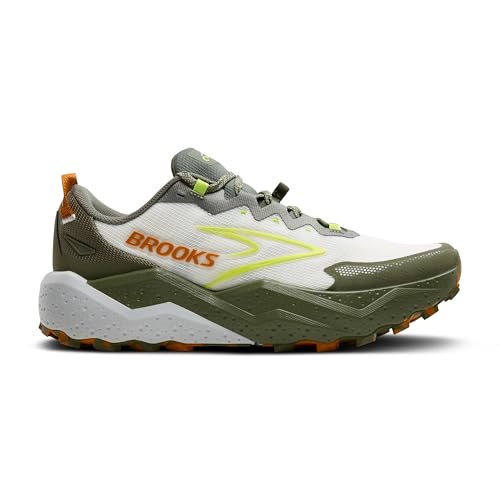
| Brooks | Adrenaline GTS | GuideRails support | Runners with joint issues |
| Hoka | Bondi | Max cushioning | High mileage, stress fracture risk |
| New Balance | Fresh Foam 860 | Balanced support | Neutral runners, mild overpronation |
| Mizuno | Wave Inspire | Wave plate stability | Knee and ankle support |
Shoes For Different Running Surfaces
Where you run affects your injury risk. Shoes should match the surface.
Road Running
Smooth pavement needs shoes with good cushioning and flexibility.
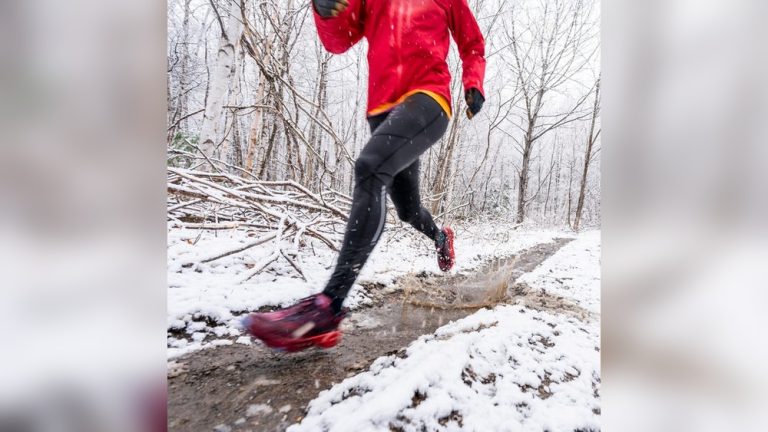
Trail Running
Uneven trails need shoes with grippy soles and tough protection.
Track Running
Tracks are soft but repetitive. Look for lightweight shoes with moderate support.
Treadmill Running
Treadmills are gentle on joints. Most road shoes work well, but avoid heavy trail shoes.
Running Shoe Brands And Their Injury Prevention Innovations
Many brands invest in injury prevention. Here are some examples:
- ASICS: Gel cushioning, stability designs
- Brooks: GuideRails technology to keep knees aligned
- Hoka: Oversized midsoles for shock absorption
- New Balance: Fresh Foam midsoles for balance
- Saucony: Flexible soles with targeted support
Some brands offer shoes for unique needs—wide feet, bunions, Achilles protection, or lightweight racing.
Real-life Examples: Runners Who Prevented Injury With Shoes
Emily’s Story
Emily, a marathon runner, struggled with shin splints. Switching to Brooks Adrenaline GTS helped her finish races pain-free. The added support made a big difference.
David’s Experience
David had recurring knee pain. After a gait analysis, he learned he overpronated. He moved to ASICS Gel-Kayano, and his injuries stopped.
Anna’s Lesson
Anna bought shoes based only on looks. She developed blisters and black toenails. After measuring her feet and choosing wider shoes, she ran comfortably.
Advanced Shoe Features For Injury Prevention
Some shoes offer extra features for specific problems.
Orthotic Compatibility
Many shoes allow you to add orthotic inserts for custom support. This can help with plantar fasciitis or flat feet.
Reflective Elements
Running at night increases injury risk. Shoes with reflective strips improve visibility and safety.
Waterproofing
Wet shoes can cause blisters. Waterproof shoes keep feet dry, especially for trail runners.
Running Shoes And Age: Injury Risk Changes
As you age, your foot shape and stride may change. Older runners often need more cushioning and support.
- Older runners: Look for shoes with extra shock absorption.
- Young runners: Focus on fit and flexibility.
Children’s running shoes should also have enough space for growing feet.
How To Test If Your Shoes Prevent Injuries
After choosing shoes, test them:
- Run a short distance. Check for pain or discomfort.
- Try different surfaces.
- Make sure your heel doesn’t slip.
- Look for signs of blisters or rubbing.
If you notice any problems, exchange them while you can.
The Role Of Socks In Injury Prevention
Shoes alone aren’t enough. Socks can help prevent blisters, moisture, and friction injuries.
- Choose moisture-wicking materials like polyester or wool.
- Avoid cotton socks—they hold sweat.
- Pick socks with padded heels and toes.
Shoe Lacing Techniques For Injury Prevention
How you lace your shoes affects fit and injury risk.
- Heel lock lacing: Prevents heel slipping.
- Wide forefoot lacing: Helps with bunions or wide feet.
- Skip eyelets: Relieves pressure on high arches.
Experiment with lacing to find what works best for you.

Credit: www.chiropractic-in-malaysia.com
Budgeting For Injury-preventing Running Shoes
Quality shoes can cost $100–$180. While expensive, they help prevent costly injuries. Don’t sacrifice safety for price. If money is tight, look for previous year’s models—they’re often discounted.
Running Shoe Myths
Many myths confuse runners. Here are a few:
- Myth: “More cushioning is always better.” Too much can reduce stability.
- Myth: “All feet need arch support.” Some runners are fine with neutral shoes.
- Myth: “Minimalist shoes prevent all injuries.” They suit some, but not all.
- Myth: “Expensive shoes are always safer.” Price doesn’t guarantee injury prevention.
Environmental Impact: Choosing Safe And Sustainable Shoes
Some brands use recycled materials or eco-friendly production. Shoes like Adidas Parley or Brooks Green Silence help protect the planet and your feet.
The Importance Of Expert Advice
If you’re unsure, ask for help. Running specialty stores have trained staff. Physical therapists can suggest shoe types if you have injuries. Online guides and reviews are helpful, but nothing beats personal fitting.
For more in-depth scientific information on running shoe technology and injury prevention, visit Runner’s World.
Frequently Asked Questions
How Do I Know If My Running Shoes Are Causing Injuries?
If you start feeling new pain after changing shoes or notice blisters, black toenails, or joint aches, your shoes may be the cause. Check if your shoes fit well and match your running style.
Should I Buy Shoes Based On My Foot Arch?
Yes, your arch type affects which shoes are best. Flat feet need strong arch support, while high arches need extra cushioning. Get a gait analysis if you’re unsure.
How Can I Extend The Life Of My Running Shoes?
Rotate between two pairs, dry shoes properly after runs, and store them away from sunlight. Avoid washing in a machine. Replace shoes every 300–500 miles.
Are Minimalist Shoes Good For Injury Prevention?
Minimalist shoes suit runners with strong feet and good form. For most people, they can increase injury risk if not used carefully. Transition slowly if you try them.
Is It Okay To Use Running Shoes For Other Sports?
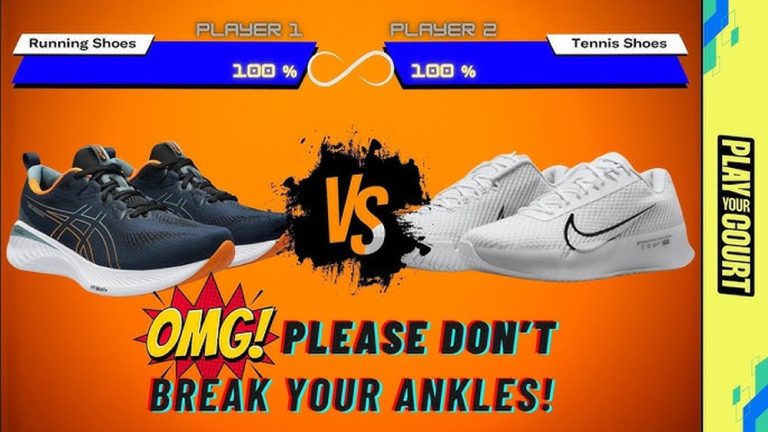
No, running shoes are designed for forward motion. Using them for basketball, tennis, or other sports can cause injuries because they lack side support.
Running is safer and more enjoyable when you wear the right shoes. Understanding your foot type, running style, and injury history helps you choose the best pair. Always test shoes before committing and remember—prevention is better than cure. Investing in quality running shoes is investing in your health and performance.