Blue And White Running Shoes: Top Picks 2026

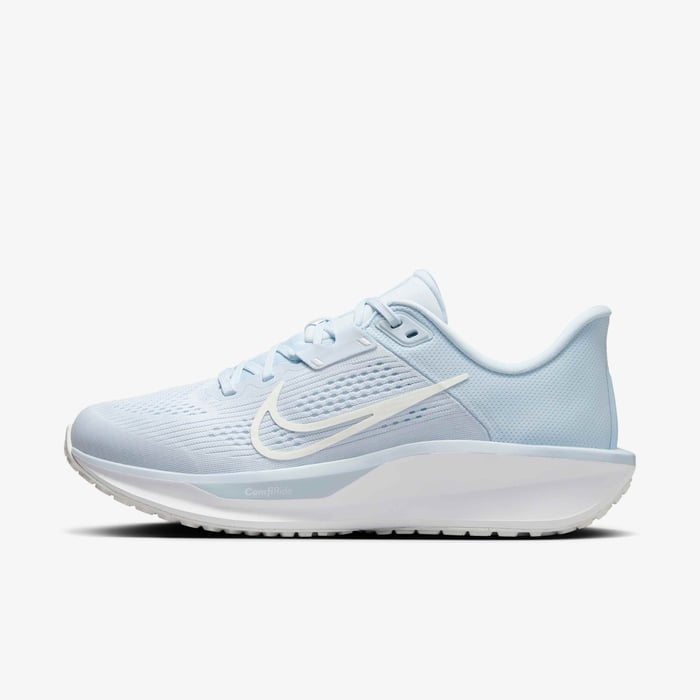
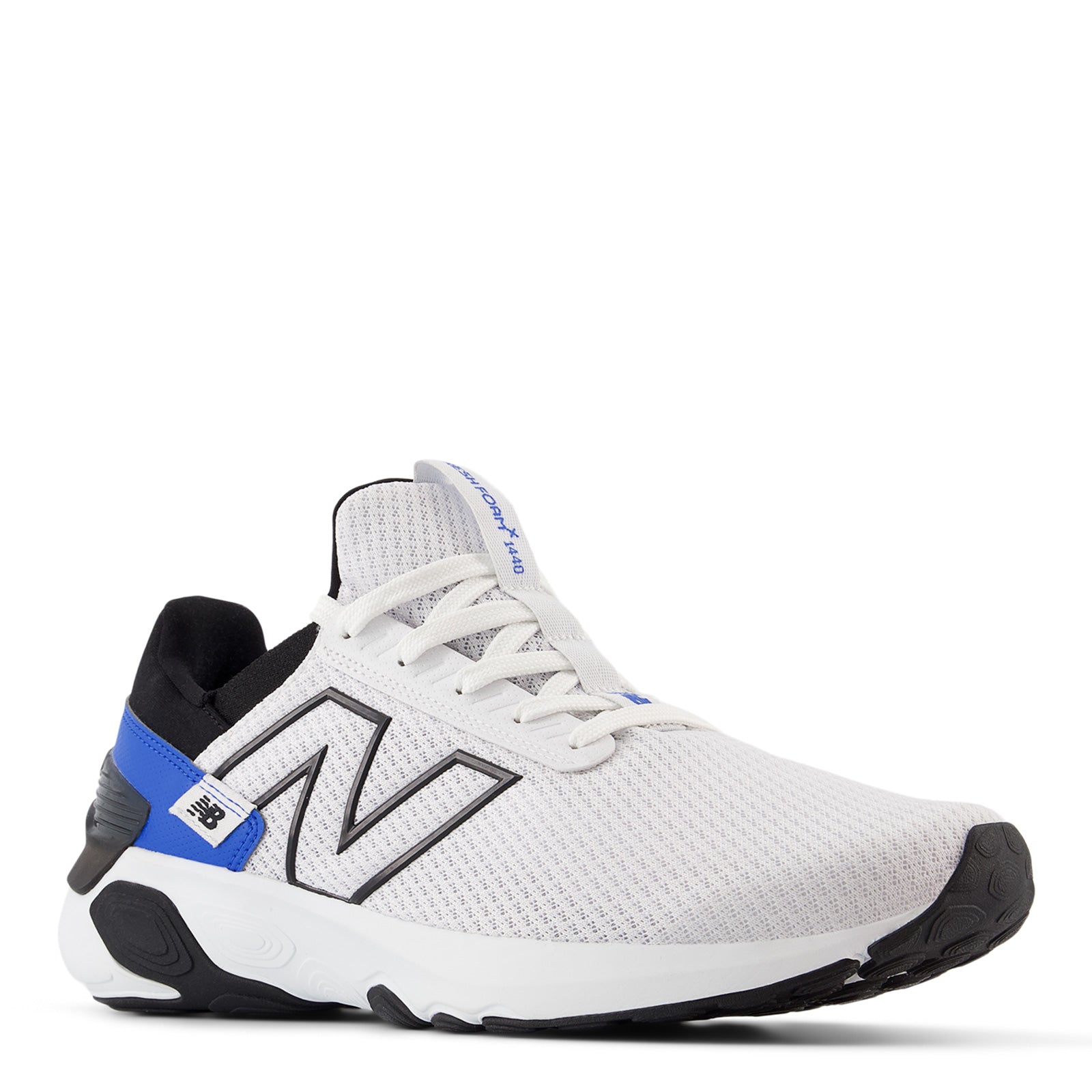
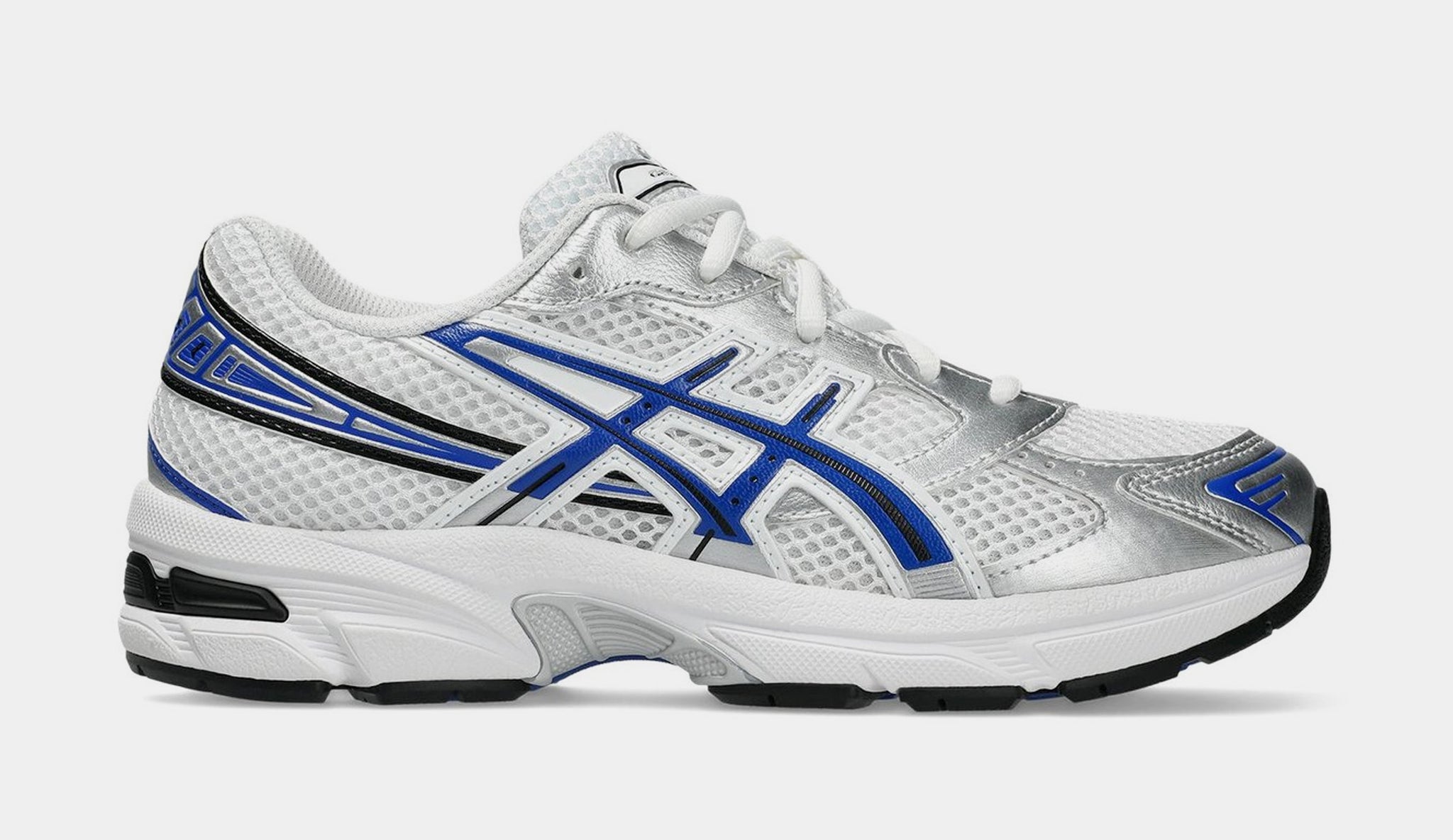
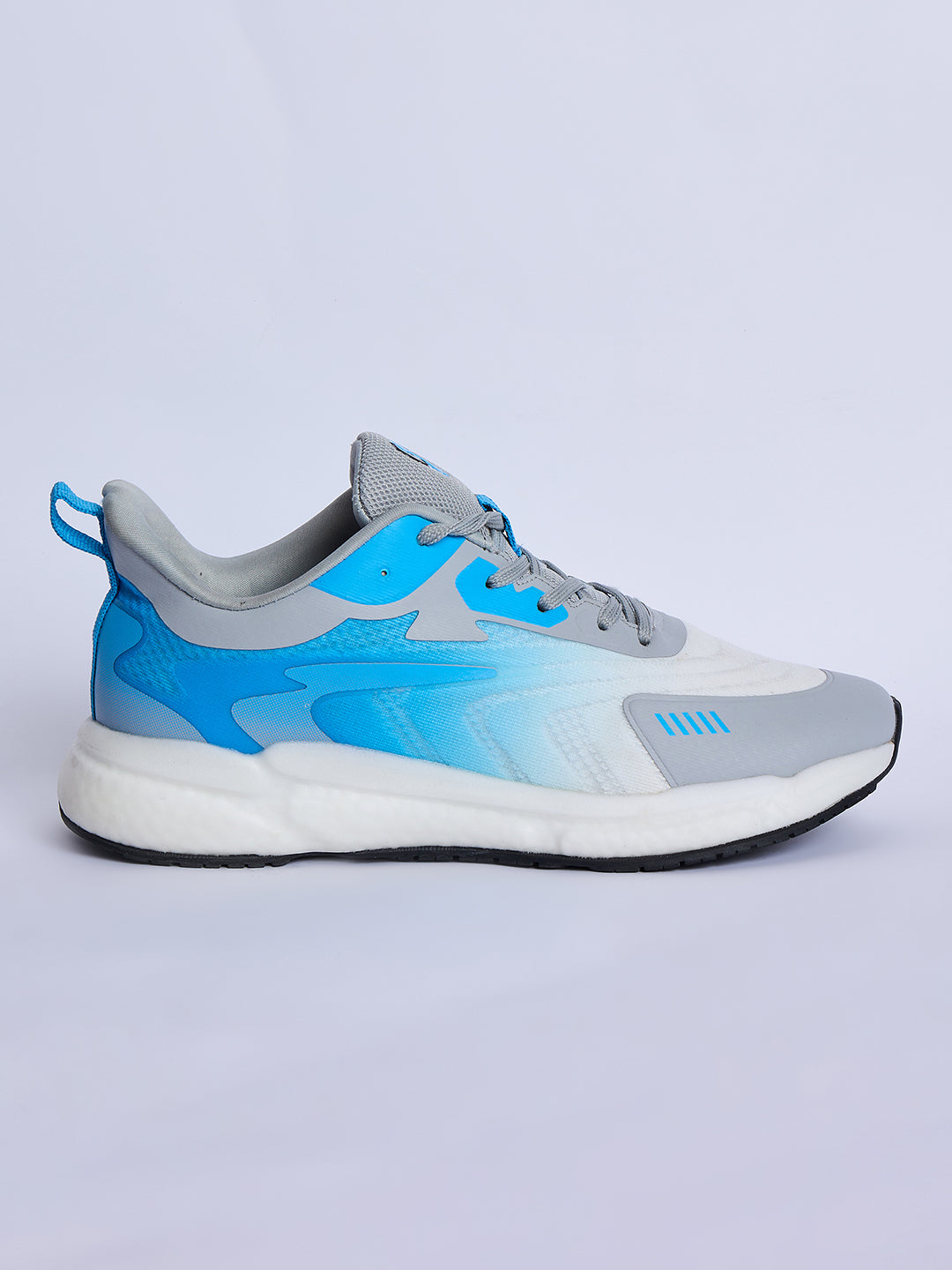
Blue and white running shoes blend style, support, and visibility for daily training.
If you care about performance and clean style, blue and white running shoes deliver both. I test shoes for road miles, track work, and long runs. In this guide, I break down how to pick, fit, and care for blue and white running shoes, with clear steps and real tips you can trust.

Why Blue and White Running Shoes Are Trending
Blue and white look sharp and timeless. The bright white pops in daylight. Blue adds calm and focus. On the road, this combo stands out without shouting. It works with race kits and everyday clothes.
There is more here than style. White areas reflect light for better low-light visibility. Blue tones help hide scuffs better than pure white uppers. Many brands also use blue and white to mark neutral trainers or speed shoes, so choice is wide.
Runners want gear that feels fast and looks clean. Blue and white running shoes hit that sweet spot. I often wear them for travel and city miles, since they cross over from gym to coffee with ease.
Benefits and Limitations
Blue and white running shoes offer a well-rounded package. You get style and function. But every choice has trade-offs.
Benefits:
- Versatile look that pairs with most kits and daily outfits
- High visibility in daylight and dawn light for safer runs
- Clean color blocking that hides sweat marks better than all-white
- Broad model choice across neutral, stability, and speed segments
- Easy to match socks and gear for a pulled-together fit
Limitations:
- White midsoles can yellow over time if not cleaned
- Blue dye may bleed on wet runs if the upper is not colorfast
- Dirt shows fast on white mesh, so care is needed
- Not ideal for muddy trails where dark colors win
If you accept light upkeep, blue and white running shoes give you strong value. They shine on road, track, and treadmill.
How to Choose the Right Pair
Start with your feet and form. The right model is the one that fits your gait and goals. Style is the bonus.
Follow these steps:
- Check your gait. A quick video on a treadmill shows if you pronate or supinate. Pick neutral or stability blue and white running shoes to match.
- Pick your foam feel. Plush foam for easy miles. Responsive foam for tempo days. Superfoam for race day pop.
- Set your stack and drop. Higher stack adds cushion. Lower stack adds ground feel. A mid drop around 6–10 mm works for many runners.
- Mind weight and purpose. Trainers handle daily miles. Tempo shoes feel snappy. Racing models are lighter and cost more.
- Test the upper. Look for breathable mesh that locks the midfoot without hot spots.
- Try real sizes. Aim for a thumb-width of space at the big toe. Check width options if you have wide or narrow feet.
- Lace and jog. Do a short stride in-store or at home. No pinch. No heel slip. No arch bite.
What I learned from testing sets of blue and white running shoes is simple. Match shoe to run. Rotate two pairs to spread wear. Use the snappy one for speed and the cushy one for base miles. Your legs will thank you.
Fit, Sizing, and Comfort Tips
Fit is king. A great shoe with poor fit becomes a bad shoe fast. Take time here.
Aim for a glove-like wrap. Not tight. Not loose. Your toes should splay and wiggle a little in the box. The midfoot should feel secure. The heel should sit firm with no lift on push-off.
Use this quick check:
- Stand tall and squat. Any pinch on the outer toe or bunion zone? Size or width up.
- Jog in place. Heel slip means you need a better lace lock or a snugger heel counter.
- Check socks. Use the socks you run in. Thick socks can change volume inside the shoe.
I often use a runner’s loop for grip at the collar. It stops heel slip without choking the foot. For long runs, I start with normal tension, then retie at mile two after the upper warms up.
Materials, Tech, and Durability
Modern blue and white running shoes pack smart tech. Most midsoles use EVA, PEBA, or TPU blends. EVA feels light and cushy. PEBA foams are very bouncy and used in super shoes. TPU blends balance bounce and long life. Some models add plates for snap and stability.
Uppers use engineered mesh or knit. Look for soft edges and padded tongues for comfort. A gusseted tongue keeps dust out and locks the midfoot. Toe caps add shape and protect from blows.
Outsoles use rubber in high-wear zones. Blown rubber helps grip on wet roads. Carbon rubber lasts longer on heel strike. Durability varies with gait, weight, and surface. Expect 300 to 500 miles for most road models. Rotating pairs helps foam rebound and extends life.
Color can affect care, not performance. Blue panels can hide scuffs. White midsoles show dirt first. As long as the foam and rubber are sound, the color is about looks.

Care, Cleaning, and Color Protection
A little care keeps blue and white running shoes fresh. Skip the washer and dryer. Both can break glue and warp foam.
Clean fast after a dirty run:
- Remove laces and insoles. Brush off dry dirt first.
- Use cool water and mild soap. A soft brush lifts grime from mesh and midsole.
- Dab stains with a melamine sponge on white parts. Be gentle.
- Rinse with a damp cloth. Stuff with paper towels. Air dry away from heat and sun.
Protect the colors:
- Spray a light fabric guard if your upper allows it. Test a small spot first.
- Avoid puddles with heavy dye. Some denim can bleed on white mesh.
- For blue dye bleed risk, pre-wipe the upper with a damp cloth before the first run.
Store shoes in a cool, dry place. Heat breaks down foam. Sun fades fabrics. Keep silica packs in the box to fight odors and moisture.

Style and Outfit Ideas Without Losing Performance
You can look sharp and still run strong. Blue and white running shoes work with many kits.
Try these simple pairs:
- White socks for a clean pro look on the road
- Dark socks for gym days to hide sweat stains
- Navy or gray shorts with a white top for race day pop
- Joggers and a light windbreaker for recovery walks
At night, add reflective laces or a vest. The white panels already help cars see you. For casual wear, keep one pair just for lifestyle. Save your run pair for training to avoid extra wear.

Real-World Testing: What I Learned
I logged speed work on the track, long runs on bike paths, and easy laps in the park in several blue and white running shoes. The bouncy pair made tempo days fun, but felt twitchy on slow jogs. The cushy daily trainer was stable for long runs, yet still held form after mile ten.
Mistakes I made and fixed:
- I once bought by looks only. The fit was off and my toes paid the price. Now I test jog and check toe room every time.
- I ignored dye bleed warnings and stained my white socks on a rainy run. I pre-wipe new uppers now.
- I overused one pair for all runs. Rotating two pairs cut soreness and kept foam fresh.
These small habits saved me money and helped me enjoy my miles more. Blue and white running shoes can do it all when you match the model to the task.

Frequently Asked Questions of blue and white running shoes
Are blue and white running shoes good for daily training?
Yes, they are great for daily miles if the fit and support match your gait. Pick a durable outsole and a cushioned midsole you enjoy.
Will white parts turn yellow over time?
White foam can yellow due to UV and sweat. Clean often and air dry indoors to slow it down.
Do blue uppers bleed color on socks?
Some fabrics can bleed when soaked. Pre-wipe with a damp cloth and avoid long soaks to reduce risk.
How many miles do blue and white running shoes last?
Most road models last 300 to 500 miles. Rotate pairs and track wear on the outsole lugs and midsole feel.
Can I race in blue and white running shoes?
Yes, if you choose a lightweight, responsive model with pop. Superfoam and plate designs help on race day.
What socks work best with blue and white running shoes?
Use moisture-wicking socks with light compression. White pairs look clean, while darker pairs hide stains.
Are they okay for the gym as well?
They work for light gym work and treadmill runs. For heavy lifts, try flatter shoes with less cushion.
How do I stop heel slip in new shoes?
Use a runner’s loop and adjust lace tension around the ankle. If slip stays, consider a half size down or a different heel shape.
Conclusion
Blue and white running shoes bring a clean look, real performance, and safe visibility to your runs. With the right fit, foam, and outsole, they can handle easy days, speed work, and travel, all while looking sharp.
Pick based on gait and purpose, care for the colors, and rotate pairs to extend life. Lace up a set of blue and white running shoes that match your goals, test them on a short jog, and start stacking happy miles. If you found this guide useful, share it with a friend, subscribe for more gear tips, or drop your questions in the comments.