Running Shoes With Ankle Protection: Top Picks for Injury-Free Runs

Running Shoes With Ankle Protection: Complete Guide For Runners
Choosing the right running shoes can change everything about your running experience. If you struggle with ankle pain, past injuries, or want to prevent future problems, running shoes with ankle protection can make a huge difference. These shoes are specially designed to support your ankles, stabilize your stride, and reduce the risk of sprains or twists. Many runners overlook ankle protection, thinking only about cushioning or arch support. But for anyone who values joint health, ankle protection is a must.
This guide will help you understand what makes a shoe protective for ankles, how to choose the best model, and what features matter most. We’ll look at real-world examples, compare top brands, and share tips that even experienced runners sometimes miss.
Whether you’re training for your first 5K or logging miles every week, you’ll find clear advice to help you run safer and smarter.
Why Ankle Protection Matters In Running Shoes
Running is great for fitness, but it puts stress on your ankles. Every step creates impact, and the ankle must keep your foot stable. Without enough support, your ankle can twist, roll, or get tired faster. This leads to injuries like ankle sprains, tendonitis, and even fractures.
Common Ankle Injuries In Runners
- Ankle sprains: Often caused by sudden twists or uneven surfaces.
- Tendonitis: Overuse can inflame the tendons around the ankle.
- Stress fractures: Tiny cracks in the bone from repeated impact.
- Chronic instability: Weak ankles become easier to injure again.
Statistically, around 30% of running injuries affect the foot and ankle, according to the American Academy of Orthopaedic Surgeons. Many injuries come from poor footwear or lack of support.
How Shoes With Ankle Protection Help
Shoes with proper ankle protection offer:
- Stabilization: They limit side-to-side movement, keeping your foot aligned.
- Shock absorption: Reduces stress on the ankle joint.
- Extra padding: Protects sensitive areas from impact.
- Supportive collars: Prevents rolling or twisting.
These features help you run longer, recover faster, and avoid setbacks. Even if you’ve never had ankle trouble, using the right shoes lowers your risk.
Key Features Of Running Shoes With Ankle Protection
Not every running shoe is made for ankle support. Special design elements set protective shoes apart. Here’s what to look for:
1. High Or Semi-high Collar
A high collar wraps around your ankle, giving extra stability. It’s common in trail running shoes or models for injury-prone runners. Some shoes use semi-high collars, which balance support and flexibility.
2. Firm Heel Counter
The heel counter is the stiff part at the back of the shoe. It prevents your heel from moving too much and keeps your ankle in place.
3. Lateral Support Structures
Some shoes add side panels or reinforced materials on the sides. This stops your foot from rolling outwards or inwards.
4. Secure Lacing Systems
Good lacing helps lock your foot and ankle in the shoe. Modern designs use eyelets, webbing, or even BOA systems for a snug fit.
5. Cushioning And Shock Absorption
Extra foam or gel in the midsole reduces impact on the ankle. Shoes with responsive cushioning feel soft but stable.
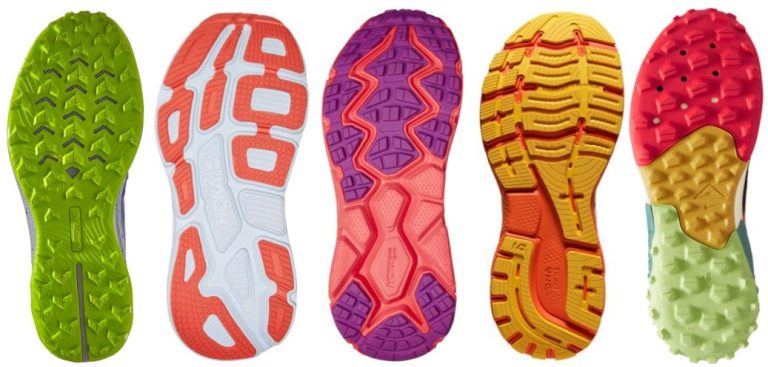
6. Grippy Outsole
A grippy outsole prevents slips, which can cause ankle injuries. Trail shoes often use deep lugs, while road shoes use rubber patterns.
7. Arch And Midfoot Support
Strong arch support keeps your ankle aligned, especially if you overpronate (roll your foot inward). Some shoes add a medial post or stiffer midsole.
8. Lightweight Yet Durable Materials
Heavy shoes can tire your ankles, but lightweight shoes sometimes lack support. Good ankle protection means finding the right balance.
Popular Types Of Running Shoes With Ankle Protection
Different runners need different shoes. Here are the main types, plus when to use them.
Trail Running Shoes
Trail shoes often have higher collars, tough outsoles, and extra side support. They protect against rocks, roots, and uneven surfaces.
Stability Running Shoes
Designed for runners who overpronate, stability shoes use firm materials and medial support to stop the ankle from rolling inward.
Motion Control Shoes
These are for severe overpronators or those with weak ankles. Motion control shoes use multiple layers of support, stiff midsoles, and strong heel counters.
High-top Running Shoes
Rare but growing in popularity, high-top running shoes cover the ankle for maximum support. They’re used by runners with frequent ankle injuries.
Hybrid Shoes
Some brands combine trail and road features for all-around protection.
Comparing Top Brands And Models
To help you choose, here’s a comparison of leading brands that offer running shoes with ankle protection. The table below highlights some popular models and their features.
| Brand | Model | Collar Height | Heel Support | Cushioning | Best For |
|---|---|---|---|---|---|
| ASICS | Gel-Kayano 30 | Semi-high | Firm | Plush | Stability, road running |
| Brooks | Adrenaline GTS 23 | Standard | Strong | Responsive | Support, overpronation |
| Salomon | Speedcross 6 | High | Reinforced | Moderate | Trail, ankle stability |
| New Balance | Fresh Foam X 860 | Semi-high | Firm | Soft | Stability, road/trail |
| Hoka | Stinson ATR 6 | Semi-high | Stiff | Maximal | Ultra distance, trail |
Each model offers its own mix of ankle support and comfort. Some are better for trails, others for roads. Try different brands to find what fits your foot shape and running style.
How To Choose Running Shoes With Ankle Protection
Selecting the right shoe is more than just picking a brand. Here’s a practical process to follow:
1. Identify Your Needs
- Do you run on trails, roads, or mixed surfaces?
- Have you had ankle injuries before?
- Are you a beginner or advanced runner?
- Do you overpronate or supinate?
2. Check Fit And Comfort
- Shoes should feel snug but not tight.
- The heel must not slip.
- Your toes should have room to move.
3. Test Ankle Support
- Walk and jog in the shoe.
- Notice if your ankle feels stable.
- Try side-to-side movements.
4. Look For Key Features
- Collar height: High for maximum support, standard for flexibility.
- Heel counter: Firm and supportive.
- Outsole: Grippy for trails, smoother for roads.
5. Consider Weight
- Heavy shoes protect more but can slow you down.
- Lightweight shoes are faster but may offer less support.
6. Read Reviews And Expert Opinions
Look for feedback from runners with similar needs. Reviews often highlight durability, comfort, and injury prevention.
7. Try Before You Buy
Whenever possible, visit a running store. Test shoes on a treadmill, check fit, and ask staff for advice.
8. Avoid Common Mistakes
- Don’t choose shoes only for looks.
- Avoid models that are too soft or loose.
- Don’t ignore ankle pain after switching shoes.
Real-world Examples And Success Stories
Many runners switch to shoes with ankle protection after injuries. Here are two examples:
Case Study: Trail Runner With Ankle Sprains
A runner who often sprained his ankle on rocky trails tried Salomon Speedcross 6. The high collar and reinforced sides stopped his ankle from rolling. He finished a tough 50K trail race without injury, crediting the shoe for improved stability.
Case Study: Road Runner With Chronic Pain
A marathon runner struggled with ankle pain. After switching to Brooks Adrenaline GTS 23, which has strong heel support and stability features, her pain reduced. She was able to train more consistently and finish races without setbacks.
These stories show the value of the right shoe, especially for those with past injuries.
Credit: davidpressleyschool.com
Comparing Ankle Protection: Running Shoes Vs. Regular Shoes
It’s tempting to use regular sneakers or casual shoes for running, but the difference is clear. Here’s a quick comparison:
| Feature | Running Shoes (Ankle Protection) | Regular Sneakers |
|---|---|---|
| Collar Height | High or semi-high | Low |
| Heel Support | Firm | Soft or minimal |
| Side Stability | Reinforced | Not reinforced |
| Cushioning | Specialized foam/gel | Basic foam |
| Outsole Grip | High traction | Low traction |
| Injury Prevention | High | Low |
Running shoes designed for ankle support are clearly better for runners. Using regular shoes increases your risk of injury.
Practical Tips For Using Shoes With Ankle Protection
Even with the best shoes, how you use them affects your outcome. Here are practical tips:
1. Break In New Shoes Gradually
Start with short runs to allow your feet and ankles to adapt. Avoid long distances in new shoes.
2. Pair With Proper Socks
Use moisture-wicking socks to prevent blisters and improve fit.
3. Replace Shoes Regularly
Running shoes lose support after 300–500 miles. Worn-out shoes can harm your ankles.
4. Listen To Your Body
If you feel new pain or discomfort, check your shoes. Sometimes small changes in fit can cause problems.
5. Combine With Strength Training
Strong ankles are less likely to get injured. Do exercises like heel raises, balance drills, and resistance band workouts.
6. Use Orthotics If Needed
Custom or over-the-counter orthotics can add support, especially if you have flat feet or high arches.
7. Avoid Tight Lacing
Lacing too tightly can restrict ankle movement and cause numbness. Adjust for a snug but comfortable fit.
Non-obvious Insights: What Most Beginners Miss
Even experienced runners sometimes miss these key points:
1. Ankle Support Is Not Just About Height
Many think only high collars help ankles. But heel counters and side stability are just as important. Some low-cut shoes use reinforced sides and heel cups to stabilize ankles.
2. Terrain Matters
Shoes with ankle protection are especially important on uneven surfaces. If you switch between road and trail, use different shoes for each.
3. Injury History Affects Needs
If you’ve injured your ankle before, your needs change. Past injuries make your ankle more vulnerable. You may need motion control shoes or extra orthotics.
4. Ankle Protection Can Improve Performance
Some runners worry that extra support slows them down. In reality, stable ankles help you run faster and longer by preventing fatigue and pain.
5. Shoe Rotation Is Useful
Using two pairs of supportive shoes can help your ankles recover and adapt. Alternate between models for different runs.
Data: Ankle Injuries And Running Shoes
Several studies show the link between shoes and injury rates. According to a 2021 study in the Journal of Sports Medicine, runners using stability shoes had 40% fewer ankle injuries compared to those using neutral shoes. Another report found that using shoes with high collars reduced sprains by 60% in trail runners.
These numbers highlight the importance of choosing the right footwear.

Credit: www.brooksrunning.com
Top Mistakes When Buying Running Shoes With Ankle Protection
Avoid these mistakes to make the best choice:
- Ignoring fit: The right size is crucial. Shoes too big or small harm your ankles.
- Focusing only on price: Cheap shoes often lack good support.
- Choosing based on color or style: Looks don’t equal protection.
- Skipping expert advice: Running stores offer fitting help and recommendations.
- Not considering terrain: Road shoes are different from trail shoes.
- Buying online without trying: Fit can vary by brand and model.
Brands And Technologies To Watch
Some brands are leaders in ankle protection. Here are a few technologies to know:
- ASICS DuoMax Support: Extra foam in the midsole for side support.
- Brooks GuideRails: Limits excess movement and keeps ankles stable.
- Salomon SensiFit: Wraps the foot for secure fit.
- Hoka J-Frame: Adds support without extra weight.
Each brand uses unique features, so check their technology pages for details.
When To Upgrade Your Running Shoes
Knowing when to get new shoes is key for ankle health. Signs you need new shoes:
- The outsole is worn and slippery.
- The heel feels loose or unstable.
- You notice new pain after running.
- The shoe’s support feels soft or broken down.
Most runners need new shoes every 6–12 months, depending on mileage.
How To Test Ankle Support In Shoes
If you’re unsure about a shoe’s support, try these tests:
- Twist Test: Hold the shoe and twist it side-to-side. It should resist bending.
- Heel Hold Test: Put the shoe on and try to move your heel. If it slips, support is weak.
- Collar Flex Test: Gently bend the collar. It should be firm, not floppy.
These tests can be done in-store or at home.
Are High-top Running Shoes Right For You?
High-top running shoes are rare, but they offer maximum ankle support. They’re best for:
- Runners with frequent ankle injuries.
- Those with chronic instability.
- People running on rough terrain.
Downsides include less flexibility and heavier weight. Try high-top shoes if you need extra protection.
The Role Of Orthotics With Ankle-protective Shoes
Orthotics can add support, but not all shoes are compatible. If you use orthotics:
- Choose shoes with removable insoles.
- Make sure the shoe’s collar doesn’t push against the orthotic.
- Test fit before buying.
Orthotics are most helpful for runners with flat feet, high arches, or past injuries.

Credit: runtothefinish.com
How Running Shoes With Ankle Protection Affect Performance
Stable ankles help you:
- Run longer without fatigue.
- Recover faster after runs.
- Maintain proper form.
- Avoid missed training due to injury.
Elite runners often use stability shoes, especially after injury. The right shoe boosts confidence and helps you push harder.
Future Trends In Running Shoes With Ankle Protection
Technology is improving fast. Brands are working on:
- Smart shoes: Sensors to monitor ankle movement.
- Custom-fit collars: 3D printing for perfect support.
- Eco-friendly materials: Sustainable foams and fabrics.
- Advanced grip: New rubber blends for better traction.
Expect more choices and better designs in the coming years.
Where To Learn More
For detailed research and injury statistics, visit Runner’s World. This site offers expert advice, gear reviews, and injury prevention tips.
Frequently Asked Questions
What Is The Best Running Shoe For Ankle Protection?
The best shoe depends on your running style and injury history. Popular models include ASICS Gel-Kayano 30, Brooks Adrenaline GTS 23, and Salomon Speedcross 6. Try different shoes and test ankle support before buying.
Are High-top Running Shoes Better For Ankle Stability?
High-top shoes offer more support, especially for runners with past ankle injuries or those running on rough terrain. However, they may feel heavier and less flexible. For most runners, semi-high collars or stability shoes are enough.
Can Running Shoes Prevent All Ankle Injuries?
No shoe can guarantee zero injuries. But shoes with ankle protection reduce risk by stabilizing your foot, absorbing shock, and preventing rolling. Combine with strength training and proper form for best results.
How Often Should I Replace Running Shoes With Ankle Support?
Replace shoes every 300–500 miles or when you notice reduced support, heel slipping, or new pain. Worn-out shoes lose their protective features and increase injury risk.
Should I Use Orthotics With Ankle-protective Running Shoes?
Orthotics can help if you have specific foot issues, like flat feet or high arches. Make sure the shoes have removable insoles and enough space for orthotics. Test fit and comfort before buying.
Running shoes with ankle protection are a smart investment for anyone who values joint health and injury prevention. With the right fit, features, and care, you’ll run safer, longer, and with greater confidence. Don’t wait for injury to make a change—start now and give your ankles the support they deserve.