Heel to Toe Drop Running Shoes: Find Your Perfect Fit

Running shoes are not all the same. One detail makes a big difference in how you run, how you feel, and even your risk of injury. That detail is the heel to toe drop. You may have seen this term on shoe boxes, website descriptions, or heard runners talk about “zero drop” shoes. But what does heel to toe drop really mean? Why does it matter for runners of all levels?
If you want to choose the right running shoes, understanding heel to toe drop is essential. It affects your comfort, running style, and performance. But many runners—even experienced ones—don’t fully understand how it works. This guide will help you get clear answers, avoid common mistakes, and find the best heel to toe drop for your needs.
What Is Heel To Toe Drop?
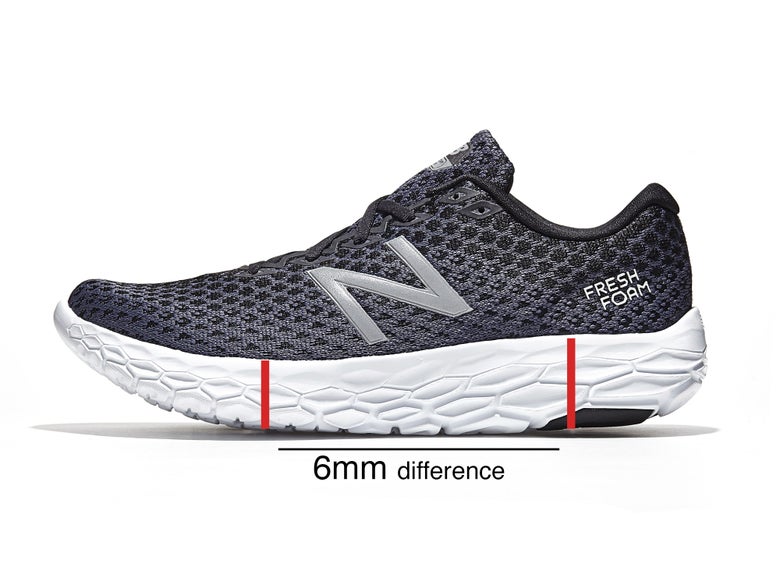
Heel to toe drop (often just called “drop”) is the difference in height between the heel and the forefoot of a running shoe. For example, if the heel is 30mm high and the forefoot is 20mm, the shoe has a 10mm drop.
The drop is measured in millimeters. You’ll often see numbers like 0mm, 4mm, 8mm, or even higher. The higher the number, the more the heel sits above the forefoot.
Why does this matter? Because it changes how your foot lands on the ground. A higher drop makes you more likely to land on your heel. A lower drop puts your foot in a flatter position, encouraging a midfoot or forefoot strike.
Key Terms Explained
- Zero drop: No difference in height between heel and forefoot (0mm drop).
- Low drop: Usually 1-4mm difference.
- Moderate drop: 5-8mm difference.
- High drop: 9mm or more.
Why Does Heel To Toe Drop Matter?
The drop of your running shoe affects your running mechanics, muscle use, and even your risk of certain injuries. Here’s how:
Foot Strike Pattern
- High drop shoes often encourage heel striking. This means your heel hits the ground first.
- Low or zero drop shoes encourage midfoot or forefoot striking. The middle or front of your foot hits the ground first.
Muscle And Joint Stress
- High drop shifts some stress to your knees and hips.
- Low drop puts more stress on your ankles and calves.
Injury Risk
Changing your drop can change your injury risk. For example, switching suddenly from high drop to zero drop shoes can lead to calf pain or Achilles tendon problems. But staying with a high drop shoe may make you more likely to have knee pain.

Credit: www.celutionseducation.com
The Science Behind Heel To Toe Drop
Research has looked at how drop changes your running form, muscle use, and injury risk. Here are a few key findings:
- A 2016 study in the Journal of Science and Medicine in Sport found that lower drop shoes increase ankle and calf muscle work**, especially in runners who switch from high drop shoes.
- Another study in Sports Medicine (2018) showed that heel striking is more common in high drop shoes, while midfoot and forefoot strikes are more common in low or zero drop shoes.
- There’s no strong proof that any one drop prevents all injuries. But, sudden changes in drop can increase your risk of injury.
These findings show that the best drop depends on your running style, body type, and injury history—not just trends.
Types Of Heel To Toe Drop: A Closer Look
Let’s break down the most common categories of heel to toe drop you’ll find in running shoes.
| Drop (mm) | Type | Foot Strike | Common Use |
|---|---|---|---|
| 0 mm | Zero Drop | Forefoot/Midfoot | Minimalist, natural running |
| 1-4 mm | Low Drop | Midfoot/Forefoot | Speedwork, racing, some daily trainers |
| 5-8 mm | Moderate Drop | Heel/Midfoot | Daily trainers, all-around use |
| 9-13 mm | High Drop | Heel Strike | Beginners, comfort-focused shoes |
How To Choose The Right Heel To Toe Drop For You
Picking the right drop is personal. It depends on your body, running style, goals, and injury history. Here’s how you can find your best match:
1. Know Your Current Shoes
First, check the drop of your current shoes. Most brands list this on their website or box. If you like your shoes and don’t have injuries, consider staying with a similar drop.
2. Consider Your Foot Strike
- If you are a natural heel striker, you may prefer a moderate to high drop.
- If you land more on your midfoot or forefoot, a low or zero drop may feel better.
3. Check Your Flexibility And Strength
Runners with tight calves or Achilles problems may struggle with low drop shoes. If your calves are strong and flexible, a lower drop could work well.
4. Think About Injuries
- History of Achilles or calf injuries? Stick with a higher drop.
- History of knee pain? A lower drop may help reduce knee stress.
5. Match To Your Running Goals
- Speedwork or racing: Many racers prefer low drop for a quicker, more responsive feel.
- Long runs or easy miles: Moderate to high drop can offer more comfort for some runners.
6. Try Before You Buy
Always try on shoes with different drops, if possible. Walk and jog in them. Notice how your body feels.
7. Change Slowly
If you want to switch to a different drop, do it gradually. Sudden changes can cause injury.
Popular Running Shoes By Heel To Toe Drop
Here are some well-known running shoes organized by their drop:
| Shoe Model | Brand | Drop (mm) | Type |
|---|---|---|---|
| Escalante | Altra | 0 | Zero Drop |
| Kinvara | Saucony | 4 | Low Drop |
| Clifton | Hoka | 5 | Moderate Drop |
| Gel-Nimbus | ASICS | 10 | High Drop |
| Ghost | Brooks | 12 | High Drop |
Pros And Cons Of Different Heel To Toe Drops
Every drop has strengths and weaknesses. Here’s what you should know:
Zero Drop (0mm)
Pros:
- Encourages natural foot strike
- May strengthen foot and lower leg muscles
- Often feels “barefoot-like”
Cons:
- Not much cushion for beginners
- Can strain calves and Achilles if you switch too fast
- Takes time to adapt
Low Drop (1-4mm)
Pros:
- Good for midfoot/forefoot strikers
- Often lighter and more flexible
- Popular for racing and speedwork
Cons:
- Still requires calf strength
- Not always comfortable for heel strikers
Moderate Drop (5-8mm)
Pros:
- Balances comfort and natural feel
- Works for most runners
- Easier transition from high to low drop
Cons:
- Not as “barefoot” as zero drop
- May not be enough support for some heel strikers
High Drop (9mm+)
Pros:
- Lots of heel cushion
- Good for heel strikers and beginners
- Easier on stiff calves and Achilles
Cons:
- Encourages heel striking
- Can increase knee stress
- Less ground feel
Common Myths And Misunderstandings
There’s a lot of confusion about heel to toe drop. Let’s clear up some common myths:
“lower Drop Is Always Better”
Not true. Lower drop is popular, but it’s not the best for everyone. Some runners do better with more heel support.
“high Drop Shoes Are Old-fashioned”
Many top marathon runners wear high drop shoes. It’s about what works for your body, not just trends.
“zero Drop Means No Cushion”
Zero drop is about the heel and forefoot being level, not about how soft or firm the shoe is. Some zero drop shoes have thick cushion.
“you Should Switch Drops Quickly”
Switching too fast is a common beginner mistake. It’s better to change slowly and let your body adapt.
Credit: www.runningwarehouse.com
How Heel To Toe Drop Affects Running Form
Changing your shoe’s drop can change your running style. Here’s what usually happens:
- Higher drop: More likely to land on your heel, longer stride, less ankle motion.
- Lower drop: Shorter stride, more ankle movement, midfoot or forefoot strike.
But form is complicated. Drop is only one part. Other things matter too: cushion, shoe weight, your body, and your training.
Transitioning To A Different Heel To Toe Drop
Want to try a new drop? Here’s how to switch safely:
1. Go Slowly
Move to a lower drop shoe in small steps. Try a shoe with a few millimeters less drop first.
2. Short, Easy Runs
Use the new shoes for short runs at first. Gradually increase distance as your body adapts.
3. Watch For Pain
Tightness in calves or Achilles is common at first. If you feel sharp pain, stop and rest. Don’t push through injuries.
4. Stretch And Strengthen
Work on calf and ankle flexibility. Strengthening these muscles helps prevent problems.
5. Rotate Your Shoes
Use both old and new shoes for a while. This lets your body adjust slowly.
Example Transition Plan
- Weeks 1-2: Run 1-2 miles in the new drop shoes, 1-2 times per week.
- Weeks 3-4: Increase to 3-4 miles, but keep most runs in your old shoes.
- Weeks 5-6: Use new shoes for half your weekly mileage.
- Weeks 7+: Run mostly in new shoes, if you feel good.
Most runners need at least 6-8 weeks to adjust. Some may need longer.
Special Considerations For Different Runners
Not everyone needs the same drop. Here’s what matters for certain groups:
Beginners
If you’re new to running, a moderate or high drop (8-12mm) is usually safest. These shoes are more forgiving and reduce calf and Achilles stress.
Older Runners
Older runners often have less ankle flexibility and more risk of injuries. A moderate to high drop can help protect the joints.
Trail Runners
Trail shoes come in all drops. Zero drop gives a natural feel, but higher drop can help on steep hills and rough terrain.
Runners With Flat Feet Or High Arches
- Flat feet: May do better with moderate or high drop for more support.
- High arches: Can often use lower drop, but comfort matters most.
Runners Returning From Injury
If you’re coming back from a calf, Achilles, or plantar fascia injury, a higher drop may make the transition safer.
Heel To Toe Drop Vs. Cushion: What’s The Difference?
Many people confuse drop with cushion, but they are not the same.
- Drop: The height difference between heel and forefoot.
- Cushion: The softness or thickness of the sole under your foot.
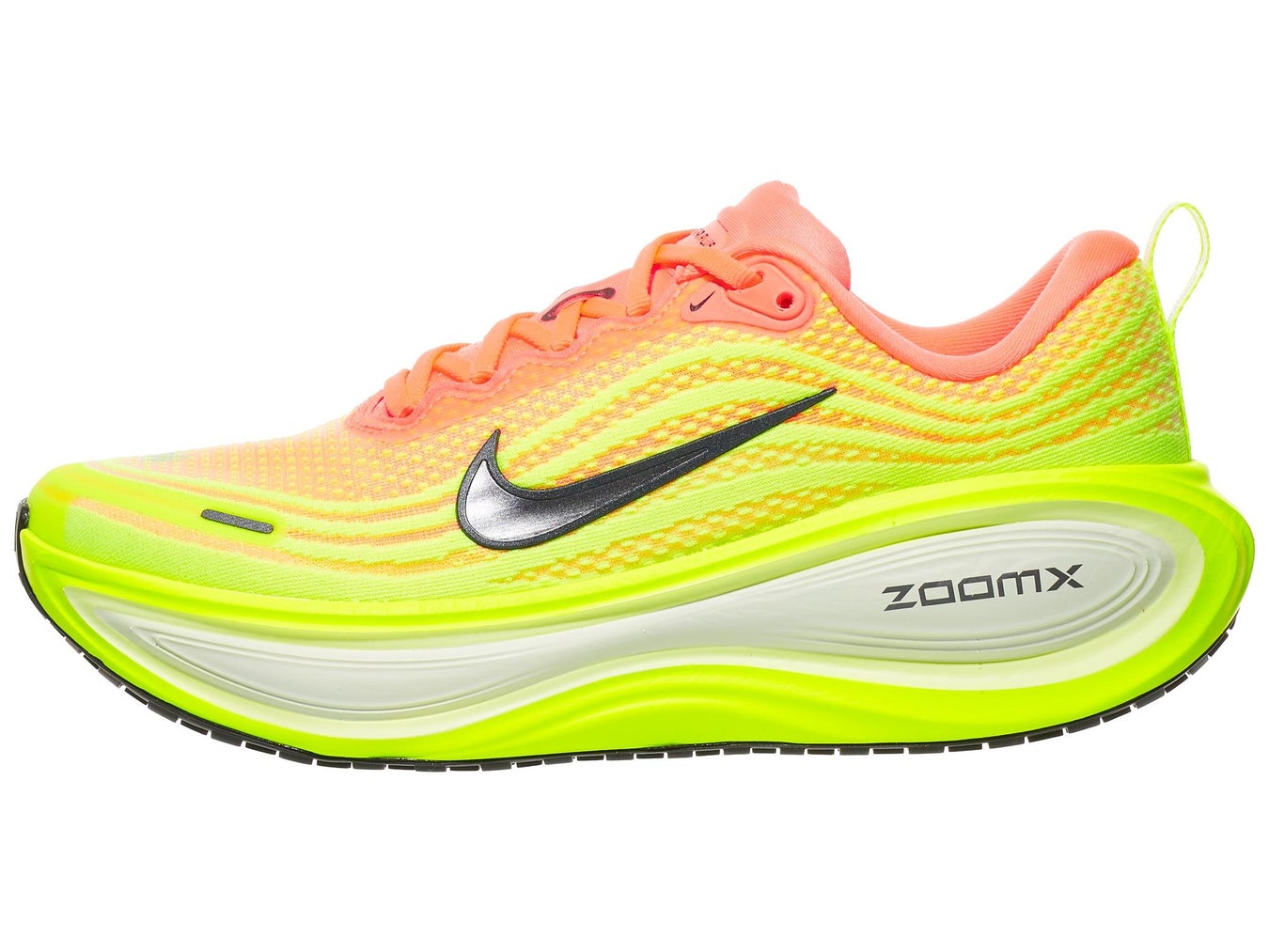
You can have a highly cushioned zero drop shoe (like Altra Paradigm) or a firm, low cushion high drop shoe. Think of drop as the slope, and cushion as the softness.
| Shoe Type | Drop (mm) | Cushion | Example |
|---|---|---|---|
| Max Cushion Zero Drop | 0 | High | Altra Paradigm |
| Low Cushion High Drop | 12 | Low | Asics DS Trainer |
| Max Cushion High Drop | 10 | High | Brooks Glycerin |
| Low Cushion Zero Drop | 0 | Low | Merrell Vapor Glove |
Credit: www.runningwarehouse.com
Real-world Examples And Stories
Let’s look at two runners who changed their heel to toe drop, and what happened.
Sarah: From High Drop To Zero Drop
Sarah ran in 12mm drop shoes for years. She had knee pain, so she tried zero drop shoes. At first, her calves were sore, but she switched gradually—over three months. Her knee pain improved, but she needed time to adjust.
Lesson: A slow transition helped Sarah. She also did calf stretches and strength exercises.
Mike: Low Drop, Then Injury
Mike switched from an 8mm shoe to a 2mm drop shoe in one week. He felt great at first, but after two weeks got Achilles pain and had to stop running.
Lesson: Too-fast changes can lead to injury, even for fit runners.
These stories show that patience and listening to your body are key when changing drops.
How To Measure Heel To Toe Drop Yourself
Most brands list their shoe’s drop, but you can measure it at home if needed. Here’s how:
- Place the shoe on a flat, hard surface.
- Use a ruler to measure from the floor to the highest point under the heel.
- Do the same at the forefoot, under the ball of your foot.
- Subtract the forefoot measurement from the heel measurement.
The number you get is the shoe’s heel to toe drop.
Tip: Shoe drop can change as the shoe wears out. Older shoes may lose heel height.
Key Mistakes To Avoid
Many runners make simple mistakes when it comes to heel to toe drop. Avoid these for better results:
- Switching drops too quickly: Always take time to adapt.
- Ignoring your body’s signals: Pain is a warning. Listen to it.
- Choosing a drop just because it’s trendy: What works for others may not work for you.
- Confusing drop with cushion: Know the difference and choose what feels best for you.
Heel To Toe Drop And Running Economy
Running economy is how efficiently you use energy at a given pace. Some studies show that lower drop shoes may help some runners use less energy, especially if they are midfoot or forefoot strikers. But for heel strikers, a higher drop might feel more efficient.
The truth is, the effect of drop on running economy is small for most people. Comfort and fit are often more important.
What The Experts Say
Many running coaches and sports doctors agree:
- There is no single “best” drop for everyone.
- Runners should pick shoes that feel comfortable and work with their natural running form.
- If you want to change drop, do it slowly and watch for signs of trouble.
For more details on the science of running shoes, you can visit the Wikipedia entry on heel-to-toe drop.
Frequently Asked Questions
What Is Heel To Toe Drop In Running Shoes?
Heel to toe drop is the height difference between the heel and the forefoot of a running shoe. It’s measured in millimeters. A higher drop means the heel is higher off the ground compared to the forefoot.
Is A Lower Heel To Toe Drop Better For Everyone?
No, a lower drop is not better for all runners. It works well for some, especially midfoot or forefoot strikers, but others need more heel support. The best drop depends on your body, running style, and injury history.
How Do I Know Which Heel To Toe Drop Is Right For Me?
Start with what you use now. If you’re injury-free and comfortable, stay with a similar drop. If you want to try a new drop, make the change slowly and watch how your body feels.
Can Switching To A Zero Drop Shoe Help Prevent Injuries?
Zero drop shoes may help some runners avoid knee pain, but they can increase stress on the calves and Achilles. They are not a guarantee against injury. Transition carefully and listen to your body.
What’s The Difference Between Drop And Cushioning?
Drop is the slope from heel to toe. Cushioning is how much shock-absorbing material is under your foot. You can have thick or thin cushion with any drop level.
Heel to toe drop may seem like a small detail, but it shapes your running experience. The right drop can help you run comfortably, avoid injuries, and maybe even get faster. The wrong drop, or switching too quickly, can cause problems.
There’s no “one size fits all” answer. Focus on what feels best for your body, make changes slowly, and use the knowledge in this guide to make smart choices. With the right approach, your running shoes can help you enjoy miles of happy, healthy running.