What Running Shoes Should I Buy Quiz: Find Your Fit

Use a targeted running shoe quiz to match your gait, terrain, and goals quickly.
If you’ve ever felt lost staring at a wall of sneakers, you’re not alone. I’ve fit thousands of runners and built a clear, practical what running shoes should i buy quiz that blends biomechanics, training needs, and comfort. This guide turns confusion into confidence so you can lock in the right pair, skip injuries, and enjoy every mile.
(487).jpg)
Why a quiz beats guessing at the wall of shoes
Picking running shoes is not about hype. It is about fit, function, and your training plan. A smart what running shoes should i buy quiz narrows choices fast and avoids trial-and-error that wastes money.
Here is why a quiz works so well:
- It links your gait and arch to the right support level.
- It matches surface, distance, and pace to foam, drop, and grip.
- It accounts for your history, like shin pain or plantar fasciitis.
- It helps you choose between neutral, stability, or trail options with less guesswork.
In the shop, I watched runners go from sore and frustrated to smooth and happy once we aligned shoe type to how they actually move. The same logic sits behind this what running shoes should i buy quiz.

Take the what running shoes should i buy quiz
Use this quick, step-by-step flow. Jot your answers. At the end, you will have a clear category and top picks.
- Choose your main surface
- Road or treadmill: Think road trainers and racers.
- Mixed road and light gravel: Choose road-to-trail or hybrid outsole.
- Trails with rocks, roots, or mud: Trail shoes with lugs and rock plates.
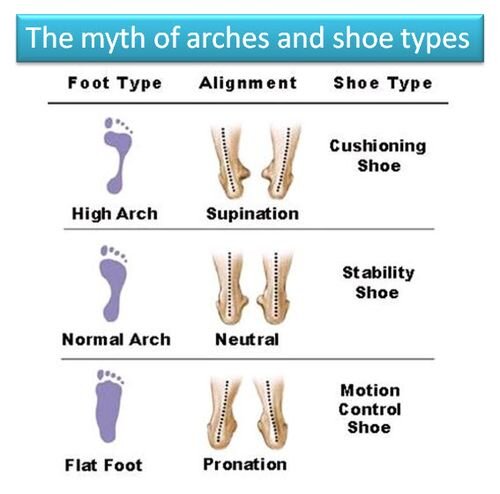
- Check your gait and arch
- Neutral or slight supination, medium/high arch: Neutral cushion or responsive trainers.
- Mild to moderate overpronation, low/flat arch: Stability shoes with guide rails or medial support.
- Severe overpronation or past knee/ankle issues: Motion-control or max stability.
- Pick your main purpose
- Daily easy miles and long runs: Daily trainer or max cushion.
- Tempo days and intervals: Lightweight, responsive tempo shoe.
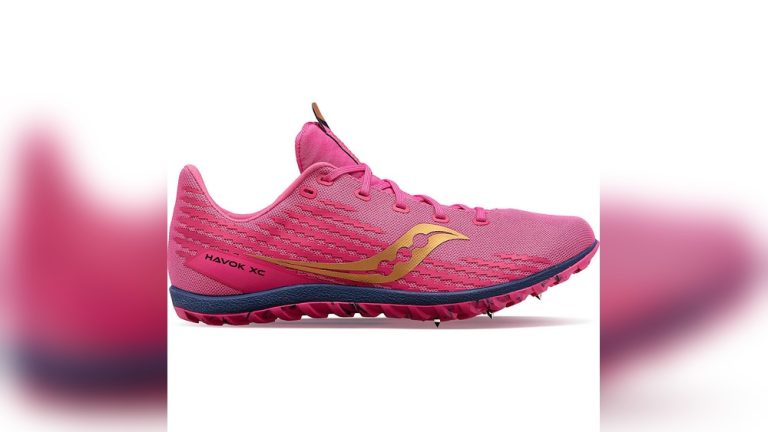
- Race day 5K to marathon: Carbon-plated super shoe.
- Hiking, technical terrain, or wet routes: Trail all-rounder or technical trail.
- Choose your feel
- Soft and plush: High-stack cushion, softer foams.
- Balanced and smooth: Moderate cushion with mild rocker.
- Firm and snappy: Lower stack, responsive foams or plates.
- Select your drop comfort
- Low drop 0–4 mm: Natural ride, midfoot strike friendly.
- Mid drop 5–8 mm: Balanced, most feet adapt well.
- Higher drop 9–12 mm: Helpful for heel strikers and tight calves.
- Note fit needs
- Narrow or race fit: Sleeker uppers.
- Standard fit: Regular widths work.
- Wide or high-volume: Look for wide sizes and roomy toe boxes.
- Consider your weekly miles
- Under 10 miles: One versatile daily trainer.
- 10–30 miles: Daily trainer plus a tempo or trail shoe if needed.
- 30+ miles: Rotation with recovery cushion, tempo shoe, and race or trail specific.
Your result by category
- Neutral daily trainer: You run on road, have neutral gait, want balanced cushion.
- Stability trainer: You overpronate and prefer guidance without stiffness.
- Motion control: You need strong support for flat arches or recurring issues.
- Max cushion recovery: You want soft landings for easy, long miles.
- Tempo/speed trainer: You want pop for workouts without a race plate.
- Carbon racer: You chase PRs and plan structured races.
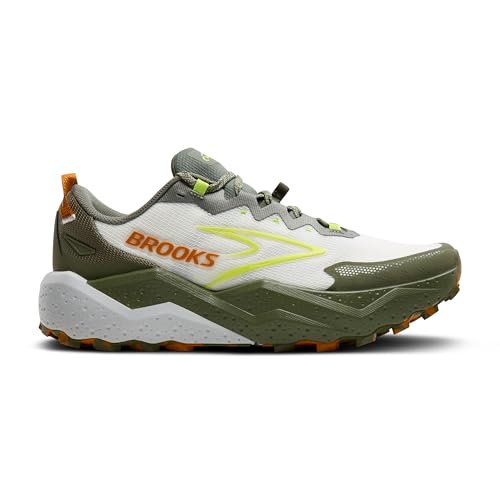
- Trail all-rounder: You need grip, rock protection, and stable footing.
- Road-to-trail hybrid: You split time between asphalt and dirt.
- Natural/zero-drop: You want foot strength and ground feel with a roomy toe box.
How to use your score
- If you matched two categories, prioritize surface first, then gait, then purpose.
- If you are unsure between neutral or stability, start with light stability. Modern designs guide without forcing.
This what running shoes should i buy quiz is built to reduce bias. It weighs surface and gait more than brand or trends, so your choice fits your body and your runs.
Understand your feet and gait
Foot shape and gait matter as much as size. A few five-minute checks can save you months of aches.
At-home checks
- Wet test: Step on cardboard. A full imprint often means low arch; a thin band suggests high arch.
- Phone video: Record from behind on a treadmill. If ankles roll inward a lot, you likely overpronate.
- Single-leg balance: Wobbly hips or knees hint that you may like mild guidance.
Shop-floor tips I use
- If you feel your big toe push inward or your arch collapses mid-stance, try stability.
- If your outer shin aches and you wear out outside edges, you may supinate; look for stable neutral shoes with some lateral support.
- If calf strain shows up often, a mid or higher drop may help.
The what running shoes should i buy quiz bakes these checks into simple choices, so you do not need lab gear to get a good match.

Match shoes to terrain and distance
Surface changes everything. Foam and grip need to match the ground.
Road or treadmill
- Smooth rubber with durable foam and a stable platform.
- For marathons or long easy days, higher stacks feel kind to joints.
Trail and technical paths
- Lugs for grip, a rock plate for sharp stones, and secure uppers.
- Wet climates benefit from sticky rubber and faster-draining mesh.
Mixed routes
- Hybrids have mild lugs that work on pavement and dirt.
- A little extra durability in the outsole saves you money.
Distance and pace
- Short fast runs like 5Ks: Lighter, snappier shoes boost turnover.
- Long runs: Stable, cushioned platforms protect you when form fades.
The what running shoes should i buy quiz funnels you to the right outsole and stack so you get grip and comfort where you need them.

Cushioning, stability, and plate tech made simple
Today’s foams and plates are strong tools if you pick them for the right job.
Foams and feel
- EVA blends: Reliable and balanced. Great for daily miles.
- Supercritical and PEBA: Lighter, bouncier, often used in speed shoes and racers.
- Stack height and rocker: More stack plus a rocker can reduce loading and help smooth transitions.
Stability systems
- Guide rails and sidewalls: Gentle guidance without hard posts.
- Medial posting: Denser foam on the inner edge for stronger control.
- Wider bases: Natural stability from geometry alone.
Plates
- Nylon or composite plates: Pop for workouts, more forgiving than carbon.
- Carbon plates: Best for race pace with efficient form. Not needed for every run.
Limitations and notes
- Max stack is comfy, but can feel wobbly on tight turns.
- High control shoes can feel firm. Comfort should still rule.
- Plates shine at faster paces; for easy days, they may feel stiff.
I keep the what running shoes should i buy quiz plate-neutral unless you plan speed days or races. Then it nudges you to the right tool.

Fit and sizing made easy
Comfort beats everything. A great shoe that rubs is not a great shoe.
Your fit checklist
- Thumb-width at the front when standing.
- Snug heel, midfoot lock, free toes.
- Try with your running socks, later in the day when feet swell.
Width and volume
- If pinky toes feel pinched, try wide or a brand with a roomy toe box.
- High arches may like more volume and softer tongues to relieve pressure.
Lacing tweaks
- Runner’s loop locks heels down.
- Skip-eyelet lacing eases pressure on the top of the foot.
Return windows matter. Many brands allow short run tests. The what running shoes should i buy quiz points you to a fit profile, but your foot’s comfort has the final vote.
Budget, durability, and rotation strategies
You do not need the most expensive shoe to run well.
Price tiers
- Entry, $80–$110: Solid basics for new runners or gym use.
- Mid, $120–$150: Most daily trainers sit here with balanced foam and rubber.
- Premium, $160–$250+: Super foams, plates, or specialized trail tech.
Durability
- Road trainers: About 300–500 miles depending on your gait and surface.
- Trail shoes: Lugs and uppers may wear sooner on pavement.
Smart rotations
- One-shoe setup: A durable daily trainer.
- Two-shoe setup: Daily trainer plus tempo shoe or trail shoe.
- Three-shoe setup: Add a recovery max-cushion or a race-day option.
When I tracked cost per mile, a mid-price daily trainer often won. The what running shoes should i buy quiz will suggest a rotation only if your weekly miles justify it.

Shoe picks by result category
Here are proven models I’ve tested or fitted often. Always try before you buy; updates happen yearly.
Neutral daily trainers
- Asics Gel-Nimbus 26
- Brooks Ghost 16
- Nike Pegasus 41
- New Balance Fresh Foam X 1080 v13
- Saucony Ride 17
- Hoka Clifton 9
Stability trainers
- Asics Gel-Kayano 31
- Brooks Adrenaline GTS 23
- Saucony Guide 17
- Hoka Arahi 7
- New Balance 860 v13
Motion-control and max support
- Brooks Beast/Ariel
- Asics GT-4000 series
- New Balance 1540 v3
Max cushion and recovery
- Hoka Bondi 8
- Asics Superblast
- New Balance More v4
Tempo and speed trainers
- Saucony Endorphin Speed 4
- Nike ZoomX Streakfly
- New Balance FuelCell Rebel v4
- Adidas Adizero Boston 12
Carbon-plated racers
- Saucony Endorphin Pro 4
- Nike Vaporfly 3
- Adidas Adizero Adios Pro 3
- Asics Metaspeed Sky+
Trail all-rounders
- Hoka Speedgoat 5
- Saucony Peregrine 14
- Brooks Cascadia 17
- Salomon Sense Ride 5
- Nike Pegasus Trail 4
Road-to-trail hybrids
- Hoka Challenger ATR 7
- Saucony Xodus Ultra 2
- Brooks Divide 4
Natural and zero-drop
- Altra Torin 7
- Altra Escalante 3
Use this list with the what running shoes should i buy quiz results to build your short list. Your foot shape and local terrain should break any ties.

Frequently Asked Questions of what running shoes should i buy quiz
How accurate is a quiz compared to a gait analysis?
A good quiz gets you 80–90% of the way there by sorting surface, gait, and purpose. In-store video adds nuance, but the quiz is a strong first pass you can refine with a try-on.
Do I need a stability shoe if I overpronate?
Not always. Mild overpronation often does well in stable-neutral shoes; stronger overpronation may need guidance. Comfort and how your knees and arches feel after runs should decide.
How often should I replace my running shoes?
Most shoes last 300–500 miles, depending on your gait and surface. Retire them sooner if the midsole feels flat, your joints ache more, or tread is bald.
Are carbon-plated shoes okay for daily training?
They are best for faster paces and race prep. For easy miles, a daily trainer is usually more comfortable and durable.
What if my quiz result and comfort do not match?
Trust your feet. Use the result as a starting point, then adjust support level or fit. Comfort during and after a run is your best signal.
Can one shoe handle both road and trail?
Yes, a road-to-trail hybrid works for mild dirt and pavement. For technical trails or mud, use a true trail shoe with deeper lugs and protection.
How do I choose the right drop?
If your calves are tight or you heel strike, try mid to higher drop. If you like a natural feel and midfoot strike, a lower drop can work.
Conclusion
Great shoes feel invisible. Use the steps in this guide and the what running shoes should i buy quiz to match your gait, surface, and goals, then confirm with a quick try-on and a short run. Start with one solid daily trainer, add a tempo or trail shoe if your plan calls for it, and keep comfort as your north star.
Ready to find your best pair? Take the quiz, pick two finalists, and test them on a short, easy run. Share your results or questions in the comments, and subscribe for fresh shoe updates and training tips.