Black And Gold Running Shoes: Top Picks & Style Guide 2026

Black and gold running shoes fuse standout style with stable, fast, everyday performance.
If you want shoes that turn heads and run hard, black and gold running shoes deliver. I test shoes for feel, fit, and long wear in real runs. This guide breaks down style, tech, fit, and value in clear steps. You will learn how to pick the right black and gold running shoes for your miles, your budget, and your goals.

Why black and gold running shoes stand out
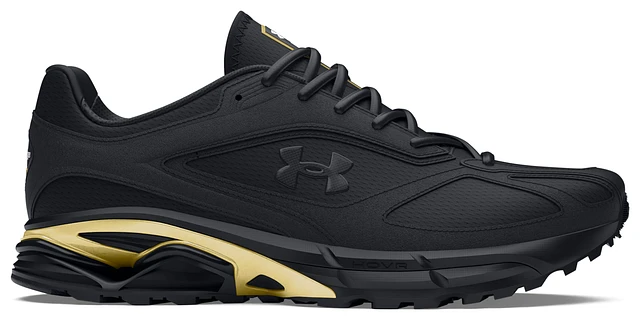
Black and gold running shoes look clean, sharp, and fast. Black hides scuffs and dirt. Gold adds pop and a premium touch. This combo works with most outfits and still feels special.
There is a small safety plus too. Gold accents reflect light at dawn and dusk. The look can give you a mental lift on hard days. When you feel sharp, you often run sharp.
Brands use this colorway in racers and daily trainers. That means you can find it across many stacks, drops, and foams. The key is to match the shoe to your run, not just the color.

Performance features that matter
Black and gold running shoes are about more than looks. Check the build. Small details change how a shoe runs and feels.
Key features to compare:
- Midsole foam: Supercritical foams feel light and springy. EVA blends feel steady and last well.
- Stack height: More stack adds cushion and protection. Less stack adds feel and control.
- Heel-to-toe drop: 4–6 mm can suit midfoot strikers. 8–12 mm can ease calf load for heel strikers.
- Plate tech: Nylon or carbon plates add snap for speed. They can feel firm at easy paces.
- Outsole rubber: High-wear zones under the heel and forefoot should have durable rubber.
- Upper build: Engineered mesh breathes well. Knit can hug the foot but run warm.
- Fit aids: Heel counter, gusseted tongue, and midfoot straps can boost lockdown.
Tip: Try a quick A/B test on a treadmill. Jog one minute. Then do three 20-second strides. You will feel differences fast.
Fit, sizing, and gait
Fit beats color, always. Black and gold running shoes should match your foot and gait.
Simple fit steps:
- Measure both feet at day’s end. Feet swell, and so will your size.
- Aim for a thumb’s width in front of your longest toe.
- Check width options if you feel pressure on the pinky or big toe joint.
- Lace a heel lock if you feel slip on descents.
- If you use orthotics, bring them to the try-on. Remove the stock insole first.
Gait tips:
- Neutral runners can pick neutral shoes with balanced foam.
- Overpronation may need stability posts or widened bases.
- If unsure, film your stride from behind at easy pace. Look for ankle roll or tilt.

Use cases: match the shoe to the run
Black and gold running shoes come in many builds. Pick by surface and pace.
Common types:
- Daily trainer: Softer foam, durable rubber, and a stable base. Good for most miles.
- Speed day shoe: Lighter, a bit firmer, with a snappy ride. Good for tempos and intervals.
- Race-day super shoe: Tall stack, ultra-light foam, and a plate. Best for PRs and long races.
- Trail runner: Lugged rubber, rock plate, and reinforced upper. Good for dirt and mixed paths.
Think about where you run most. Road shoes can handle treadmills and light paths. Trail shoes grip wet leaves and loose gravel. For travel, a daily trainer in black and gold covers many needs.

Style and outfit tips
Black and gold running shoes work from run to street. The colorway makes it easy to pair your kit.
Simple ideas:
- For runs: Black shorts, a light top, and white or black socks. Let the gold pop.
- For gym: Neutral tops and a watch with a gold accent for a subtle match.
- For casual: Slim joggers or jeans and a plain tee. Keep it clean and simple.
Keep logos and extra colors light. Let the shoe shine. If your socks have patterns, choose thin stripes or small prints in black, white, or gold.

Care, cleaning, and durability
Clean shoes last longer and look better. Gold accents can scuff, so go gentle.
Care steps:
- Dry brush dirt after each run. A soft brush works best.
- Spot clean with mild soap and cool water. Avoid bleach and harsh scrub pads.
- Stuff with paper to dry. Keep away from heat and direct sun.
- Remove insoles after wet runs. Let them air out.
Mileage guide:
- Most trainers last 300–500 miles. Super light racers may last less.
- Rotate pairs to spread wear and keep foam lively.
- Track miles with a run app. Replace when the midsole feels flat or the outsole smooths out.
Price and value
Black and gold running shoes span many price points. Value depends on use, feel, and lifespan.
General ranges:
- Budget trainers: About 70–110 dollars. Solid cushion and rubber. Great for new runners.
- Mid-tier: About 120–160 dollars. Lighter builds and better foams. Good for most people.
- Premium daily or plated speed shoes: About 180–250 dollars. Fast feel, lighter weight.
- Race-day super shoes: About 200–300 dollars. Best performance, shorter life.
Save by watching seasonal color drops. Limited black and gold runs can sell fast, but deals appear near model updates. Check return windows. Many brands allow 30–60 days of run testing.

Sustainability and materials
Style can be mindful. Many black and gold running shoes now use better materials.
What to look for:
- Recycled uppers with clear percent claims.
- Water-based glues and dyed yarns that save water.
- Bio-based foams that keep bounce but cut impact.
- Repairable or replaceable insoles to extend use.
Durability is green too. A shoe that holds shape for more miles cuts waste. Store pairs away from heat. Heat speeds up foam aging.
Common mistakes to avoid
Looks can sway you. Stay sharp with these checks.
Avoid:
- Buying by color alone. Test the ride at your pace.
- Sizing down for a “snug racer” feel. Toe nails will pay the price.
- Ignoring gait needs. Stability hints in the spec sheet can help.
- Skipping return policies. Use them if hot spots show up on run two.
- Using one pair for every task. Lifts, hikes, and long runs stress shoes in different ways.
How I test black and gold running shoes
I test new black and gold running shoes on a simple plan. Day one is an easy 5K to check fit and hot spots. Day two is short intervals to feel turnover and grip. Day three is a longer run to read cushion and form late in the miles.
On wet paths, I check heel and toe traction on painted lines. I note wear on the lateral forefoot, since I toe off there. Gold overlays can mark if you hit curbs, so I watch for scuffs. Reflective gold hits help in low light, and I found they show up well in dawn runs.
Over time, I learned what lasts. Dense rubber under the forefoot helps. A secure heel counter keeps blisters away. When a pair passes these checks, I trust it for race week.
Frequently Asked Questions
Are black and gold running shoes good for daily training or only for races?
They work for both. Pick a daily trainer build for most miles, and save plated, tall-stack models for races and speed days.
Do gold accents scuff or fade quickly?
Light scuffs can happen on overlays. Gentle cleaning and avoiding harsh scrub pads will keep the shine longer.
How do I clean black and gold running shoes without ruining the color?
Use a soft brush, mild soap, and cool water. Air dry away from heat and sun to protect both black fabric and gold details.
Are there stability options in black and gold running shoes?
Yes. Many colorways come in stability and neutral versions. Look for wider bases, guidance rails, or posted foam in the specs.
What size should I get if I am between sizes?
Go up a half size for toe room. Feet swell during runs, and extra space helps prevent bruised nails.
Can I wear black and gold running shoes for the gym or casual use?
Yes, for light strength or casual wear they are great. For heavy lifting, a flatter, firmer shoe offers better stability.
Conclusion
Black and gold running shoes blend bold style with proven function. Match the foam, stack, and fit to your gait and goals. Care for them well, and they will carry you far while looking sharp.
Pick one pair for daily miles and one for speed. Test them on short strides, then take them long. Ready to find your fit? Share your questions, subscribe for more gear tips, and tell me which black and gold running shoes you are eyeing next.