Running Shoes With Ankle Support: Top Picks for Injury-Free Runs

Running Shoes With Ankle Support: Complete Guide For Runners
Choosing the right running shoes is more than just picking a favorite color or brand. For many runners, ankle support is a critical feature, especially if you have a history of sprains, flat feet, or unstable ankles. The wrong shoe can turn a simple jog into a painful experience or even lead to injury that keeps you off the road for weeks.
Modern running shoes with ankle support offer a blend of protection, comfort, and performance. But not all are the same. The market is filled with options, and understanding which features matter can feel overwhelming. This guide walks you through the essentials—what ankle support really means, who needs it, how to choose, and what to expect from top shoes.
You’ll also find helpful tips, data, and answers to common questions, so you can run with more confidence and less risk.
Why Ankle Support Matters In Running Shoes
Your ankles take a lot of pressure with every step you run. Each time your foot lands, the ankle joint absorbs force—often more than two to three times your body weight. Good ankle support helps stabilize your foot, especially on uneven surfaces or during quick changes in direction.
Runners with weak ankles, prior injuries, or certain foot shapes (like overpronation) are more likely to need extra support. Even if you’ve never been injured, the right shoe can improve your running form and reduce fatigue. For trail runners, support is even more important.
Roots, rocks, and hills can twist your foot quickly, and shoes that hold your ankle steady help you recover balance faster.
But support doesn’t mean stiffness. The best shoes balance structure with flexibility, allowing natural movement while protecting you from rolling your ankle.
Who Needs Running Shoes With Ankle Support?
Not every runner needs maximum ankle support. Still, certain groups benefit more:
- Runners with a history of ankle injuries: Previous sprains or fractures make your ankle less stable.
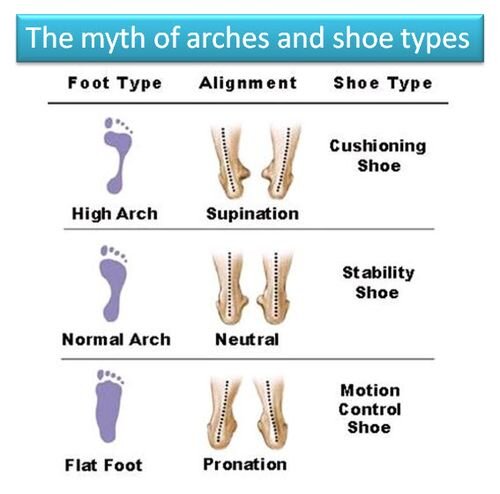
- Flat-footed runners: If your arches are low, your feet can roll inward (overpronation), stressing the ankle.
- Trail runners: Uneven ground increases the risk of twisting or rolling your ankle.
- Heavier runners: More weight means more force on each step, so stability matters more.
- Runners returning from injury: Support helps prevent re-injury during recovery.
If you feel wobbly or notice ankle fatigue during or after runs, it’s a sign you may need more support.
Key Features Of Running Shoes With Ankle Support
Understanding shoe features helps you make a smarter choice. Here are the main elements to look for:
1. Higher Collar Or Extended Upper
Shoes with a slightly higher collar or more padding around the ankle help hold your foot in place. This doesn’t mean full high-tops, but a bit of extra material can prevent your foot from rolling.
2. Firm Heel Counter
The heel counter is the hard shell at the back of the shoe. A firm heel counter keeps your heel aligned and reduces sideways movement, supporting your ankle joint.
3. Midsole Support
Look for shoes with a stable, well-cushioned midsole. Dual-density foam or medial posts add structure and reduce overpronation (inward rolling).
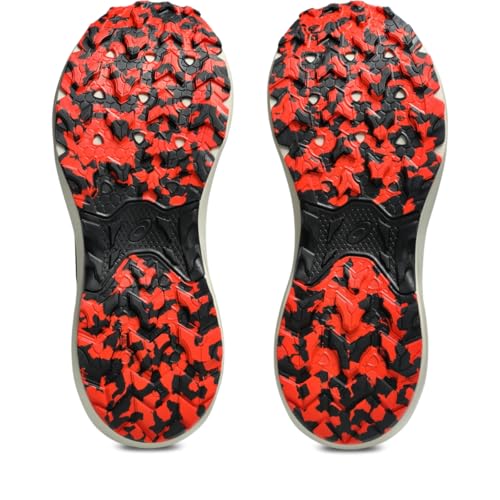
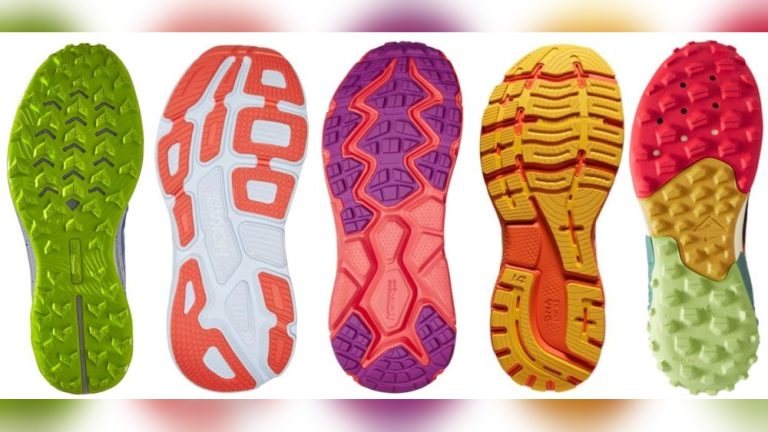
4. Outsole Grip
A good outsole with strong grip prevents slips. For trail running, deep lugs or sticky rubber help your foot stay stable, especially on rocks or mud.
5. Secure Lacing System
Some shoes use reinforced eyelets, extra straps, or even BOA systems. These keep your foot locked in, which reduces in-shoe movement that can twist your ankle.
6. Arch Support
Good arch support works together with ankle support. If your arch collapses during a run, your ankle compensates, increasing injury risk.
7. Weight And Flexibility
While more support usually means more material, avoid shoes that are too heavy or stiff. The best ankle-support shoes offer structure without sacrificing comfort or speed.
Types Of Running Shoes With Ankle Support
Not all running shoes are built the same. Here’s how models differ based on activity and support level.
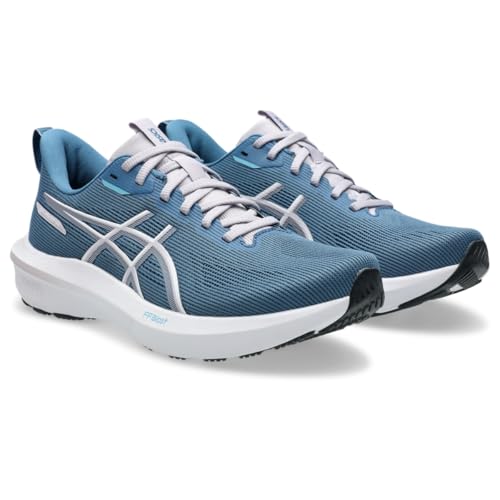
Stability Running Shoes
These are designed for runners who overpronate. They have firmer midsoles, reinforced sides, and structured heels. They’re popular for road running and everyday training.
Motion Control Shoes
For severe overpronators or those with flat feet, motion control shoes offer maximum support. They’re stiffer and heavier but provide the most stability.
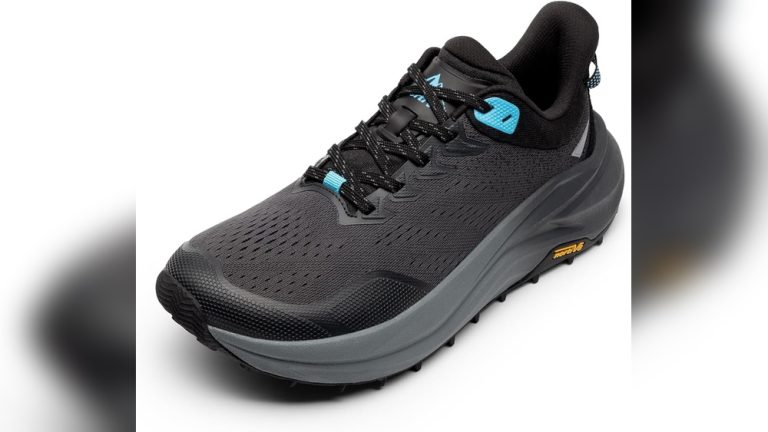
Trail Running Shoes
Trail shoes focus on grip and protection. Many feature padded collars and rock plates, offering both ankle and foot support. They are also built to handle mud, rocks, and roots.
Lightweight Support Shoes
Some brands offer lighter shoes with moderate support. These are good for runners who need some stability but want a faster, more flexible feel.
High-top Running Shoes
Rare but available, these cover the ankle and offer maximum support, often used for recovery or very unstable ankles. They are less common in mainstream running, but can help in special cases.
How To Choose The Right Running Shoes With Ankle Support
Shopping for supportive running shoes can be confusing, especially with all the marketing claims. Here’s how to make a confident choice:
1. Assess Your Foot Type
Visit a running store for a gait analysis or use the “wet test” at home. Flat feet or overpronation usually require more support.
2. Know Your Running Surface
Road runners need grip but less aggressive soles than trail runners. Trail shoes prioritize traction and protection, which affects support.
3. Check The Fit
Try shoes on late in the day (feet swell) and wear your regular running socks. The heel should feel snug, with no slipping, and the ankle area should feel cushioned but not tight.
4. Test The Support
Gently twist the shoe. A good support shoe resists bending in the middle and has a firm heel. Walk and jog in the store to check for stability.
5. Don’t Ignore Weight
More support often means a heavier shoe. If you race or run long distances, balance support with weight to avoid fatigue.
6. Read Reviews And Ask For Advice
Look for feedback from other runners with similar needs. Staff at specialty running stores can help match you to the right shoe.
7. Break In Your Shoes Slowly
Even the best shoe needs a break-in period. Start with short runs and check for any pain or hot spots around your ankle.
Comparison Of Popular Running Shoes With Ankle Support
Here’s a side-by-side look at some well-known models that offer ankle support for runners:
| Model | Type | Support Level | Weight (Men/Women) | Best For |
|---|---|---|---|---|
| Brooks Adrenaline GTS 23 | Stability | Moderate | 10.1 oz / 9.1 oz | Road, daily training |
| ASICS Gel-Kayano 30 | Stability | High | 10.7 oz / 9.2 oz | Long runs, overpronators |
| Hoka One One Arahi 7 | Stability | Moderate | 9.9 oz / 8.5 oz | Cushioned support |
| New Balance Fresh Foam X 860v13 | Stability | Moderate | 10.9 oz / 8.6 oz | Distance, daily |
| Salomon Speedcross 6 | Trail | High | 10.2 oz / 8.3 oz | Technical trails |
| Mizuno Wave Inspire 19 | Stability | Moderate | 10.7 oz / 8.7 oz | Daily support |
These models are recognized for their ankle-hugging collars, firm heel counters, and reliable midsole support. For flat feet or severe pronation, consider the Kayano or motion control models. Trail runners may prefer the Salomon Speedcross for its aggressive grip and padded upper.

Credit: bwb-kanu.de
What Makes A Shoe Supportive? Data And Lab Results
Research shows that the heel counter stiffness and midsole density are the two biggest factors in ankle support. Studies in sports medicine have found that:
- Shoes with firmer heel counters reduce rearfoot motion by up to 25%.
- Stability shoes can decrease overpronation by as much as 40% compared to neutral models.
- Trail shoes with higher collars reduce ankle inversion injuries by 15–20% during off-road runs.
But more support is not always better. Overly stiff shoes can restrict natural movement and lead to knee or hip problems. The goal is to find the right balance for your unique foot and activity.
Common Mistakes When Choosing Running Shoes With Ankle Support
Many runners make avoidable errors when shopping for supportive shoes. Here are some to watch for:
- Going too stiff: Extra support is helpful up to a point. If your shoe doesn’t allow natural movement, other joints may suffer.
- Ignoring fit: A shoe that’s too loose or tight in the heel or collar will not provide proper support, no matter what technology it claims to have.
- Buying for looks: Style matters, but the fit and features are more important for injury prevention.
- Skipping break-in: Even with the right shoe, switching too fast can cause blisters or discomfort.
- Not updating old shoes: Worn-out shoes lose their structure and support, putting your ankles at risk.
How To Care For Your Supportive Running Shoes
Taking care of your shoes helps them last longer and keeps support features working as designed.
- Rotate pairs: If you run often, use two pairs to let each recover between runs.
- Air dry: Never use direct heat. Remove insoles and let shoes dry naturally.
- Check wear patterns: Look for uneven wear on the outsole or midsole collapse—signs you need a new pair.
- Replace regularly: Most running shoes last 300–500 miles. Beyond this, support features break down.
- Clean gently: Use a soft brush and mild soap. Avoid washing machines, which can damage the shoe structure.
Real-world Examples: Runners Who Benefit From Ankle Support
Case 1: Returning From Ankle Injury
Megan, a marathon runner, sprained her ankle on a trail run. After physical therapy, she switched to a stability shoe with a padded collar and firm heel. She noticed less ankle fatigue and no new injuries, even during long runs.
Case 2: Trail Runner On Rocky Terrain
Carlos runs mountain trails and often hit roots and rocks. His trail shoes with a higher collar and sticky outsole helped prevent ankle rolls, especially on steep descents.
Case 3: Flat Feet And Overpronation
Jared, with flat feet, always struggled with sore ankles. A motion control shoe with a dual-density midsole and strong heel counter improved his alignment, reducing pain and helping him run farther.
These stories show that the right features can make a real difference, especially for runners with specific needs.
Best Practices: Using Your Supportive Shoes Safely
- Warm up your ankles: Simple movements like ankle circles or heel-to-toe walks prepare your joints before running.
- Replace when needed: Don’t wait for pain to swap out old shoes.
- Strengthen ankles: Exercises like calf raises, resistance band stretches, and balance work reduce your need for heavy support over time.
- Listen to your body: If you feel pain or unusual fatigue, check your shoes and running technique.
Comparison: Stability Vs. Motion Control Vs. Trail Running Shoes
Choosing between shoe types depends on your needs. Here’s a direct comparison:
| Type | Main Feature | Best For | Typical Weight | Downside |
|---|---|---|---|---|
| Stability | Moderate arch & heel support | Overpronators, general runners | 9–11 oz | Less suited for severe flat feet |
| Motion Control | Maximum structure & stiffness | Severe overpronators, flat feet | 11–13 oz | Heavier, less flexible |
| Trail | Grip, padded collar, rock plate | Trail, uneven ground | 9–12 oz | Less cushioning for road |
Stability shoes are a middle ground, while motion control is for those with serious support needs. Trail shoes focus on grip and protection for off-road terrain. Choose based on your foot type, terrain, and injury history.
Credit: betterguards.com
Recent Innovations In Running Shoes With Ankle Support
Shoe technology keeps improving, and ankle support is no exception. Here are two recent innovations:
- Dynamic support systems: Some brands use materials that adapt to your movement, offering more support when you need it and flexibility when you don’t.
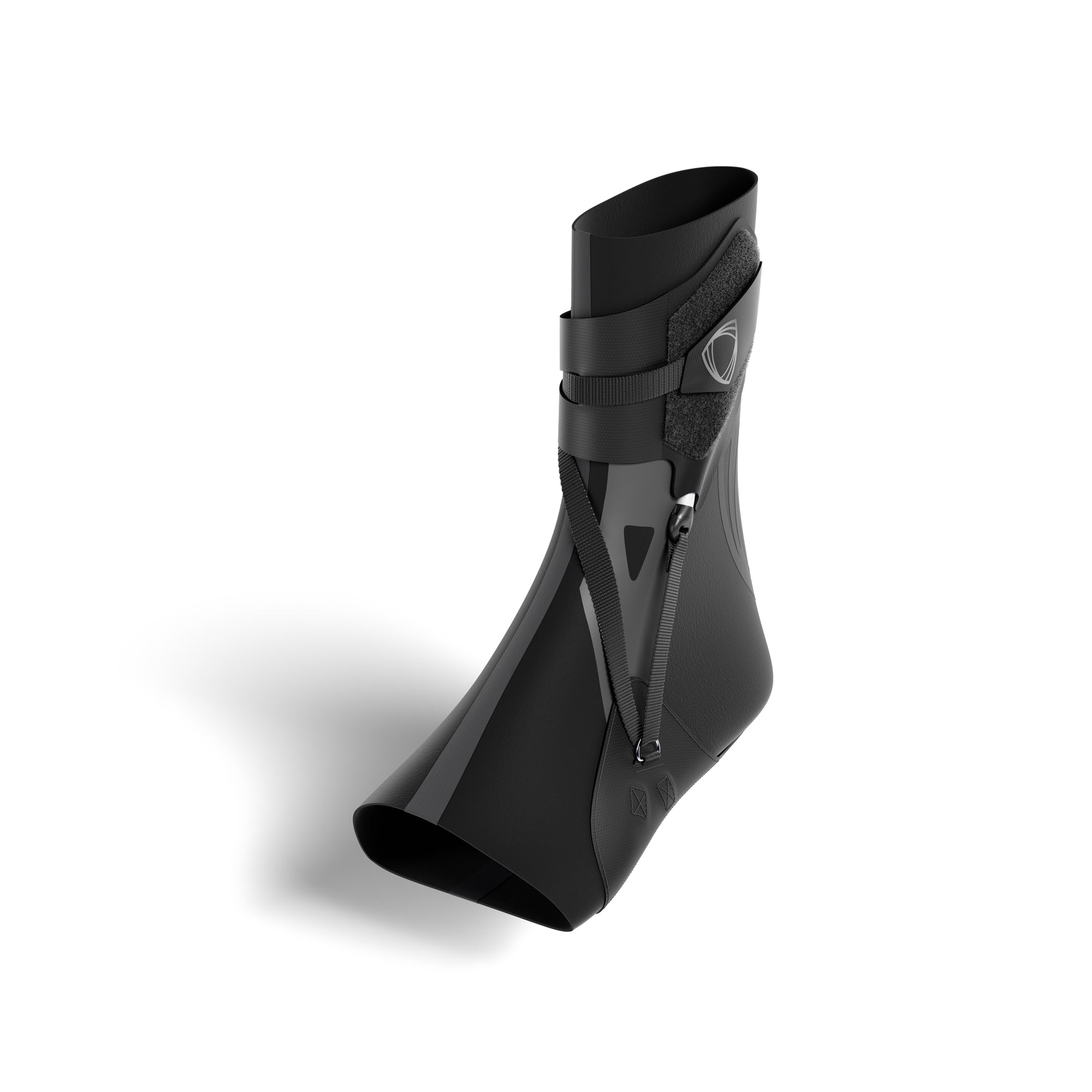
- Integrated braces: A few trail shoes now include built-in ankle braces that add support without the need for a separate device.
These advances make shoes lighter and more comfortable, even for runners who once needed custom orthotics or heavy motion control models.
How To Tell When You Need New Shoes
Support features don’t last forever. Here are signs it’s time for a new pair:
- Increased ankle pain: If you notice new aches, your shoe’s support may be worn out.
- Visible wear: Look for compressed midsoles, worn down outsoles, or loose collars.
- Mileage: Track your miles. Most shoes last about 400 miles, but heavier runners or trail runners may need replacements sooner.
- Less bounce: If your shoes feel flat or less springy, the support is likely gone.
Rotating between two pairs can help you notice these changes more clearly.
Tips For Getting The Most From Your Supportive Running Shoes
- Use the right socks: Thick, moisture-wicking socks prevent blisters and add comfort around the ankle.
- Adjust laces properly: Too tight causes pressure, too loose allows slipping. Try different lacing techniques for the best fit.
- Pair with ankle-strengthening exercises: Shoes help, but strong muscles are your best long-term support.
- Monitor your running form: Poor technique can strain ankles, even with supportive shoes.
- Store shoes properly: Keep them dry and out of direct sunlight to preserve materials.
The Role Of Orthotics With Ankle Support Shoes
Some runners benefit from custom or over-the-counter orthotics in addition to supportive shoes. Orthotics add targeted support to the arch or heel, which can further stabilize the ankle.
However, not everyone needs them. If your shoes already provide strong support, adding orthotics can sometimes make the shoe too stiff. Consult a specialist if you have ongoing pain or a complex injury history.
Are High-top Running Shoes Worth It?
High-top running shoes are rare in mainstream running, but a few brands offer them for serious ankle instability or after injury. They offer maximum support but can be heavier and restrict movement.
For most runners, a regular running shoe with good ankle padding is enough. High-tops are a good option if your doctor recommends them or if you have frequent ankle injuries on trails.
How To Transition Into More Supportive Shoes
Switching from a neutral or lightweight shoe to a supportive one takes time.
- Start slow: Run short distances at first.
- Listen to your body: Some muscle soreness is normal, but sharp pain is not.
- Alternate shoes: Use your old pair for some runs during the transition.
Over a few weeks, your body will adjust, and you’ll gain the benefits of better ankle support.
Data: Ankle Injuries And Running
Ankle injuries are common among runners, especially beginners and trail runners. Here’s some data:
- Up to 20% of all running injuries involve the ankle.
- Ankle sprains are most frequent on uneven surfaces.
- Runners with poor ankle support are twice as likely to suffer recurrent sprains.
Preventing these injuries with the right shoes is easier than dealing with a long recovery.
Myths About Running Shoes With Ankle Support
Some common myths can lead runners to make poor choices:
- Myth 1: “More support always means less injury.” Too much support can restrict natural movement and create other problems.
- Myth 2: “Any high-collar shoe will protect my ankle.” The design and fit matter as much as collar height.
- Myth 3: “Only beginners need ankle support.” Even experienced runners can benefit, especially after injury or on challenging terrain.
- Myth 4: “You can run safely in old shoes if they look fine.” Support features break down before shoes look “worn out.”
- Myth 5: “Orthotics fix everything.” They help some, but not all, ankle issues.
Being aware of these myths helps you make a better, more informed choice.
Expert Opinion: What Sports Medicine Says
Sports medicine experts emphasize a personalized approach. According to research published on Wikipedia, the “best” shoe is the one that matches your foot shape, injury history, and running style—not necessarily the one with the most features.
Doctors recommend supportive shoes for anyone with weak ankles, previous injuries, or flat feet. But they also stress the importance of ankle-strengthening exercises and good running form.
Frequently Asked Questions
What Is The Main Benefit Of Running Shoes With Ankle Support?
The main benefit is reduced risk of ankle injuries. Supportive shoes stabilize the foot, preventing excessive rolling or twisting during runs. They also reduce fatigue and can improve running form, especially for those with flat feet or a history of sprains.
Are High-top Running Shoes Better For Ankle Support?
High-tops offer maximum support but are less common in running. For most runners, a shoe with a padded collar and firm heel counter is enough. High-tops are best for those with recurring injuries or special needs.
How Do I Know If My Shoes Have Good Ankle Support?
Check for a snug fit around the heel and ankle, a firm heel counter, and a stable midsole. Try twisting the shoe—resistance means good support. Also, test by running and noticing if your ankle feels secure.
Should I Use Orthotics With Supportive Running Shoes?
Some runners benefit from orthotics, especially for severe overpronation or arch problems. However, not everyone needs them. Too much support can make the shoe uncomfortable or stiff. Consult a professional if unsure.
How Often Should I Replace Running Shoes With Ankle Support?
Most running shoes last 300–500 miles. Replace them if you notice less support, more pain, or visible wear, even if you haven’t reached the mileage limit.
Choosing running shoes with ankle support is one of the best ways to protect yourself from injury and enjoy more comfortable, confident running. By understanding your needs, focusing on key features, and caring for your shoes, you can find the right pair and keep your ankles safe for many miles.
Remember, the most supportive shoe is the one that fits your foot, your running style, and your goals. Happy running!

Credit: www.brooksrunning.com