
Women’s Cushioned Running Shoes: Top Picks for Maximum Comfort

Women’s Cushioned Running Shoes: Complete Guide For Comfort And Performance
Finding the right running shoes can feel confusing, especially for women who want both comfort and support. Sore feet, aching joints, and blisters can ruin a good run. That’s why cushioned running shoes have become so popular among women of all ages and abilities. These shoes use special foam and design features to soften every step, reduce fatigue, and help prevent injuries. Whether you’re a beginner, a marathon runner, or just want comfortable shoes for walking, understanding your choices is key.
In this guide, you’ll discover how women’s cushioned running shoes work, who benefits most, what features matter, the leading brands, and how to choose the best pair for your needs. You’ll also see real examples and learn tips most beginners overlook. By the end, you’ll know exactly what to look for and how to get the most from your next pair.
Why Cushioning Matters In Women’s Running Shoes
When your feet strike the ground, the impact can be two to three times your body weight. That’s a lot of force! Without good cushioning, this pressure travels up through your feet, knees, hips, and even your lower back. Over time, it can cause pain or even injuries.
Women, in particular, often have slightly wider forefeet, lower body weight, and different foot arches than men, so they need shoes designed for their anatomy.
Cushioning is not just about softness. The right shoe absorbs shock and returns energy, making running feel smoother and less tiring. It also helps with balance and stability. Many runners notice that, with cushioned shoes, they can run longer and recover faster.
For women, extra cushioning can also help with common issues like plantar fasciitis, shin splints, or sensitive joints.
Key Features Of Women’s Cushioned Running Shoes
Not all cushioned shoes are the same. Here’s what to look for when choosing a pair:
1. Midsole Foam Technology
The midsole is the heart of cushioning. Modern shoes use advanced foams like EVA, Polyurethane (PU), or special blends. Some top brands have their own technologies, such as:
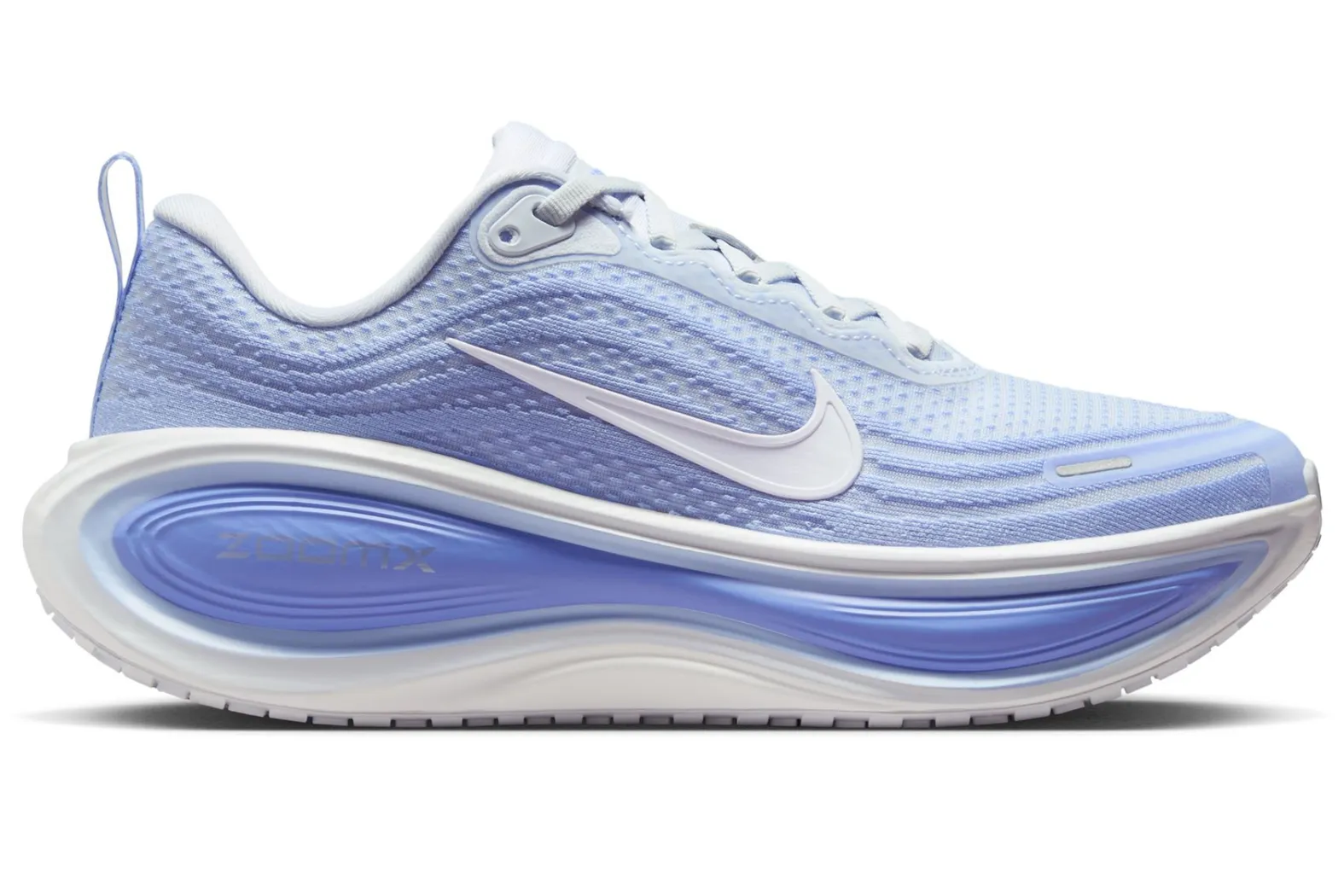
- Nike ZoomX
- Adidas Boost
- ASICS FlyteFoam
- Hoka One One EVA
These foams vary in softness, bounce, and durability. For example, EVA is lightweight and absorbs shock well, while PU is heavier but lasts longer.
2. Heel-to-toe Drop
The drop is the height difference between the heel and the forefoot. Most cushioned women’s running shoes have a drop of 8-12mm. A higher drop puts less strain on your Achilles tendon but can feel less “natural” for some runners. Lower drop shoes (4-6mm) are popular for those who prefer a more natural foot strike.
3. Outsole Grip And Flexibility
Cushioning is important, but so is grip. The outsole should provide traction on the surfaces you run on, whether it’s pavement, track, or trails. Flex grooves help your foot bend naturally, making the ride smoother.
4. Upper Fit And Breathability
A good upper holds your foot comfortably without rubbing or squeezing. For women, a slightly wider forefoot and narrower heel is ideal. Mesh and knit materials keep feet cool, while some shoes add overlays for extra support.
5. Weight
Heavy shoes can make your legs tired faster. Most cushioned women’s running shoes weigh between 7-9 ounces. Look for lightweight options if you want to go faster or run long distances.
6. Arch Support And Stability Features
Women often need good arch support, especially if they have flat feet or high arches. Some shoes have built-in stability features, like medial posts or guide rails, to prevent overpronation (rolling inwards).
Who Needs Cushioned Running Shoes?
Cushioned shoes are not just for elite athletes. They’re perfect for:
- Beginners – If you’re new to running, cushioning reduces the risk of injury and makes the experience more enjoyable.
- Long-Distance Runners – More miles mean more impact. Cushioning helps you recover faster and reduces joint stress.
- Heavier Runners – Extra body weight increases impact forces; cushioning absorbs shock and protects joints.
- Older Runners – As you age, natural fat pads in your feet thin out. Extra cushioning adds comfort and protection.
- People with Foot or Joint Issues – If you have plantar fasciitis, arthritis, or sensitive knees, cushioned shoes can make a huge difference.
- Anyone Who Values Comfort – Even for daily walks or standing all day, cushioned shoes help reduce fatigue.
How Do Women’s Cushioned Running Shoes Compare To Regular Running Shoes?
Here’s a simple comparison to highlight the main differences:
| Feature | Cushioned Shoes | Standard Running Shoes |
|---|---|---|
| Cushion Level | High (plush, soft) | Moderate to low |
| Shock Absorption | Excellent | Average |
| Weight | Usually heavier | Lighter |
| Best For | Long runs, recovery, comfort | Speed, racing, short runs |
| Foot Fatigue | Less | More |
Many runners own both types: cushioned shoes for daily training and lighter shoes for races or speed work.
Top Benefits Of Women’s Cushioned Running Shoes
Why choose cushioned shoes? Here are the main advantages:
- Comfort – The soft foam reduces pressure and hot spots, making long runs or walks more pleasant.
- Injury Prevention – Cushioning absorbs impact and reduces stress on joints, lowering the risk of common injuries.
- Energy Return – Modern foams provide a “springy” feel, helping you run further with less effort.
- Versatility – Many cushioned models work well for both running and all-day wear.
- Protection – Extra padding shields your feet from rocks, debris, and rough pavement.
Two insights beginners often miss: First, cushioning can also reduce muscle soreness after a run. Second, not all cushioning feels the same—some foams are soft and squishy, while others feel firm but still absorb impact well.
Leading Brands And Their Best Women’s Cushioned Running Shoes
Most shoe brands offer cushioned models, but some stand out for their innovation and popularity. Here are the top brands and a few of their best options:
1. Hoka One One
Hoka is known for its maximalist approach—thick foam, wide bases, and very soft rides.
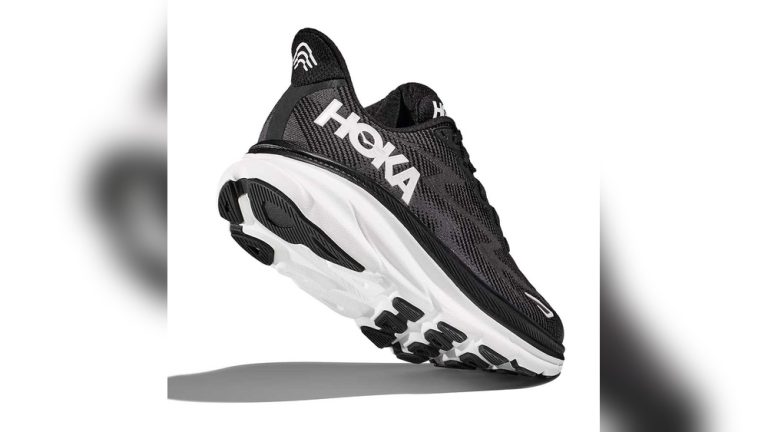
- Hoka Clifton 9: Lightweight, breathable, with balanced cushioning for everyday runs.
- Hoka Bondi 8: One of the most cushioned shoes on the market, ideal for recovery and long distances.
2. Asics
ASICS mixes cushioning with support, making them great for all types of runners.
- ASICS Gel-Nimbus 25: Soft, plush, and stable. Gel technology absorbs shock well.
- ASICS Cumulus 25: Slightly lighter, with responsive FlyteFoam cushioning.
3. Brooks
Brooks focuses on comfort, fit, and smooth transitions.
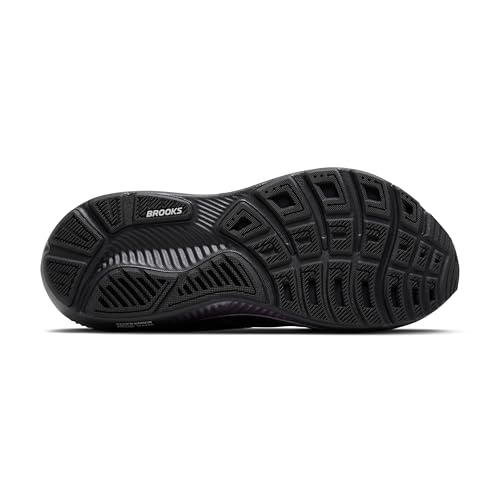
- Brooks Glycerin 20: Super soft DNA LOFT v3 foam; loved for its durability.
- Brooks Ghost 15: Balanced cushion, flexible, and suitable for most foot shapes.
4. New Balance
Known for variety in widths and excellent arch support.
- New Balance Fresh Foam 1080v12: Cloud-like comfort, with a stretchy upper.
- New Balance More v4: Maximum cushioning for those who want the softest ride.
5. Saucony
Saucony’s PWRRUN+ foam offers both bounce and plushness.
- Saucony Triumph 21: Soft, energetic, and stable.
- Saucony Endorphin Shift 3: Cushioned but designed for faster paces.
6. Nike
Nike uses cutting-edge foam and often lighter designs.
- Nike ZoomX Invincible Run 3: Very soft, wide base for stability.
- Nike Air Zoom Pegasus 40: Reliable, with moderate cushioning and great fit.
7. Adidas
Adidas offers Boost and Lightstrike foams for soft yet responsive rides.
- Adidas Ultraboost Light: Popular for both running and style.
- Adidas Supernova: More affordable, with balanced cushioning.

Credit: www.womensrunning.co.uk
Factors To Consider When Choosing Women’s Cushioned Running Shoes
With so many choices, how do you pick the right pair? Focus on these key areas:
Your Foot Type And Gait
Not all feet are the same. Check your arch height (high, medium, low) and pronation (do you roll inward or outward when running? ). Shoe stores often offer gait analysis to help you choose.
Running Goals
Are you training for a marathon, jogging a few times a week, or walking for fitness? Longer distances need more cushion, while short, fast runs might need lighter shoes.
Fit And Sizing
Cushioned shoes should fit snugly in the heel but have room in the toe box (about a thumb’s width from your longest toe). Women’s feet often swell during long runs, so try shoes on in the afternoon or after exercise.
Weight Of The Shoe
Heavier shoes offer more cushion but can slow you down. Lighter shoes feel faster but may not protect as well.
Durability
Some very soft foams compress quickly and lose their cushion. Check reviews and look for models known for lasting at least 300-500 miles.
Price
More cushion often means a higher price. Expect to pay $120-$170 for top models, but there are deals on last year’s versions.
Real-world Comparison: Popular Cushioned Women’s Running Shoes
Below is a quick comparison of some popular models based on user reviews, price, and features:
| Model | Cushion Level | Weight (oz) | Drop (mm) | Price (USD) | Main Benefit |
|---|---|---|---|---|---|
| Hoka Bondi 8 | Maximum | 8.9 | 4 | 165 | Ultimate softness |
| ASICS Gel-Nimbus 25 | High | 8.3 | 10 | 160 | Plush, stable |
| Brooks Glycerin 20 | High | 8.1 | 10 | 160 | Soft, durable |
| New Balance 1080v12 | High | 8.2 | 8 | 160 | Cloud-like feel |
| Saucony Triumph 21 | High | 8.6 | 10 | 160 | Bouncy, soft |
| Nike Invincible Run 3 | Maximum | 8.9 | 9 | 180 | Soft, stable |
| adidas Ultraboost Light | High | 9.0 | 10 | 190 | Responsive, stylish |

Credit: www.bigislandrunningcompany.com
How To Test And Break In New Cushioned Running Shoes
Once you pick a pair, don’t just run a marathon on day one. Here’s a smart approach:
- Try Them Indoors First – Wear them around your home to check for any hot spots or rubbing.
- Start with Short Walks or Runs – Go for a 1-2 mile walk or jog to let your feet adjust.
- Pay Attention to Fit – Your foot should not slide forward or feel cramped. The heel should stay secure.
- Listen to Your Body – Some soreness is normal, but sharp pain means the shoe may not suit your foot.
- Gradually Increase Distance – Over a week or two, work up to your regular running distance.
A useful tip: Most stores allow returns if you only wear the shoes indoors, so take advantage of this if something feels off.
Common Mistakes When Choosing Women’s Cushioned Running Shoes
Even experienced runners make mistakes. Here are a few to avoid:
- Choosing by Looks Only – The best-looking shoe isn’t always the most comfortable or supportive.
- Ignoring Your Foot Type – Not all shoes fit wide, narrow, high-arched, or flat feet equally well.
- Buying Shoes That Are Too Small – Feet swell during exercise; always leave enough room in the toe box.
- Skipping Gait Analysis – Knowing if you overpronate or supinate helps you pick the right shoe.
- Keeping Shoes Too Long – Most running shoes last 300-500 miles. After that, cushioning breaks down and injury risk rises.
Credit: shop.therunnersroost.com
Insights Beginners Often Miss
Many first-time buyers think more cushion always equals more comfort. That’s not true for everyone. Some runners feel unstable in ultra-soft shoes, especially on uneven surfaces. Also, remember that some models are “plush” but heavy, making them less suitable for speedwork or races.
Another thing: Women’s cushioned shoes are often built on a “women’s last” (mold), which is better suited for narrower heels and wider forefeet. This makes a big difference in comfort compared to unisex or men’s models.
How To Care For Women’s Cushioned Running Shoes
To get the most life and performance from your shoes, follow these care tips:
- Rotate Shoes – If you run often, use two pairs and alternate days. This gives foam time to rebound.
- Keep Them Dry – Remove insoles and air them out after each run, especially if they get wet.
- Clean Gently – Brush off dirt and wipe with a damp cloth. Avoid washing machines—water can damage foam.
- Store Properly – Keep shoes away from heat and sunlight, which can break down glue and foam.
- Monitor Cushioning – If you feel new aches, worn treads, or a flat feeling, your shoes may need replacing.
Sustainability And Women’s Cushioned Running Shoes
Many brands are now making eco-friendly changes. Look for:
- Recycled Uppers – Some shoes use yarns made from old plastic bottles.
- Bio-based Foams – A few models use plant-based or biodegradable foams.
- Take-Back Programs – Brands like Nike and adidas offer recycling for old shoes.
These changes help reduce the environmental impact of running shoes, which can be significant due to foam and rubber use. For more about eco-friendly footwear, check out this Runner’s World guide.
When To Replace Your Cushioned Running Shoes
Cushioning breaks down over time, even if the shoe still looks good. Signs it’s time for a new pair:
- More aches or pains during or after runs
- Less bounce or a “flat” feel underfoot
- Visible wear on the outsole or midsole
- Creases or compression in the foam
Track your mileage (most phones or watches have this feature) and plan to replace shoes every 300-500 miles, or about every 6-12 months for regular runners.
Frequently Asked Questions
What Is The Best Women’s Cushioned Running Shoe For Beginners?
The Brooks Ghost 15 and ASICS Gel-Nimbus 25 are great for beginners. They offer a soft, balanced ride and are forgiving for new runners. Both fit a wide range of foot shapes and are easy to find in stores.
Can Women With Flat Feet Use Cushioned Running Shoes?
Yes, but look for shoes with both cushioning and support. Models like the Brooks Adrenaline GTS or ASICS Kayano provide stability for overpronation, plus enough cushion for comfort. Always try on a few pairs to see what feels best.
Are Cushioned Running Shoes Good For Walking Or Standing All Day?
Absolutely. Many women use cushioned running shoes for work or travel because they reduce foot fatigue. The New Balance 1080v12 and Hoka Bondi 8 are popular for nurses, teachers, or anyone on their feet for hours.
How Do I Know If My Running Shoes Have Enough Cushioning?
Your shoes have enough cushioning if your feet feel comfortable after runs, with no sharp pain in your heels, arches, or knees. If you notice soreness, “hot spots,” or a hard feeling underfoot, you may need more cushion or a different shoe.
How Much Should I Spend On Women’s Cushioned Running Shoes?
Expect to pay $120–$170 for top models. It’s worth investing in a quality shoe, as this can prevent injuries and make running more enjoyable. Look for sales or last year’s models to save money without losing quality.
Women’s cushioned running shoes are more than a trend—they’re a tool to help you run, walk, and move with comfort and confidence. By focusing on fit, cushioning, and your personal needs, you can find the perfect pair and enjoy every step.
Remember, comfort is personal. Try different options, listen to your body, and don’t be afraid to ask for expert advice. The right shoe can make all the difference—happy running!

2 Comments