Women’S Waterproof Running Shoes: Stay Dry and Run Farther

Finding the right women’s waterproof running shoes can make all the difference between enjoying your run and dreading each step. If you love to run outdoors, you know that rain, puddles, and wet trails are part of the journey. But soggy socks, cold feet, and heavy shoes shouldn’t be. With the right waterproof shoes, you can keep running comfortably—no matter the weather. This guide will help you understand everything you need to know about women’s waterproof running shoes, how to choose the best pair, and what to look for based on your needs and running style.
Why Waterproof Running Shoes Matter
Running in wet conditions is not just uncomfortable; it can also be risky. Wet shoes can cause blisters, cold feet, and even injuries from slipping. Waterproof running shoes are designed to keep your feet dry while providing the grip and support you need.
Most waterproof running shoes use membranes like Gore-Tex or eVent. These materials block water from entering but let sweat escape, helping to keep your feet dry from both rain and sweat. The result is a safer, more enjoyable run in all weather.
Wet conditions can also change your running form. If your shoes get heavy with water, you might adjust your stride, increasing injury risk. Waterproof shoes help maintain your natural running motion, even in the rain.
Key Features Of Women’s Waterproof Running Shoes
When choosing waterproof running shoes, there are specific features you should focus on:
- Waterproof Membrane: Look for shoes with a proven waterproof layer, such as Gore-Tex or eVent. These materials keep water out but allow vapor from sweat to escape.
- Breathability: Waterproof doesn’t mean sweaty. Good shoes combine water resistance with breathability to prevent overheating.
- Traction: Wet surfaces are slippery. Deep lugs and sticky rubber outsoles help you stay upright on roads and trails.
- Comfort: Cushioning, arch support, and fit are critical for long runs. Waterproofing should not come at the expense of comfort.
- Weight: Waterproof layers can add weight. Modern shoes use lightweight materials to balance protection and speed.
- Durability: Rain, mud, and water can wear shoes down faster. Look for reinforced uppers and outsoles built to last.
How Waterproof Running Shoes Work
Most waterproof running shoes use a membrane sandwiched between the shoe’s outer and inner layers. The membrane is filled with tiny pores—small enough to block water droplets but large enough to let water vapor escape. This keeps your feet dry from both rain and sweat.
Some shoes use a water-repellent coating (DWR) on the outside. This helps water bead up and roll off. However, coatings wear off over time, while membranes last longer.
Another key part is the gusseted tongue. This means the sides of the tongue are attached to the upper part of the shoe, so water can’t seep in around the laces.
Road Vs Trail Waterproof Running Shoes
Waterproof running shoes are made for two main environments: roads and trails. Each has its own design priorities.
| Feature | Road Running Shoes | Trail Running Shoes |
|---|---|---|
| Outsole | Smoother, more flexible | Deep lugs for grip |
| Protection | Less toe and heel protection | Extra toe guards, rock plates |
| Weight | Lighter | Heavier (more durable) |
| Fit | Snug, for speed | Roomier, for stability |
If you run mostly on city streets or sidewalks, choose a road waterproof running shoe. For muddy, rocky, or forested trails, choose a trail waterproof running shoe.
Top Technologies In Women’s Waterproof Running Shoes
The best waterproof running shoes use a mix of advanced materials and designs. Here are the most important:
Gore-tex
The most famous waterproof membrane. Gore-Tex is trusted for its balance of waterproofing and breathability. It’s used by brands like Salomon, Brooks, and Asics.
Event
Another leading membrane. EVent is known for letting vapor escape very quickly, which helps keep feet dry during longer runs.
Proprietary Membranes
Some brands use their own technology, such as Nike’s Shield, Hoka’s SKYSHELL, or Adidas RAIN.RDY. These often focus on lighter weight and comfort.
Dwr Coating
While not a membrane, Durable Water Repellent (DWR) coatings help the outer layer of the shoe repel water. Most shoes combine this with a membrane.
How To Choose The Right Pair
Choosing women’s waterproof running shoes is not just about waterproofing. Consider these key factors:
1. Fit And Sizing
Waterproof membranes can make shoes feel snug. Try on shoes with the socks you plan to wear. Some brands run small due to the extra layer.
2. Type Of Running
- Urban runners: Look for lightweight, cushioned shoes with reflective details for visibility.
- Trail runners: Prioritize grip, toe protection, and stability. Mud-shedding outsoles are a bonus.
3. Climate And Conditions
If you run in heavy rain or snow, a full waterproof membrane is best. For light drizzle, a water-resistant shoe may be enough and can feel less hot.
4. Cushioning And Support
Waterproof shoes should not compromise on arch support and cushioning. Try different models if you have high arches or need extra heel support.
5. Weight
Lighter shoes help with speed, but heavier shoes can be more durable. For long trail runs, a little extra weight is worth the protection.
6. Price
Expect to pay $100–$180 for a good pair. Cheaper shoes may cut corners on membrane quality or comfort.
Popular Brands And Top Models For Women
Many brands make excellent waterproof running shoes for women. Here are some of the best, with unique features highlighted:
1. Salomon Speedcross 6 Gtx
Famous for deep lugs and stability on muddy trails. Uses Gore-Tex membrane.
2. Brooks Ghost 15 Gtx
Reliable for road running. Soft cushioning and seamless Gore-Tex upper.
3. Nike Pegasus Trail 4 Shield
Great for mixed surfaces. Nike Shield technology repels water and mud.
4. Hoka One One Challenger Atr 7 Gtx
Soft ride, good for roads and trails. Gore-Tex Invisible Fit keeps weight low.
5. Asics Gel-cumulus 25 Gtx
Plush cushioning and smooth ride, ideal for long road runs.
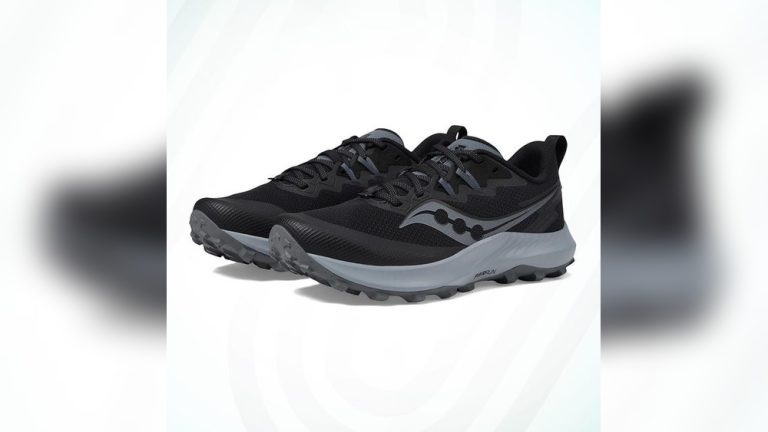
6. Saucony Peregrine 13 Gtx
Aggressive grip, lightweight for a trail shoe, Gore-Tex protection.
7. Adidas Terrex Agravic Flow 2 Gtx
Responsive feel, Continental rubber outsole for strong grip.
8. Altra Lone Peak All-wthr Low
Roomy toe box, zero-drop design, eVent waterproofing.
9. La Sportiva Jackal Gtx
Supportive for ultra-distances, rugged outsole, Gore-Tex lining.
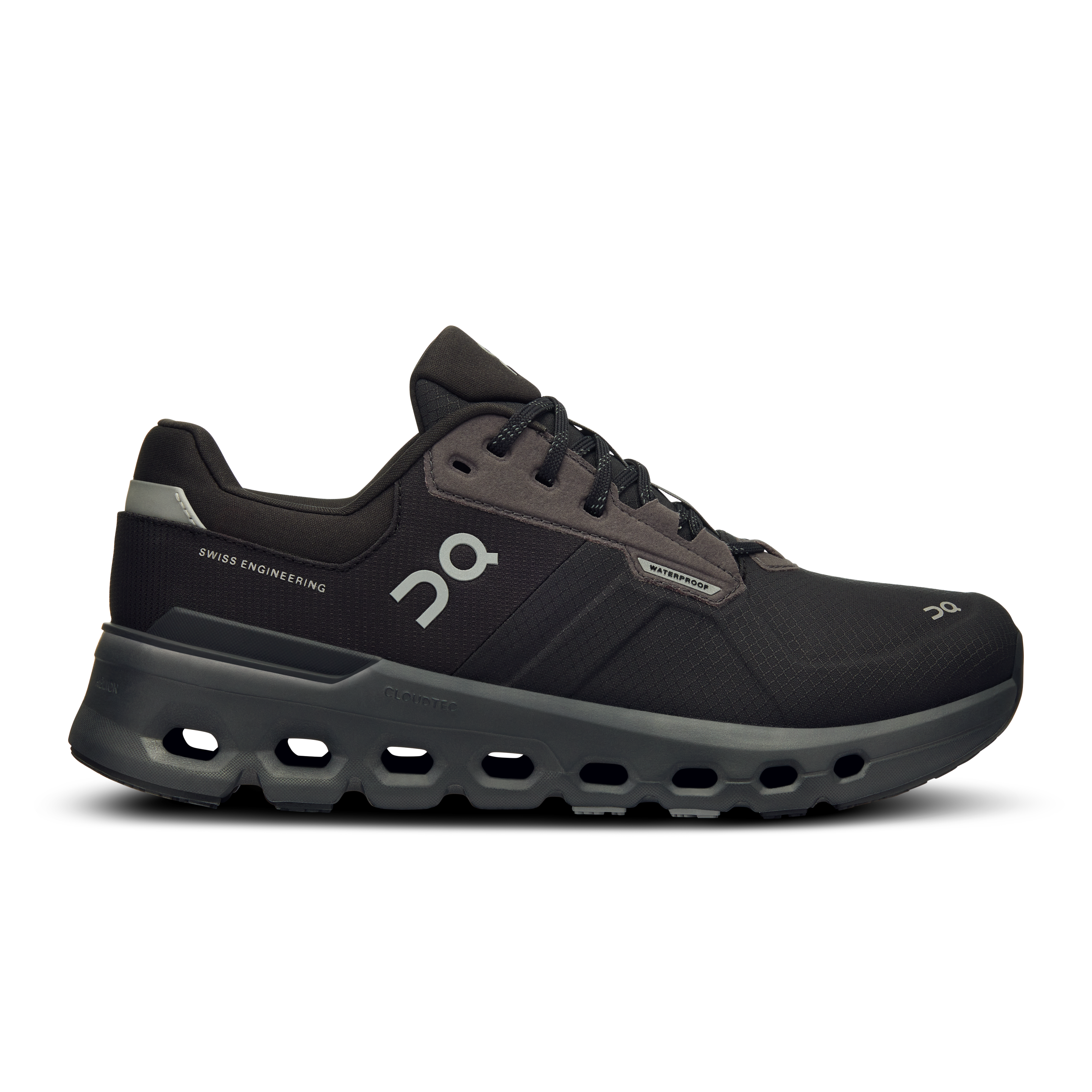
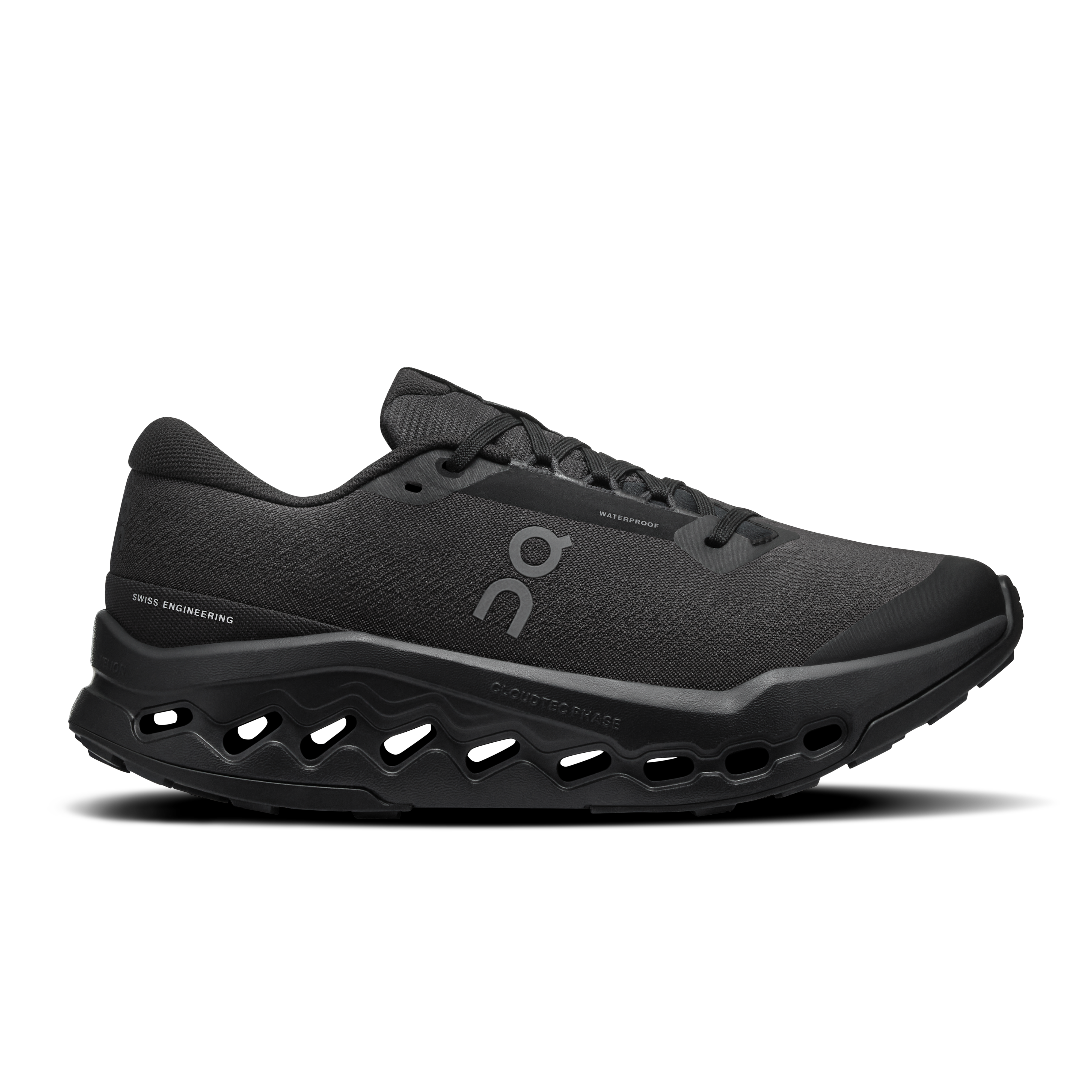
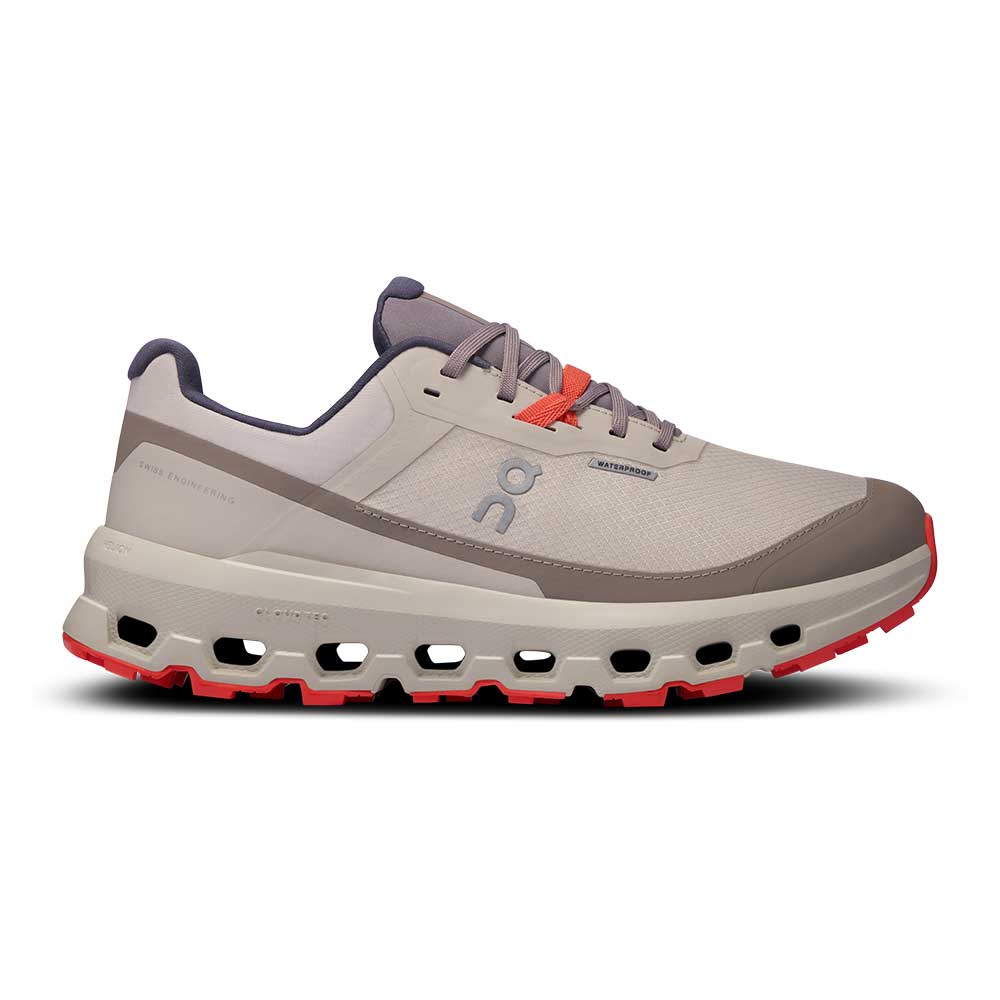
10. On Cloudventure Waterproof
Unique cloud cushioning, waterproof membrane, best for moderate trails.
Each of these models offers a different balance of grip, cushioning, and waterproofing. Always try on shoes if possible—brands fit differently.
Comparing Key Models: Cushioning, Weight, And Grip
For many runners, the feel underfoot and the shoe’s weight are as important as waterproofing. Here’s a quick comparison:
| Model | Weight (US Women’s 8) | Cushioning Level | Best For |
|---|---|---|---|
| Brooks Ghost 15 GTX | 9.0 oz | High | Road |
| Salomon Speedcross 6 GTX | 9.3 oz | Medium | Trail |
| Hoka Challenger ATR 7 GTX | 8.5 oz | High | Mixed |
| Nike Pegasus Trail 4 Shield | 9.2 oz | Medium | Mixed |
| Saucony Peregrine 13 GTX | 8.7 oz | Medium | Trail |
Insight: Many runners focus only on waterproofing and ignore weight. But just a few ounces can make a big difference over long runs. If you plan to race, look for the lightest model that still offers enough grip and protection.
Credit: www.on.com
Pros And Cons Of Waterproof Running Shoes
Waterproof running shoes are not for everyone or every situation. Here’s a summary of the main benefits and drawbacks:
Pros
- Dry feet in rain: No more soggy socks.
- Less risk of blisters: Wet feet cause friction and blisters.
- Warmth: Membranes block wind and cold as well as water.
- Clean feet: Mud and dirt stay out.
- Better grip: Most models have improved outsole traction for wet surfaces.
Cons
- Breathability can be lower: Feet may get hot in dry conditions.
- Longer drying time: If water does get in, waterproof shoes dry slower.
- Heavier feel: Membranes and coatings add weight.
- Price: Waterproof models are often more expensive.
Tip: For hot climates, consider water-resistant shoes instead of full waterproof. For cold, wet winters, waterproof shoes are a game-changer.
Common Mistakes When Buying Waterproof Running Shoes
Many runners make mistakes that lead to poor comfort or wasted money. Here are some things to avoid:
- Choosing the wrong fit: Try on shoes with your running socks. Waterproof linings can make shoes feel tighter.
- Ignoring breathability: Not all waterproof shoes are equal. Some trap heat more than others.
- Overusing in dry weather: Waterproof shoes are less needed in summer. Rotating with a non-waterproof pair can extend their life.
- Not considering outsole grip: Waterproofing is pointless if you slip on wet surfaces. Check the outsole pattern.
- Skipping break-in: Waterproof shoes can be stiff at first. Wear them around the house before your first run.
Non-obvious insight: Waterproofing can break down over time, especially if you wash your shoes often or use harsh cleaners. Use a gentle brush and avoid soaking your shoes to keep the membrane working.
Credit: www.on.com
Real-world Performance: What To Expect
Running in waterproof shoes feels different. In heavy rain, your feet stay dry much longer, and mud is less of a problem. However, if you step in water deeper than the shoe’s collar, water can still get in. The membrane will keep it from draining out easily, so avoid deep puddles if possible.
Another insight: Waterproof shoes are also great for winter running. They block cold wind and slush, keeping your feet warmer and more comfortable.
On hot days, your feet may feel warmer inside waterproof shoes. Some runners switch back to standard shoes in summer.
How To Care For Women’s Waterproof Running Shoes
Proper care extends the life of your shoes and keeps the waterproof membrane working.
- Clean after muddy runs: Use a soft brush and cool water. Don’t use harsh detergents.
- Dry naturally: Remove insoles and laces. Stuff with newspaper and air dry. Never use direct heat (like a hair dryer), which can damage the waterproof layer.
- Reapply DWR: Over time, the water-repellent coating wears off. Use a spray-on DWR to refresh the surface once a season.
- Store properly: Keep shoes in a cool, dry place—not in a hot car trunk or damp basement.
- Rotate shoes: If you run often, use two pairs and alternate. This gives each pair time to dry fully.
Tip: If your shoes start to smell, sprinkle baking soda inside and let them sit overnight.
Credit: gazellesports.com
When To Replace Your Waterproof Running Shoes
All running shoes wear out, but waterproof models can last a bit longer due to stronger materials. Replace your shoes when:
- The outsole is worn flat and loses grip.
- The membrane is damaged or you notice leaks.
- The midsole feels flat and no longer cushions your foot.
- You’ve run 300–500 miles in them (average lifespan).
Non-obvious insight: Sometimes the waterproof membrane fails before the rest of the shoe. If you notice wet socks in light rain, the membrane may be torn. This can happen from sharp rocks or frequent bending.
Best Uses For Women’s Waterproof Running Shoes
Waterproof running shoes are ideal for:
- Rainy city runs: Keep feet dry on wet pavement.
- Winter runs: Block slush, snow, and cold wind.
- Trail running: Protect against mud, wet grass, and shallow streams.
- Commuting: If you run to work, arrive with dry feet.
However, they are less ideal for long runs in hot, dry weather, as your feet may overheat.
How To Get The Best Fit
Fit is especially important with waterproof shoes. The membrane adds bulk, and some shoes run smaller.
- Try on shoes in the late afternoon (feet swell during the day).
- Wear the socks you plan to run in.
- Make sure there’s a thumbnail’s width of space at the toe.
- Walk and jog in-store if possible.
- Watch for any pressure spots around the forefoot or heel.
Tip: If you use orthotic insoles, bring them when you try on shoes.
Waterproof Vs Water-resistant Shoes
Some shoes are labeled water-resistant instead of waterproof. What’s the difference?
| Feature | Waterproof | Water-Resistant |
|---|---|---|
| Membrane | Yes (e.g., Gore-Tex) | No (DWR coating only) |
| Protection Level | High (rain, puddles, snow) | Low (light rain, splashes) |
| Breathability | Lower | Higher |
| Weight | Heavier | Lighter |
| Best For | Heavy rain, winter | Light drizzle, cool mornings |
If you live in a wet climate, waterproof is best. If you face only occasional rain, water-resistant shoes can be a lighter, cooler option.
Frequently Asked Questions
What Is The Difference Between Waterproof And Water-resistant Running Shoes?
Waterproof running shoes use a special membrane (like Gore-Tex) that blocks water from entering, even in heavy rain or puddles. Water-resistant shoes have a coating that repels water but can soak through in heavy rain. Waterproof shoes are better for wet, cold conditions, while water-resistant shoes are lighter and more breathable.
Are Waterproof Running Shoes Less Breathable?
Yes, waterproof shoes are usually less breathable than regular or water-resistant shoes. The membrane blocks water but also traps some heat. However, modern materials like Gore-Tex have improved breathability. For hot climates, you may prefer water-resistant or standard shoes for better airflow.
Can I Use Waterproof Running Shoes For Hiking?
You can use waterproof running shoes for light hiking, especially on well-marked trails or for fast hiking. They are lighter than hiking boots and provide good traction. However, for rough, rocky, or steep trails, hiking boots offer more ankle support and protection.
How Do I Clean Waterproof Running Shoes?
Remove dirt with a soft brush and rinse with cool water. Do not use harsh soaps or put shoes in the washing machine. Remove insoles and let shoes air dry—never use a heat source. Reapply a DWR spray if water stops beading on the surface.
Where Can I Find More Reviews And Comparisons?
There are many trusted sources online. For in-depth reviews and comparisons, check Runner’s World. They test shoes in real-world conditions and update their lists each season.
—
Running in the rain or on wet trails doesn’t have to mean wet, uncomfortable feet. With the right women’s waterproof running shoes, you can enjoy your run no matter the weather. Focus on fit, the right membrane, and the best outsole for your terrain. Care for your shoes properly, and they’ll reward you with many miles of dry, comfortable running. Whether you’re training for a marathon or just love a daily jog, investing in the right waterproof shoes will keep you moving forward, rain or shine.