
Can You Use Trail Running Shoes For Hiking: A Smart Guide

Yes, you can hike in trail running shoes when terrain, load, and weather fit.
If you’re wondering can you use trail running shoes for hiking, you’re asking the right question. I’ve logged thousands of miles guiding and backpacking in all kinds of footwear. In this guide, I break down when trail runners shine, when boots are better, and how to choose the right pair for your feet and trails. Expect clear advice, simple checklists, and hard-won tips you can trust.
The short answer and why it matters
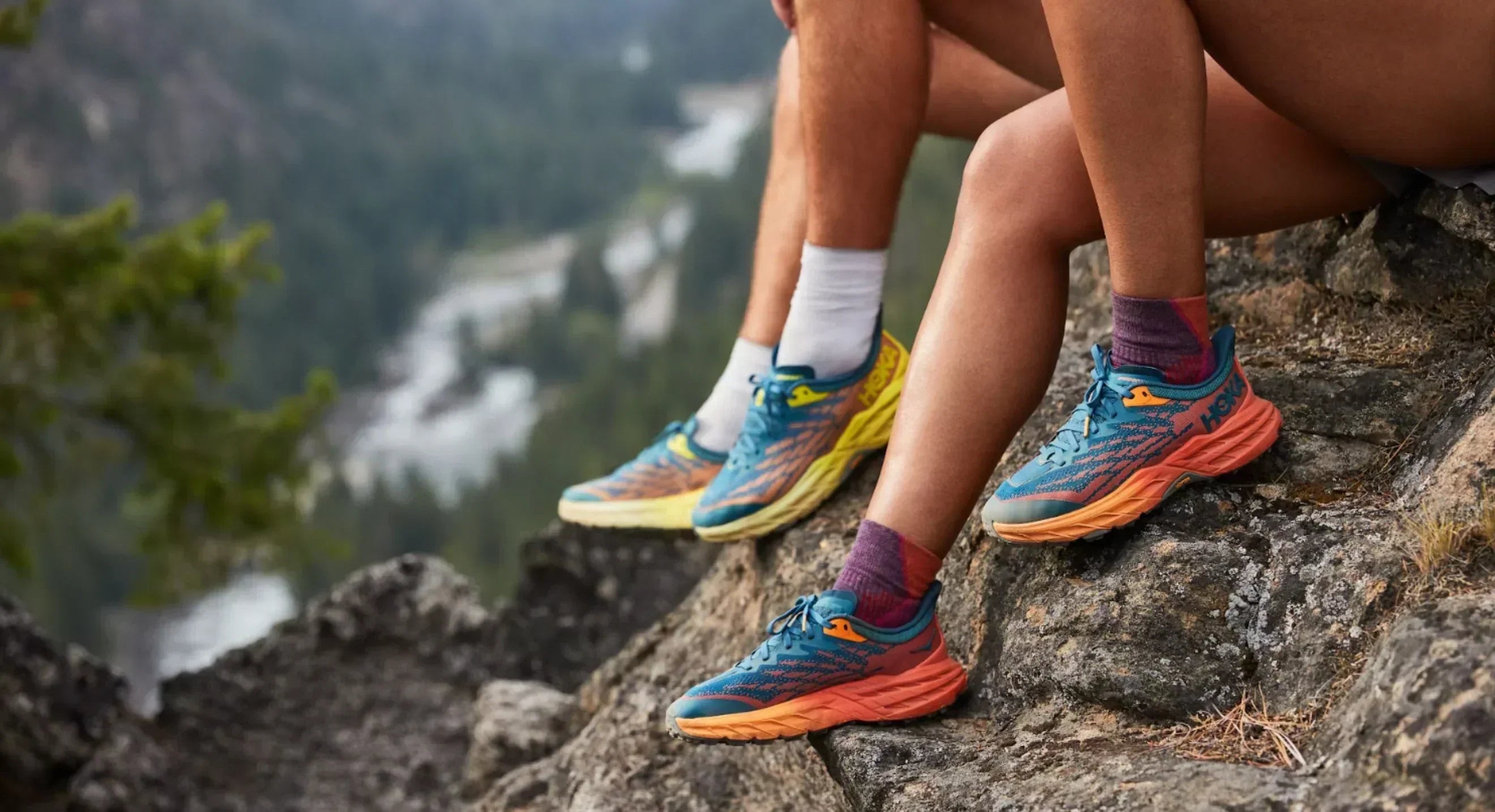
The short answer is yes, with smart choices. Can you use trail running shoes for hiking if you carry a light pack on well-made trails? Most of the time, yes. You save energy with lighter shoes. Research in load carriage shows weight on your feet costs more energy than weight in your pack. That adds up over miles.
But there are limits. Sharp rock, snow, heavy loads, and cold change the game. Knowing where trail runners fit keeps you safe and comfy, mile after mile.
What makes trail running shoes different from hiking boots
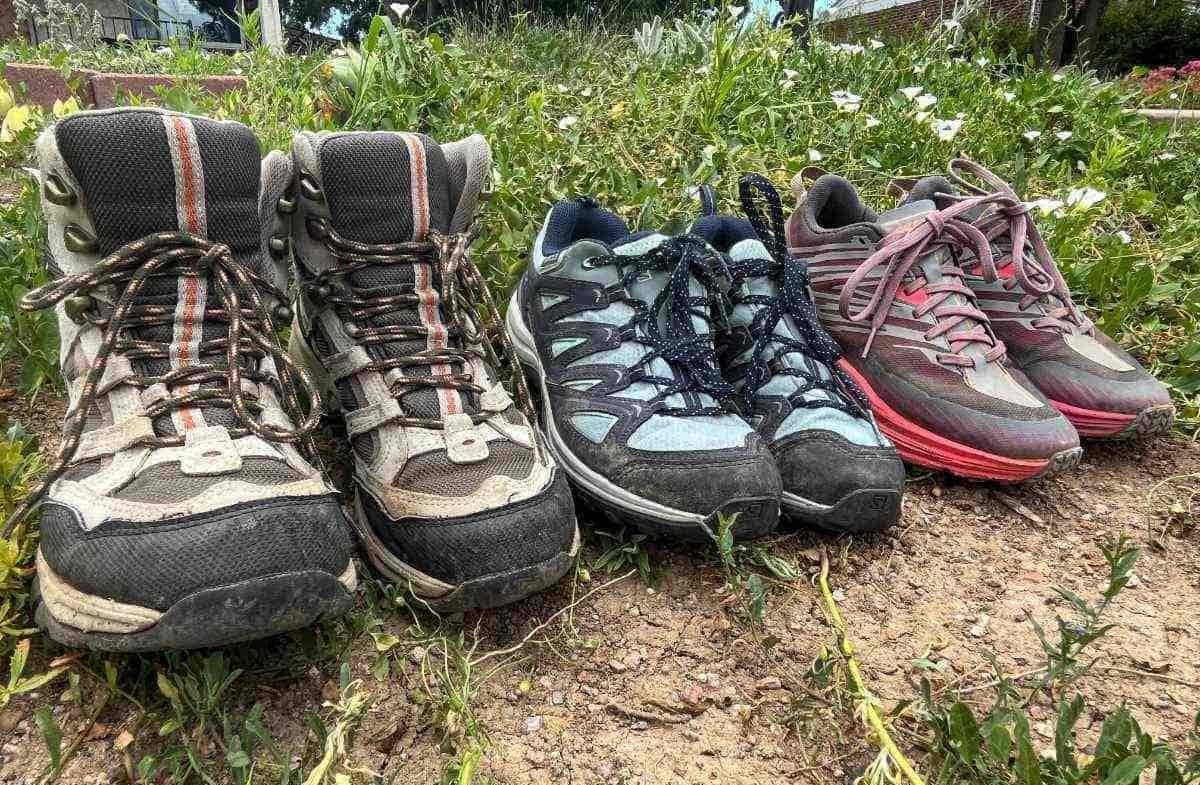
Trail running shoes aim for speed, grip, and breathability. Boots aim for structure, support, and protection. The build tells the story.
- Uppers: Trail shoes use airy mesh that dries fast. Boots use thicker leather or fabrics for durability.
- Midsoles: Trail shoes have soft foam for a lively ride. Boots use firmer foam for support.
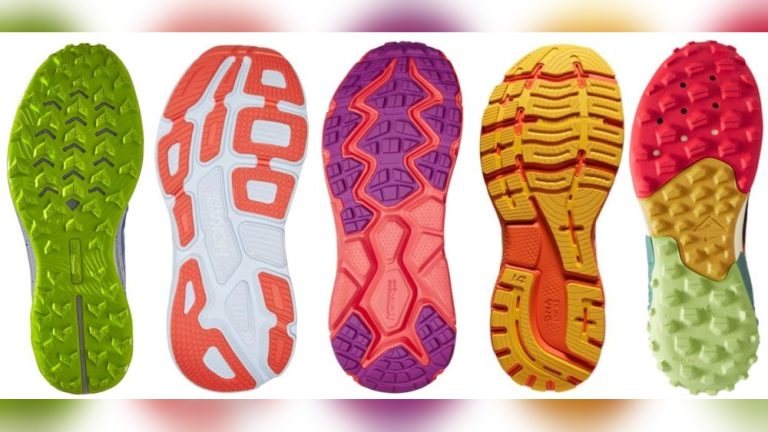
- Outsoles: Trail shoes feature sticky rubber and agile lugs. Boots use thicker rubber for long wear.
- Plates and caps: Many trail shoes add a rock plate and toe cap for protection.
- Height and support: Trail shoes sit low and flex more. Boots rise higher and brace the ankle.
If your question is can you use trail running shoes for hiking, knowing these traits helps you match shoes to the trail.
Benefits of using trail running shoes for hiking
Can you use trail running shoes for hiking and get real gains? Yes, and here are the big ones.
- Lower weight saves energy and reduces fatigue.
- Better breathability cuts sweat and blisters in heat.
- Faster drying keeps feet happier after stream crossings.
- Flexible feel improves foot placement and agility.
- Grippy rubber bites well on dry rock and dirt.
- Comfort out of the box, with little to no break-in.
Limits and risks to consider
Can you use trail running shoes for hiking anywhere? Not quite. Here is where they can fall short.
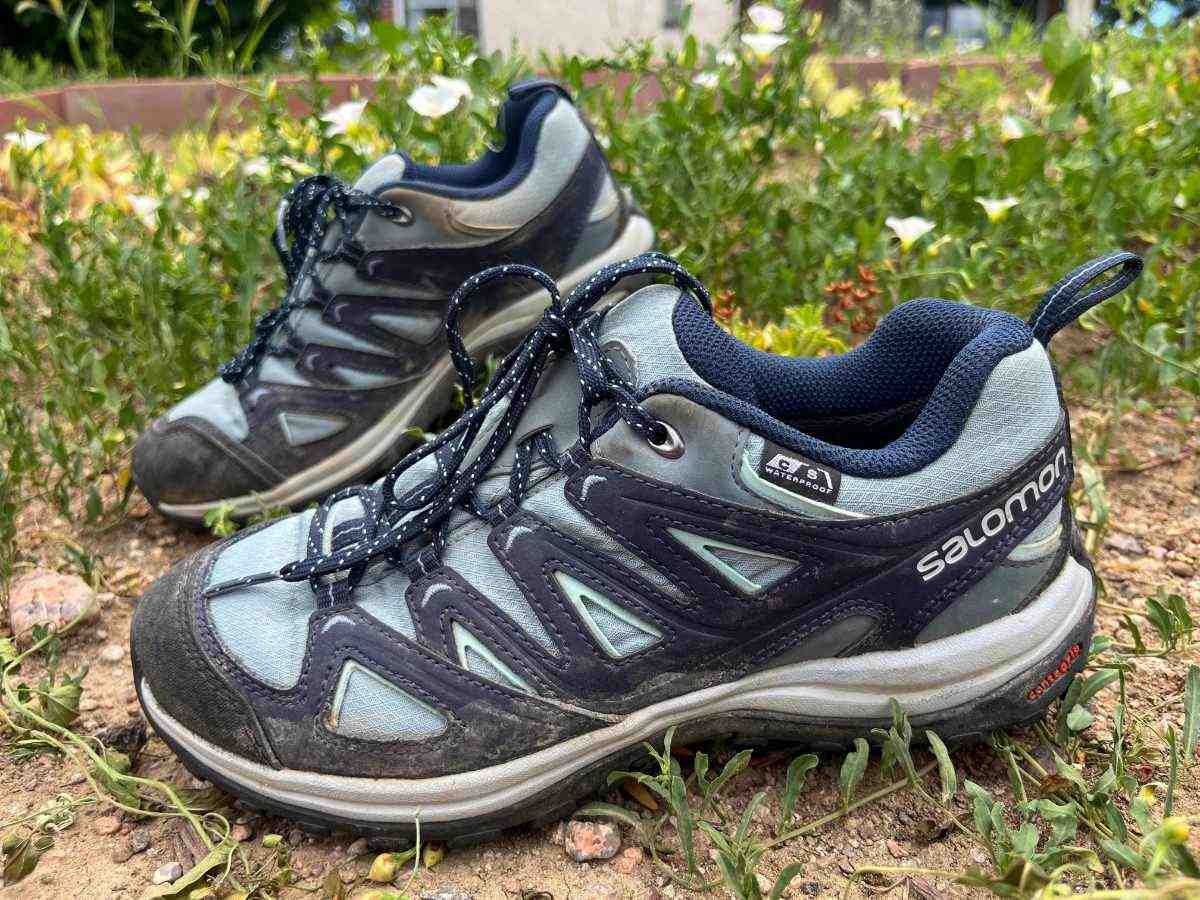
- Less ankle structure can feel sketchy on sidehills with heavy loads.
- Thinner soles can bruise feet on sharp rock without a rock plate.
- Soft midsoles can pack out faster under big mileage.
- Shallow lugs clog in deep mud and soft snow.
- Cold, wet weather can chill feet fast in airy mesh.
- Waterproof versions trap sweat in heat if you run warm.

A simple decision framework
Still asking can you use trail running shoes for hiking on your next trip? Use this quick guide.
Choose trail running shoes when:
- Trails are groomed or moderate, not sharp or icy.
- Weather is warm to mild and mostly dry.
- Pack weight is light, often under 25 pounds.
- You prefer speed, agility, and fast drying.
Choose boots when:
- Terrain is off-trail, very rocky, snowy, or brushy.
- Temps are cold and you expect wet or icy ground.
- Pack weight is heavy, often over 30 pounds.
- You need extra protection and long-term durability.
Key features to look for in trail running shoes for hiking
If you are wondering can you use trail running shoes for hiking and win on comfort, choose the right build.
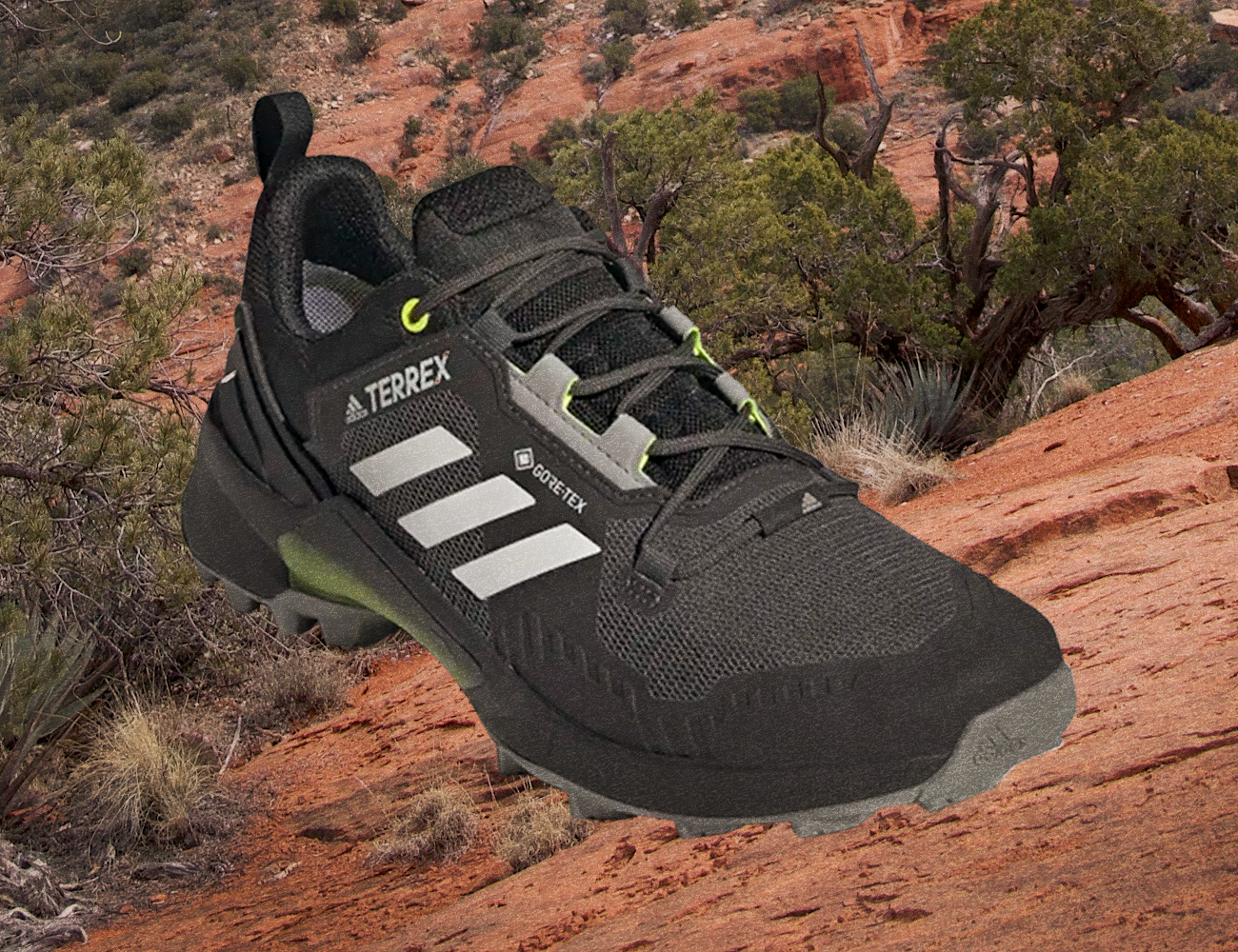
- Outsole rubber: Look for sticky compounds and a trail-ready tread.
- Lugs: Aim for 4–6 mm for mixed trails. Deeper for mud. Closer for rock.
- Rock plate: Vital if you hike on sharp stones or talus.
- Midsole: Balanced cushioning. Too soft feels great, but can feel unstable with weight.
- Drop: Moderate heel-to-toe drop (4–8 mm) suits most hikers.
- Fit: Secure heel, midfoot lock, and toe room for downhill.
- Upper: Tough mesh or overlays for abrasion. Reinforced toe cap for kicks.
- Drainage and gaiter points: Handy for creeky or sandy trails.
Fit, socks, and blister control
Fit is king. Can you use trail running shoes for hiking without blisters? Yes, if the fit and socks are right.
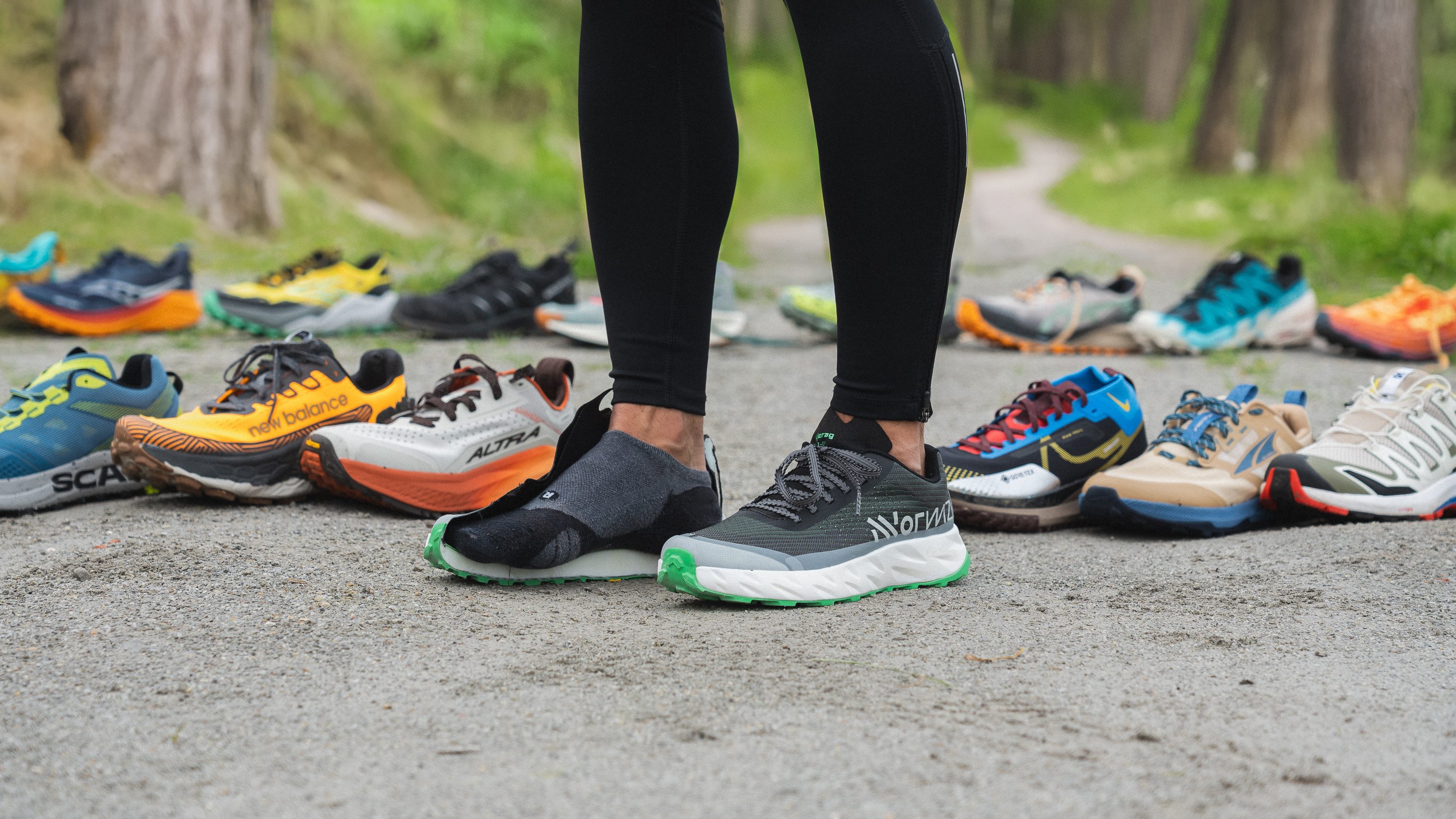
- Size up a half size to leave downhill toe room.
- Try shoes in the afternoon when your feet swell a bit.
- Use a heel-lock lace to stop slip.
- Wear merino or synthetic socks. Avoid cotton.
- Tape hot spots early. Carry tape and a small needle.
- Toe socks can help if you get between-toe blisters.
Terrain and season tips
Can you use trail running shoes for hiking in all seasons? Not all. Match your plan to place and weather.
Dry desert and high heat
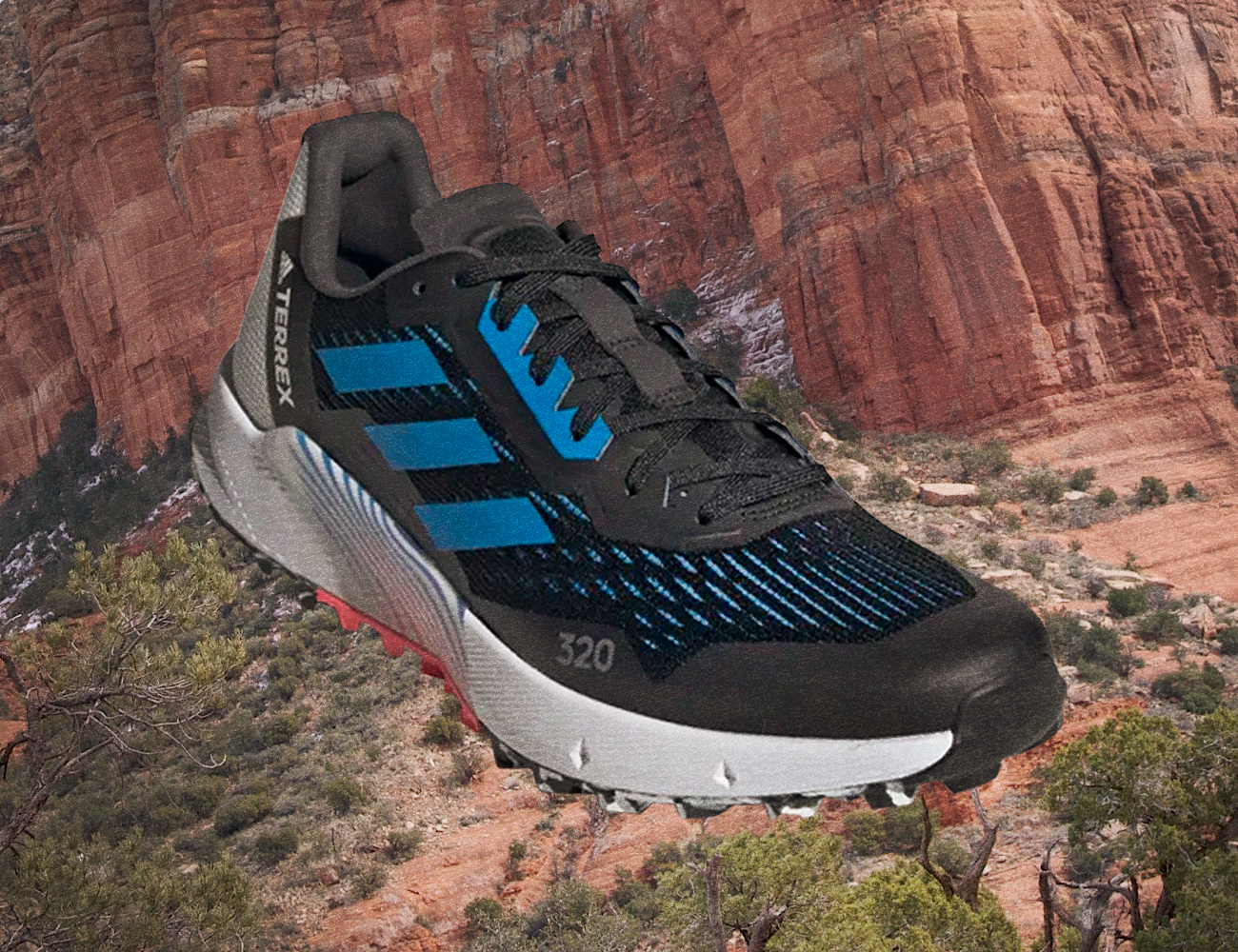
Trail runners breathe and dry fast, which helps a lot. Use light socks and carry water. Watch for cactus, scree, and toe stubs.
Wet forests and roots
Pick sticky rubber and deeper lugs. Non-waterproof mesh dries fast after rain. Use poles to brace on slick roots.
Talus, scree, and alpine rock
Choose shoes with a rock plate and firm midsoles. A precise fit helps edge on rock. Loose talus can punish soft foam.
Shoulder season and winter
In cold or snow, boots or insulated shoes are safer. If you try trail runners, use waterproof socks or vapor barriers. Keep hikes short and watch for numb toes.

Field notes from the trail
People ask me all the time: can you use trail running shoes for hiking on big days? On a hot 20-mile loop in canyon country, trail runners felt like cheat codes. My feet stayed cool, and I moved fast. I’d pick them again for that day.
I have also made mistakes. I once took soft, no-plate shoes onto sharp lava rock. By mile eight, my forefeet ached. Since then, I always use a rock plate on rocky routes. On a rainy coastal trail, mesh shoes dried fast after each puddle, and I finished blister-free. Lesson: match the shoe to the trail, and carry tape and dry socks.
Care, maintenance, and lifespan
Care keeps your shoes alive longer. Can you use trail running shoes for hiking all season long? Yes, with smart upkeep.
- Rinse mud, then air dry away from heat.
- Pull insoles and stuff with paper to speed drying.
- Glue small delams early before they spread.
- Rotate pairs if you hike often to let foam recover.
- Expect 300–500 hiking miles, less with heavy loads or sharp rock.
- Replace when the midsole feels flat or lugs are worn smooth.
Training and load management
Can you use trail running shoes for hiking with a pack? Yes, if you build your base.
- Strengthen feet and ankles with calf raises and balance drills.
- Start with short hikes, then add miles and elevation.
- Use trekking poles for steep downs and creek hops.
- Lighten your pack. Small weight cuts add up on your feet.
- Stretch calves and arches after hikes to ward off aches.
Frequently Asked Questions of can you use trail running shoes for hiking
Are trail running shoes good for backpacking with a heavy load?
They can work, but boots offer more support when packs exceed 30 pounds. If you use trail runners, pick a firm midsole and a rock plate, and use poles.
Do I need waterproof trail runners for hiking?
Only if you hike in cold, wet conditions. In warm weather, non-waterproof mesh dries faster and helps prevent blisters.
How long do trail running shoes last on hikes?
Most last 300–500 miles, depending on terrain and weight. Sharp rocks, heat, and big loads shorten their life.
Are trail runners safe on wet roots and slick rock?
Choose sticky rubber and careful footwork. Poles help a lot on slimy roots and steep slabs.
Can I use trail running shoes for hiking in winter?
They are not ideal in cold and snow. Use boots or add waterproof socks and keep distances short if you try trail runners.
Will my ankles be less protected in trail runners?
Yes, there is less structure. Good footwork, poles, and a lighter pack help reduce the risk.
Should I size up for hiking in trail running shoes?
Often a half size up is best to allow toe room on descents. Test late in the day with hiking socks.
Conclusion
Trail runners can be great hiking shoes when terrain is moderate, weather is kind, and your pack is light. You gain comfort, speed, and dry feet, but you trade some support and protection. The smart move is to match your footwear to your trail and goals.
Try a short local hike first to dial in fit, socks, and lacing. If it feels good, build up your miles and enjoy the lighter step. Want more tips like this? Subscribe, share your trail shoe wins or fails in the comments, and tell me what route you’re eyeing next.

4 Comments