Grey Women’s Running Shoes: Top Picks For 2026

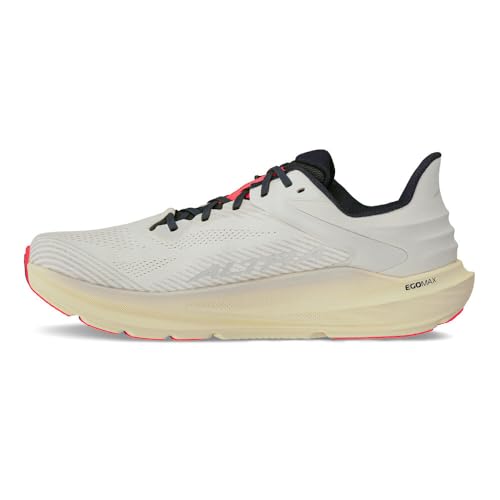
Grey women's running shoes blend style, comfort, and durability for daily miles.
If you want one pair that does it all, grey women's running shoes deliver. I test new models each season and help runners find the right fit. In this guide, I break down what matters, how to choose, and how to style them so you get the most from every run.
Why grey women's running shoes are a smart pick
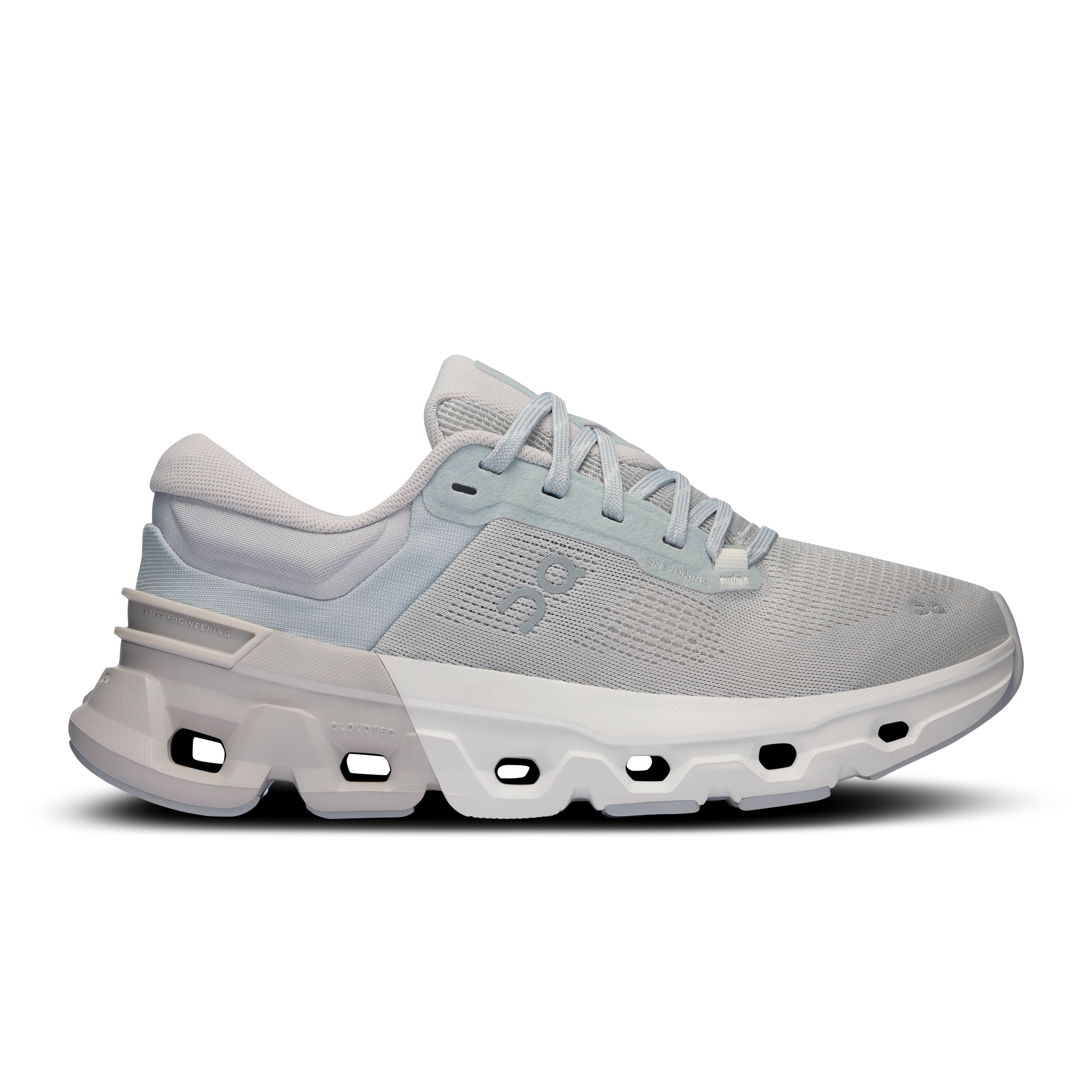
Grey is the most forgiving color in a runner’s closet. It hides dust, road grit, and scuffs better than white. It pairs with almost any outfit or kit. That makes grey women's running shoes a safe and smart daily choice.
There is more. Neutral shades can feel calmer and more timeless. That helps you keep a shoe in rotation longer. You can wear the same pair to work, on errands, and for a 5K.
Know the trade-off. Grey blends into dusk and low light. Pick models with reflective accents. Add lights or bright socks to stay seen.
I lean on grey women's running shoes for travel and commutes. One pair can handle a city run and a coffee stop. It just works.

Fit first: how to choose the right pair
Fit beats features. A great shoe that fits badly will still feel bad. Start with these steps.
- Measure both feet late in the day. Feet swell as you move.
- Aim for a thumb’s width in front of your longest toe.
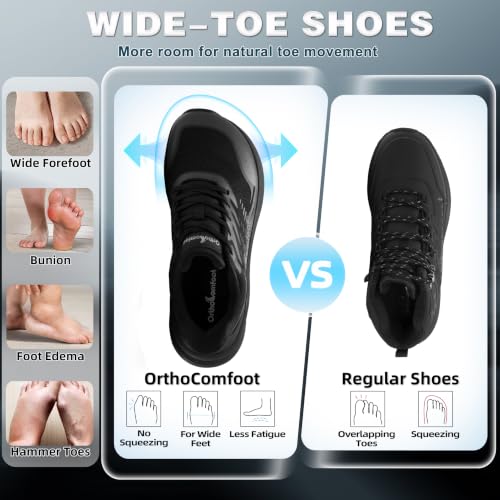
- Check width. Your foot should not bulge over the midsole.
- Lock the heel. It should not slip when you walk or jog.
Match the shoe to your gait. If you roll inward a lot, look at stability shoes. If you stay neutral, choose a neutral trainer. Unsure? Ask a store to film your stride. A slow-motion clip can reveal a lot.
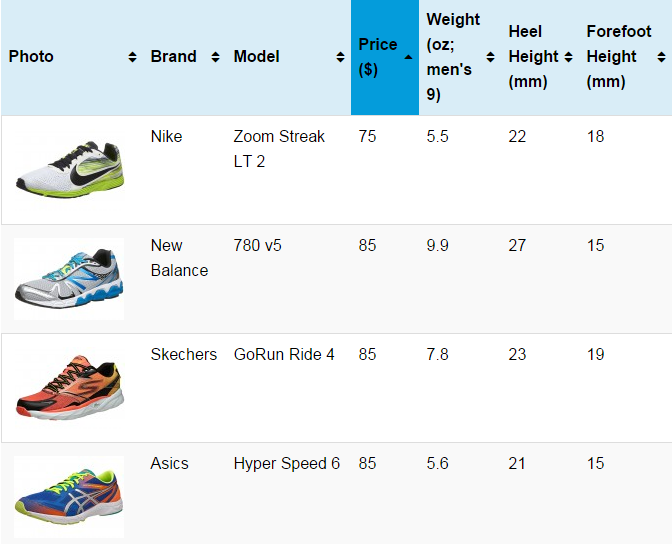
Mind the drop and stack. Drop is the height difference from heel to toe. Common drops range from 4 to 12 millimeters. Lower drops can feel more natural. Higher drops can ease tight calves.
Try before you buy if you can. Wear the socks you will run in. Jog in the store or on a demo treadmill. My biggest fitting lesson: do not size for standing. Size for a downhill jog. Toes need room when you move.
Grey women's running shoes come in many lasts and uppers. If one brand runs narrow, try another. Trust your feet more than the label.
Cushioning, support, and ride explained
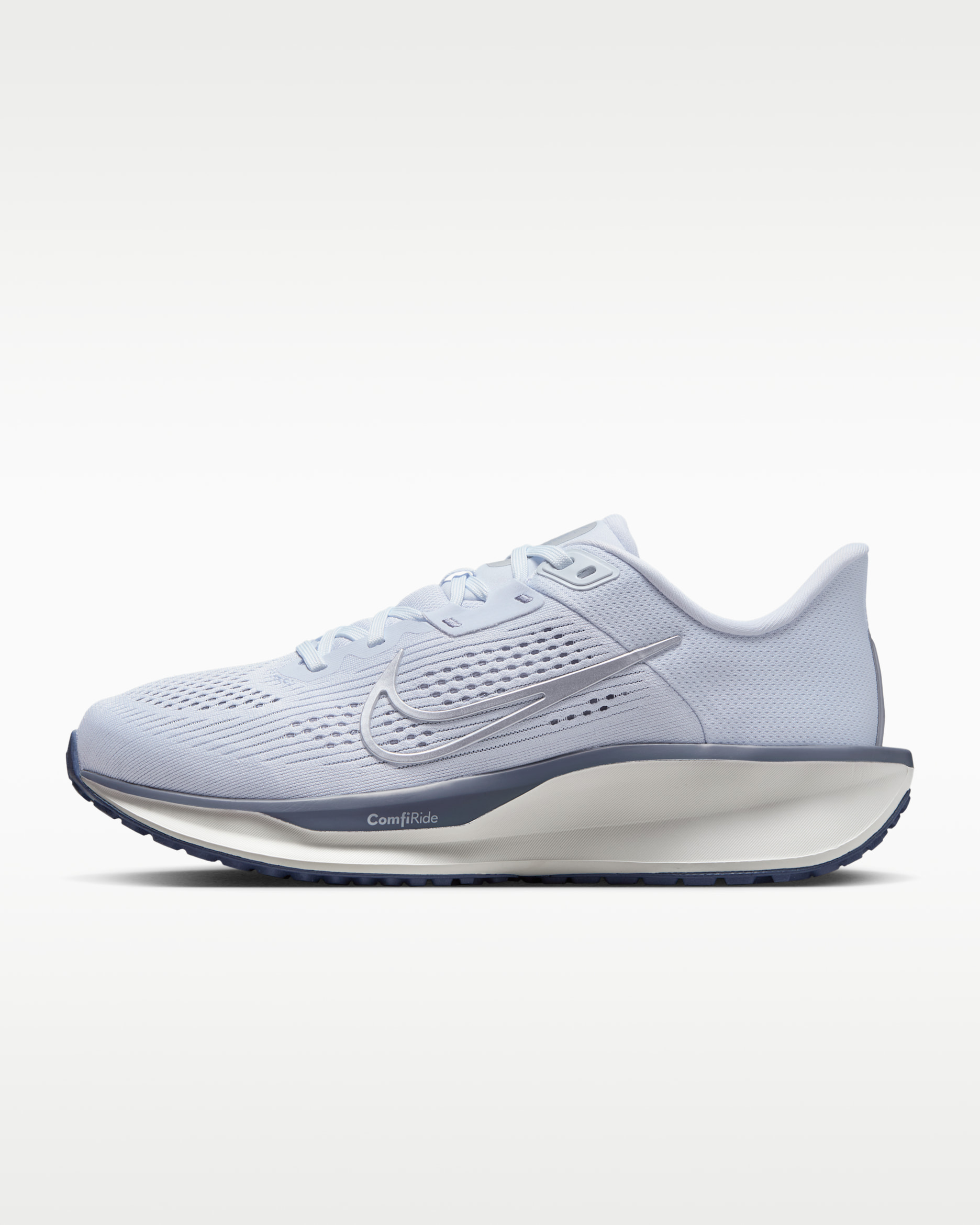
Cushioning sets the feel of the ride. EVA foams are light and soft. TPU and PEBA foams return more energy. Some midsoles use nitrogen-infused blends for bounce and low weight.
Support tech keeps your stride steady. Stability shoes may use guide rails, firmer medial foam, or wide bases. Neutral shoes skip those parts and flex more. If you often feel shin or knee strain, try light stability. If you feel boxed in, go neutral.
Plates add snap. Nylon plates feel smooth. Carbon plates feel springy and fast. They shine on tempos and races. You can still find plated grey women's running shoes for a subtle look with speed.
Build a small rotation if you can. Use a cushioned daily trainer for most miles. Use a lighter shoe for speed. Use a durable pair for wet days. Rotations can reduce injury risk and add life to each pair.

Materials and durability: what to look for
The upper should breathe and hold shape. Engineered mesh is the standard. Knit feels soft but can stretch. Look for a firm heel counter and secure eyelets. You want comfort without wobble.
The midsole is the workhorse. Expect 300 to 500 miles for most foams. Heavier runners or rough roads can cut that down. Watch for midsole creases, new aches, or a flat feel. Those are signs the foam is done.
The outsole protects the midsole. Blown rubber grips and feels soft. Carbon rubber lasts longer. On road shoes, look for rubber in high-wear zones. On trail shoes, check lug depth and pattern.
Grey women's running shoes mask small stains and outsole dust. But do not let that hide real wear. Track miles in an app or a simple note.
Style and outfit ideas: wear grey everywhere
Grey plays nice with color and neutrals. Use these simple rules.
- With black leggings, add a bright top or socks for pop.
- With colorful shorts, grey shoes keep the look clean.
- For a monochrome fit, match grey shoes with a light grey tee.
- For travel, grey pairs with jeans, joggers, and dresses.
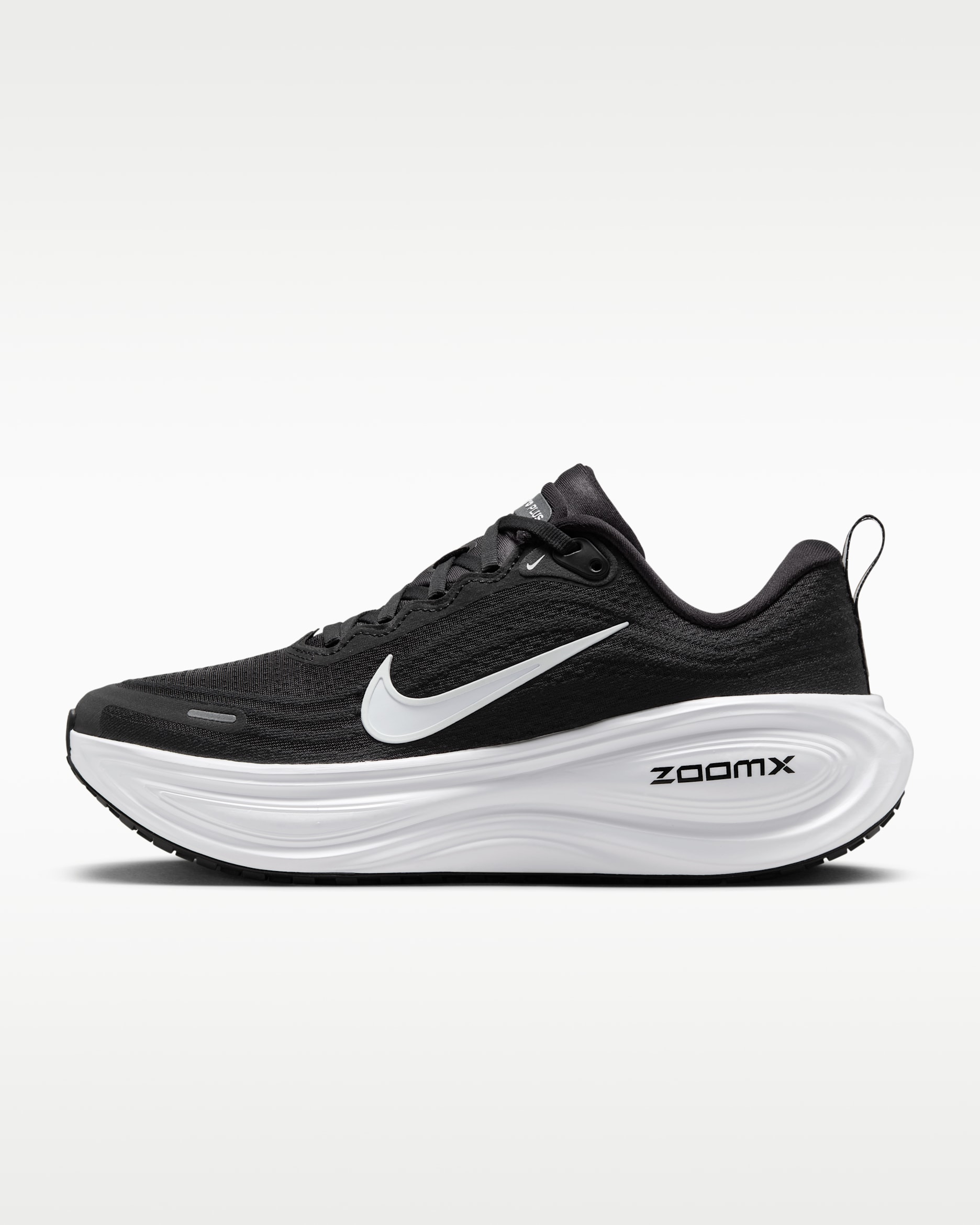
I like grey women's running shoes on work trips. They pass the airport test and handle a quick run. If you want one shoe for gym and city walks, grey is a safe pick.
If you love warm tones, pick a warm grey. If you wear cool tones, pick a cooler slate. Even small shifts in grey change the whole outfit.

Care, cleaning, and lifespan
Clean shoes work better and last longer. A short routine helps.
- Remove insoles and laces.
- Brush off dry dirt with a soft brush.
- Spot clean with mild soap and cool water.
- Pat dry with a towel. Air dry only. No heat.
- Deodorize with baking soda or newspaper overnight.
Avoid the washing machine. It can break glue and warp foam. Rotate pairs so each shoe dries fully between runs. Moisture is the enemy of foam and fabric.
Retire shoes when they feel flat or cause new aches. Grey women's running shoes may still look tidy as they age. Trust how they feel, not how they look.
Safety and visibility tips
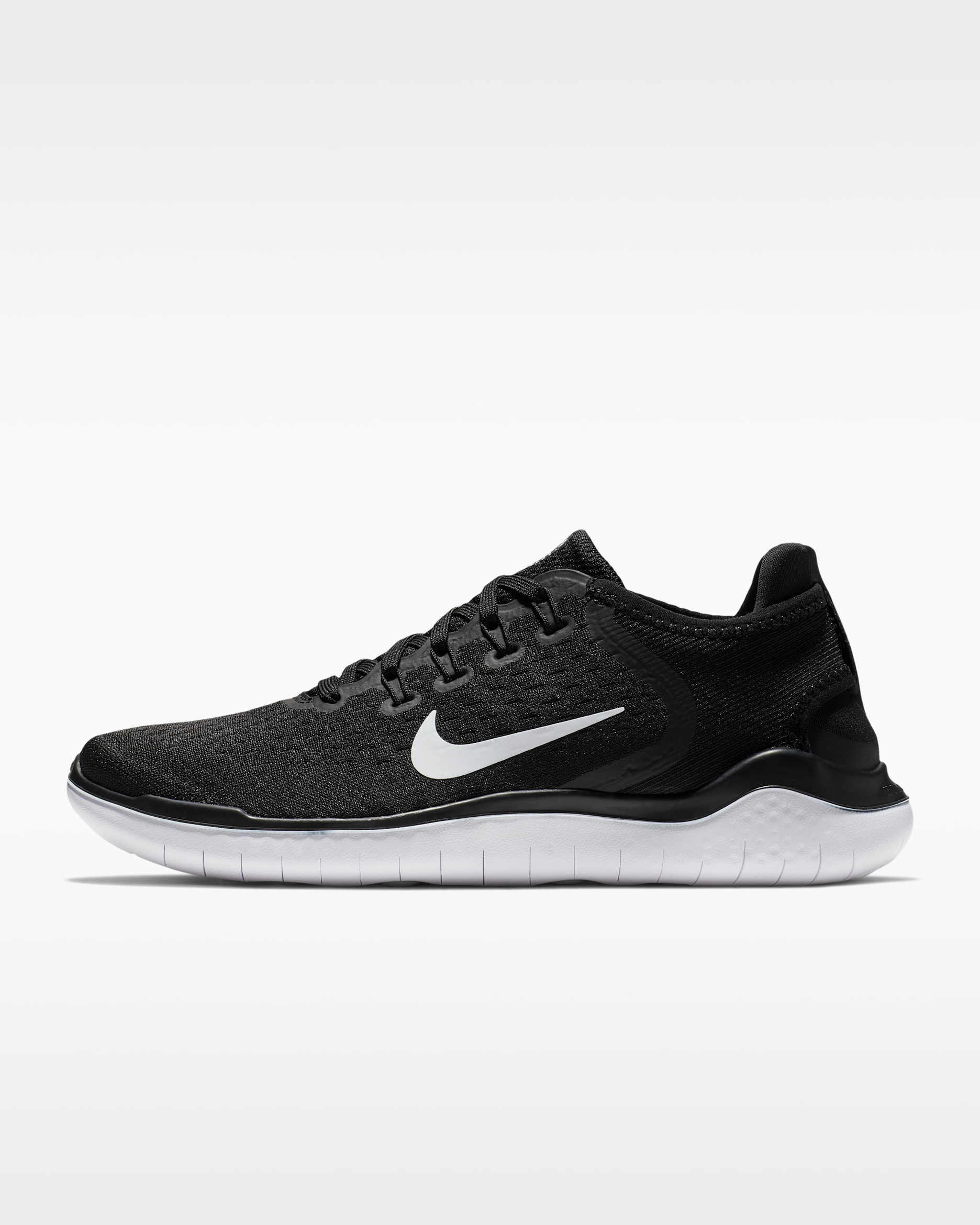
Grey blends into low light. Add contrast to stand out.
- Wear a reflective vest or belt.
- Use clip-on lights, a headlamp, or lit armbands.
- Pick grey women's running shoes with reflective logos.
- Add bright laces or socks for a flash of color.
If you run near traffic, face cars and avoid dark routes. Reflective details help most when they move. Swinging arms and ankles are prime spots.
Best uses: road, trail, gym
Match the shoe to the surface.
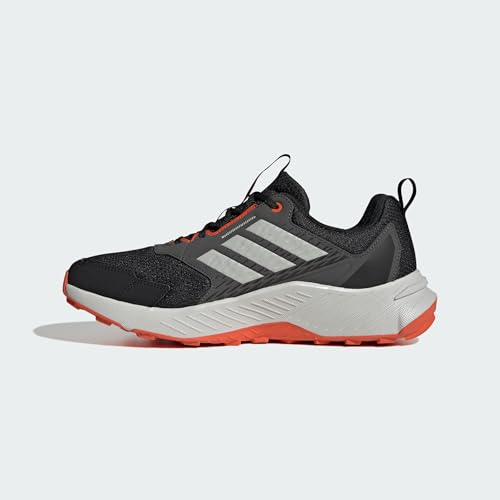
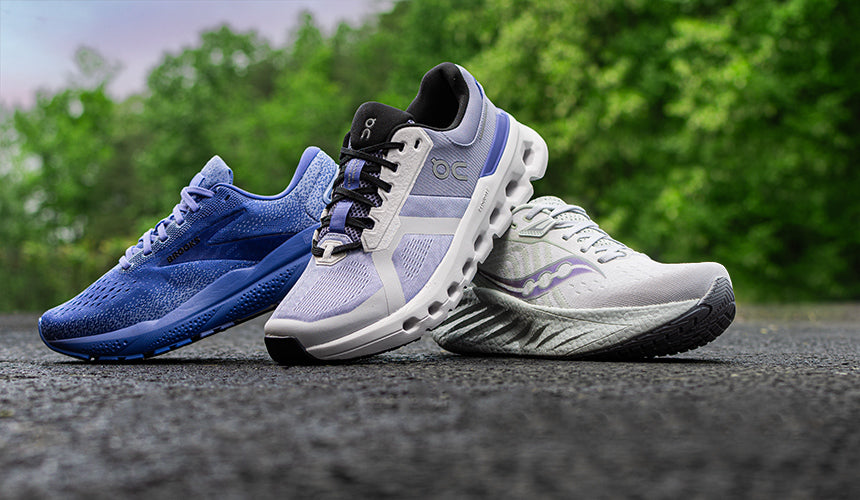
- Road: Look for smooth rubber, moderate lugs, and steady foam. Most grey women's running shoes live here.
- Trail: Seek deeper lugs, a rock plate, and toe protection. Grey hides dust well on dry trails.
- Gym: Pick a lower drop and a stable base for side moves. Super soft foam can feel wobbly under load.
Treadmills are kinder to foam. Expect more miles indoors. For hybrid days, I use a road shoe with a tougher rubber. It grips gym floors and still runs well.
Budget and value
You can find value at every price.
- Entry level: $60 to $100. Simple foam. Good for short runs.
- Mid tier: $110 to $150. Better foam and rubber. Best value zone.
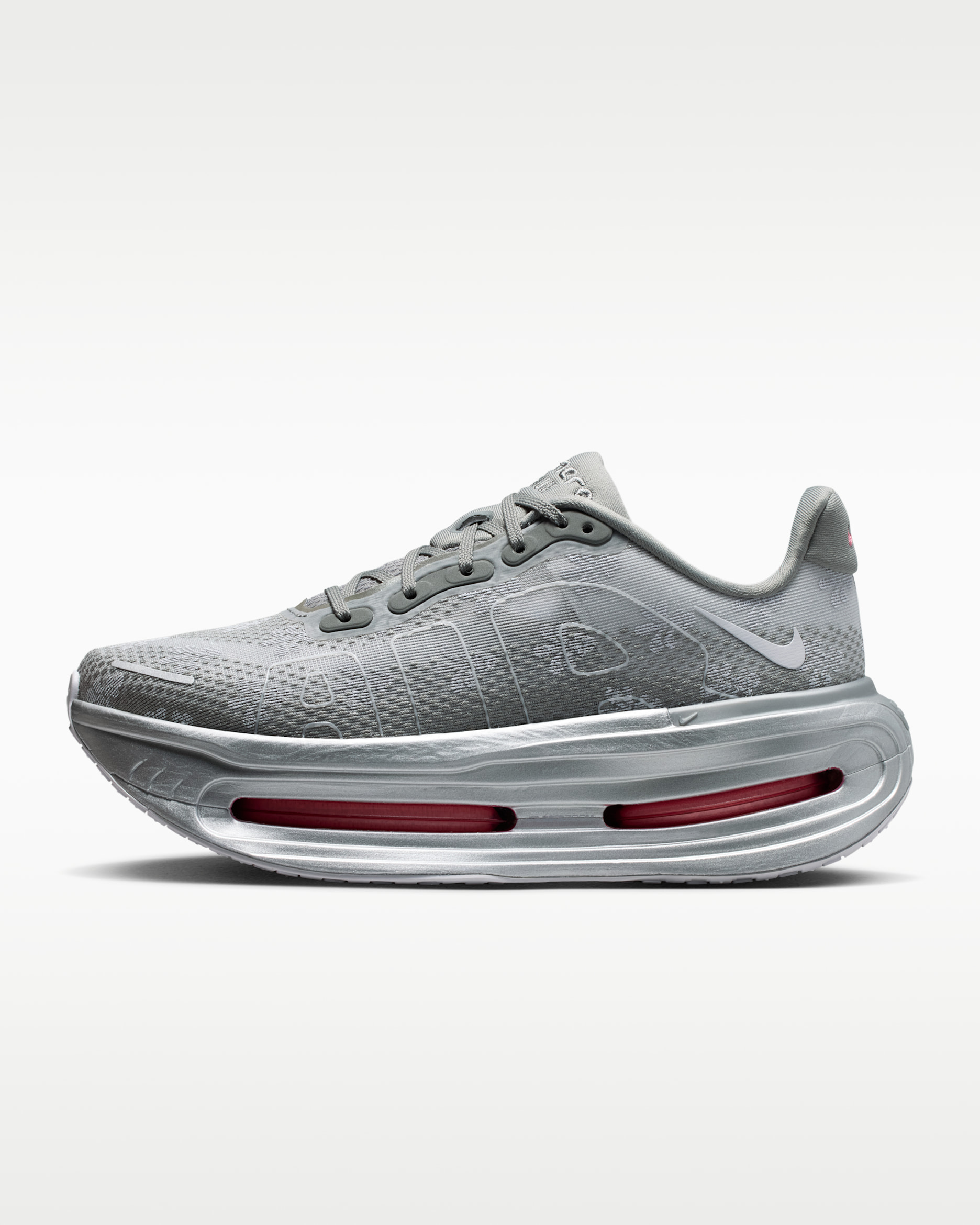
- Premium: $160 to $250. Super foams or plates. Great for speed or long runs.
Grey women's running shoes are often core colors. They stay in stock longer. That can mean fewer deep sales. Watch for last-season models. The ride is similar, and the price drops fast.
Think cost per mile. A $130 shoe that lasts 450 miles costs less per mile than a $90 shoe that lasts 250 miles.
Frequently Asked Questions of grey women's running shoes
Are grey women's running shoes good for daily wear?
Yes. They blend with most clothes and hide dust well. Pick a cushioned daily trainer if you walk and run in the same pair.
Do grey shoes show dirt less than white?
Usually, yes. Mid and dark grey hide road film and light mud better than white. Light grey still looks clean with a quick brush.
How often should I replace my running shoes?
Most pairs last 300 to 500 miles. Replace sooner if the foam feels flat or new aches appear.
Can I run at night in grey shoes?
You can, but add reflective gear or lights. Choose models with reflective logos and wear bright socks for contrast.
Should I size up for running?
Often a half size up works well. Your feet swell during runs, and extra toe room prevents black nails and blisters.
Are grey women's running shoes fine for the gym?
Yes, for most workouts. Choose a stable base and avoid very soft foams for heavy lifts or side moves.
Conclusion
Grey women's running shoes offer easy style, strong value, and everyday performance. Focus on fit first, then match cushioning and support to your stride. Keep them clean, stay visible, and track your miles.
Try two or three models side by side and trust your feet. When you find a pair that disappears under you, that is the one. Want more gear tips and honest tests? Subscribe, share your questions, or drop a comment with your current favorite pair.