Do Kane Shoes Run Big Or Small: Fit Guide 2026

Kane shoes usually fit true to size, though some styles can feel a bit roomier.
If you’re asking whether Kane shoes run big or small, the short answer is that most pairs are designed to fit close to standard sizing, but the feel can change depending on the model, foot shape, and sock choice. As someone who pays close attention to fit, materials, and real-world wear, I can say Kane shoes are the kind of shoes where a little sizing knowledge goes a long way. In this guide, I’ll break down how Kane shoes fit, when to size up or down, and how to choose the right pair with confidence.
Do Kane Shoes Run Big or Small?
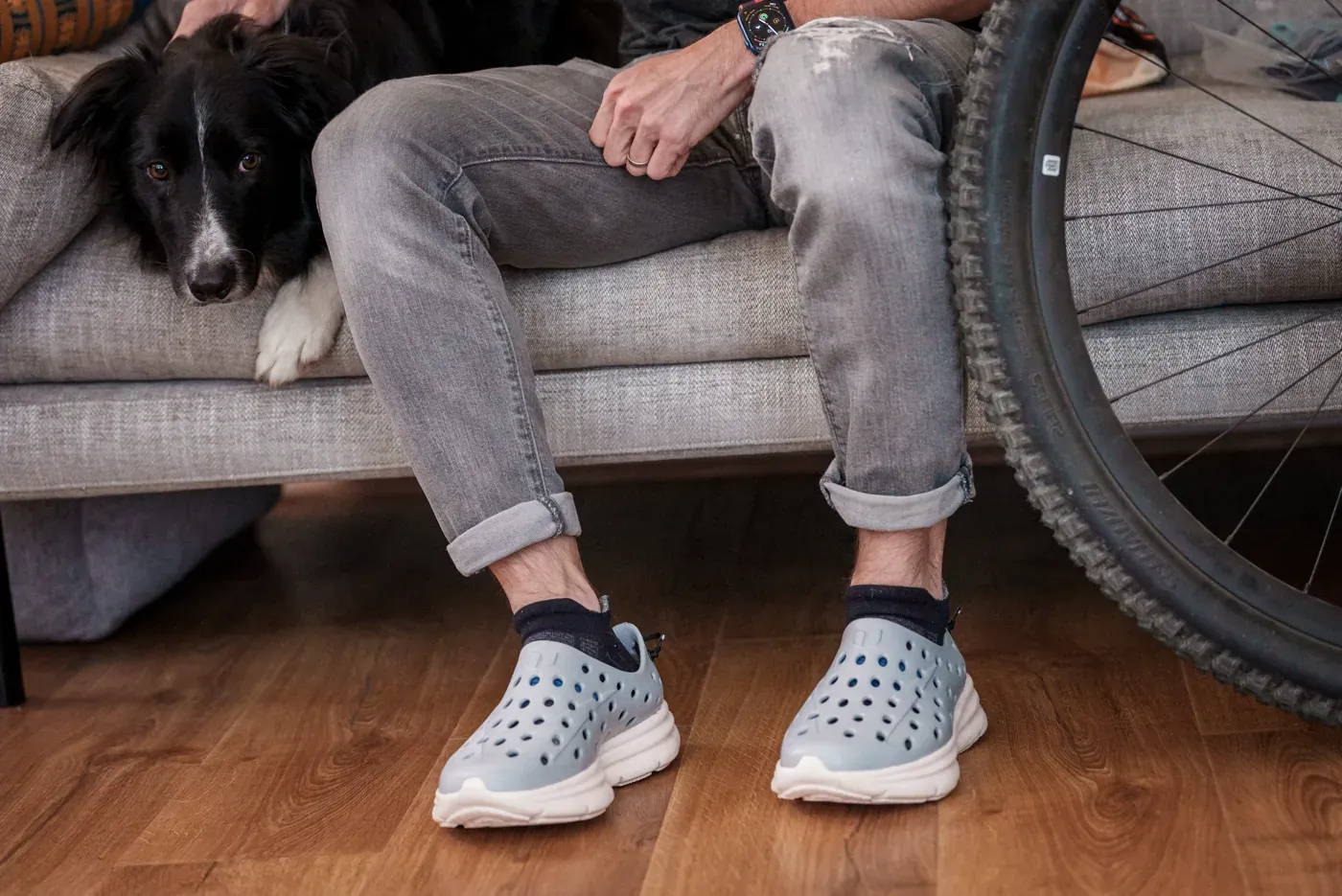
Kane shoes generally run true to size for most people. That said, some wearers with wider feet or high insteps may find certain styles feel slightly snug at first. The fit is usually supportive and secure, which is great for recovery shoes and casual wear, but it can also make them feel a little more structured than soft slip-ons.
In my experience, the biggest mistake people make is guessing based on their usual sneaker size without checking the shoe’s shape. Kane shoes often feel more forgiving in length than in width, so the fit can surprise you if you expect a very stretchy or loose feel. If you want the safest starting point, order your normal size and only size up if you know you need extra room.

How Kane Shoes Fit in Real Life
Kane shoes are made to support comfort, recovery, and all-day wear, so they do not fit like a flimsy foam sandal. They usually have a snug heel, a stable midfoot, and enough toe room for natural movement. That balance is part of what makes them popular, but it also means they can feel different from everyday sneakers.
A few fit traits stand out:
• Length: Most buyers find the length true to size
• Width: Standard width, with some models feeling a bit narrow for broad feet
• Instep: Can feel secure or slightly tight if you have a high instep
• Heel hold: Usually stable, which helps prevent slipping
• Break-in feel: Some pairs soften a little after short wear
I’ve found that people who like a relaxed, roomy shoe sometimes describe Kane shoes as “small” at first, even when the size is technically correct. That usually comes from the supportive construction, not from the shoe actually being short.
What Makes Kane Shoes Fit the Way They Do?
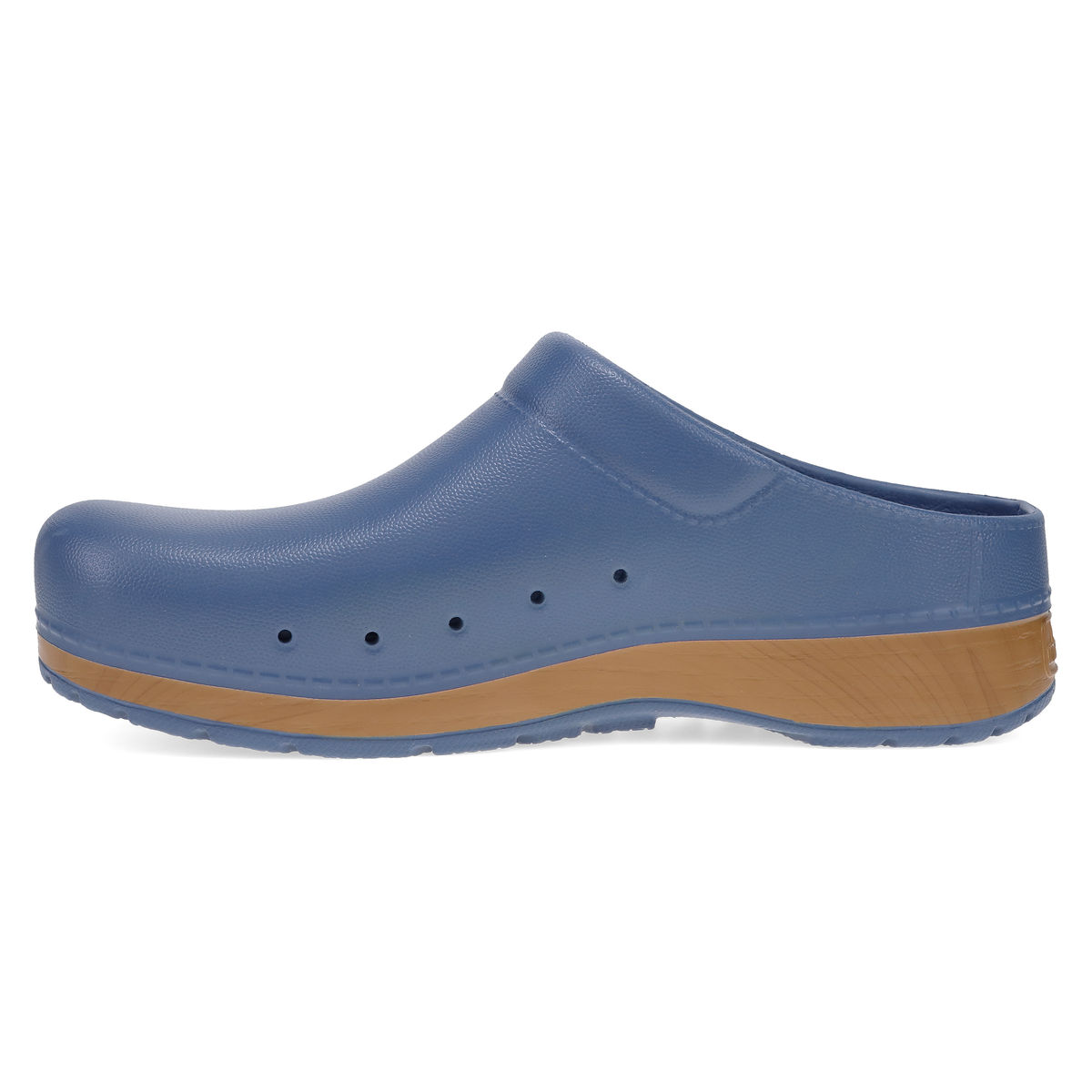
The fit of Kane shoes comes down to design. They are built with recovery and comfort in mind, so they need to hold the foot well without feeling sloppy. That means the shoe often has a more shaped interior than a basic slide or clog.
Several factors affect how Kane shoes feel:
• Material structure: Some materials keep their shape more than others
• Footbed design: A molded footbed can make the fit feel secure
• Toe box shape: A rounded toe area can feel generous or compact depending on your foot
• Sock use: Thin socks, thick socks, or no socks can change the fit a lot
• Foot volume: Flat feet, wide feet, and high arches all affect how the shoe feels
This is one reason size debates happen online. Two people can buy the same size and have totally different experiences. One may say Kane shoes run small, while another says they fit perfectly.
Should You Size Up in Kane Shoes?
You should consider sizing up if you have wide feet, a high instep, or prefer a looser fit. I also recommend going up a half size if you plan to wear thicker socks often. This is especially helpful if you do not like a snug first impression.
Here’s a simple rule that helps:
• Size true to size if you want a secure, standard fit
• Size up if you are between sizes
• Size up if your feet run wide
• Size up if you want more toe room
• Stay true to size if you want a snug recovery feel
One lesson I’ve learned is that comfort shoes should not pinch anywhere on the first wear. If a shoe already feels too tight in the store or right out of the box, it usually will not magically become perfect later.
Should You Size Down in Kane Shoes?
Most people should not size down in Kane shoes. Because the fit is already fairly secure, going smaller can make the shoe feel cramped in the toe box or tight across the top of the foot. That can reduce comfort and make the shoe less useful for daily wear.
Sizing down may only make sense if you have very narrow feet and you are between sizes. Even then, I would be cautious. A shoe that is too short can create rubbing, pressure points, and a less stable walking experience.
Kane Shoes for Wide Feet
If you have wide feet, Kane shoes may still work well, but you need to pay attention to the specific style. The brand is not usually known for extra-wide sizing across the board. That means some wide-footed wearers love the shape, while others need to size up for comfort.
Helpful tips for wide feet:
• Choose your usual size first if you are only slightly wide
• Go up a size if you feel pressure on the sides
• Wear thinner socks if the fit feels close
• Check how much stretch the upper material has
• Make sure your toes are not pressed against the front
A good fit should feel supportive, not squeezed. Think of it like a handshake, not a grip.
Kane Shoes and Half Sizes
If you wear a half size, Kane shoes can be a little tricky. In most cases, I suggest rounding up rather than down, especially if you like room in the toe box. That gives you a safer fit and helps avoid pressure on the top of the foot.
A few examples:
• If you wear 8.5 and like a snug fit, try 8 if you know the brand runs long for you
• If you wear 8.5 and prefer comfort, try 9
• If you wear 10.5, size up if your feet are wide or swollen at times
Half-size buyers are often the ones who feel the biggest difference from one model to another. That is why checking the shape of the exact Kane style matters more than relying only on the size number.
How Kane Shoes Compare to Other Comfort Shoes
Compared with many soft foam clogs or slip-ons, Kane shoes usually feel more structured and secure. That can make them seem smaller even when the size is accurate. They are less about squishy looseness and more about stable comfort.
Compared with everyday sneakers, Kane shoes may feel:
• More molded underfoot
• Less stretchy across the upper
• More secure in the heel
• Slightly more compact at first wear
• Better for recovery-style support
This is important because people often confuse structure with tightness. A structured shoe can feel firm without actually running small.
What Real Wearers Usually Notice
Most wearers notice one of three things:
• The shoe fits perfectly in their normal size
• The shoe feels slightly snug at first, then settles in
• The shoe feels small only if they have wide or high-volume feet
That pattern matches what I’ve seen across many comfort footwear brands. The fit question is rarely about the length alone. It is more about shape, volume, and how your foot sits inside the shoe.
One practical tip: try Kane shoes on later in the day if possible. Feet naturally swell a bit during the day, and that gives you a more realistic fit check.
How to Choose the Right Kane Shoe Size
If you want the best chance of a good fit, use a simple sizing process.
- Measure your feet at the end of the day
- Check both length and width
- Compare your longest foot, not your smaller one
- Think about whether you wear socks
- Decide if you prefer a snug or roomy fit
- If you are between sizes, lean up rather than down
This method saves a lot of frustration. The right shoe size is not just about comfort today. It is about comfort after hours of walking, standing, and moving around.
Common Fit Mistakes to Avoid
A lot of sizing problems happen for easy-to-fix reasons. The biggest one is assuming every comfort shoe fits the same. Another common mistake is choosing the smaller size because it “feels better” for one minute in a store.
Avoid these mistakes:
• Buying based only on your sneaker size
• Ignoring width and instep height
• Sizing down because you fear heel slip
• Forgetting that socks change the fit
• Assuming all Kane styles fit exactly the same
In my experience, a shoe that feels a little roomy is usually easier to live with than one that feels just a bit too tight. Tight shoes may bother you more over time.
Frequently Asked Questions of do kane shoes run big or small
Do Kane shoes run true to size?
Yes, most Kane shoes run true to size for the average wearer. If you have standard width feet and prefer a secure fit, your usual size is usually the best starting point.
Should I size up in Kane shoes?
You should size up if you have wide feet, a high instep, or like more room in the toe box. Size up as well if you are between sizes or plan to wear thicker socks.
Are Kane shoes good for wide feet?
They can be, but it depends on your foot shape and the style. Some wide-footed wearers find them comfortable, while others prefer going up a size for extra room.
Do Kane shoes stretch over time?
Some materials may soften a bit with wear, but they do not usually stretch dramatically. It is best to choose a size that feels comfortable from the start rather than counting on major stretch.
Are Kane shoes tight at first?
They can feel a little snug at first because of their structured design. That does not always mean they run small, but it does mean the fit may feel more supportive than loose.
Can I wear Kane shoes without socks?
Yes, many people wear them without socks, especially in warm weather. If you plan to do that often, a true-to-size fit usually works well, but make sure the heel and toe room still feel right.
Conclusion
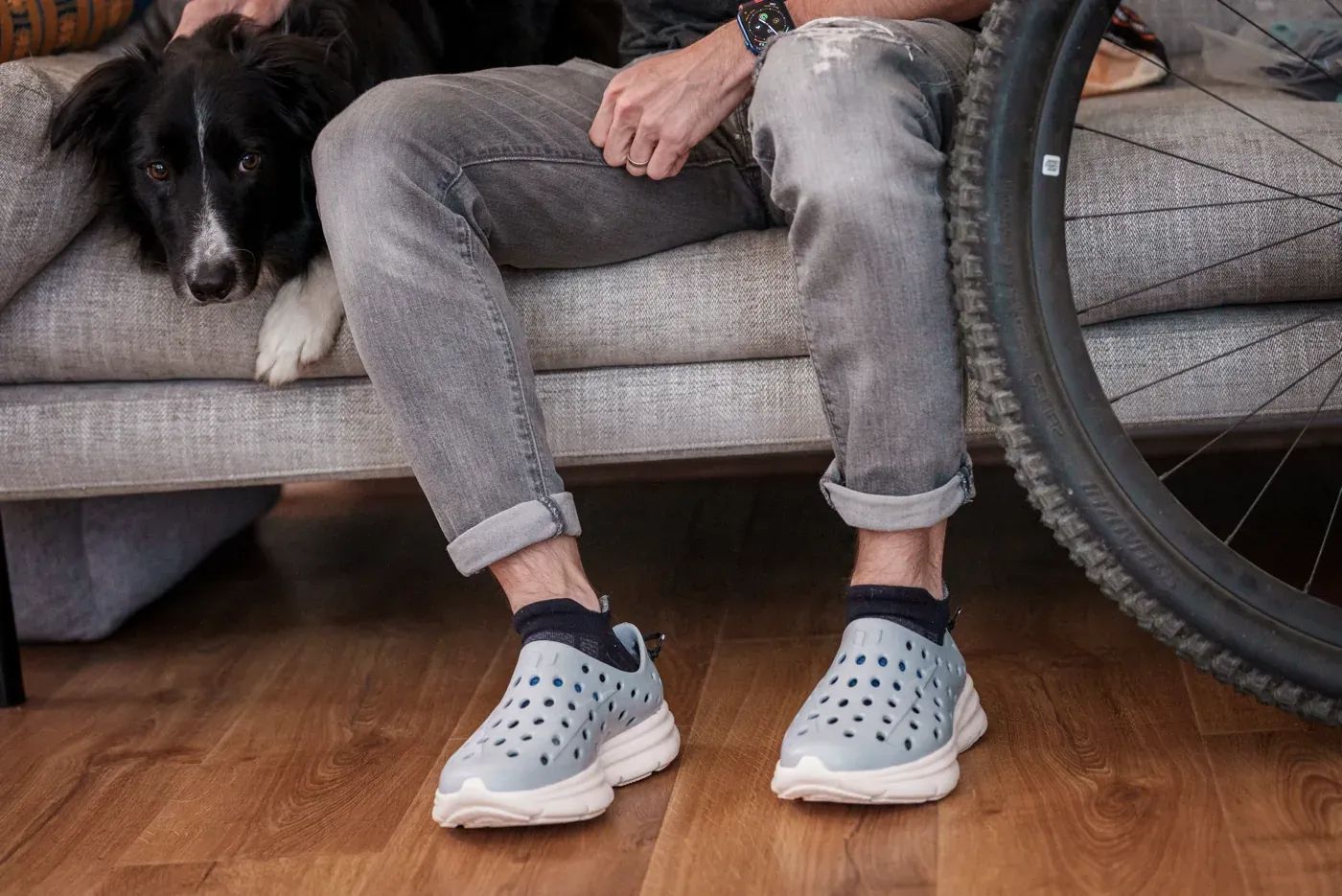
So, do Kane shoes run big or small? For most people, they run true to size, but they can feel slightly snug if you have wide feet, a high instep, or prefer a roomier fit. The best choice usually comes down to your foot shape, sock habits, and how much structure you want in a shoe.
If you want the most reliable fit, start with your normal size and move up only when your feet need the extra space. Take your time, check the fit carefully, and trust how the shoe feels after a few minutes, not just in the first moment. If this guide helped, keep exploring fit tips for your favorite brands and share your own Kane shoe experience in the comments.