Best Running Shoes For Recovery Runs: Comfort Guide

The best running shoes for recovery runs balance soft cushioning, easy comfort, stable support, and a smooth ride.
After a hard workout, your legs may feel heavy, tight, and sore. A recovery run should help you move, not add more stress. The right shoes can make slow miles feel easier with soft cushioning, a comfortable fit, and steady support. I reviewed four popular options for different runners, including neutral shoes, a support shoe, and choices for wider feet. My top pick is the Brooks Ghost 17 Wide for its calm ride and daily comfort, while the Adrenaline GTS 25 suits runners who want more guidance.
See the differences between my top picks at a glance.
Brooks Hyperion Max 3

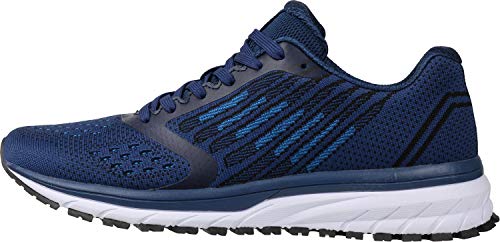
The Brooks Hyperion Max 3 is a neutral running shoe for people who want cushioning without a dull or slow feel. It makes sense for runners who enjoy a smooth, more energetic shoe on easy days. The design may also suit a runner who mixes recovery miles with light tempo work. I like that it gives you a more active ride than a very soft daily trainer.
For recovery runs, this shoe works best when your legs need comfort but you still like some bounce underfoot. It may feel more engaging than a classic plush trainer. However, a lively shoe is not the same as a soft shoe, so runners with very sore legs may prefer the Ghost 17. Check the current Amazon listing for the exact size, color, and fit details before ordering.
Pros:
- Cushioned neutral design for everyday road running
- Lively feel that can keep slow miles from feeling flat
- Useful for both easy runs and controlled faster work
- Good option for runners who dislike overly heavy shoes
- Comfortable choice for runners with a neutral stride
- Versatile enough for regular training schedules
Cons:
- May feel too active for runners seeking a very soft recovery shoe
- Neutral support may not suit runners who need motion guidance
- Fit and availability can vary by color and size
What Amazon Buyers Are Saying
Amazon customer feedback for running shoes often centers on fit, comfort, weight, and the feel of the sole. Buyers who like this type of Hyperion Max model tend to value its smooth ride and responsive feel. Some runners may find the shoe comfortable for daily training, while others may need time to adjust to its more energetic design.
Fit comments deserve close attention. Running shoe comfort can change with foot shape, sock thickness, and preferred toe room. Read the newest reviews for your selected size, and check whether buyers mention width, heel hold, or break-in time. Treat review patterns as helpful clues, not a guarantee that the shoe will fit every foot.
My Recommendation
I recommend the Hyperion Max 3 for neutral runners who want recovery-day cushioning with a little extra life. It is worth considering if you dislike slow, bulky shoes. I would not make it the first choice for someone who wants maximum softness or added support. Overall, I rate it 4.3 out of 5.
adidas Adizero Pacer

The adidas Adizero Pacer is aimed at runners who enjoy a light and quick shoe. It is a strong fit for short recovery runs when you want an easy shoe that does not feel cumbersome. The Pacer name suggests a training style that favors a brisk, direct ride. I see it as the most speed-minded option in this group.
That design can help runners who struggle to slow down in heavy shoes, but it may not be the best match for tired legs that need deep comfort. A recovery run should stay easy, and this shoe may encourage a more active stride for some runners. If you prefer a firm, close-to-the-road feel, it is worth a look. If you want a plush landing, compare it with the Ghost 17 or Adrenaline GTS 25.
Pros:
- Light-feeling option for short and easy runs
- Responsive ride for runners who like quick transitions
- Works well for drills, strides, and mixed training
- Less bulky feel than many highly cushioned trainers
- Good choice for runners who prefer a direct road feel
Cons:
- May not provide enough softness for long recovery runs
- Neutral construction does not add stability guidance
- Fit may feel less forgiving for wide feet
What Amazon Buyers Are Saying
Buyers who choose adidas Adizero shoes often focus on light weight, a firm response, and a snug performance fit. Those traits can feel helpful during faster training or short runs. Some customers may praise the shoe for feeling fast and easy to wear, while others may want more room or more underfoot comfort.
As with any performance shoe, review the latest comments for your size. Look for repeated notes about toe room, heel movement, arch feel, and comfort after several miles. A shoe that feels fast to one runner may feel too firm to another, especially on a recovery day.
My Recommendation
I recommend the Adizero Pacer for experienced neutral runners who want a light shoe for short recovery miles and mixed workouts. It is less suitable for runners who want a soft, slow-day shoe. Buy it when a responsive feel matters more than maximum cushioning. Overall, I rate it 4.0 out of 5.
Brooks Adrenaline GTS 25

The Brooks Adrenaline GTS 25 is the support-focused pick in this review. It suits runners who want a stable, guided feel during easy miles. The shoe can also work well for walking, standing, and daily use when comfort matters beyond running. Its supportive design makes it a practical choice for runners who do not feel secure in soft neutral shoes.
Recovery runs often expose small fit and support problems. When your legs feel tired, a steady shoe can help you feel more controlled. The Adrenaline GTS 25 may feel less free than a neutral shoe, so it is not the right match for every runner. If you already run comfortably in neutral shoes, compare both styles before you choose.
Pros:
- Supportive design for runners who want more guidance
- Comfortable option for recovery runs and walking
- Steady feel that can inspire confidence on tired legs
- Useful for runners who prefer a structured shoe
- Versatile for daily wear and regular training
- Good alternative when neutral shoes feel unstable
Cons:
- May feel less flexible than a neutral running shoe
- Can feel more noticeable underfoot for runners who prefer freedom
- Support does not replace a professional gait or foot assessment
What Amazon Buyers Are Saying
Amazon buyers who choose the Adrenaline line commonly look for support, comfort, and a dependable fit. Positive review themes may include a secure feeling for walking and running, useful everyday comfort, and a stable platform. Some customers may prefer the guided design, while runners who need a very flexible neutral shoe may find it too structured.
Pay attention to comments from buyers with a similar foot shape and running style. Reviewers may mention heel security, toe room, arch contact, and comfort during long days. Since fit can change between versions, focus on recent comments for the exact Adrenaline GTS 25 listing.
My Recommendation
I recommend the Adrenaline GTS 25 for runners who want support during slow miles or who feel uneasy in neutral shoes. It is worth buying when stability and daily comfort rank above a light, fast feel. It may not suit runners who do not need guidance. Overall, I rate it 4.4 out of 5.
Brooks Ghost 17 Wide

The Brooks Ghost 17 Wide is my top choice for easy recovery miles. The neutral design keeps the ride simple, while the wide version gives your toes more space than a standard-width shoe. This matters after long runs, when feet may feel swollen or sensitive. It is also a useful daily trainer for walking and regular road miles.
I like this shoe for runners who want comfort without a strong support system or a racing feel. The balanced ride should suit a broad range of easy-run habits. The wide size shown here is important, but you still need to confirm the current listing and your own measurements. A wide shoe should feel roomy, not loose around the heel.
Pros:
- Comfort-focused choice for easy recovery running
- Wide fit gives toes more room to spread
- Neutral design suits runners who do not need added guidance
- Balanced feel for running, walking, and daily wear
- Easy choice for runners who value steady comfort
- Less aggressive than a speed-focused training shoe
Cons:
- Neutral design may not provide enough guidance for some runners
- Wide fit may feel loose for narrow feet
- Not the best option for runners seeking a very light racing feel
What Amazon Buyers Are Saying
Review patterns for Ghost shoes often focus on comfort, smooth daily use, and fit. Buyers who need more room may appreciate the wide version, especially for walking or relaxed runs. Other customers may mention that the shoe feels different from an older Ghost model or that the width varies by foot shape.
Before ordering, read current comments that mention the wide size. Look for details on toe room, heel hold, arch comfort, and use over several miles. A wide forefoot does not always mean a wide heel, so the best fit should hold your foot securely without pressing the toes.
My Recommendation
I recommend the Ghost 17 Wide to most neutral runners who want an easy, comfortable shoe for recovery days. It is especially attractive for runners with wider feet or feet that need extra room after long runs. Choose another model if you need structured support or a very light feel. Overall, I rate it 4.6 out of 5.
How to Choose Best Running Shoes for Recovery Runs
Choosing the best running shoes for recovery runs starts with your body, not the logo. Recovery shoes should feel comfortable at a slow pace. They should not force you to run fast or fight for balance. Think about your usual soreness, foot shape, stride, running surface, and the type of support that feels natural. A good shoe can make an easy run feel easier, but it cannot replace rest, sleep, or medical care.
1. Match the cushioning to your recovery needs
Cushioning helps reduce the harsh feel of repeated steps. Yet more cushioning does not always mean more comfort. Some runners prefer a soft landing, while others feel better in a firmer and more stable shoe. The Ghost 17 offers a calm neutral option. The Hyperion Max 3 gives a more lively feel. The Adizero Pacer feels more direct, so it may work better for short easy runs than long, tired outings.
Think about where you will run. Asphalt and concrete may make you want more comfort. A track or smooth path may let you choose a lighter shoe. If you run slowly after hard workouts, choose the model that lets you relax your stride. Your heel should land without pain, and your forefoot should bend in a natural way.
2. Check support, width, and fit before comfort claims
Fit is one of the most important parts of recovery shoe buying. Leave some room in front of your longest toe. Your heel should stay in place without a hard squeeze. The midfoot should feel held, not crushed. Try shoes later in the day if your feet swell after work or after a long run.
Choose neutral shoes when they feel stable and natural. Choose a support model such as the Adrenaline GTS 25 when you prefer guidance or feel less secure in neutral shoes. Do not select support only because it sounds more advanced. The best running shoes for recovery runs should match your own stride and comfort needs.
Width also matters. The Ghost 17 Wide is the clearest option in this group for runners who need more forefoot room. A wide shoe should not allow your foot to slide from side to side. If your heel moves, try a different size, lacing method, or width. If you have ongoing pain, ask a qualified health professional for advice.
3. Compare ride, use, and long-term value
Consider how often you will wear the shoes. A daily recovery shoe should also work for warm-ups, walks, and easy training. That wider use can make a comfortable shoe a better value. The Ghost 17 and Adrenaline GTS 25 stand out for this type of flexibility. The Hyperion Max 3 and Adizero Pacer may appeal more to runners who want a lively or light feel.
Look at the outsole, upper, and midsole for signs of quality. Check if the upper holds your foot without pressure. Look for even wear after your first few runs. Do not keep running in a shoe that causes blisters, numbness, sharp pain, or a new change in your stride. Rotate shoes when possible, and replace them when the fit or ride no longer feels safe and comfortable.
Finally, compare the current Amazon price with the return policy and size availability. A low price has little value if the shoe does not fit. Read recent buyer feedback, but remember that reviews reflect many foot types and running habits. Product pages can also change, so confirm the exact model before checkout.
Final Verdict: Which Should You Buy?
The Brooks Ghost 17 Wide is my top pick among these best running shoes for recovery runs. It offers a balanced neutral ride, useful space, and easy daily comfort. Choose the Adrenaline GTS 25 if you need support, or the Hyperion Max 3 if you prefer a livelier feel.
The best running shoes for recovery runs should help you slow down, stay comfortable, and finish feeling better than you started. Confirm your size, width, and return options before buying.
FAQs Of best running shoes for recovery runs
What are the best running shoes for recovery runs?
The Brooks Ghost 17 Wide is my top overall choice here because it offers balanced comfort and extra room. The best option still depends on your support needs and foot shape.
Should recovery running shoes be soft or firm?
Choose the feel that lets you run without pain or tension. Soft shoes suit runners who want a gentle landing, while firmer shoes may feel more stable and controlled.
Are neutral shoes good for recovery runs?
Yes. Neutral shoes work well when your stride feels stable without extra guidance. Runners who need more support may prefer a model such as the Brooks Adrenaline GTS 25.
Is a wide running shoe better for sore feet?
A wide shoe can help when your toes feel crowded or swollen. It should still hold your heel securely and should not let your foot slide inside the shoe.
Can I use recovery running shoes for walking?
Yes. Most daily trainers in this review can also suit walking and regular daily use. Check the fit and comfort during short walks before using them for long days.