Best Running Shoes For Mortons Neuroma: Comfort Guide

The best running shoes for Morton’s neuroma have a wide toe box, soft cushioning, and a stable, flexible sole.
A sharp, burning pain under the forefoot can turn an easy run into a painful chore. Morton’s neuroma often feels worse when shoes squeeze the toes or press the ball of the foot. I looked for footwear and support products that may reduce pressure, improve comfort, and make walking or light running easier. The list below includes one true running shoe, one wide athletic shoe, and several pads or inserts that can improve the fit of shoes you already own. Always seek medical advice for lasting, severe, or spreading foot pain.
See the differences between my top picks at a glance.
New Balance Fresh Foam X 880 V15
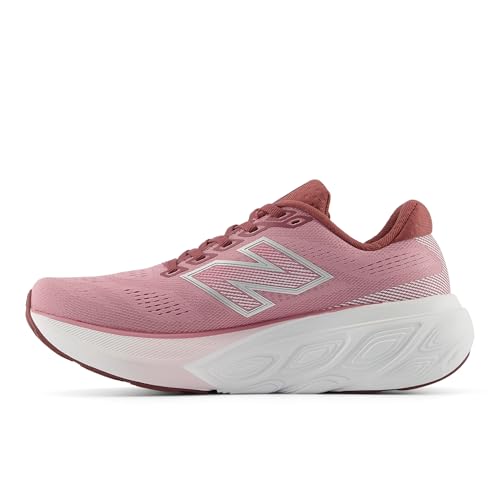
The New Balance Fresh Foam X 880 V15 is the strongest shoe choice in this guide for runners who want a complete running shoe. Its Fresh Foam X midsole aims to provide a soft, smooth feel under the foot. The design also comes from a well-known running line made for daily miles. The listed version is a women’s shoe in a wide width, which matters when a narrow toe area triggers forefoot pain.
I like this model because it addresses the problem at the shoe level rather than adding a small pad after the fact. A roomy width can help reduce side pressure around the metatarsal area. Still, a wide shoe is not the same as a truly anatomical toe box, so check the shape when it arrives. Use short walks first and stop if numbness or burning becomes worse.
Pros:
- Designed for regular running and daily training
- Fresh Foam X cushioning may soften road impact
- Wide version can give the forefoot more room
- More complete support than a separate pad alone
- Suitable for runners who want one primary shoe
- Established running-shoe brand and product line
Cons:
- The toe shape may still feel narrow for some feet
- Exact fit depends on foot width and sock thickness
- A cushioned shoe cannot treat the cause of a neuroma
What Amazon Buyers Are Saying
Buyer feedback for the 880 line commonly focuses on comfort, cushioning, and its use as an everyday walking or running shoe. Many shoppers also pay close attention to the width option and sizing. As with most running shoes, some buyers report that the fit feels excellent while others need a different size or width. Read the newest reviews for the exact V15 version before ordering, since fit can change between updates.
My Recommendation
I recommend this as the best overall starting point for a runner with Morton’s neuroma who needs a proper running shoe. Choose the widest comfortable version, and do not rely on the label alone. It is worth buying when the fit leaves space around the toes without heel slip.
ZenToes Metatarsal Pads
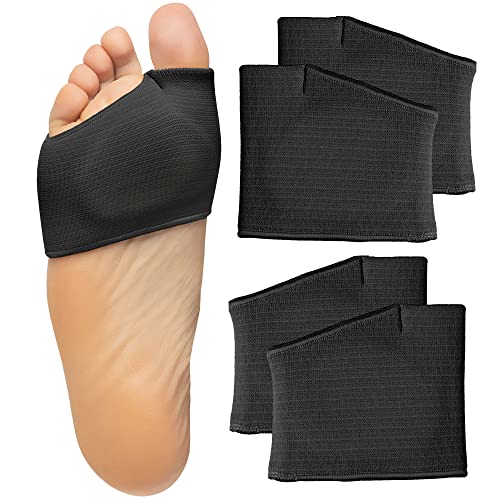
ZenToes Metatarsal Pads are not running shoes, but they can help runners test targeted forefoot cushioning. The product uses a gel cushion sleeve that sits around the foot and places padding near the ball of the foot. This type of support may reduce direct contact with the shoe floor. It can also work with a roomy sneaker that does not already feel tight.
This option makes sense when your current shoes fit well but lack comfort under the metatarsals. I would wear the pad during a short walk before using it on a run. A pad that bunches up can create a new pressure point. The medium size shown here may not suit every foot, so measure and review the seller’s current size details.
Pros:
- Targets the ball of the foot directly
- Gel padding may soften contact with the ground
- Can be used with many roomy shoes
- Useful for testing added forefoot cushion
- Small and easy to carry in a gym bag
- May cost less than replacing several pairs of shoes
Cons:
- Does not provide full shoe cushioning or stability
- May feel too warm inside a snug shoe
- Can shift if the size or placement is wrong
What Amazon Buyers Are Saying
Reviews of gel metatarsal sleeves often mention the soft feel and the convenience of wearing them inside regular shoes. Buyers also tend to discuss whether the sleeve stays in place and whether it fits comfortably for long periods. Common concerns with this product type include tightness, sliding, and reduced room inside the shoe. Those points make correct sizing and a wide shoe especially important.
My Recommendation
I recommend ZenToes as a low-cost add-on, not as a substitute for the best running shoes for Morton’s neuroma. It may suit a person who needs light ball-of-foot cushioning during walking or easy activity. Avoid it if it makes your shoe feel tight or increases tingling.
Rollstep Wide Toe Box Shoes

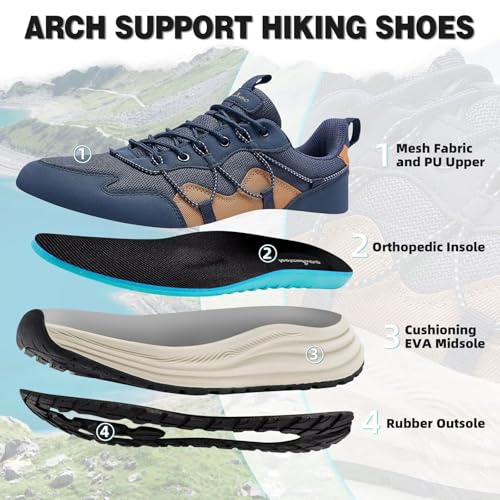
Rollstep wide toe box shoes focus on room at the front of the shoe. That feature can help when toe compression makes Morton’s neuroma symptoms worse. The listing also highlights arch support, a non-slip outsole, and a light athletic design. I see this as a walking and light-activity shoe first, rather than a high-mileage running shoe.
The roomy front may give the toes more freedom to spread during normal movement. That can be useful for errands, standing, and short low-impact sessions. However, the exact width and shape can vary by size, so compare your foot measurements with the current listing. The purple women’s size 39 shown in the product information is only one size example.
Pros:
- Wide toe box may reduce toe crowding
- Light design can suit walking and daily wear
- Arch support adds structure under the midfoot
- Non-slip outsole may help on common indoor surfaces
- Useful choice for people who dislike narrow sneakers
- Can pair with a thin metatarsal pad if space allows
Cons:
- May not provide the ride or durability of a distance runner
- Width does not guarantee the right toe shape for every foot
- Added inserts may reduce the available shoe volume
What Amazon Buyers Are Saying
Buyers of wide athletic shoes usually focus on toe room, weight, arch feel, and daily comfort. Some shoppers like having extra space for swollen or sensitive feet. Others may find that the shoe runs differently from their usual size or that the support feels too firm. Check recent comments about your selected color and size, because fit reports can vary across versions.
My Recommendation
I recommend Rollstep for walking, travel, and light exercise when toe room matters most. It can be a practical budget choice for someone who needs a wider front than standard sneakers provide. For regular road running, I would choose the New Balance 880 first.
2 PCS Gel Metatarsal Pads

This two-piece metatarsal pad set offers a simple way to add cushioning under the ball of the foot. It is made for both women and men and is marketed for Morton’s neuroma and metatarsalgia support. The gel section may help spread pressure over a broader area. It can work best in a shoe with enough inner space for the pad and your foot.
The two-piece format is useful if you want one pad for each foot or a spare for rotation. I would place the pad carefully and wear it at home first. If the pad sits too far forward, it may press on the toes instead of easing the forefoot. It also cannot correct a shoe that pinches from the sides.
Pros:
- Includes two pads for balanced use
- Designed for ball-of-foot discomfort
- Gel material may reduce harsh pressure
- Works with many everyday sneakers
- Simple option for trying targeted support
- Useful spare or replacement format
Cons:
- Placement takes some trial and adjustment
- May not stay secure in every shoe
- Does not replace a wide, well-cushioned running shoe
What Amazon Buyers Are Saying
Customer feedback for this kind of two-pack often centers on whether the gel feels soft and whether the pad stays in the intended position. Buyers may appreciate the low cost and the chance to use both feet at once. Common complaints can include sliding, excess bulk, or discomfort when used in a narrow shoe. These reports show why shoe volume and correct placement matter as much as the pad itself.
My Recommendation
This set is worth considering as an inexpensive experiment for mild forefoot pressure. I would use it with a roomy shoe and a gradual break-in plan. It earns a good support rating, but it should remain an add-on rather than your only strategy.
KTSAY Gel Metatarsal Pads

KTSAY Metatarsal Pads provide another targeted option for people with pain at the front of the foot. The product includes gel padding and is listed for women and men. Its design aims to cushion the ball of the foot while keeping the support close to the painful area. The large beige version shown here may suit a larger foot, but sizing still needs careful review.
I see this product as a useful choice for casual shoes, work shoes, or roomy athletic shoes. It may help reduce the feel of a hard insole under the metatarsals. Yet a thick pad can make a shoe tighter, and tight shoes often worsen neuroma symptoms. Try it with clean socks and a short walk before adding it to a longer workout.
Pros:
- Targets the forefoot instead of the heel
- Gel pad may soften contact under the metatarsals
- Available in a pair for two-foot use
- Can add comfort to existing footwear
- Useful for people who want removable support
- May suit daily standing and walking
Cons:
- The large size may not fit every user
- May add bulk inside close-fitting shoes
- Does not offer the full stability of an athletic shoe
What Amazon Buyers Are Saying
Shoppers who review metatarsal pads often mention comfort during standing and walking, as well as the ease of putting them on. Fit remains the most important point in buyer feedback. Some people may like the cushion, while others may find the pad moves or feels too thick. Read current reviews for the selected size and look for comments from buyers with a similar shoe style.
My Recommendation
I recommend KTSAY for people who want a removable ball-of-foot cushion at a modest cost. It may work well in a wide shoe with a removable footbed. It is not my first choice for running, but it can support comfort during everyday activity.
PowerStep Pinnacle Plus Met

The PowerStep Pinnacle Plus Met is an orthotic-style insert rather than a shoe. It combines arch support with a metatarsal pad, so it takes a broader approach than a soft gel sleeve. The product is listed for metatarsalgia and Morton’s neuroma pain relief. The shown size is men’s 11–11.5, so buyers must select the right size before ordering.
This insert may appeal to runners who need more structure inside a roomy shoe. A supportive insole can change how the foot loads during walking and running, but it may feel firm at first. I suggest a slow break-in period and a shoe with enough depth. If you use custom orthotics or have a foot condition, ask a qualified clinician before changing your insert.
Pros:
- Combines arch support and metatarsal support
- More structured than a simple gel pad
- Designed for use inside compatible shoes
- May help runners who need added foot control
- Made in the USA according to the product listing
- Can be moved between suitable pairs of shoes
Cons:
- May feel firm during the first few wears
- Can make a shoe too tight if the original insole stays inside
- Requires careful sizing and shoe-depth checks
- May not suit people who need soft, minimal support
What Amazon Buyers Are Saying
Buyers of PowerStep inserts commonly discuss the level of arch support, the break-in period, and changes in foot comfort. Some users value the structured feel for walking or standing. Others may find the arch too high or the insert too firm for their foot shape. Review the newest comments for the exact size and compare them with your current insole.
My Recommendation
I recommend the PowerStep Pinnacle Plus Met for a runner who wants structured support and already owns a roomy shoe. It offers more complete in-shoe control than a thin gel pad. It is worth trying when arch and forefoot support both matter, but it may not suit every foot.
How to Choose Best Running Shoes for Morton’s Neuroma
Choosing the best running shoes for Morton’s neuroma starts with pressure control. Clinical foot-care guidance often recommends shoes with a broad toe area, low or moderate heel height, and enough room for the forefoot. Cushioning can improve comfort, but no shoe works for every foot. Use the points below to compare fit, support, and value.
1. Prioritize Toe Room and Forefoot Shape
Your toes should rest flat and move freely. The shoe should not pinch from the sides or force the toes together. Look for a wide or extra-wide option when needed. Also check the actual shape of the toe box. Some shoes have a wide label but still taper sharply near the toes.
Try shoes later in the day, when feet may be slightly larger. Wear the socks you use for running. Leave a small space in front of the longest toe, but do not accept heel movement. A shoe that feels tight in the store will often feel worse after several miles.
2. Match Cushioning and Support to Your Running Style
Soft foam may reduce the harsh feel of pavement, while a stable base can help the foot feel more secure. Too much softness can also feel unstable for some runners. Choose a balanced shoe that bends near the toes without folding in the middle.
Metatarsal pads and orthotic inserts can change pressure under the foot. Add only one support product at a time. If you use an insert, remove the original insole when the design allows it. Start with short walks, then build up slowly. Burning, numbness, or sharp pain means you should stop and reassess the fit.
3. Check Materials, Size Options, and Long-Term Value
Breathable uppers can help reduce heat and swelling. A secure heel and adjustable laces can keep the foot from sliding forward. A durable outsole matters if you run often. Check the current size chart, return policy, and customer comments before you buy.
Do not judge value by the lowest price alone. A good running shoe may cost more than a gel pad, but it supports the whole foot. A pad may cost less and still help inside a shoe that already fits. For ongoing pain, a podiatrist or physical therapist can help you choose between footwear, inserts, and other care.
Final Verdict: Which Should You Buy?
The New Balance Fresh Foam X 880 V15 is my top pick for the best running shoes for Morton’s neuroma. Its cushioning and wide option offer the most complete solution. PowerStep is my top insert choice for added structure.
Choose a roomy fit first, then add support only if needed. The best running shoes for Morton’s neuroma should feel comfortable from the first short walk.
FAQs Of best running shoes for mortons neuroma
What features should running shoes have for Morton’s neuroma?
Look for a wide toe box, soft but stable cushioning, a secure heel, and enough shoe depth. Avoid shoes that squeeze the toes or press hard on the ball of the foot.
Are wide running shoes better for Morton’s neuroma?
They can be better when narrow shoes cause toe crowding. Check the real toe shape and fit, since a “wide” label does not guarantee enough room for every foot.
Can metatarsal pads help with Morton’s neuroma?
They may reduce pressure under the forefoot for some people. Place the pad behind the painful area, not directly on it, and stop using it if symptoms increase.
Are cushioned shoes good for Morton’s neuroma?
Cushioning may make hard surfaces feel more comfortable. Choose a shoe that also feels stable and roomy, because soft cushioning alone cannot fix a poor fit.
Should I see a doctor for Morton’s neuroma pain?
Yes, seek professional advice if pain lasts, worsens, causes numbness, or limits normal activity. A foot specialist can check the diagnosis and suggest suitable treatment.