Good Running Shoes for Metatarsalgia: Top Picks for Pain Relief

Metatarsalgia is a foot condition that can turn every step into a challenge. If you’re reading this, you probably already know the pain: a burning, aching sensation at the ball of your foot, especially under the metatarsal bones. Whether you’re a seasoned runner or just starting out, choosing the right running shoes for metatarsalgia is not just about comfort—it’s about protecting your feet and keeping you moving.
Many people make the mistake of thinking all running shoes are the same. They’re not. The wrong pair can make your pain worse, slow your recovery, or even cause new problems. The right pair, however, can help reduce pressure on the forefoot, absorb impact, and support your natural foot movement.
This guide will walk you through what really matters when picking running shoes for metatarsalgia, compare popular models, and share important tips that many beginners miss.
Understanding Metatarsalgia And Running
Metatarsalgia is not a single injury but a general term for pain in the ball of the foot. This pain usually centers under one or more of the five metatarsal heads—the bones just before your toes. Runners often notice it after longer or intense runs.
Common causes include tight calf muscles, worn-out shoes, high arches, or simply running on hard surfaces.
What makes running with metatarsalgia different from other foot issues? The forefoot bears a lot of impact during each stride. If your shoes don’t provide enough cushioning, support, or shock absorption, the metatarsal area takes most of the stress. This is why runners with metatarsalgia need shoes that help distribute pressure away from the forefoot and offer targeted support.
Many runners ignore early symptoms, thinking the pain will go away. This is a mistake. Running through metatarsalgia without making shoe changes can lead to chronic pain or other injuries like stress fractures. Always listen to your body—if you feel persistent pain in the ball of your foot, it’s time to look at your shoes and consider a change.
What Makes A Good Running Shoe For Metatarsalgia?
Not all running shoes are created equal, especially when it comes to foot pain. Here are the most important features to look for:
- Forefoot Cushioning: Soft material under the metatarsal heads absorbs shock and reduces pressure. Look for shoes with extra foam, gel, or air pockets in the forefoot.
- Wide Toe Box: A roomy front allows your toes to splay naturally. This reduces compression and direct pressure on the metatarsals.
- Arch Support: Proper support helps distribute your body weight evenly, taking pressure off the ball of the foot.
- Flexible Forefoot: The shoe should bend at the ball of your foot, not the arch or midfoot. This lets your foot move naturally and reduces strain.
- Low Drop (Optional): Heel-to-toe drop is the height difference between the heel and the forefoot. Some runners with metatarsalgia prefer a lower drop to keep pressure off the forefoot, but this is individual.
- Shock Absorption: Materials that absorb impact reduce the stress transferred to your forefoot.
- Removable Insoles: This allows you to use custom or over-the-counter orthotics if needed.
- Lightweight Construction: Heavy shoes can make your stride less efficient and increase fatigue, which may worsen pain.
Non-obvious insight: Many runners focus only on forefoot cushioning but miss the importance of a wide toe box. Squeezing your toes together increases metatarsal pressure, even if the rest of the shoe is soft.

Credit: www.youtube.com
How To Identify Your Needs
Before you pick a shoe, take a closer look at your feet and running habits. Here’s what you need to consider:
- Foot Shape: Do you have high arches, flat feet, or neutral arches? High arches can put extra stress on the metatarsals, while flat feet may need more structured arch support.
- Gait Pattern: Overpronation (rolling inward) and supination (rolling outward) affect how pressure moves across your foot. Shoes that match your gait will help reduce metatarsal stress.
- Running Surface: Hard surfaces like concrete require more shock absorption. Trail running may need shoes with added protection and grip.
- Shoe Fit: Shoes that are too tight or too loose can cause friction, blisters, or increased pressure.
You can get a gait analysis at many specialty running stores. If in doubt, take your old running shoes with you—the wear patterns on the soles can reveal a lot about your stride.
Top Running Shoes For Metatarsalgia (2024)
Finding the right shoe can feel overwhelming. Brands and models change every year, and what works for one person may not work for another. However, some models consistently get high marks from runners with metatarsalgia. Here’s a comparison of top choices, focusing on their key features:
| Shoe Model | Forefoot Cushioning | Toe Box | Arch Support | Drop | Weight | Removable Insole |
|---|---|---|---|---|---|---|
| Hoka Bondi 8 | Excellent | Wide | Neutral | 4 mm | 10.8 oz | Yes |
| Brooks Glycerin 21 | Very Good | Medium-Wide | Neutral | 10 mm | 9.1 oz | Yes |
| Altra Torin 7 | Good | Very Wide | Neutral | 0 mm | 8.5 oz | Yes |
| New Balance Fresh Foam X 1080v13 | Excellent | Wide | Neutral | 6 mm | 9.2 oz | Yes |
| ASICS Gel-Nimbus 26 | Very Good | Medium | Neutral/High | 8 mm | 10.7 oz | Yes |
Let’s break down why these models stand out for runners with metatarsalgia:
Hoka Bondi 8
The Bondi line is famous for its plush cushioning. The Bondi 8 offers one of the softest rides on the market, with thick foam under the forefoot that reduces impact. The wide base gives stability, and the roomy toe box helps your toes spread out. While it’s not the lightest shoe, many runners with forefoot pain swear by its comfort.
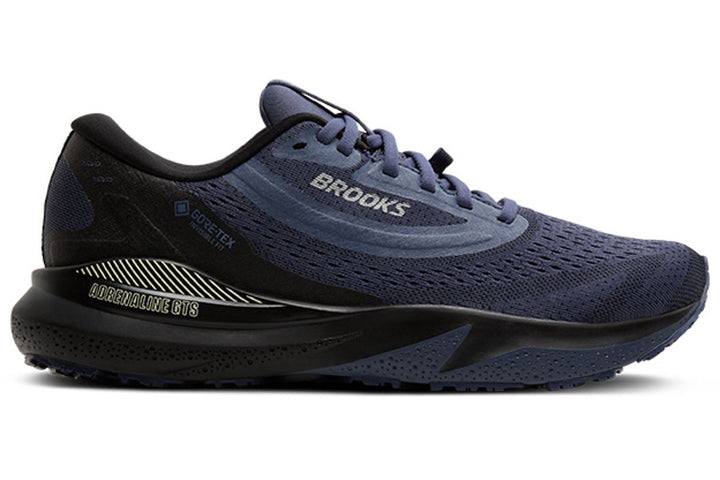
Brooks Glycerin 21
Brooks Glycerin is known for its balanced softness and supportive fit. The DNA LOFT v3 cushioning runs the full length of the shoe, with added softness in the forefoot. The toe box is not as wide as Hoka or Altra, but still more generous than many brands. It’s a great all-around option for neutral runners.
Altra Torin 7
Altra shoes have a FootShape™ toe box that allows your toes to relax and spread. The zero-drop platform (heel and forefoot at the same height) encourages a natural stride, which may help some runners distribute pressure evenly. The Torin 7 offers good cushioning, but the wider fit and zero-drop feel take some adjustment if you’re used to traditional shoes.
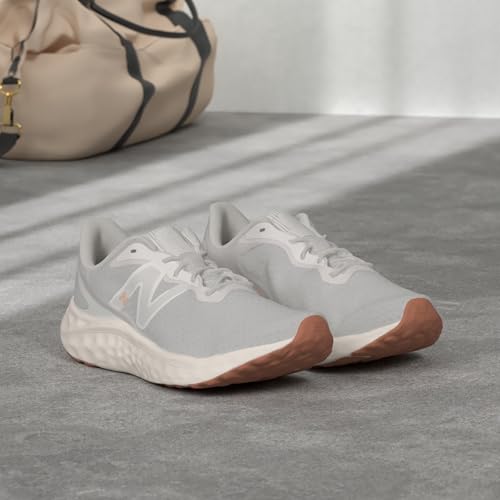
New Balance Fresh Foam X 1080v13
This model combines soft Fresh Foam cushioning with a spacious toe box and a flexible forefoot. It’s a favorite among runners who want a plush feel without too much bulk. The shoe supports a variety of arch types and can handle long distances.
Asics Gel-nimbus 26
ASICS’s Gel-Nimbus line has a loyal following among runners with all types of foot pain. The Gel-Nimbus 26 offers gel cushioning in both heel and forefoot, with a more structured fit. While the toe box isn’t as wide as Altra or Hoka, the shoe’s overall support and shock absorption make it a solid choice for metatarsalgia.
Non-obvious insight: Don’t ignore weight. Heavier shoes can tire your feet faster, especially if you’re already compensating for pain. Lightweight shoes with good cushioning help you maintain form and reduce fatigue.
Comparing Features: What Matters Most?
Many runners ask: “Should I focus on cushioning, support, or toe box width?” The answer depends on your individual needs, but here’s a side-by-side look at how these shoes compare on the most important features:
| Feature | Hoka Bondi 8 | Brooks Glycerin 21 | Altra Torin 7 | New Balance 1080v13 | ASICS Gel-Nimbus 26 |
|---|---|---|---|---|---|
| Cushioning | Max | High | High | High | High |
| Toe Box Width | Wide | Med/Wide | Very Wide | Wide | Medium |
| Arch Support | Neutral | Neutral | Neutral | Neutral | Neutral/High |
| Drop | 4 mm | 10 mm | 0 mm | 6 mm | 8 mm |
| Flexibility | Medium | Medium | High | High | Medium |
If your main issue is toe pressure, start with Altra or Hoka. If you want plush cushioning above all, Hoka Bondi and New Balance 1080v13 are top choices. For those who need a bit more structure or arch support, ASICS Gel-Nimbus 26 stands out.
How To Test Running Shoes For Metatarsalgia
Even the best-reviewed shoe might not suit your feet. Here’s how to test a new pair before committing:
- Try on at the end of the day: Feet swell after activity, so test shoes when your feet are largest.
- Wear your usual running socks: This helps you feel the real fit.
- Check toe space: Stand up and wiggle your toes. There should be a thumb’s width of space at the end.
- Walk, then jog: Walk around the store and, if possible, jog in place. Pay attention to any tightness, pinching, or hot spots.
- Bend test: The shoe should bend at the forefoot, not the midfoot or arch.
- Check return policy: Many specialty stores allow returns after a short test period. Use this to your advantage.
Practical tip: Don’t rush the break-in period. Some shoes (like those with thick foam) feel better after a few short runs as the cushioning adapts to your feet. But if you feel sharp pain, don’t force it—return or exchange them.
Credit: www.aetrex.com
Common Mistakes When Buying Running Shoes For Metatarsalgia
Even experienced runners sometimes get this wrong. Here are the mistakes you should avoid:
- Buying shoes that are too small: Your feet expand when you run. Shoes that are even half a size too tight can make metatarsalgia worse.
- Ignoring the toe box width: Many runners focus only on length, but width is just as important for forefoot pain.
- Focusing only on heel cushioning: While a soft heel feels nice, it’s the forefoot that needs the most help.
- Choosing style over function: Bright colors and trendy designs don’t matter if the shoe doesn’t fit your needs.
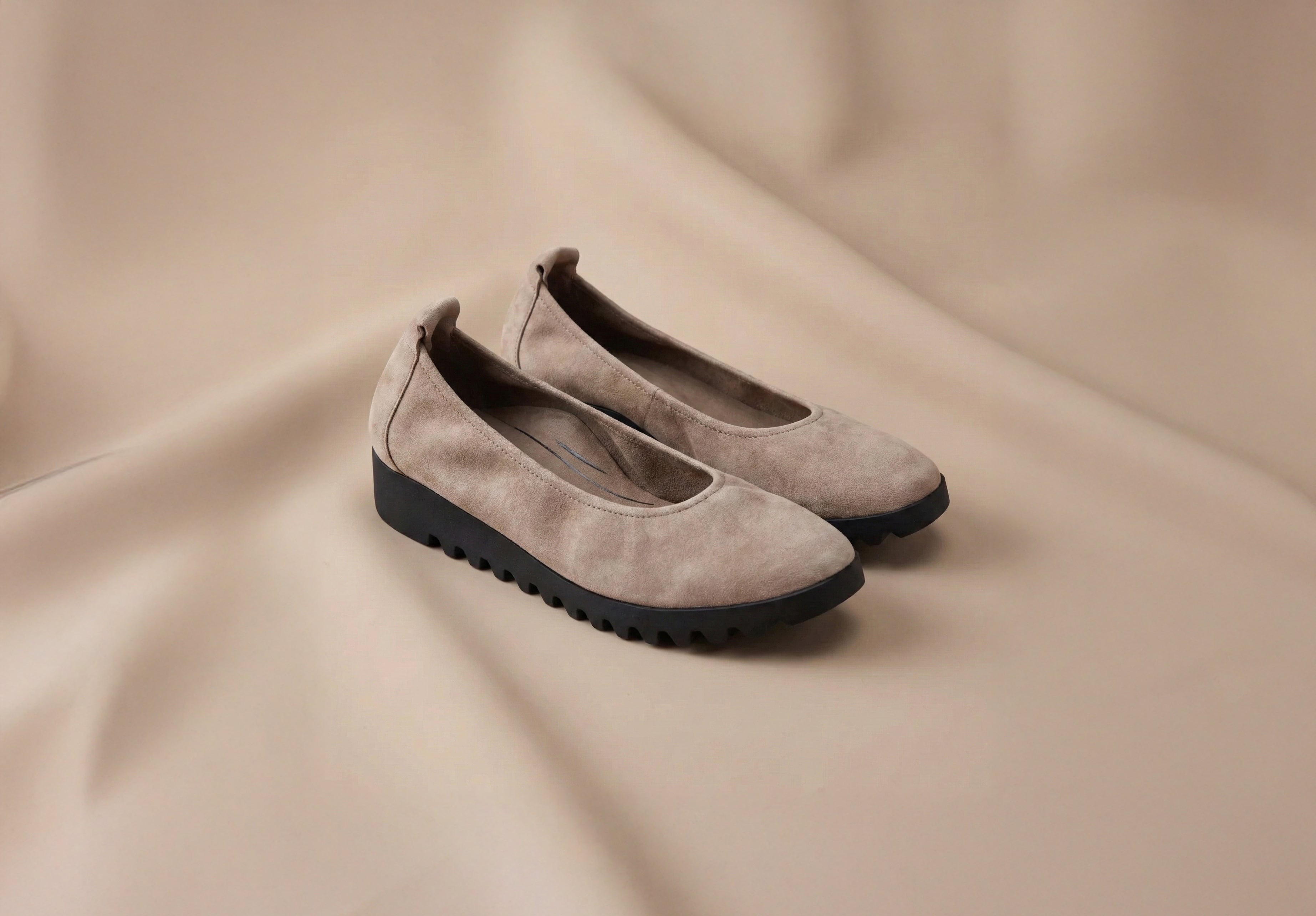
- Not considering orthotics: If you use inserts, make sure the shoe has a removable insole and enough space.
Experience-based insight: Many runners with metatarsalgia find that rotating between two pairs of shoes helps reduce pain. This lets you vary the pressure points and gives each pair time to rebound between runs.
Custom Insoles And Metatarsal Pads
For some runners, even the best shoes aren’t enough. Custom orthotics or over-the-counter insoles can add extra support under the metatarsals.
- Metatarsal pads: These are small inserts placed behind the ball of the foot. They lift and spread the metatarsal bones, reducing pressure.
- Custom orthotics: If you have structural foot issues (like very high arches), a podiatrist can make custom insoles to target your specific needs.
- Off-the-shelf insoles: Brands like Superfeet, Powerstep, and Currex offer insoles designed to relieve forefoot pain.
When trying insoles or pads:
- Start with short runs to test comfort.
- Make sure the shoe has a removable insole and enough depth.
- Don’t stack insoles—this can make the shoe too tight.
Pro tip: Some runners place a thin metatarsal pad under the factory insole for extra relief. Experiment with placement, as even a few millimeters can make a big difference.
Other Ways To Manage Metatarsalgia For Runners
Good shoes are just one part of the solution. Here are additional steps to keep you running:
- Strengthen foot muscles: Simple exercises like toe curls, marble pickups, or towel scrunches help support the metatarsal area.
- Stretch calf and Achilles: Tight calves increase forefoot pressure. Regular stretching can help.
- Ice after runs: Reduces inflammation in the ball of the foot.
- Watch your mileage: Increase distance slowly. Sudden jumps can trigger pain.
- Alternate running surfaces: Softer surfaces (like grass or trails) absorb more shock than concrete.
Real-world example: One runner with chronic metatarsalgia found that switching from daily road running to a mix of trails and grass, plus stretching and better shoes, allowed her to keep training pain-free.
When To See A Specialist
If pain continues even after changing shoes and adding insoles, it’s time to see a podiatrist or sports medicine doctor. Persistent metatarsalgia can be a sign of more serious problems like a stress fracture, Morton’s neuroma, or arthritis. Early treatment prevents long-term damage.
Care And Replacement Of Running Shoes
Even the best running shoes wear out. Most experts recommend replacing shoes every 300-500 miles (480-800 km), depending on your weight, running surface, and shoe construction. Worn-out shoes lose cushioning and support, which can bring back pain.
Tips for longer shoe life:
- Rotate between two pairs to allow foam to recover.
- Let shoes dry completely between runs to prevent breakdown.
- Avoid machine washing—clean with a damp cloth and mild soap.
Watch for signs of wear: If you notice new pain, uneven sole wear, or compressed cushioning, it’s time for a new pair—even if the shoes look fine on top.
Frequently Asked Questions
What Are The Main Causes Of Metatarsalgia In Runners?
Metatarsalgia is usually caused by excess pressure on the ball of the foot. Common reasons include running on hard surfaces, wearing shoes with little forefoot cushioning or a narrow toe box, having high arches, or increasing mileage too quickly. Sometimes foot shape or biomechanics (like overpronation) play a role.
Can Running With Metatarsalgia Make The Condition Worse?
Yes, running through pain can make metatarsalgia worse. Continuing to run without addressing the underlying causes—like poor footwear or overuse—can turn a mild problem into a chronic one or lead to more serious injuries such as stress fractures or nerve issues.
Are Minimalist Or Barefoot Shoes Good For Metatarsalgia?
For most people with metatarsalgia, minimalist shoes are not recommended. They usually have little cushioning and may increase pressure on the forefoot. However, some runners with excellent foot strength and perfect form can use them, but this is rare and should be done with caution.
How Do I Know If A Running Shoe Is Good For My Metatarsalgia?
A good shoe for metatarsalgia should have soft forefoot cushioning, a wide toe box, and enough support to match your arch type. Test shoes by walking and jogging in them, making sure there’s no pinching or pressure at the ball of your foot. If pain decreases during your runs, it’s a good sign the shoes are helping.
Where Can I Find More Information About Metatarsalgia And Foot Health?
You can find more information from trusted medical sources like the Mayo Clinic, which offers in-depth guides on causes, symptoms, and treatment options for metatarsalgia and other foot problems.
—
Choosing good running shoes for metatarsalgia is not just about buying the most expensive or popular pair. It’s about finding the right mix of cushioning, fit, support, and toe space for your unique feet. Take the time to assess your needs, test several models, and don’t be afraid to use insoles or pads if needed. The right shoes can help you run with less pain, recover faster, and enjoy every mile ahead. Remember, your feet are your foundation—take care of them, and they’ll carry you far.
Credit: prideplus.com.au