Running Shoe Inserts for Pronation: Ultimate Support and Comfort

Running Shoe Inserts for Pronation: How to Choose the Right Support
Pronation is a common term in the world of running, but many people misunderstand what it really means. If you’ve ever wondered why your feet feel tired or sore after a run, or why your knees ache, the answer might be how your foot rolls with each step. For many runners, shoe inserts—often called insoles—can make a big difference, especially for those with pronation issues. This guide will help you understand pronation, how running shoe inserts work, and how to choose the best solution for your needs.
Every runner’s feet are unique. Some roll inward more than others, while some stay more neutral or even roll outward. If you pick the wrong insert, you could make your problem worse. But the right insert can improve your comfort, reduce injury risk, and help you enjoy running again.
Let’s explore the science, the options, and practical advice for finding the best running shoe inserts for pronation.
Understanding Pronation
Pronation describes how your foot moves as you walk or run. It’s the natural inward roll your foot makes after landing on the ground. A little pronation is normal—it helps absorb shock. But too much or too little can create problems.
Types Of Pronation
There are three main types:
- Neutral Pronation: Your foot rolls inward slightly, about 15%. This is healthy and normal. Most running shoes are designed for this pattern.
- Overpronation: Your foot rolls inward too much. This can lead to knee pain, shin splints, and other issues. Over time, it can also affect your hips and lower back because your legs rotate inward.
- Underpronation (Supination): Your foot rolls outward. This puts extra stress on the outer side of your foot and leg. It’s less common, but can cause ankle injuries and stress fractures.
Most runners who need inserts are dealing with overpronation. It’s very common—studies show about 20–30% of runners overpronate.
Why Pronation Matters
When you overpronate, your foot’s arch collapses too much. This affects your body’s alignment. You may notice:
- Flat feet or low arches
- Heel pain
- Tired legs after running
- Knee discomfort
- Blisters on the inner side of your foot (a subtle sign many miss)
- Calluses or corns forming on your big toe area (often overlooked)
Ignoring pronation can lead to injuries. Over time, untreated overpronation may contribute to plantar fasciitis, Achilles tendon pain, or even lower back discomfort. Inserts help control the roll, support your arch, and keep your feet stable.
How Running Shoe Inserts Work
Running shoe inserts are designed to change how your foot moves inside your shoe. They add support, cushioning, or both. For pronation, they aim to support the arch and limit excess inward roll.
Key Functions Of Inserts
- Arch Support: Holds up the arch, preventing it from collapsing.
- Heel Stabilization: Keeps the heel from shifting sideways.
- Shock Absorption: Reduces impact when the foot hits the ground.
- Pressure Distribution: Spreads weight evenly across the foot.
Some inserts are made for general comfort, while others target specific issues like pronation.
A detail runners often miss: Some inserts include a deep heel cup. This helps hold your heel in place, which is crucial for controlling overpronation and providing a stable base for each step.
Types Of Inserts
There are two main types for pronation:
- Prefabricated Inserts: Mass-produced, available in stores. Affordable and easy to try. Some models come in multiple arch heights or firmness levels.
- Custom Orthotics: Made for your foot by a specialist. More expensive, but tailored to your unique shape. These are often recommended if you have complex foot issues, severe overpronation, or if you haven’t had success with store-bought options.
Prefabricated inserts work well for mild to moderate overpronation. Severe cases may need custom orthotics, especially if you have additional problems like bunions or leg length differences.
Signs You Need Running Shoe Inserts For Pronation
It’s easy to overlook foot problems—many runners think soreness is normal. But certain signs suggest you need extra support:
- Pain in the arch or heel after running. This might feel like a sharp ache when you get up in the morning.
- Knees or hips ache during or after exercise. You may even notice one side hurts more, showing uneven foot movement.
- Shoes wear out unevenly (especially on the inside edge). Look at the pattern—flattened inner soles or collapsed shoe sides signal overpronation.
- Frequent shin splints. Inserts that support the arch can help reduce stress on your shins.
- Feet feel tired after short runs. Some runners also report cramping in the arches or soles.
If you notice these, inserts might help. To confirm, look at your old shoes. If the inside edge is more worn, you likely overpronate.
A less obvious sign: If you tend to trip or stumble more, your feet might not be tracking straight, which can be a hidden effect of overpronation.
Choosing The Right Running Shoe Inserts For Pronation
Finding the best insert can be confusing. Let’s break down the key factors to consider.
1. Arch Type
Your arch shape affects which insert you need. There are three main types:
- Low arch (flat foot): Needs strong support to prevent collapse. Inserts with a high, firm arch are best.
- Normal arch: Needs moderate support. Most “stability” or “support” labeled inserts work here.
- High arch: Usually needs cushioning, not control for pronation. However, some high-arched runners can still overpronate—look for inserts that both cushion and support.
Most overpronators have low or normal arches. If you’re unsure, stand barefoot and look at your footprint—full prints suggest low arches, while a narrow band means high arches.
2. Insert Material
Material impacts comfort and durability. Common choices include:
- EVA foam: Lightweight, absorbs shock. Good for runners who want a balance of support and comfort.
- Gel: Soft, adds extra cushioning. These are great if you need pressure relief, but may not control pronation enough.
- Plastic or carbon fiber: Offers strong support, lasts longer. These are best for runners who need maximum control, but they can feel firm at first.
For pronation, firmer materials help control the roll. Soft inserts may feel good but won’t correct alignment. A tip: Some inserts use a combination—firm arch with soft forefoot—to balance support and comfort.
3. Thickness And Fit
Inserts come in different thicknesses:
- Full-length: Covers the whole shoe, good for all-day support. Often used for running shoes.
- 3/4 length: Stops at the ball of the foot, fits more shoe types. Useful if your shoes are tight or you want to keep the original forefoot padding.
Make sure the insert fits your shoe. Too thick, and your foot may slip out. Too thin, and you won’t get enough support. Always try inserts in your running shoes, not just in the store.
4. Support Level
Some inserts are labeled for “mild,” “moderate,” or “severe” pronation. Choose based on your symptoms.
- Mild support: For occasional pain or minor roll.
- Moderate support: For regular discomfort and visible shoe wear.
- Severe support: For strong arch collapse or diagnosed overpronation.
If you’re between levels, start with moderate support and adjust as needed. Overcorrecting with too much support can be uncomfortable.
5. Activity Type
Some inserts are made for running, others for walking or everyday use. Running inserts must handle more shock and movement.
- Running inserts: Firm arch, good heel cushion. Some have extra grip to prevent slipping inside your shoe.
- Walking inserts: Softer, designed for less impact. Not always supportive enough for running.
If you do both, look for inserts rated for “active” use or “sports. ”
6. Price And Warranty
Prices vary from $20 to $300+. Prefabricated inserts cost less but may not last as long. Custom orthotics are pricey, but some insurance plans cover them.
Check if the insert has a satisfaction guarantee. You may need to try a few to find the best fit. Some stores offer free returns or exchanges if the insert doesn’t work for you.
Comparison: Prefabricated Vs Custom Inserts
Here’s a simple comparison to help you decide:
| Feature | Prefabricated Inserts | Custom Orthotics |
|---|---|---|
| Cost | $20–$60 | $200–$300 |
| Fit | General (multiple sizes) | Exact (molded to foot) |
| Support Level | Mild to moderate | Moderate to severe |
| Durability | 6–12 months | 1–2 years |
| Availability | Stores, online | Specialist clinics |
Custom orthotics can address leg length differences or very unusual foot shapes, which prefab inserts can’t.
Popular Running Shoe Insert Brands For Pronation
Many brands offer inserts for pronation. Here are a few well-known options:
- Superfeet: Famous for strong arch support. Many models for runners. The Green model is especially popular for stability.
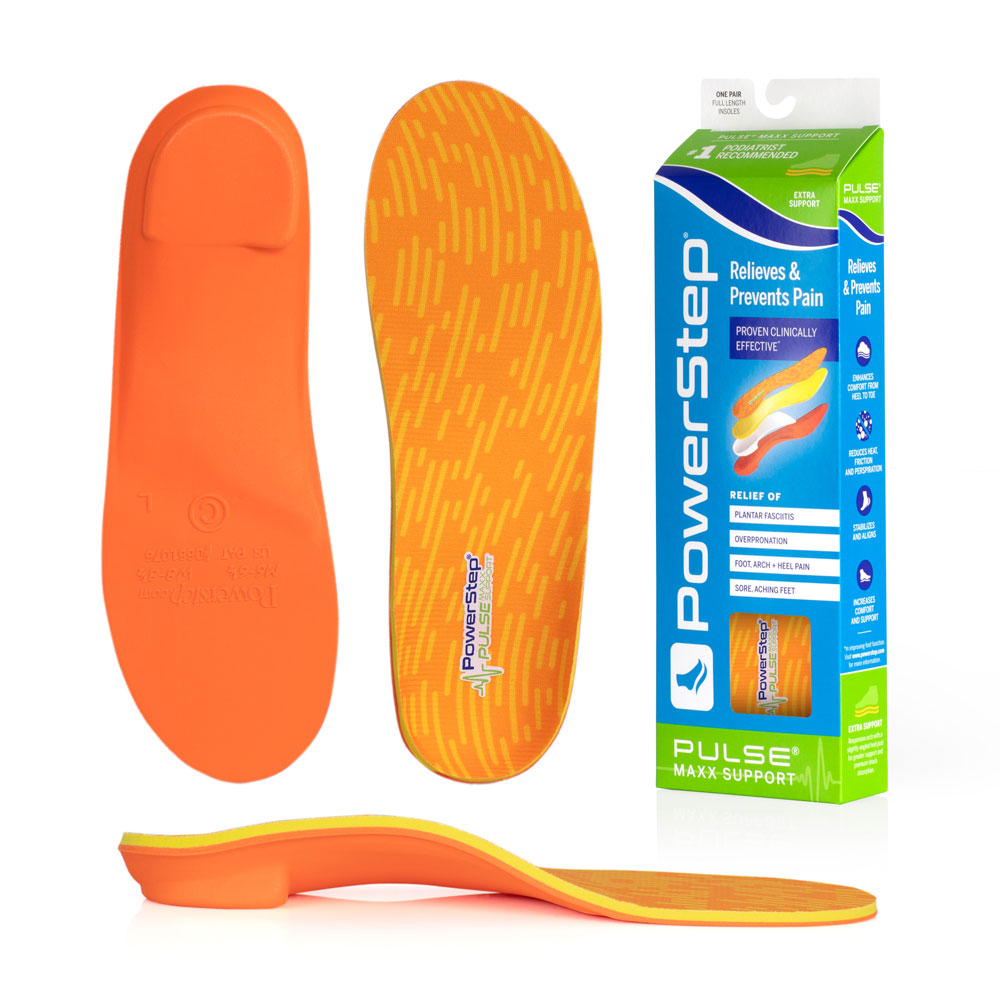
- PowerStep: Focuses on controlling overpronation with firm arches. Their Pinnacle line is highly rated for runners with flat feet.
- Spenco: Known for cushioning, but less corrective. Great if you need comfort and mild support.
- Sole: Offers moldable inserts for custom fit. These can be heated and shaped at home.
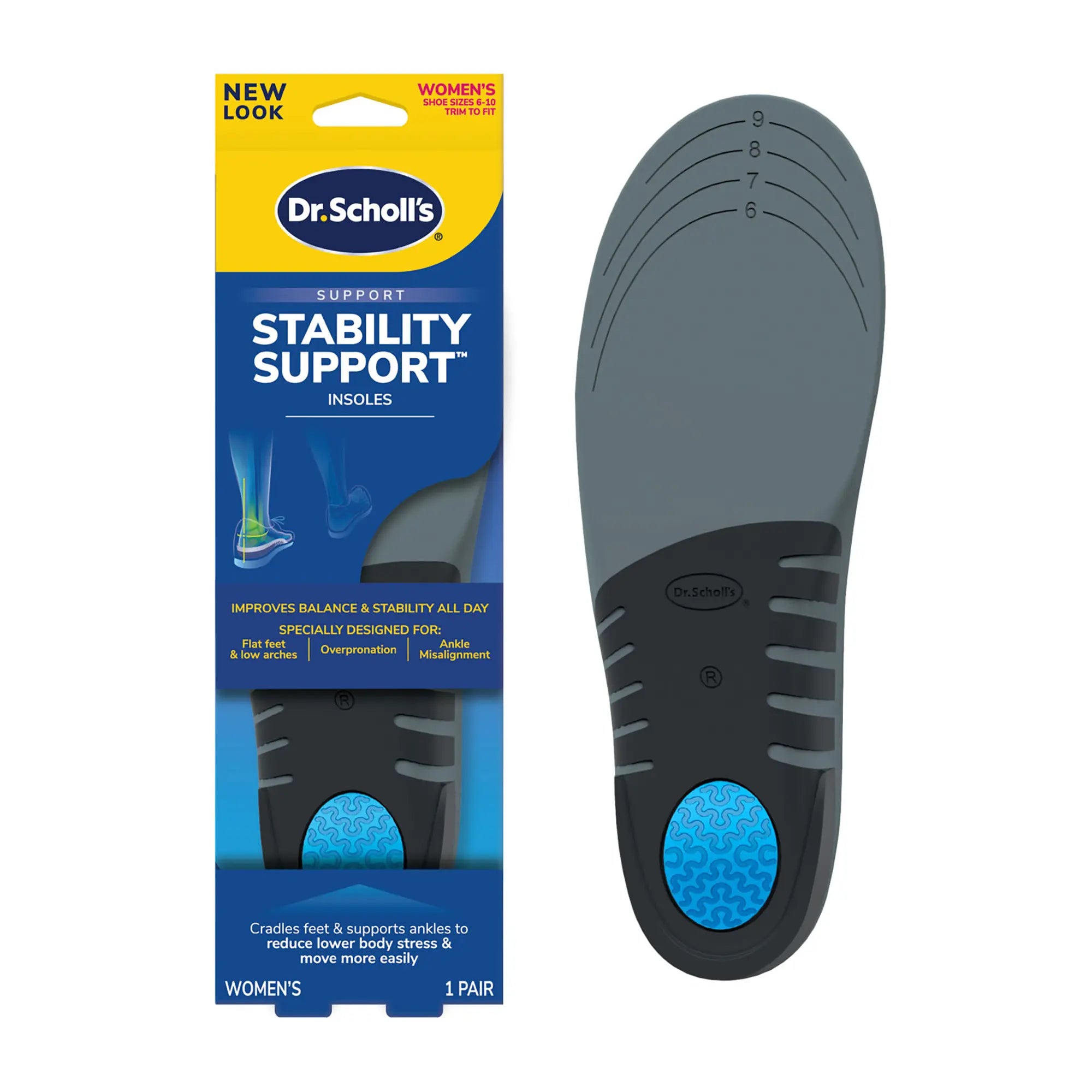
- Dr. Scholl’s: Good for everyday use, mild support. Widely available and affordable.
Each brand has multiple models. Choose based on your arch type and support needs.
Comparison: Brand Features
Let’s look at some key differences:
| Brand | Arch Support | Cushioning | Price Range | Best For |
|---|---|---|---|---|
| Superfeet | High | Moderate | $40–$60 | Flat/low arches |
| PowerStep | Very high | Moderate | $30–$50 | Severe overpronation |
| Spenco | Low | High | $25–$40 | Comfort, mild support |
| Sole | Custom | Moderate | $40–$60 | Unique foot shapes |
| Dr. Scholl’s | Low | High | $15–$25 | Everyday, mild pronation |
A detail many miss: Some brands offer different widths or volumes for wider or narrower shoes. Always check sizing guides before buying.
How To Test Your Pronation And Insert Effectiveness
Before buying inserts, you should understand your pronation type. Here are simple ways to check:
1. Wet Foot Test
- Wet your foot, step on paper.
- Look at the imprint: Flat, wide print means low arch (likely overpronation).
- If the middle part of your foot is missing, you likely have a high arch.
2. Shoe Wear Pattern
- Check old running shoes.
- Worn inside edge = overpronation.
- Worn outside edge = supination.
- Even wear across the ball and heel = neutral.
3. Walking Observation
- Have someone watch you walk barefoot.
- If your ankles roll inwards, you overpronate.
- If they roll outward, you supinate.
Once you have inserts, test them by:
- Running for 30 minutes.
- Noting if pain improves.
- Checking alignment (ankles not rolling inward).
- Watching for changes in shoe wear pattern over a few weeks.
If discomfort continues, try a different insert. Sometimes, a firmer arch or deeper heel cup is needed. Don’t be afraid to experiment—small changes can have a big effect.

Credit: www.amazon.com
Common Mistakes When Buying Inserts For Pronation
Many runners buy inserts without thinking about the details. Avoid these mistakes:
- Choosing only for comfort: Soft inserts may feel good, but don’t correct pronation.
- Ignoring arch type: Inserts must match your arch shape.
- Buying too thick: Thick inserts can make shoes tight and cause blisters.
- Not testing first: Always try inserts for a short run before committing.
- Using old or worn inserts: Support breaks down over time; replace every 6–12 months.
A non-obvious tip: Some runners stack inserts or use them with stability shoes. This can cause overcorrection, leading to new problems.
Another mistake: Not trimming inserts. Many full-length models need trimming to fit your shoe—always follow the instructions and cut carefully.
Real-life Examples: Runners Who Improved With Inserts
Many runners have seen big improvements after switching to supportive inserts:
- Sarah, marathon runner: Had knee pain for years. Switched to PowerStep inserts. Pain reduced within weeks, performance improved. She also found she could recover faster after long runs.
- Mike, casual jogger: Flat feet and heel pain. Tried Superfeet Green. Felt more stable, could run longer without soreness. Mike noticed he didn’t get as many blisters, either.
- Jenna, high school athlete: Used generic gel inserts but still had shin splints. Upgraded to custom orthotics, injury resolved. Jenna’s coach noticed her running form improved, and she stayed injury-free all season.
These examples show that the right insert can make a real difference—but only if it matches your pronation and arch type.
Credit: www.drscholls.com
Scientific Evidence: Do Inserts Really Help?
Research shows that inserts can help reduce pain and injury risk in overpronators. One study found that runners with moderate overpronation who used arch-supporting inserts had 30% fewer injuries over six months. Another review showed that custom orthotics improved comfort and performance for those with severe pronation.
However, inserts are not a cure-all. Some runners with mild pronation do well with stability shoes alone. Others need both shoes and inserts. The key is matching your needs to the product.
Some studies suggest that inserts may also help improve balance and reduce fatigue, especially in runners who log high weekly mileage.
For more in-depth scientific information, you can read studies at the National Institutes of Health.
How To Use Inserts Correctly
Just buying inserts is not enough—you need to use them properly:
- Remove old insoles: Take out the original shoe insert before adding the new one. Doubling insoles usually makes shoes too tight.
- Position carefully: Make sure the arch lines up with your foot. Wiggle your toes to check for space.
- Break in gradually: Wear for short runs first, then increase distance. This lets your feet adjust to the new support.
- Check for discomfort: If you feel pain or blisters, adjust or try another model. Don’t “push through” pain—support should feel natural.
Most inserts last about 6–12 months. Replace when they lose shape or support.
Non-obvious insight: Store your old insoles. You might want to use them in other shoes or compare comfort later.
Credit: powerstep.com
Running Shoe Insert Maintenance And Replacement
Keeping your inserts in good shape helps your feet stay healthy.
- Clean regularly: Remove inserts, wipe with damp cloth. Let dry completely. Avoid soaking or machine washing, which can damage materials.
- Check for wear: Look for flattening, cracks, or loss of support. Press on the arch—if it feels soft or collapsed, it’s time to replace.
- Replace as needed: Most inserts need replacing every 6–12 months, especially if you run often. Heavy runners or those training for marathons may need to replace sooner.
Some runners notice their shoes feel loose after inserts wear out. If you feel less support, it’s time for new ones.
A practical tip: Rotate between two pairs of inserts if you run daily. This gives the foam time to recover and last longer.
Running Shoes Vs Inserts: Which Matters More?
This is a common question. Both are important, but for overpronators, inserts often make the bigger difference. Stability running shoes have built-in support, but they may not match your exact arch or pronation type.
Inserts:
- Can be swapped between shoes
- Offer more precise support
- Help correct alignment
Shoes:
- Provide general stability
- Cushion impact
- May not fit every foot shape
For best results, combine supportive shoes with the right insert.
Comparison: Stability Shoes Vs Inserts
| Feature | Stability Shoes | Inserts |
|---|---|---|
| Arch Support | Built-in | Customizable |
| Fit | Standard sizes | Tailored to arch type |
| Correction Level | Moderate | Mild to severe |
| Price | $80–$150 | $20–$300 |
| Flexibility | Single shoe | Move between shoes |
If you have shoes you love but need more support, inserts are a cost-effective solution.
Training And Recovery Tips For Overpronators
Inserts help, but training wisely is also important. Here are practical tips:
- Warm up with stretches: Focus on calves and ankles. Try ankle circles and calf raises.
- Strengthen foot muscles: Try exercises like toe raises and towel scrunches. Picking up marbles with your toes also helps.
- Increase mileage slowly: Avoid sudden jumps in running distance. Follow the 10% rule—don’t add more than 10% per week.
- Check alignment regularly: Monitor for signs of overpronation. Video yourself running if possible.
- Rest if pain persists: Inserts are not a cure; listen to your body.
A non-obvious tip: If you run on uneven surfaces, pronation may worsen. Flat, even ground is safer for overpronators. Off-road running can make alignment problems worse, so stick to paved paths if you’re recovering from an injury.
When To See A Specialist
Most runners can solve pronation issues with store-bought inserts. But if you have severe pain, ongoing injuries, or medical conditions like diabetes, see a podiatrist.
Specialists can:
- Take a detailed foot scan
- Make custom orthotics
- Check for other problems (like tendon issues)
- Advise on shoe selection and training modifications
Don’t wait until pain is severe. Early support prevents injury. If you notice numbness, tingling, or swelling, get checked right away—these may be signs of more serious problems.
Frequently Asked Questions
What Is Pronation And Why Does It Matter For Runners?
Pronation is the inward roll of your foot when you walk or run. It helps absorb shock. But too much pronation (overpronation) can lead to pain and injury, especially for runners. Correcting it with inserts helps keep your feet and legs healthy.
How Do I Know If I Overpronate?
Check your old shoes—if the inside edge is more worn, you likely overpronate. You can also do the wet foot test or ask someone to watch you walk barefoot. If your ankle rolls inward, you are an overpronator.
Are Custom Orthotics Better Than Store-bought Inserts?
Custom orthotics are made for your exact foot shape and offer stronger support. They are best for severe overpronation or medical issues. Store-bought inserts are cheaper and work well for mild to moderate pronation.
How Long Do Running Shoe Inserts Last?
Most inserts last 6–12 months, depending on how often you run. Replace them when they lose shape or support, or if you notice pain returning.
Can Inserts Fix Knee And Hip Pain From Running?
Inserts can help reduce knee and hip pain caused by overpronation. They support your arch and improve alignment. If pain continues, see a specialist to check for other causes.
Running shoe inserts for pronation are a simple but effective way to improve comfort and reduce injury risk. The right choice depends on your arch type, pronation level, and running style. Take time to test, check fit, and replace as needed.
With proper support, you’ll run stronger, safer, and with less pain.