Can You Play Basketball With Running Shoes: Safety Tips

Yes, you can play basketball with running shoes, but expect less support, traction, and injury protection.
I’ve coached rec leagues and tested gear with trainers and podiatrists, so I know the trade-offs. This article answers can you play basketball with running shoes in clear, practical terms. You’ll get the safety risks, performance effects, real-life tips, and guidance on when a quick switch is okay versus when you should invest in real basketball shoes.
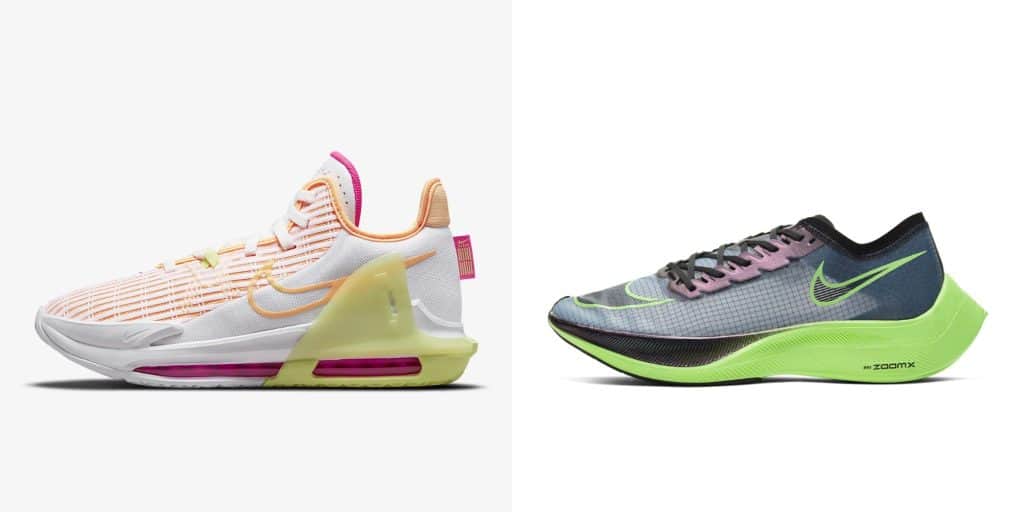
Why players ask "can you play basketball with running shoes?"
Many casual players pick running shoes for their light feel and comfort. They then ask, can you play basketball with running shoes when friends show up or when a court is nearby? The short reality is that running shoes are built for forward motion and shock absorption, not the lateral moves and quick stops that basketball needs.
Common reasons people try running shoes for basketball
- Comfort and familiarity during runs and daily wear.
- Cost savings: running shoes often seem cheaper or already on hand.
- Lightweight feeling that feels fast for sprints.
- Lack of awareness about shoe design differences.
Understanding the why helps you make a safer choice when deciding if can you play basketball with running shoes tonight or only for light scrimmages.
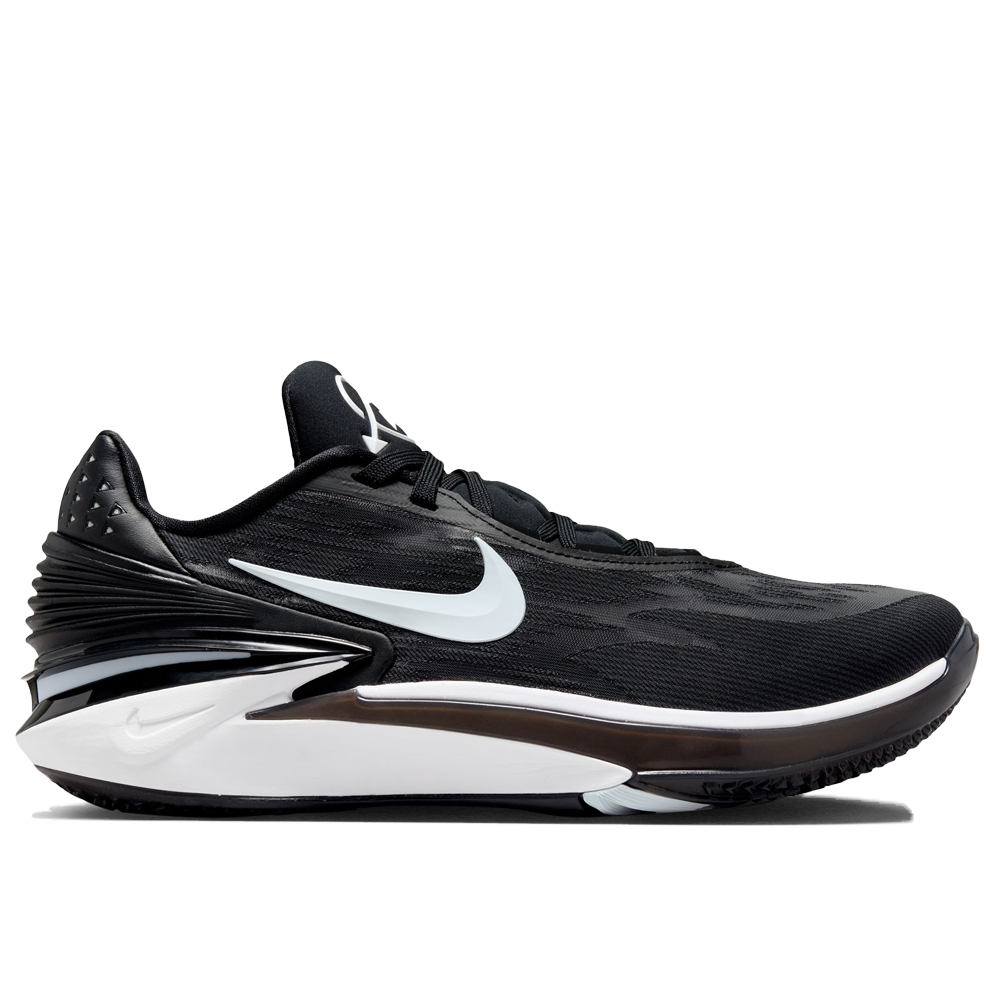
Key differences: running shoes versus basketball shoes
Knowing how running shoes and basketball shoes differ answers much of the can you play basketball with running shoes question.
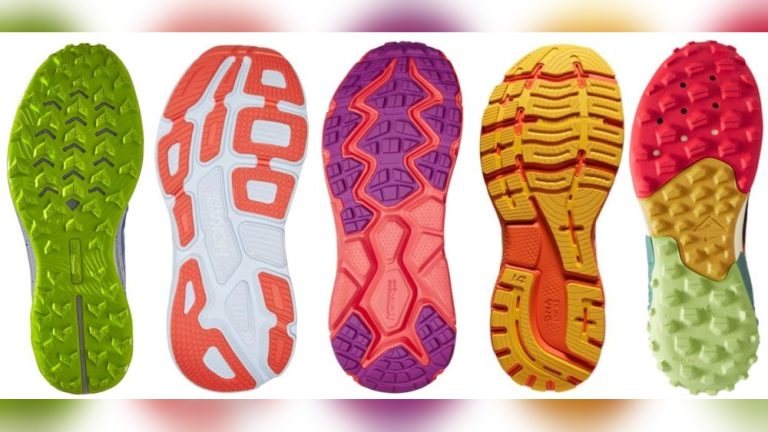
Traction
- Running shoes have tread for straight-line grip and pavement.
- Basketball shoes focus on multi-directional traction for quick cuts and pivots.
Support and fit
- Running shoes offer heel cushioning and a flexible forefoot for stride.
- Basketball shoes add ankle support, firmer midsoles, and a snug lockdown for side-to-side motion.
Sole stiffness and torsional rigidity
- Running soles flex for toe-off.
- Basketball soles are stiffer to keep your foot stable during abrupt lateral loads.
Cushioning patterns
- Running shoes aim to reduce repetitive forward-impact stress.
- Basketball shoes balance impact protection with court feel and stability.
These design gaps explain why many ask can you play basketball with running shoes without thinking of injury risk or performance loss.
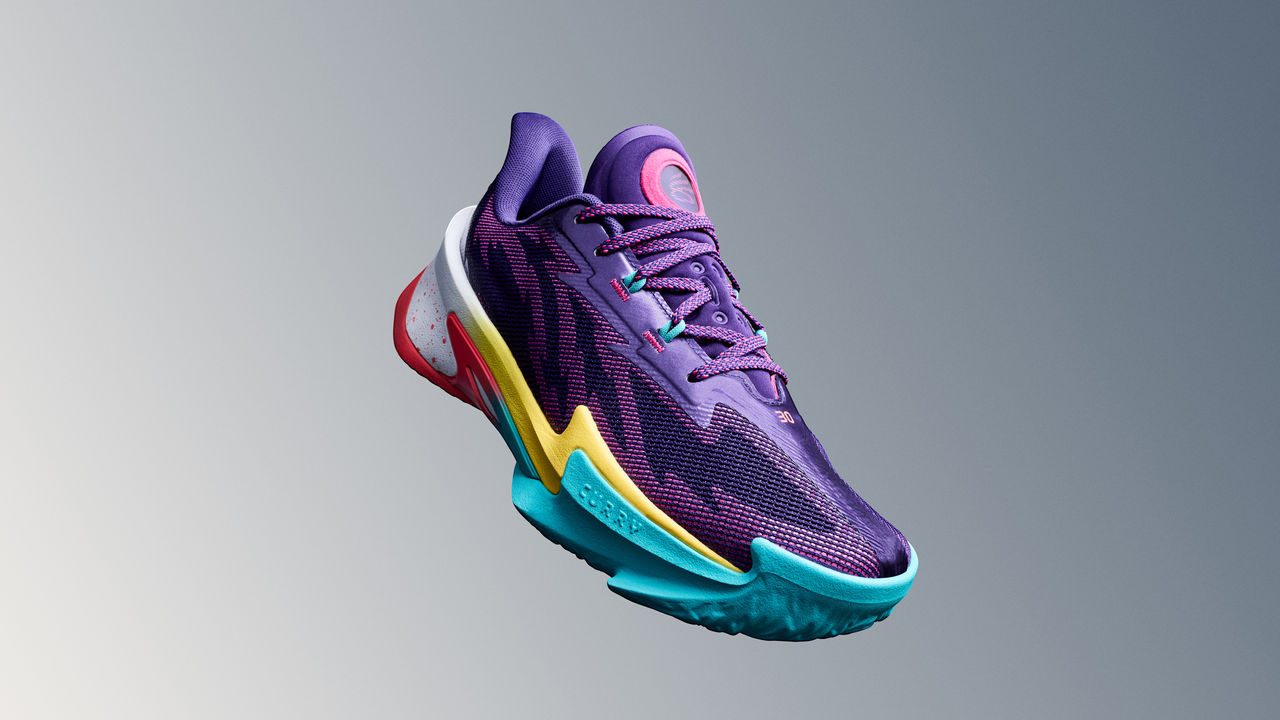
Risks of playing basketball with running shoes
Playing on a hard court in running shoes comes with trade-offs. Here are main risks when you use running shoes instead of basketball-specific shoes.
Increased ankle injury risk
- Running shoes rarely have built-in lateral ankle support.
- Quick cuts and rebounds can cause twists and sprains.
Slipping and poor traction
- The tread pattern on running shoes can lead to sliding on indoor courts.
- Slips increase the chance of falls and collisions.
Reduced court feel and performance
- Less lockdown means delayed cuts, slower reaction, and weaker push-offs.
- Poor torsional control can affect shot mechanics and defense.
Joint stress and fatigue
- Cushioning not tuned for multi-directional impacts can transfer stress to knees and hips.
- Over time this can lead to pain or overuse injuries.
Knowing these risks helps you answer can you play basketball with running shoes more safely.

When it’s acceptable to use running shoes for basketball
You don’t always need pro gear. There are safe, low-risk scenarios to use running shoes for basketball.
Casual play and free throws
- Quick, light shooting sessions or casual pickup games with slow pace are low risk.
- If you’re mostly standing, running shoes are acceptable.
Outdoor courts with rough surfaces
- Outdoor play often wears out shoes fast; running shoes with durable rubber may be acceptable for casual outdoor use.
- Expect reduced grip and faster shoe wear.
Short, infrequent sessions
- For a quick, occasional game you can use running shoes if you have no pain and take precautions.
Avoid using running shoes for full-speed competitive games, tournaments, or long practices. When you weigh whether can you play basketball with running shoes are suitable, consider intensity and frequency.

How to choose running shoes if you must play basketball
If you plan to use running shoes for basketball occasionally, pick the best possible option to reduce risk.
Look for these features
- Flat, wide outsole for better lateral grip and stability.
- Firm midsole rather than ultra-soft foam to limit excessive torque.
- Low heel-to-toe drop can help court feel for quick transitions.
- Grippy rubber compound and shallow, multi-directional tread.
Add-on upgrades
- Use supportive insoles with medial arch support and heel cups.
- Add ankle tape or external braces if you are prone to sprains.
- Wear performance socks with cushioning and moisture control.
Choosing carefully narrows the gap when answering can you play basketball with running shoes under constrained conditions.
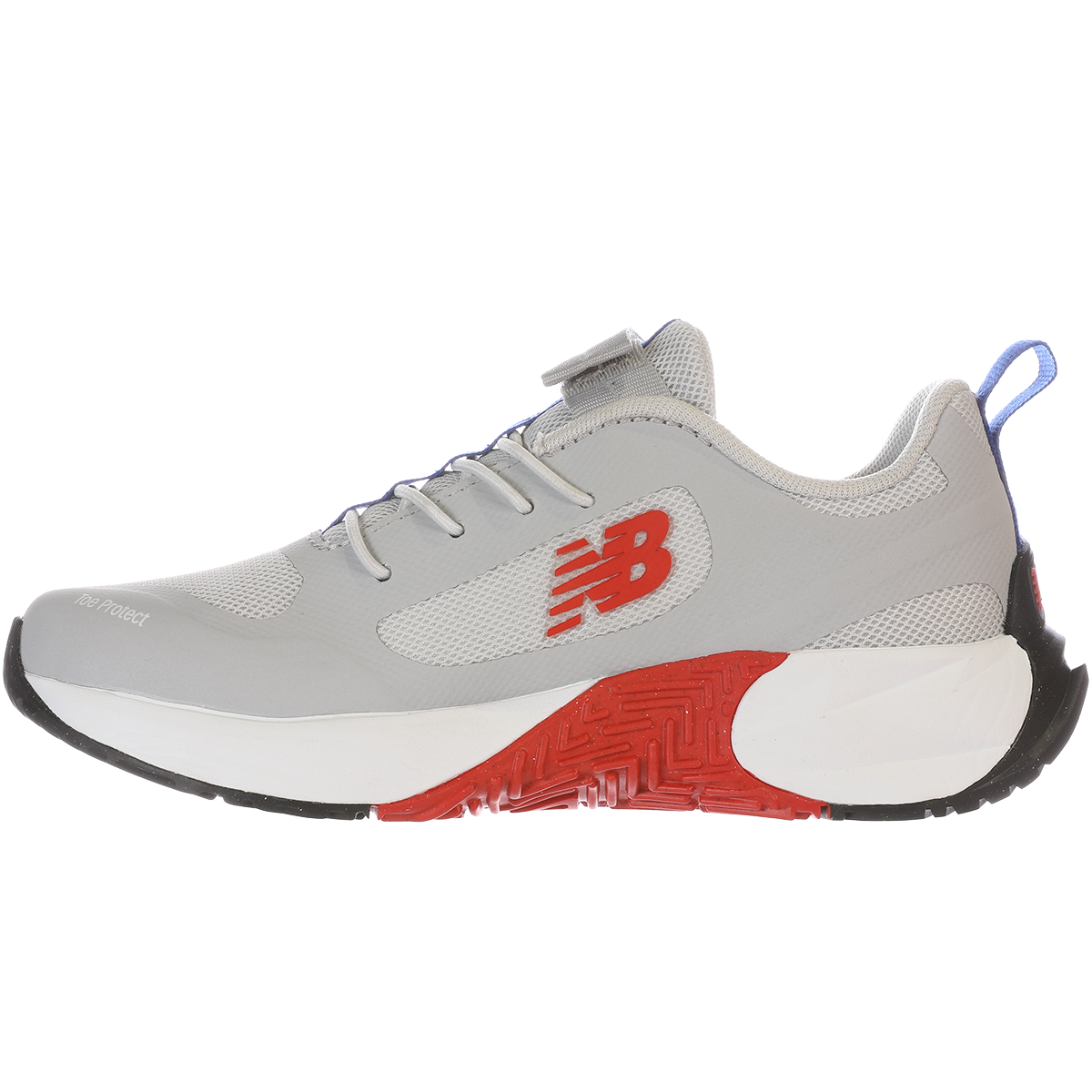
Practical tips to reduce injury and improve play
Small changes can make running shoes safer on the court.
Before play
- Check court surface and avoid dusty floors that reduce traction.
- Warm up with lateral slides and ankle mobility drills.
During play
- Avoid aggressive cuts and limit contact or rebounding where risk is higher.
- Take breaks to assess any foot or ankle discomfort.
After play
- Stretch calves, ankles, and hips to reduce stiffness.
- Rotate shoes and allow them to dry to keep soles grippy.
These steps let you be more confident when someone asks can you play basketball with running shoes on a short notice.
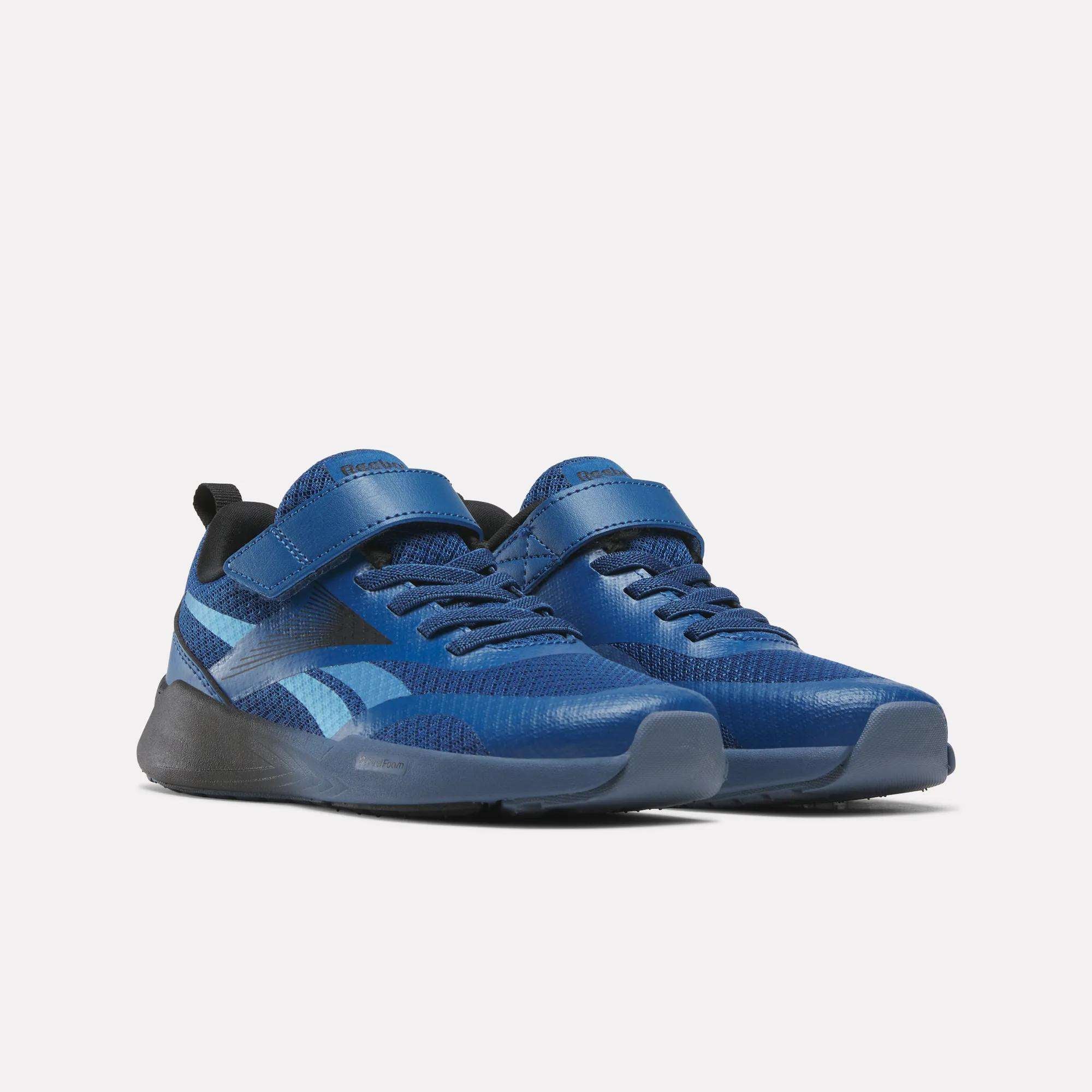
Personal experience: lessons from coaching and testing
As a coach, I once let a new player use a pair of cushioned running shoes for a weekend tournament. By halftime, they complained about ankle wobble and slipped on a fast pivot. We switched to a high-top basketball shoe the next game, and their stability and confidence improved instantly.
What I learned
- Comfort does not equal safety for lateral sports.
- A simple insole and better lacing can help, but they do not replace design differences.
- For regular play, investing in proper shoes significantly reduces injuries and improves performance.
These hands-on lessons shape a practical answer to can you play basketball with running shoes: yes for rare, low-intensity use; no for regular or competitive play.
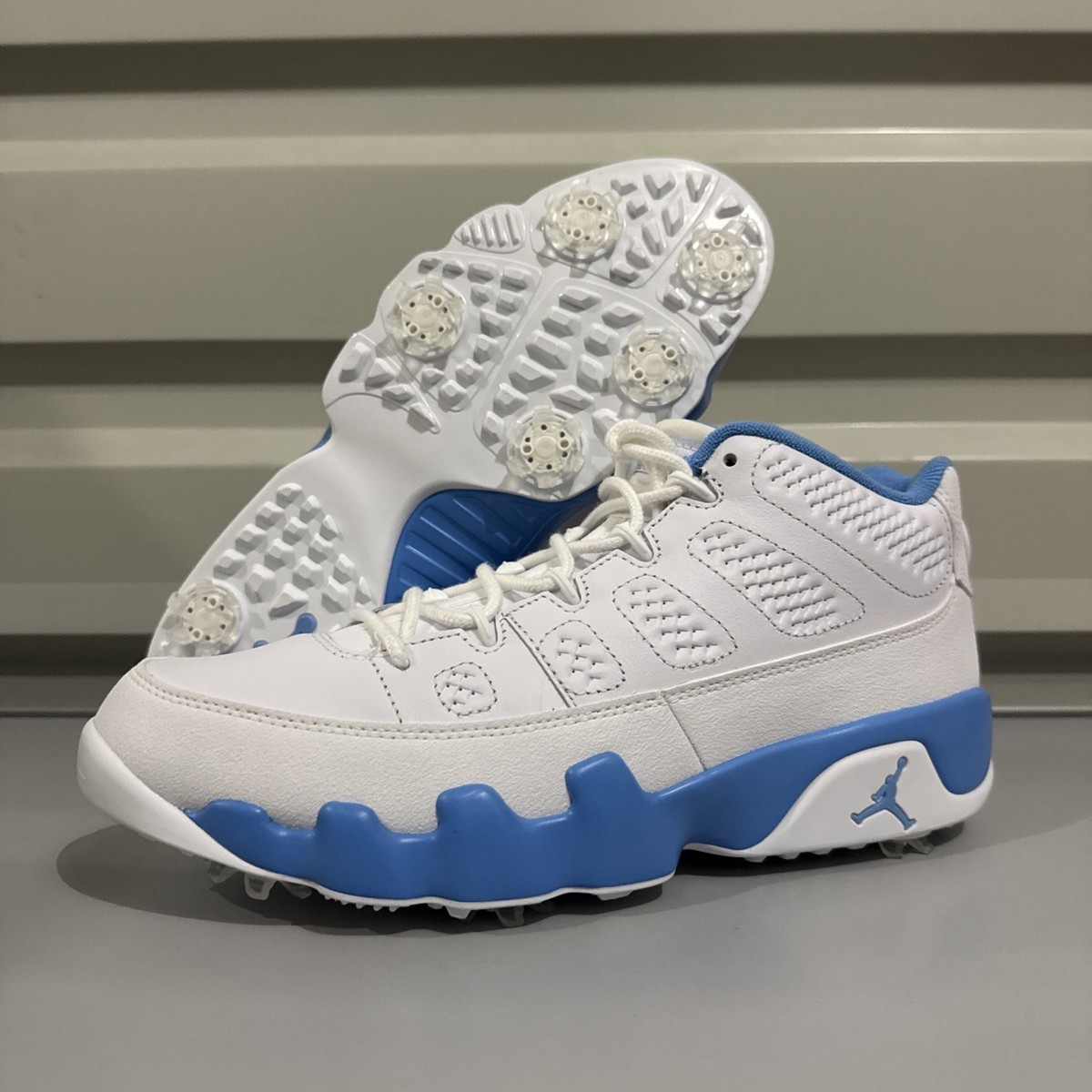
When to upgrade: buying a basketball shoe matters
If you play weekly, compete, or train hard, switching to basketball shoes is worth it.
Signs you should upgrade
- Frequent ankle rolls or recurring knee pain.
- Slipping or poor lateral control in games.
- You feel faster and more confident in friends’ basketball shoes.
What to look for in basketball shoes
- Strong lateral support and secure lockdown.
- Durable, grippy outsole for your court type.
- Cushioning that balances impact absorption and responsiveness.
A good basketball shoe is an investment in health and skill, and it answers in practice the question can you play basketball with running shoes by removing the trade-offs.

Quick PAA-style questions (short answers)
Q: Will running shoes ruin my performance in a game?
A: Running shoes can reduce traction and lateral support, which may slow cuts and affect stability. For casual play the effect is small, but in competitive games it can be noticeable.
Q: Can insoles make running shoes safe for basketball?
A: Supportive insoles help arch stability and comfort but cannot fully replace ankle support and outsole traction. They are a partial fix for short, casual sessions.
Q: Are there running shoes designed for cross-training that work better?
A: Cross-trainers or trail running shoes often offer more lateral stability and grip than road running shoes. They are a better choice when you occasionally play basketball.
Frequently Asked Questions of can you play basketball with running shoes
Can you play basketball with running shoes without getting injured?
You can for brief, low-intensity games, but prolonged play increases risk of ankle sprains and joint stress. Proper footwear reduces those risks.
Are running shoes okay for outdoor basketball?
Running shoes can be used outdoors in a pinch, as rough courts already wear shoes fast. Expect reduced court grip and quicker shoe wear.
Will wearing running shoes reduce my performance?
Running shoes can reduce agility, push-off, and traction compared to basketball shoes, which may lower quickness and stability. The impact is greater in competitive play.
Can ankle tape make running shoes safe for basketball?
Ankle tape adds stability but does not fix sole traction or shoe torsion; it helps but is not a full substitute for basketball shoe design. Use tape as a temporary mitigation.
How often should I replace shoes used for basketball?
Replace shoes when outsole tread is worn, the midsole gets compressed, or you feel less stability—typically every 6 to 12 months with regular play. Indoor court use may require faster replacement.
Are low-top running shoes better than high-top running shoes for basketball?
Low-top running shoes offer more freedom but less ankle protection. High-top running shoes rarely provide the structured support found in basketball shoes, so neither matches true basketball designs.
Conclusion
Playing in running shoes is possible for quick, casual, or outdoor sessions, but it comes with trade-offs in traction, support, and injury risk. If you play often or competitively, upgrading to basketball shoes is a smart choice for performance and health. Start by evaluating how often you play, the court type, and your injury history, then take one small step: try a cross-trainer or a basketball shoe at your next game. Share your experience in the comments, subscribe for more gear guides, or check out local stores to test shoes in person.