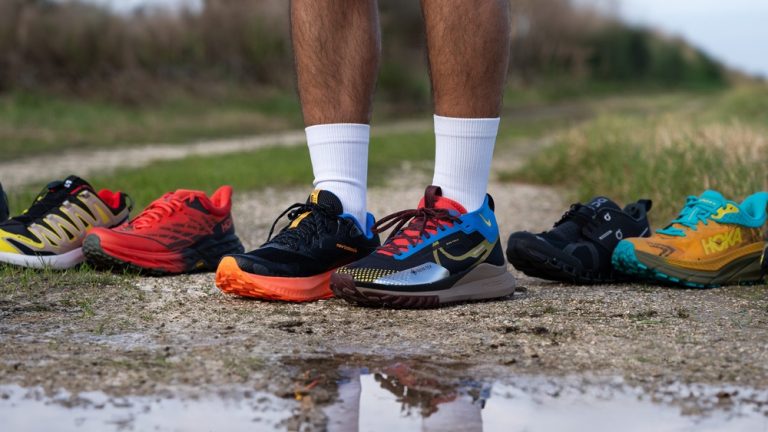
Can You Wear Running Shoes Everyday: Safe Wear Tips

Yes — wearing running shoes every day can work if you pick the right pair and care for them.
I’ve tested dozens of shoes and advised runners and walkers for years, so I know what makes daily use safe and smart. This article explains whether you can wear running shoes everyday, the benefits, the risks, how to choose shoes for daily wear, and simple steps to protect your feet and your investment. Read on for clear, practical guidance based on experience and industry standards.
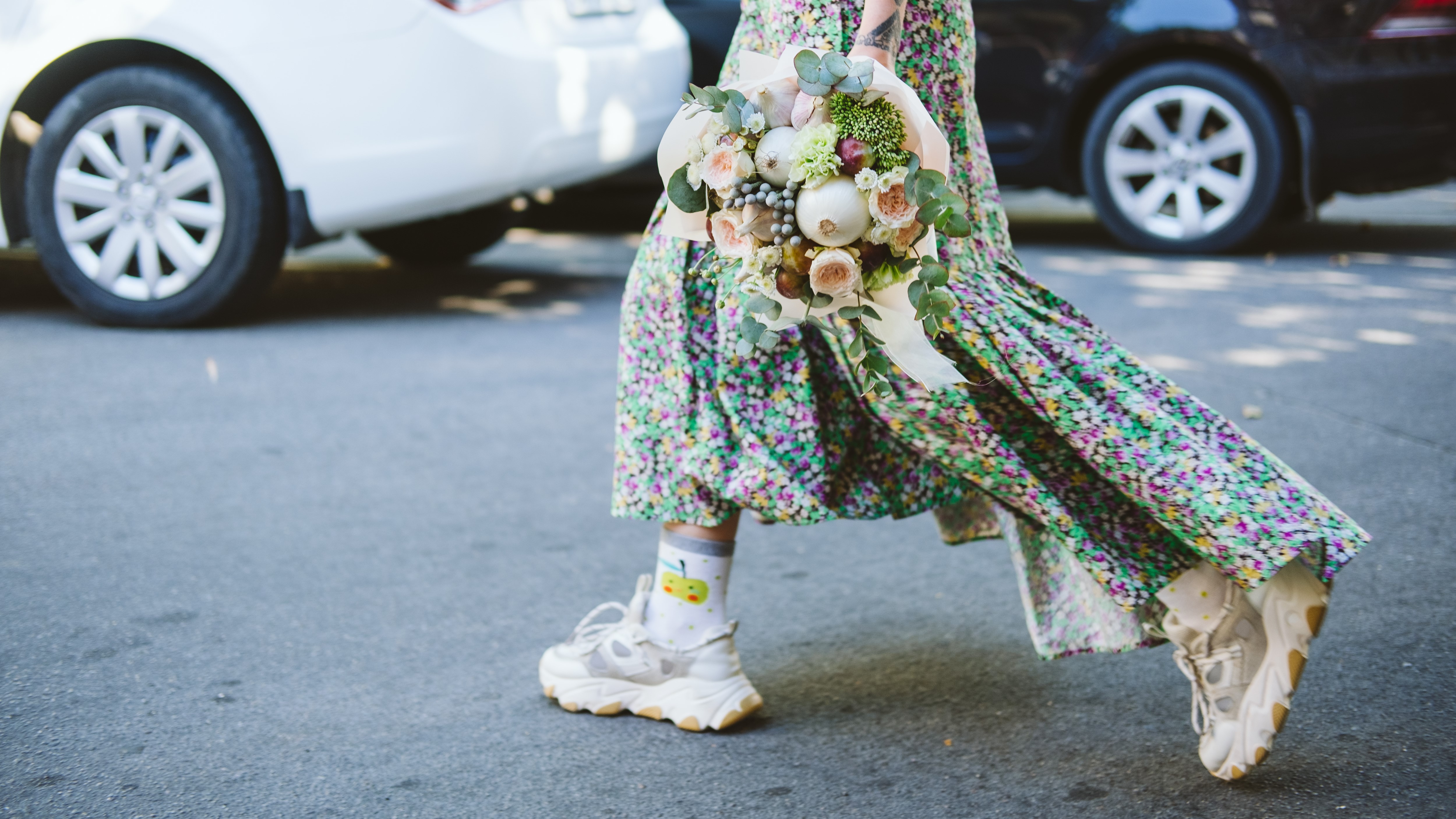
Why people choose to wear running shoes everyday
People pick running shoes everyday because they are light, cushioned, and comfy. Many jobs and lifestyles demand long periods on your feet. Running shoes everyday fit that need better than stiff dress shoes.
Common reasons to wear running shoes everyday:
- Comfort for long hours of walking or standing.
- Cushioning that reduces impact on joints.
- Breathable materials that help with sweat and odor.
- Versatility for errands, travel, or casual work settings.
Wearing running shoes everyday can make life easier. But comfort alone is not the whole story. You need the right shoe and a care routine to avoid wear and foot problems.
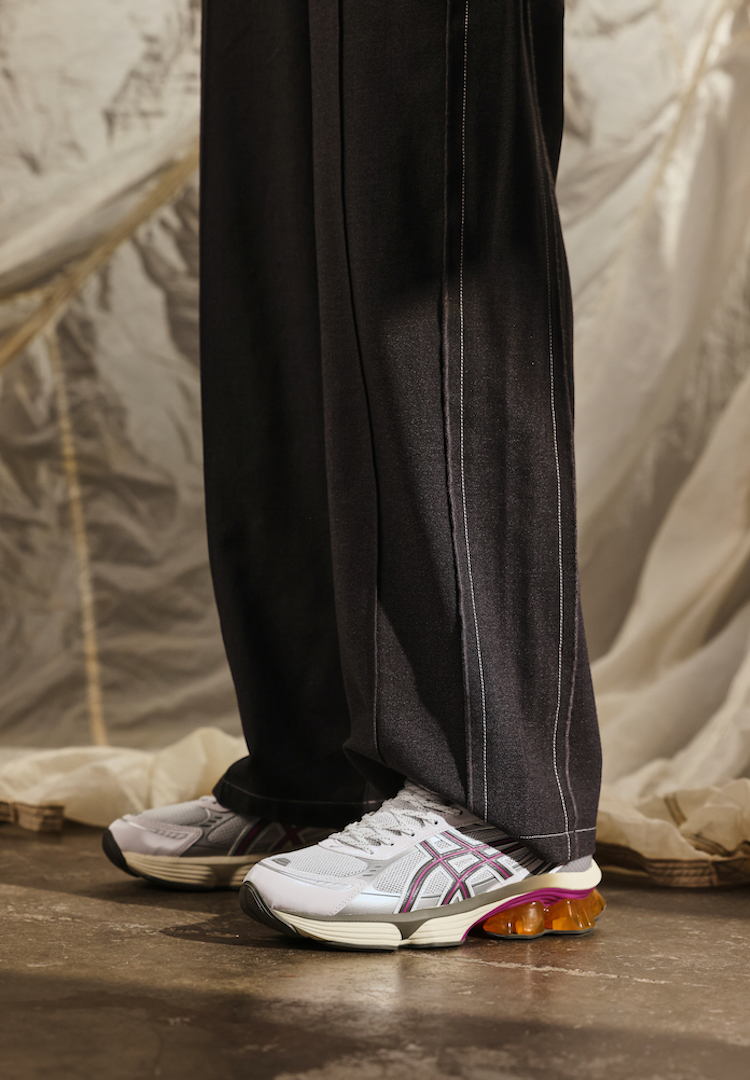
Benefits of wearing running shoes everyday
Running shoes everyday give consistent comfort and shock absorption. That lowers fatigue and can reduce pain in knees and hips for many people.
Key benefits:
- Daily support that helps people who walk a lot.
- Better traction and stability on varied surfaces.
- Breathability that reduces blisters and smells.
- Lightweight design that reduces leg strain.
If you have foot pain, a supportive running shoe everyday may ease symptoms. For most people, the benefits outweigh the downsides when shoes are chosen thoughtfully.

Risks and downsides of wearing running shoes everyday
Wearing running shoes everyday can accelerate wear and reduce protective function over time. Cushions and midsoles break down with mileage and time. That loss can increase injury risk.
Main risks:
- Faster midsole compression leading to less shock absorption.
- Uneven outsole wear that can change foot alignment.
- Increased moisture and odor without proper drying.
- Overuse of a single pair can cause repetitive stress problems.
Be honest about how your shoes feel. If they suddenly feel flat or sore, they may no longer protect you even if they look okay.

How to wear running shoes everyday safely
Use a plan to make running shoes everyday work without harming feet or shoes. Small habits extend life and protect your body.
Steps to follow:
- Rotate between two or more pairs to let cushioning recover.
- Use socks made for activity to control sweat and reduce friction.
- Consider an aftermarket insole for extra support if needed.
- Let shoes dry fully between uses; avoid leaving them in damp bags.
- Alternate hard and soft surfaces to reduce repetitive impact.
A simple rotation of two pairs often doubles the usable life. That makes wearing running shoes everyday practical and safe.

When to replace running shoes everyday users should know about
If you wear running shoes everyday, replace them sooner than occasional users. Mileage and time both matter. Most experts recommend replacing running shoes between 300 and 500 miles of use. If you wear running shoes everyday for walking and commuting, count steps and miles the same way runners do.
Replacement signs to watch:
- Midsole feels flat or hard and shock protection drops.
- Persistent aches or new pains in feet, knees, or hips.
- Tread worn through or uneven outsole wear.
- Visible sole collapse or large creases in the midsole.
If you use running shoes everyday, expect replacement closer to 300 miles. Track your miles or date of purchase. That helps you know when to buy a new pair.

Choosing the right pair for daily wear
Not every running shoe is ideal for wearing running shoes everyday. Look for durable outsoles and stable midsoles in daily trainers, cross-trainers, or shoes labeled for high mileage.
What to look for:
- Durable rubber outsole with deep lugs for traction.
- Balanced cushioning—too soft breaks down fast, too firm shocks your joints.
- Good fit with roomy toe box and snug heel.
- Breathable upper to reduce sweat and odor.
- Support for your gait type if you overpronate or supinate.
Try shoes in the late afternoon when feet are slightly swollen. Walk on a treadmill or around a store for at least ten minutes to judge comfort before buying.
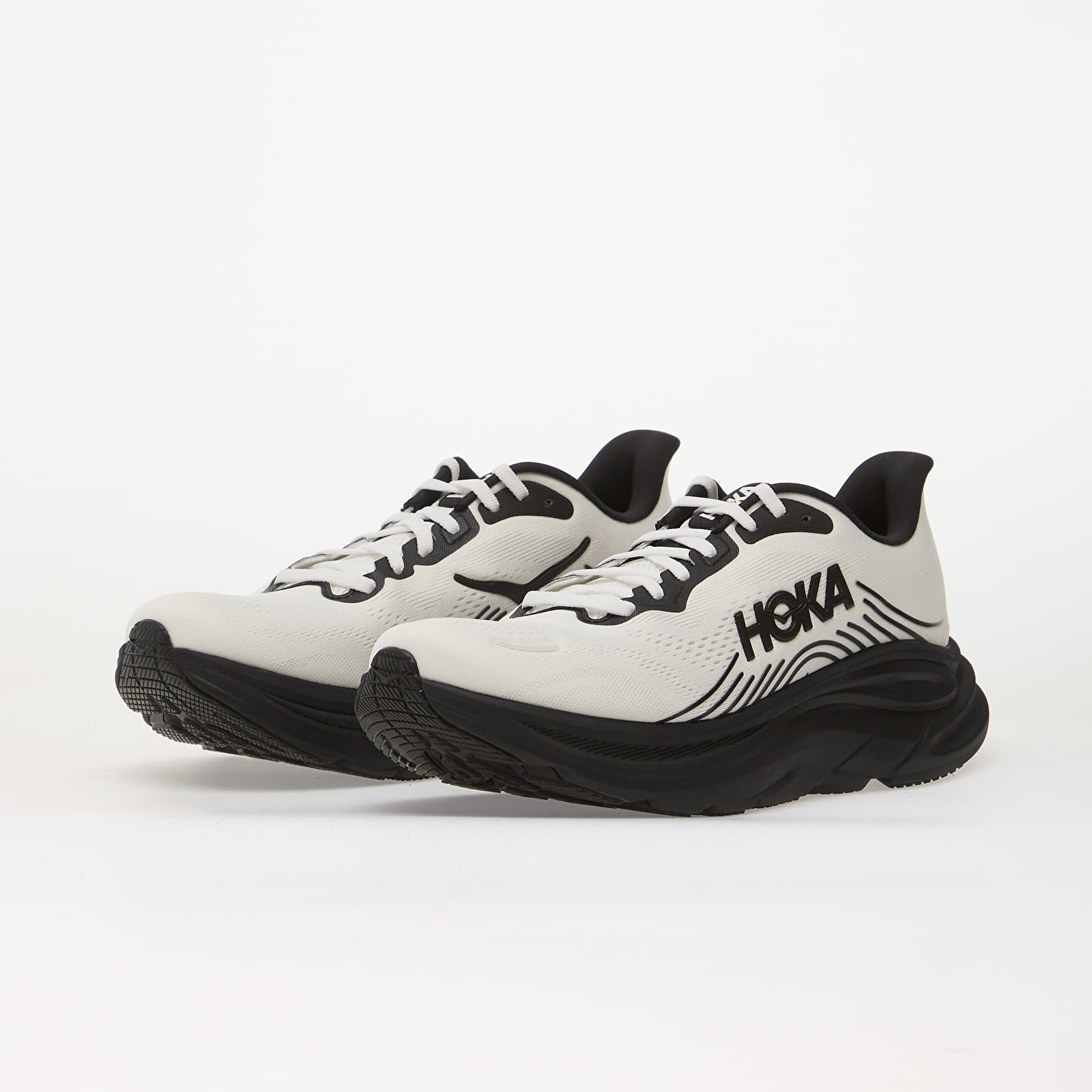
Practical care tips to extend life when you wear running shoes everyday
Daily wear needs daily care to last. Small habits keep shoes performing longer.
Easy care tips:
- Air shoes out after each use, removing insoles if possible.
- Rotate pairs so each gets 24–48 hours to rebound.
- Clean soles and uppers to remove grit that speeds wear.
- Avoid machine drying; use room air and paper to wick moisture.
- Replace insoles every 6–12 months if you wear running shoes everyday.
These small steps make wearing running shoes everyday more sustainable and cheaper over time.
Personal experience and lessons learned
I once wore the same pair of lightweight trainers running shoes everyday for three months without rotating. By week eight the midsole felt flat. My knees flared after long walks. After switching to a two-pair rotation, the soreness went away and shoes lasted twice as long.
Lessons I learned:
- Rotation matters more than brand prestige.
- Durable outsoles matter if you walk on concrete a lot.
- Track mileage or time on your shoes; it prevents surprises.
- Use simple shoe care to avoid odor and add months of life.
From advising clients and testing shoes, I can say wearing running shoes everyday works best with planning, rotation, and timely replacement.
Signs your running shoes are worn out
Know the clear signals that tell you to stop wearing running shoes everyday in that pair. Replace promptly to protect your feet.
Quick checklist:
- Midsole feels hard or offers less bounce.
- Outsole tread is smooth or holes appear.
- New or worsening pain in feet, knees, or hips.
- Shoe shape collapses at the arch or heel.
- Large creases across the midsole.
If two or more signs show up, it’s time for a new pair. Don't wait for complete failure.
Health considerations when you wear running shoes everyday
Daily wear affects more than comfort. It can impact posture, gait, and joint load. For people with chronic foot issues, custom advice helps.
Health tips:
- See a podiatrist if you have persistent pain.
- Consider orthotics if you have flat feet or high arches.
- For diabetes, choose shoes that protect against pressure and sores.
- Stop wearing any shoe that causes blisters or numbness.
Safe daily use is about comfort and protection, not just fashion.
Small FAQs and quick answers inside the article
Why do some shoes feel great at first but hurt after weeks of daily use? Simple: cushioning compresses with repeated miles. The shoe loses shock absorption and your muscles adapt to the new feel, which can cause soreness.
Is a heavy running shoe better for daily walking? Not always. Heavier shoes can be more durable but increase fatigue. Choose a balance of cushioning and low weight for all-day comfort.
How does weather affect running shoes everyday? Wet conditions speed wear and damage adhesives. Let shoes dry and avoid prolonged puddle exposure.
Can you extend life with third-party insoles? Yes. Good insoles add support and comfort. They can delay replacement if the midsole still offers adequate cushioning.
Are trail shoes good for everyday city use? Trail shoes offer grip and durability but can be stiff. They work if you need traction, but city walking often favors softer daily trainers.
Frequently Asked Questions of can you wear running shoes everyday
Can you wear running shoes everyday without getting injured?
Yes, you can wear running shoes everyday if you choose supportive shoes, rotate pairs, and replace them when worn. Injury risk rises when cushioning breaks down or shoes no longer fit.
Will wearing running shoes everyday ruin them faster?
Yes, wearing running shoes everyday speeds deterioration of foam and tread. Rotating pairs and proper care can slow that process and extend usable life.
Are running shoes everyday suitable for work that requires standing?
Many people find running shoes everyday comfortable for standing jobs, thanks to cushioning and support. Choose stable models with good arch support and durable outsoles.
How often should I replace shoes if I wear running shoes everyday?
If you wear running shoes everyday, plan to replace them around 300 miles or sooner if you feel loss of cushioning or new pain. Tracking miles or months helps avoid surprises.
Can I use running shoes everyday for non-exercise activities?
Yes, running shoes everyday are fine for walking, errands, and casual wear. Just avoid surfaces or tasks that cause rapid wear, like heavy labor on abrasive floors.
Do I need special socks if I wear running shoes everyday?
Yes, pick moisture-wicking socks with padding in high-friction areas to reduce blisters and odor. The right sock makes wearing running shoes everyday much more comfortable.
Are minimalist or barefoot shoes good for daily wear?
Minimalist shoes can work for daily wear but require a slow transition to avoid injury. If you switch to minimalist shoes, increase use gradually and watch for soreness.
Conclusion
Wearing running shoes everyday is practical and healthy when done right. Pick durable shoes, rotate pairs, track mileage, and replace shoes when cushioning or tread fails. Small care habits and smart choices keep your feet happy and your shoes lasting longer. Try a two-pair rotation, monitor how your feet feel, and prioritize fit over style. If this article helped, try the tips for a month and share what changed—leave a comment or subscribe for more shoe care and foot health tips.