Best Running Shoe For Bunions Women: Comfort Guide

The best running shoe for bunions women offers a roomy toe box, soft support, and a stable fit without painful pressure.
Many women love running but dread the sore bump at the base of the big toe. A narrow shoe can press on a bunion, rub the skin, and make each mile feel worse. I tested the key features that matter most, such as toe room, cushioning, support, heel hold, and value. These three shoes stand out for different needs. One focuses on wide comfort, one adds strong daily support, and one gives your toes more natural space.
See the differences between my top picks at a glance.
BRONAX Wide Toe Box Road Running Shoes

The BRONAX road running shoe puts its main focus on forefoot space. That makes it a strong choice for women who feel pressure across the bunion area. The wider front gives the toes more room to spread than many narrow athletic shoes. It also has a sporty shape that works for short runs, gym sessions, errands, and daily walks.
I like this model for shoppers who want a simple wide-fit shoe without moving to a very soft or highly structured design. The upper can feel less restrictive when the foot swells during a long day. Still, fit matters more than the word “wide” on the product page. Measure both feet, check the seller’s size chart, and leave a little space in front of the longest toe.
Pros:
- Wide toe box helps reduce pressure near the bunion
- Useful for running, walking, and casual daily wear
- Sporty design suits many outfits
- Roomy front may help feet that swell during activity
- Simple option for shoppers who do not need firm motion control
- Often offers strong value compared with premium running shoes
Cons:
- The wide shape may feel loose on narrow heels
- It may not provide enough structure for runners who need strong stability
- Cushioning and fit can feel different across sizes
What Amazon Buyers Are Saying
Amazon buyer feedback for wide toe box shoes often centers on comfort across the front of the foot. Shoppers tend to look for less rubbing, easier toe movement, and a fit that works with bunions. Many also compare the shoe with regular-width trainers and note whether the front feels more forgiving.
The most common concern with this type of shoe involves sizing. Some buyers find the shoe comfortable right away, while others need to adjust the laces or change socks to improve the heel fit. Reviews may also differ on cushioning because runners have different stride patterns and surface preferences. I recommend reading the newest size comments before ordering.
My Recommendation
I recommend the BRONAX for women who want a roomy front at a reasonable price. It is especially appealing for walking, light running, and mixed daily use. It may not replace a structured stability shoe for every runner, but it gives bunion-sensitive feet a practical starting point. I rate it 4.2 out of 5.
Brooks Adrenaline GTS 25 Supportive Shoe

The Brooks Adrenaline GTS 25 takes a different approach from the other two shoes here. It aims to give runners a stable, guided ride for daily miles. That can help women who feel tired through the arch or who want more control from a running shoe. The model also suits walking, workdays, and regular training.
The key point for bunion sufferers is the fit you choose. The listed version has a medium width, so it may not work if your forefoot needs a lot of space. Brooks often sells shoes in more than one width, but the available option can differ by seller and size. I would choose this shoe when support matters as much as toe comfort, then confirm the width before checkout.
Pros:
- Structured feel supports daily training and walking
- Well suited to runners who prefer a guided ride
- Versatile design works for road miles and daily use
- Stable platform can feel reassuring during longer sessions
- Established running-shoe design with a familiar fit system
- Good choice for shoppers who need more support than a flexible shoe provides
Cons:
- The medium width may press on a bunion for some women
- It can feel firmer and less flexible than a minimalist shoe
- The structured design may take time to feel natural
What Amazon Buyers Are Saying
Buyers commonly discuss the Adrenaline line in terms of support, daily comfort, and walking ease. Many shoppers seek a dependable shoe for repeated use rather than a soft shoe for occasional wear. Feedback often mentions the balance between cushioning and a controlled step.
Fit comments can vary by foot shape. Some buyers like the secure heel and supportive midfoot, while others find the toe area too snug in a medium width. A few shoppers may also need time to adjust to the shoe’s structured feel. For bunions, I would pay close attention to comments about width, toe pressure, and whether the shoe works with the socks you plan to wear.
My Recommendation
The Brooks Adrenaline GTS 25 is worth considering if you need support first and have a mild bunion or a naturally average-width forefoot. It is not my first pick for a very prominent bunion in the medium version. If you can select a suitable width and the shape matches your foot, it can serve as a reliable daily trainer. I rate it 4.4 out of 5 overall, with 3.9 out of 5 for bunion-friendly fit in the listed medium size.
WHITIN Wide Toe Box Zero Drop Shoes
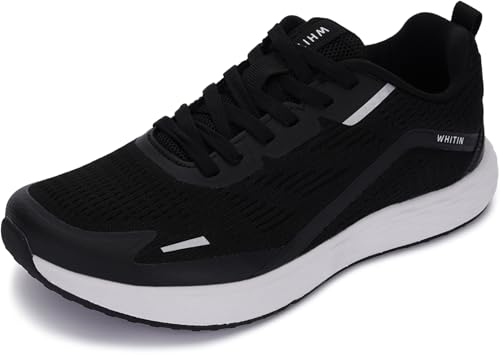
The WHITIN running shoe gives the toes a broad, foot-shaped area. Its zero-drop design keeps the heel and forefoot at a similar height. That low, flexible feel appeals to runners who want more contact with the ground and less built-up structure. The roomy front can also help reduce crowding around a bunion.
This shoe needs a careful transition. A zero-drop shoe can feel very different from a traditional cushioned trainer. Your calves, feet, and Achilles tendon may need time to adapt. I would begin with short walks, then add brief easy runs if the shoe feels comfortable. It is a strong choice for experienced minimalist-shoe users, but it may not suit runners who need thick cushioning or firm guidance.
Pros:
- Wide toe box allows more natural toe spread
- Zero-drop shape supports a level, low-profile feel
- Flexible design can encourage natural foot movement
- Good option for runners who dislike narrow, stiff forefoot areas
- Light feel works well for walking and simple workouts
- Usually appeals to shoppers seeking a less structured shoe
Cons:
- Zero-drop shoes may require a slow transition
- Less cushioning may not suit long road runs
- Minimal support can feel tiring for runners who need stability
What Amazon Buyers Are Saying
Buyer feedback for this style usually focuses on the roomy toe area and the natural feel. Shoppers often compare it with conventional running shoes and like having more room for the toes. Some buyers choose it for walking, gym use, or short runs rather than high-mileage training.
The main concern centers on the zero-drop platform. Buyers who already enjoy minimalist footwear often adapt more easily. Those who expect a plush heel may find the shoe too flat or too firm. Sizing comments can also differ, so I suggest checking the current chart and reading recent comments about length, width, and sock thickness.
My Recommendation
I recommend the WHITIN for women who want maximum toe freedom and already understand zero-drop footwear. It may be the best running shoe for bunions women who prefer a flexible, natural feel, but it is not the safest first choice for every new runner. Start slowly and stop if you feel sharp pain. I rate it 4.1 out of 5.
How to Choose the Best Running Shoe for Bunions Women
Choosing the best running shoe for bunions women takes more than picking the widest-looking sneaker. A good shoe must fit your actual foot shape and match your running habits. It should leave the big toe free, hold the heel in place, and avoid pressure on the bunion. The American Academy of Orthopaedic Surgeons and the American College of Foot and Ankle Surgeons both stress the value of shoes that fit well and do not squeeze the toes. A shoe cannot remove a bunion, but the right fit may reduce rubbing and daily discomfort.
1. Measure the Forefoot and Check the Toe Box
Start with the front of the shoe. The toe box should feel wide enough for your toes to rest without overlap. It should also have enough height to avoid pressing on the bunion joint. Do not judge space while sitting only. Stand up, since the foot can spread and lengthen under body weight.
Measure both feet late in the day. Feet often swell after hours of standing or exercise. Use the larger foot when choosing a size. Wear the socks you plan to run in, and leave about a thumb’s width between your longest toe and the shoe end. Your toes should move, but your heel should not slide.
A rounded or foot-shaped front often works better than a sharply pointed athletic shoe. A wide toe box is helpful, but the whole shoe must fit. If the shoe feels wide at the toes but loose at the heel, use the lacing system before changing size. Never accept a painful break-in period around a bunion.
2. Match Cushioning and Support to Your Running Style
Think about where and how you run. Road runners may prefer more cushioning under the heel and forefoot. Walkers may value a stable base and a flexible front. A beginner may feel more comfortable in a moderate, balanced shoe than in a very flat model.
Support also depends on your stride. If your foot rolls inward and you often feel tired along the arch, a guided shoe such as the Brooks Adrenaline may feel more secure. If you want less structure, the BRONAX or WHITIN may feel freer. No shoe category works for every foot, so comfort during a short trial matters.
Be careful with zero-drop shoes. They can support a natural feel, but they also change the work done by the calves and Achilles tendon. Move from a traditional running shoe in small steps. Walk first. Then try short runs on easy days. A sudden change can cause soreness even when the shoe fits the bunion well.
3. Check Materials, Lacing, and Long-Term Value
Look for an upper that bends without creating a hard seam over the bunion. A flexible mesh can feel more forgiving than stiff material. Soft padding around the collar may improve comfort, but too much padding can trap heat or make the heel feel tight.
Laces should let you adjust the forefoot and heel separately. Loosen the lower eyelets if the bunion area feels crowded. Keep the upper eyelets snug enough to hold the heel. This simple change can improve fit without forcing you to size up.
Value also matters. A low-cost shoe can be a good buy if it fits well and matches your use. A premium shoe may make more sense if you run often and need dependable support. Replace running shoes when the cushioning feels flat, the outsole wears unevenly, or pain starts during normal runs. Do not keep a shoe only because the upper still looks new.
Finally, buy from a seller with a clear return policy. Walk indoors on a clean floor before running outside. Check the bunion area after several minutes. Redness, numbness, or sharp pain signals a poor fit. If your bunion causes lasting pain, swelling, numbness, or trouble walking, ask a podiatrist for advice. A professional can check your foot and suggest treatment beyond footwear.
Final Verdict: Which Should You Buy?
For most women, the BRONAX is my top pick because it combines a roomy toe box with useful everyday comfort. Choose the Brooks Adrenaline GTS 25 if structured support matters most. Pick WHITIN if you already like zero-drop shoes.
The best running shoe for bunions women should feel comfortable from the first walk. Measure carefully, check the width, and increase running time slowly.
FAQs Of best running shoe for bunions women
What is the best running shoe for bunions women?
The BRONAX Wide Toe Box shoe is my top overall pick because it gives the forefoot more room and suits running, walking, and daily wear.
Should running shoes for bunions have a wide toe box?
Yes. A roomy toe box can reduce pressure and rubbing around the bunion. It should also hold the heel securely.
Are zero-drop shoes good for bunions?
They can work well if you prefer natural toe movement and already use low-drop shoes. Start slowly because your calves and feet may need time to adapt.
Can a running shoe cure a bunion?
No. A shoe cannot remove a bunion. The right fit may reduce pressure and discomfort, but persistent pain needs medical advice.
How much extra room should I leave in a running shoe?
Leave about a thumb’s width between your longest toe and the shoe end. Check the fit while standing and wearing your running socks.