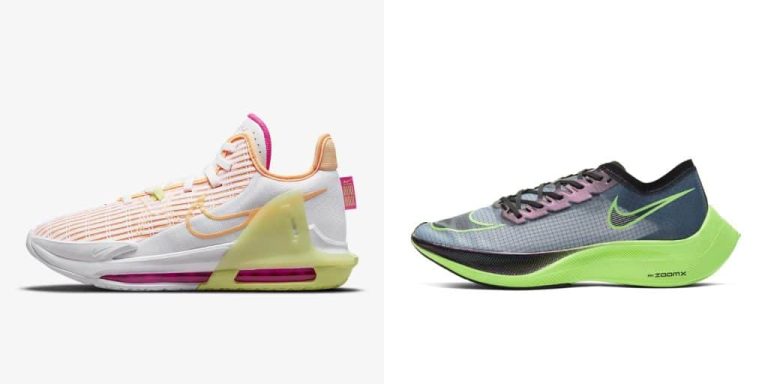
Running Shoes for Forefoot Running: Top Picks for Effortless Speed

Running Shoes For Forefoot Running
Running is more than just putting one foot in front of the other. The way your foot strikes the ground changes everything—from your speed to your risk of injury. If you’re a forefoot runner, you know this truth firsthand. The right shoes can make your runs smoother, protect your joints, and help you reach your goals. But many runners, especially beginners, often struggle to pick the best running shoes for their unique style. This guide will walk you through everything you need to know about running shoes for forefoot running—why it matters, how to choose, the top features, and expert tips that most beginners miss. Whether you’re new to forefoot running or looking to upgrade your gear, you’ll find practical advice and surprising insights you can use right away.
What Is Forefoot Running?
Forefoot running means you land on the ball of your foot or your toes when you run, instead of your heel. This technique is common among sprinters and some long-distance runners. It’s different from heel striking, where the heel touches the ground first, and midfoot striking, where you land in the middle of your foot.
How Forefoot Running Affects Your Body
Landing on your forefoot changes how your muscles and joints absorb impact. Your calf muscles and Achilles tendon work harder, but your knees and hips often feel less stress. Some runners find forefoot running feels faster and more natural, while others need time to adapt.
Why Forefoot Strike Is Popular
In recent years, forefoot running has gained attention because some studies show it can reduce certain injuries and improve running efficiency. Elite runners like Mo Farah and Haile Gebrselassie use this style, inspiring others to try it.
Key Differences Between Forefoot And Other Running Styles
Understanding the differences helps you choose the right shoes. Here’s a quick comparison:
| Running Style | Foot Strike | Impact Area | Common Shoes |
|---|---|---|---|
| Forefoot | Ball/toes first | Calf, foot, Achilles | Flexible, low-drop |
| Midfoot | Center of foot | Evenly spread | Neutral, cushioned |
| Heel Strike | Heel first | Knees, hips | High-drop, more cushion |
Forefoot running shifts the stress to the front part of your foot. This means you need shoes that support your foot’s unique movement and protect your muscles and tendons from overuse.
Why Running Shoes Matter For Forefoot Running
Your shoes are the only thing between you and the road. The wrong shoe can cause pain, injuries, or slow you down. For forefoot runners, shoe design is even more important because the ball of the foot and the toes take a lot of force with each step.
What Happens If You Use The Wrong Shoes?
- Increased Injury Risk: Shoes with high heels or stiff soles can put too much pressure on your calves and Achilles tendon.
- Poor Performance: The wrong shoe may slow your turnover and waste energy.
- Discomfort: You might feel pain under your toes, in your arch, or even develop blisters.
Many beginners think any running shoe will do. But shoes made for heel strikers usually have thick heels and stiff structures, which can actually work against you if you’re a forefoot runner.
Essential Features Of Forefoot Running Shoes
When you’re shopping, look for these features to ensure you get the support and comfort you need.
1. Low Heel-to-toe Drop
Heel-to-toe drop is the height difference between the heel and the toe of the shoe. Forefoot runners do best with a low drop (0–6mm). This design keeps your foot in a natural position and helps you land on your forefoot, not your heel.
2. Flexible Forefoot
A flexible front section allows your foot to bend naturally. This is crucial for absorbing impact and pushing off. Test flexibility by bending the shoe at the forefoot—if it bends easily, it’s a good sign.
3. Responsive Cushioning
Look for shoes with responsive foam in the forefoot. This gives you a soft landing without stealing your energy. Too much cushion can feel squishy and slow, but too little can cause pain after long runs.
4. Lightweight Build
Heavy shoes can slow down your stride and tire your calves. Most forefoot running shoes are lighter than traditional models. Aim for shoes under 10oz (men’s size 9) if possible.
5. Wide Toe Box
A wide toe box lets your toes splay naturally when you land, improving balance and comfort. This is especially important for runners with wide feet or who experience toe pain.
6. Minimal Arch Support
Forefoot runners often have strong foot muscles and need less arch support. Too much arch can restrict your movement. Choose neutral shoes unless you have specific foot issues.
7. Durable Outsole
The outsole should handle repeated impact at the front of the shoe. Rubber under the forefoot area is a must for durability.
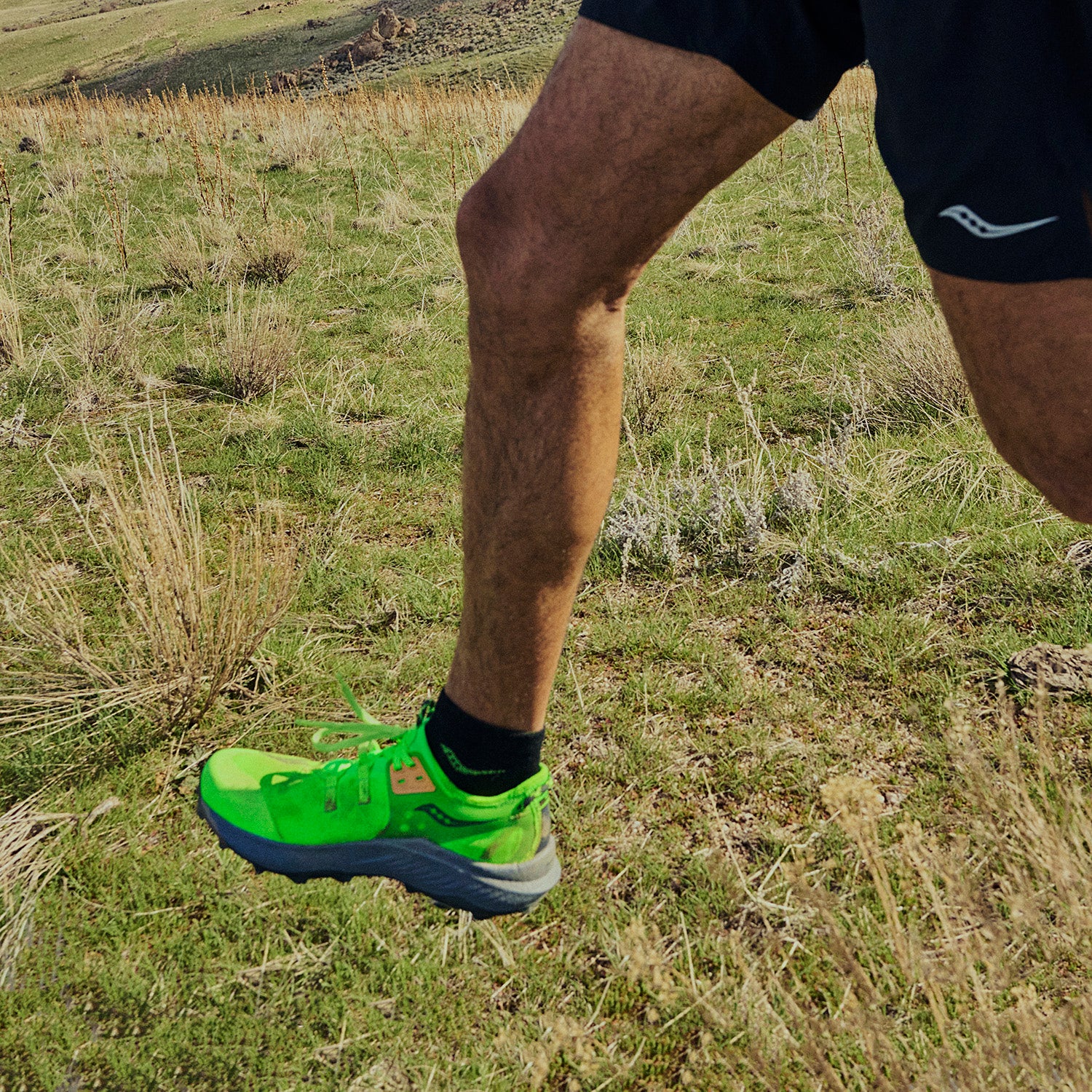
8. Breathable Upper
A mesh or knit upper keeps your feet cool and reduces the risk of blisters. This is often overlooked but makes a big difference on long runs.
Credit: www.outsideonline.com
How To Choose The Right Forefoot Running Shoes
With hundreds of models on the market, it’s easy to feel overwhelmed. Here’s a step-by-step method for picking the right pair.
Step 1: Know Your Foot Type
- Normal arch: Most forefoot shoes will fit well.
- Flat foot: Look for a stable, neutral shoe with a firm forefoot.
- High arch: Seek extra forefoot cushioning for shock absorption.
A simple wet-foot test can help you identify your arch type.
Step 2: Check The Drop
Stick to shoes with a 4mm drop or less if you’re a committed forefoot runner. If you’re switching from heel striking, start with a 6mm drop to give your calves time to adapt.
Step 3: Test Flexibility
Twist and bend the shoe at the forefoot. It should flex easily but not feel flimsy.
Step 4: Try On With Socks
Always try running shoes with the socks you plan to wear. This affects fit and comfort, especially in the toe box.
Step 5: Walk And Jog In The Store
Walk around, then jog in place. Notice if the shoe encourages you to land on your forefoot or if you feel pushed toward your heel.
Step 6: Consider Your Running Surfaces
- Road: Smooth, lightweight shoes with moderate grip.
- Trail: Sturdier shoes with more grip and toe protection.
- Track: Ultra-light racing flats or spikes.
If you run on mixed surfaces, choose a versatile shoe.
Step 7: Check Reviews And Expert Opinions
Look for feedback from other forefoot runners. Not all “minimalist” or “natural” shoes are the same—some are better for experienced runners, others for beginners.
Top 7 Running Shoes For Forefoot Running
There’s no single “best” shoe for everyone, but these models are highly rated for forefoot runners. Each brings something different, from cushion to speed.
1. Altra Escalante
Zero drop, wide toe box, and a very flexible forefoot. Altra is famous for shoes that let your foot move naturally. The Escalante is light, responsive, and fits most foot shapes.
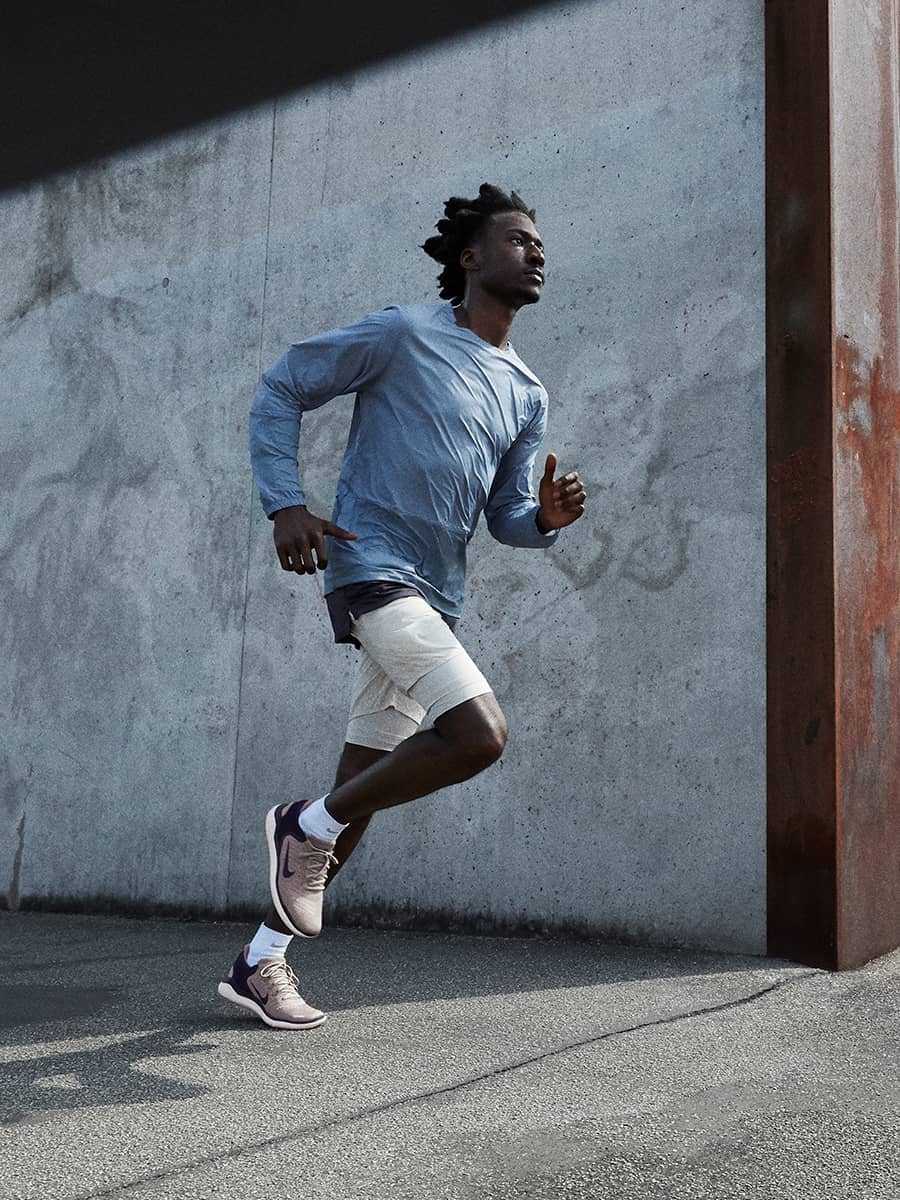
2. Nike Free Rn
This shoe is flexible and light, with a low drop (6mm). The Free RN lets your foot work without too much structure, making it great for runners transitioning to forefoot striking.
3. New Balance Minimus
Minimal cushioning, just a 4mm drop, and a glove-like fit. The Minimus is for runners who want to strengthen their feet and feel the ground. It works best for shorter runs.
4. Saucony Kinvara
A favorite among marathoners, the Kinvara offers moderate cushioning with a low (4mm) drop. It’s light, fast, and fits a wide range of runners.
5. Brooks Pureflow
Good flexibility and a 4mm drop make the PureFlow popular for forefoot runners. The forefoot cushioning is responsive, and the upper is breathable.
6. Topo Athletic Magnifly
This shoe features a zero drop and a roomy toe box. The Magnifly provides more cushion than most minimalist shoes, making it suitable for longer runs.
7. Vibram Fivefingers V-run
The most “barefoot” experience—almost no cushioning or structure. Vibram’s V-Run is for advanced runners who want maximum foot freedom and strong muscles.
Comparing Popular Forefoot Running Shoes
To help you decide, here’s a side-by-side look at key specs for popular models:
| Shoe | Drop (mm) | Weight (oz) | Forefoot Cushion | Toe Box Width |
|---|---|---|---|---|
| Altra Escalante | 0 | 8.1 | Moderate | Wide |
| Nike Free RN | 6 | 8.4 | Light | Medium |
| New Balance Minimus | 4 | 6.6 | Minimal | Medium |
| Saucony Kinvara | 4 | 7.5 | Moderate | Medium |
| Brooks PureFlow | 4 | 8.3 | Moderate | Medium |
| Topo Magnifly | 0 | 8.4 | High | Wide |
| Vibram V-Run | 0 | 5.0 | None | Wide (individual toes) |
Notice how most shoes for forefoot running have a low drop and are lightweight. Toe box width is also a key feature.
Common Mistakes When Choosing Forefoot Running Shoes
Even experienced runners sometimes make mistakes. Here’s what to avoid:
1. Picking Shoes By Looks
A cool design doesn’t mean good performance. Focus on fit, drop, and flexibility—not just colors or brands.
2. Ignoring Your Body’s Signals
If you feel pain in your calf, Achilles, or ball of your foot, your shoes may not be right for you. Never push through sharp pain.
3. Switching Too Quickly
Moving from a high-drop shoe to a zero-drop shoe overnight can cause injuries. Gradually reduce drop and increase forefoot running time.
4. Choosing Too Little Cushion
Barefoot-style shoes aren’t for everyone. If you run on hard surfaces or have a history of foot pain, choose a shoe with some forefoot cushion.
5. Forgetting About Fit
A shoe that’s too tight or loose in the toe box will cause blisters and discomfort. Always try before you buy, or order from stores with good return policies.
Training Tips For Forefoot Runners
The right shoe is only part of the equation. Here’s how to maximize your comfort and performance.
Build Up Slowly
If you’re new to forefoot running, start with short runs (5–10 minutes) in your new shoes. Add distance gradually so your calves and Achilles can adapt.
Strengthen Your Feet And Calves
Add exercises like calf raises, toe walks, and foot domes to your routine. Strong muscles reduce injury risk and improve your running economy.
Focus On Form
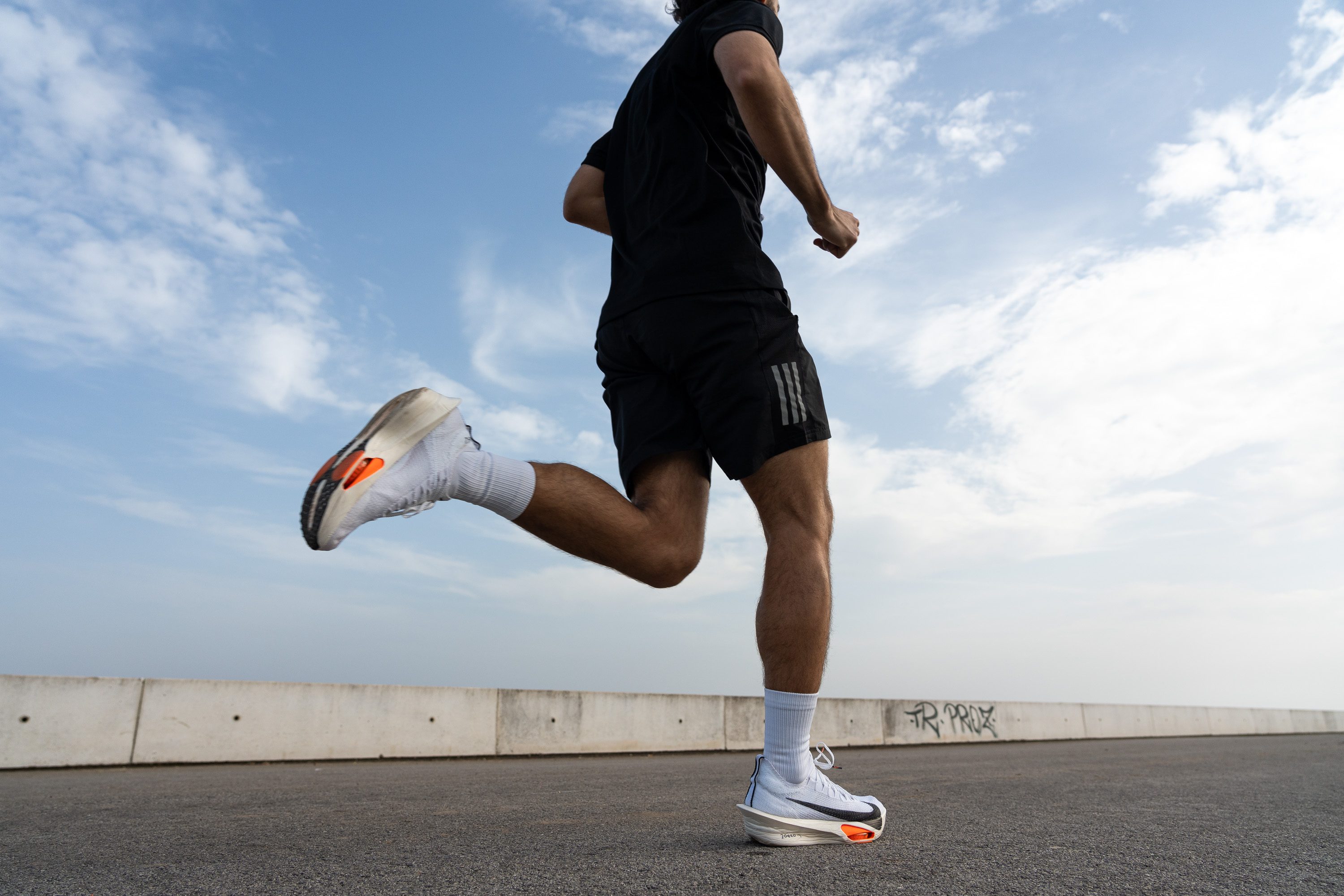
Keep your steps short and quick (about 180 steps per minute). This makes landing on your forefoot easier and reduces overstriding.
Use Proper Socks
Choose thin, moisture-wicking socks to avoid blisters. Some forefoot shoes, like Vibrams, need toe socks for the best fit.
Mix Surfaces
Soft surfaces like grass or dirt trails are easier on your feet while you adapt to forefoot running. Too much time on concrete can cause soreness.
Insights Most Runners Miss
Many beginners overlook these details, but they can make a big difference:
Flex Point Placement
Some shoes have a flex point that matches midfoot running, not forefoot. Test where the shoe bends: it should flex at the ball of your foot, not the arch.
Weight Distribution
Forefoot runners sometimes choose the lightest shoe possible, but a little more weight in the forefoot area can actually help absorb shock. Don’t pick a shoe just because it’s the lightest—test how it feels on your unique stride.
Importance Of Lacing
How you lace your shoes affects fit and comfort. For a wider forefoot, skip the bottom eyelets or use a “bunion window” lacing method. Proper lacing can reduce pressure on your toes and prevent numbness.
When To Replace Your Forefoot Running Shoes
All running shoes wear out, but forefoot runners put more stress on the front section. Replace your shoes when you notice:
- Worn-out outsole under the ball of the foot
- Loss of forefoot cushion or “dead” feeling
- Holes or tears in the upper around the toes
Most shoes last 300–500 miles, but forefoot runners may need to replace them closer to 300 miles, especially with minimal shoes.
How To Transition Safely To Forefoot Running
Changing your running style is a big deal. Here’s a safe approach:
1. Start Small
Begin with 5–10 minutes of forefoot running, then finish your workout with your old style. Increase time by 5 minutes per week.
2. Stretch And Strengthen
Tight calves and weak feet are common when switching. Stretch your calves daily and add single-leg exercises.
3. Listen To Your Body
Soreness in your calves is normal, but sharp pain is not. Rest if you feel pain, and don’t rush the process.
4. Work With A Coach
A running coach or physical therapist can help you adjust your form and recommend the best shoes for your needs.
Caring For Your Forefoot Running Shoes
Your shoes will last longer and perform better if you take care of them:
- Alternate between two pairs if you run often
- Dry shoes naturally (never with direct heat) after wet runs
- Clean dirt and mud with a damp cloth, not in the washing machine
- Replace insoles every few months for freshness and support
Comparing Forefoot Running To Other Styles: Pros And Cons
Forefoot running isn’t perfect for everyone. Here’s a quick look at the benefits and drawbacks compared to other styles:
| Aspect | Forefoot Running | Heel Striking | Midfoot Running |
|---|---|---|---|
| Shock Absorption | Calves/Achilles | Knees/Hips | Spread Evenly |
| Speed Potential | High | Medium | High |
| Injury Risk | Calf/Achilles issues | Knee/hip issues | Varied |
| Shoe Type Needed | Flexible, low-drop | High-cushion, high-drop | Neutral, cushioned |
| Adaptation Time | Long | Short | Medium |
Credit: www.nike.com
Real-world Example: A Runner’s Story
Sarah, a long-distance runner, switched to forefoot running to address knee pain. She chose the Altra Escalante for its wide toe box and zero drop. At first, her calves were very sore, and she could only run a few miles at a time. Over two months, she increased her distance, strengthened her feet, and adjusted her form. Her knee pain disappeared, and she now runs over 30 miles a week without discomfort. Her main advice: be patient and choose shoes that fit your foot, not just the trend.
When To See A Professional
If you have foot pain, persistent injuries, or trouble finding comfortable shoes, see a sports podiatrist or physical therapist. They can analyze your gait and recommend the best footwear and training plan.
Credit: runrepeat.com
Frequently Asked Questions
How Do I Know If I Am A Forefoot Runner?
You’re a forefoot runner if you land on the ball of your foot or your toes, not your heel, when you run. An easy way to check is to have someone film you from the side, or look for wear patterns on your old shoes—the front should show more wear.
Can I Use Barefoot Shoes For Forefoot Running?
Yes, but transition slowly. Barefoot shoes offer almost no cushion or support, so your feet and calves need time to adapt. Start with short runs and watch for soreness in your Achilles or the ball of your foot.
Are Forefoot Running Shoes Good For Walking?
They can be, especially if you have a natural forefoot stride. However, most people walk with a heel strike, so these shoes may feel different or less comfortable for daily walking.
How Long Does It Take To Adapt To Forefoot Running Shoes?
Most runners need 4–12 weeks to adjust, depending on fitness and history. Go slow, listen to your body, and increase time in the shoes gradually.
Where Can I Learn More About Running Form And Shoe Science?
There are many resources online. One reliable source for running biomechanics is the Wikipedia Running Page.
Final Thoughts
Choosing the right running shoes for forefoot running is about more than just style or brand. It’s about understanding your body, your stride, and what each shoe offers. Focus on low drop, flexibility, and fit, and don’t rush the transition. The right shoes can reduce injuries, improve performance, and make running more enjoyable. Remember to listen to your body, strengthen your muscles, and seek advice if you run into problems. With patience and the right gear, forefoot running can unlock a new level of comfort and speed.