
Are Rocker Running Shoes Good for Walking? Expert Guide

Walking is one of the simplest ways to stay healthy. But, as easy as walking sounds, the shoes you choose can make a huge difference. In recent years, rocker running shoes have become popular—not just for running, but also for walking. These shoes look different from regular sneakers. Their soles are curved, and many people wonder: Are rocker running shoes good for walking? Let’s dive deep into the facts, science, and real experiences to help you decide if these shoes fit your walking needs.
What Are Rocker Running Shoes?
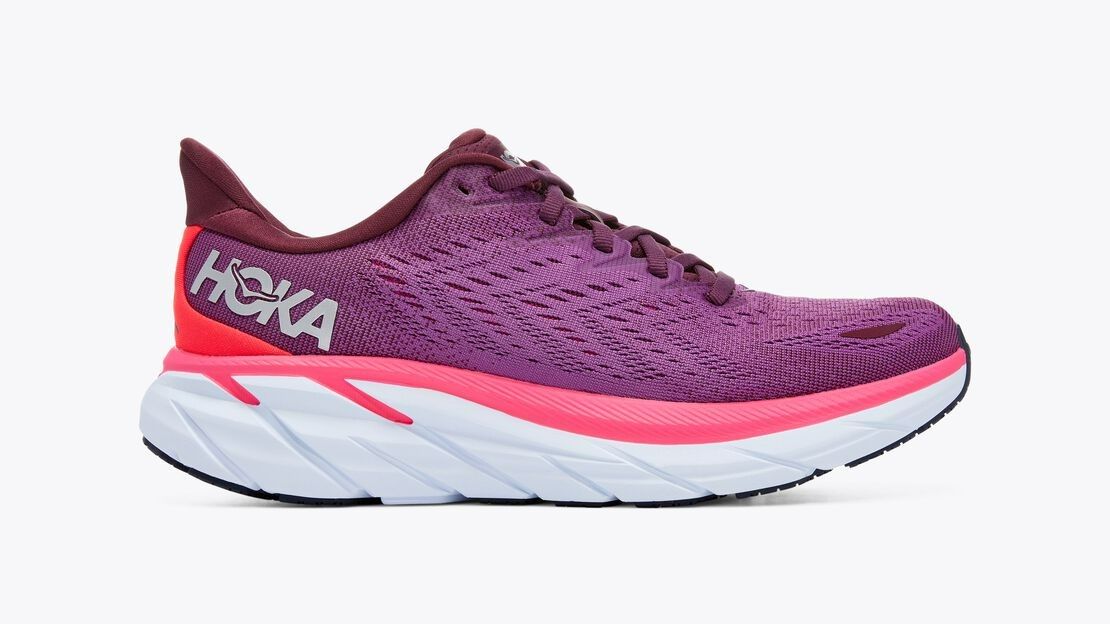
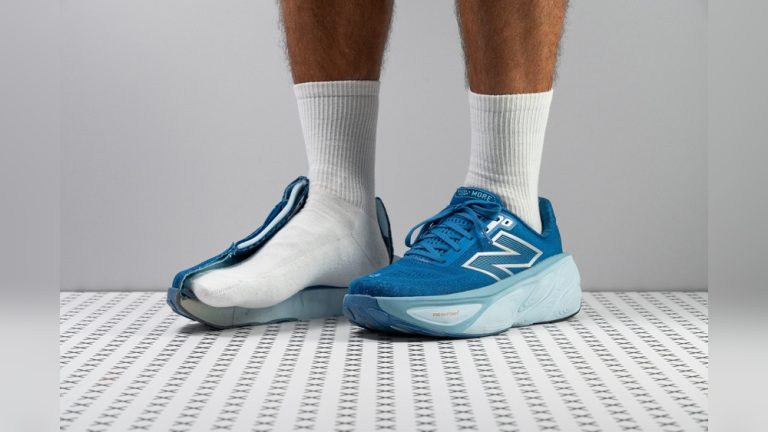
Rocker running shoes have a unique design. Instead of a flat sole, they have a curved sole that rocks back and forth. This curve usually starts at the toe and sometimes at the heel. When you walk in these shoes, your foot rolls smoothly from heel to toe, like a rocking chair. This design aims to reduce pressure on certain parts of your foot and help with movement.
There are a few types of rocker shoes:
- Forefoot Rocker: Curve is at the front of the shoe. Helps people with stiff toes.
- Heel-to-Toe Rocker: Curve runs from heel to toe. Supports smooth movement.
- Double Rocker: Curves at both heel and toe. Designed for people with midfoot problems.
The main reason behind this design is to change how your foot moves with each step. Instead of bending your foot a lot, the shoe helps your foot roll forward. This can feel strange at first, but many people say it becomes comfortable after some time.
How Do Rocker Shoes Work?
The science behind rocker shoes is simple but powerful. The curved sole changes the way your foot strikes the ground. In a regular shoe, your heel hits the ground, your foot flattens, and then your toes push off. In a rocker shoe, the curve helps your foot move forward with less effort.
Key Mechanisms
- Reduced Flexion: Your toes and foot don’t need to bend as much. The shoe does some of the work.
- Redistributed Pressure: Pressure on your heel and forefoot spreads out more evenly.
- Energy Transfer: The rocking motion can make walking feel smoother and less tiring.
This design is especially helpful for people who have stiff joints, arthritis, or foot pain. But even for healthy people, the rolling action can reduce fatigue on long walks.
Credit: www.advnture.com
Benefits Of Rocker Running Shoes For Walking
Many people choose rocker running shoes for reasons beyond running. Here’s why they can be good for walking:
1. Less Pressure On The Foot
The curved sole spreads your weight across the shoe. For those with plantar fasciitis, bunions, or metatarsal pain, this can mean less pain. A 2021 study in the Journal of Foot and Ankle Research found that rocker soles can reduce pressure on the forefoot by up to 30% compared to regular shoes.
2. Easier Movement
Because the shoe helps your foot roll, you might find walking feels less stressful. This is especially true if you walk long distances or have to stand for many hours.
3. Help For Medical Conditions
Doctors often recommend rocker shoes for:
- Arthritis: Less need for joint movement means less pain.
- Stiff Big Toe (Hallux Rigidus): Shoes help you move forward without bending your toe.
- Diabetes: Less pressure on feet reduces risk of ulcers.
4. Improved Posture
Some people notice that rocker shoes encourage them to stand up straighter. The rolling motion can reduce slouching and promote a healthier walking style.
5. Fatigue Reduction
By letting the shoe do some of the work, your legs may not get as tired. This can be helpful for older adults or anyone who walks for exercise or daily tasks.
Potential Downsides And Risks
While rocker running shoes offer benefits, they’re not perfect for everyone. It’s important to know the risks before you buy.
1. Balance Issues
The curved sole means less contact with the ground. If you have trouble with balance, you might feel unstable. Elderly people or those with vestibular problems should be careful.
2. Learning Curve
Your muscles and joints need time to adjust. The first few days can feel awkward. Some people even get sore calves or ankles at first.
3. Not For Fast Walkers Or Runners
If you walk very quickly or try to run in rocker walking shoes, you might trip. They’re best for moderate speeds.
4. Heavier Than Regular Shoes
Many rocker shoes are built with extra material to support the curved sole. This can add weight, making them less ideal if you want a lightweight shoe.
5. Cost
Rocker running shoes are often more expensive than basic walking shoes. You might pay $120 to $200 for a quality pair.
6. Not Always Good For Healthy Feet
If you have no pain or joint problems, rocker shoes might change your natural walking style in ways that aren’t helpful. They are designed for specific needs, not for everyone.
Credit: www.peltzshoes.com
Comparing Rocker Running Shoes To Regular Walking Shoes
To see the difference between rocker running shoes and regular walking shoes, let’s look at a side-by-side comparison.
| Feature | Rocker Running Shoes | Regular Walking Shoes |
|---|---|---|
| Sole Shape | Curved (rocker) | Flat or slightly curved |
| Pressure Distribution | Even across foot | More on heel/toe |
| Weight | Heavier | Lighter |
| Best for | People with foot/joint pain | General use |
| Learning Curve | Yes, needs adjustment | No, feels natural |
| Price Range | $120–$200 | $60–$140 |
This table makes it clear that rocker running shoes have a special role. They’re best for people with specific needs, not as a one-size-fits-all solution.
Who Should Consider Rocker Running Shoes For Walking?
Not everyone will benefit from a rocker running shoe. Here are the groups who may want to try them:
1. People With Foot Pain
If you have plantar fasciitis, metatarsalgia, bunions, or arthritis, rocker shoes may help. The reduced pressure can ease pain and allow you to walk longer.
2. Those With Stiff Joints
The rolling motion helps people who can’t bend their toes or ankles well. For example, people with hallux rigidus (stiff big toe) often do better in rocker shoes.
3. Diabetics
People with diabetes are at risk for foot ulcers. Rocker shoes reduce pressure points, lowering ulcer risk.
4. Older Adults (with Caution)
Older adults who walk slowly and have foot problems sometimes benefit. However, if you have balance issues, talk to a doctor first.
5. Walkers Recovering From Injury
After some foot or ankle injuries, doctors recommend rocker shoes to reduce stress while walking.
Who Should Avoid Rocker Running Shoes?
Rocker shoes aren’t the best choice for everyone. You should probably avoid them if:
- You have good foot health and no pain
- You have poor balance or a history of falls
- You need to move quickly or change direction often
- You want a very light shoe for travel or racing
Wearing the wrong type of shoe can sometimes cause new problems. For example, healthy walkers might develop calf soreness or feel unsteady.
How To Choose The Right Rocker Running Shoes
If you think rocker running shoes might help you, choosing the right pair is important. Here’s what to look for:
1. Rocker Type
- Forefoot rocker: Good for stiff toes or forefoot pain.
- Heel-to-toe rocker: Best for general joint pain.
- Double rocker: For midfoot issues.
2. Fit
Try on several pairs. Your toes should not touch the end, and the shoe should feel snug but not tight. Because rocker shoes change your walking style, they might fit differently than regular shoes.
3. Stability
Some rocker shoes are more stable than others. Look for a wide base and firm heel cup if you’re worried about balance.
4. Weight
Lighter is not always better with rocker shoes, but avoid very heavy models unless you need extra support.
5. Price And Brand
Choose a trusted brand. Sometimes, cheaper rocker shoes wear out quickly or have poor support.
6. Professional Advice
If you have foot pain or medical issues, ask a podiatrist or physical therapist to recommend the right type.
Real-world Examples: Popular Rocker Shoe Brands
Many companies make rocker running shoes. Here are some examples that are popular for walking:
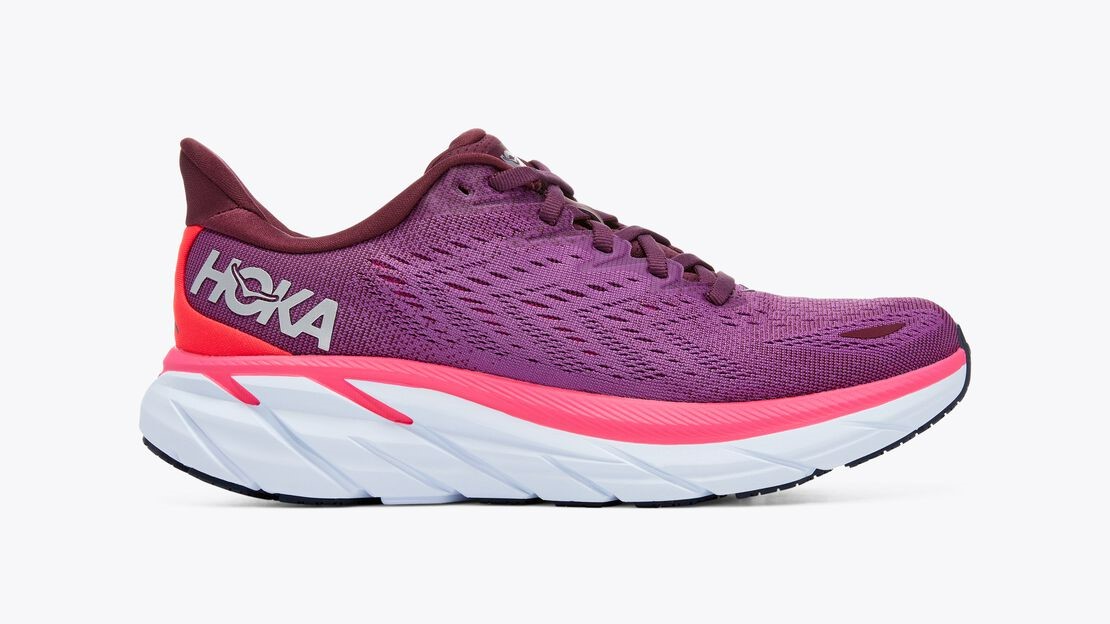
- Hoka One One Bondi: Known for thick, curved soles and excellent cushioning. Often recommended for people with plantar fasciitis.
- MBT (Masai Barefoot Technology): One of the first companies to market rocker shoes. Good for improving posture.
- Skechers Shape-Ups: Famous for their rolling sole, though now less common. Popular with people who stand all day.
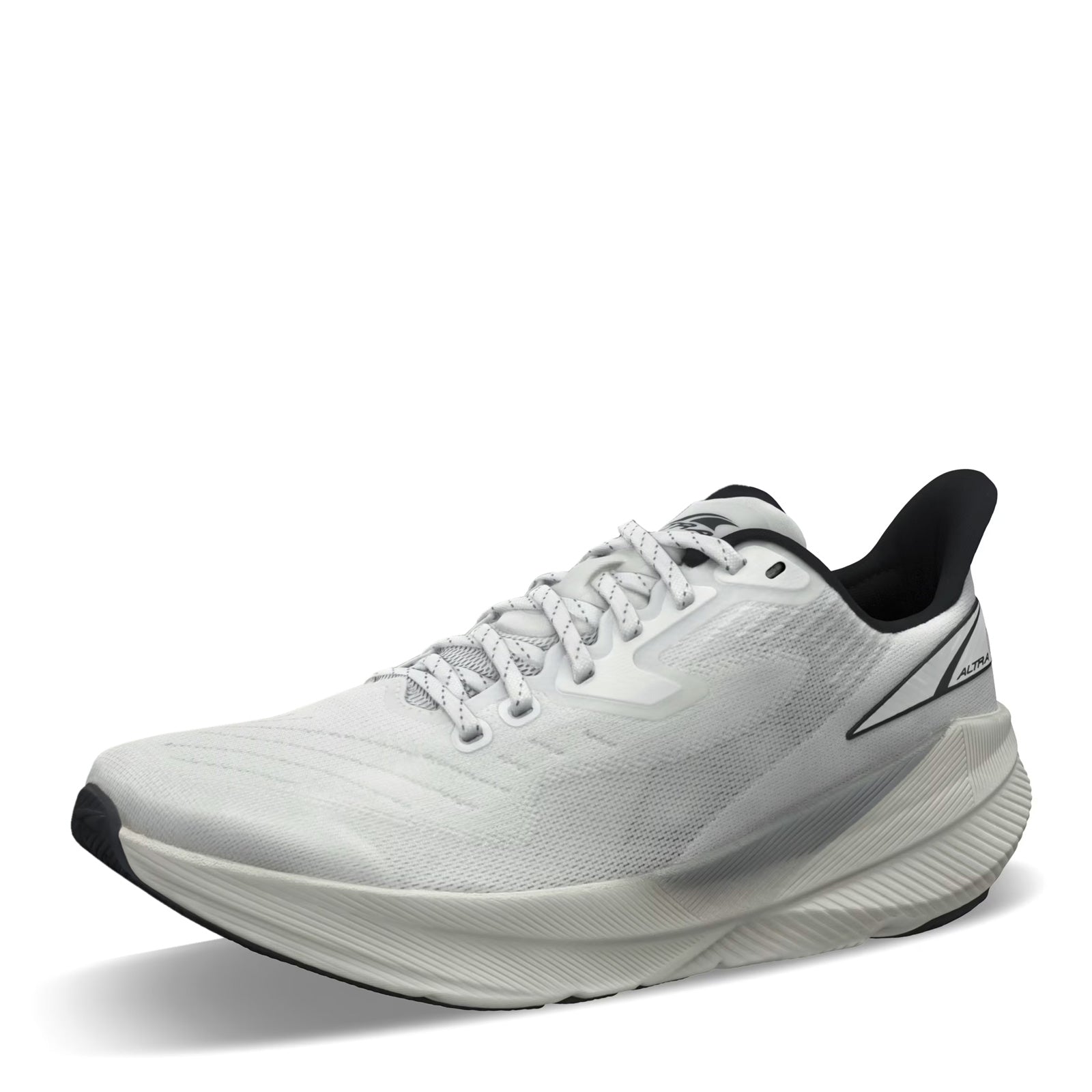
- Altra Paradigm: Has a mild rocker and wide toe box for extra comfort.
- Saucony Echelon Walker: Offers support with a gentle rocker for those who need both.
Each of these brands offers different levels of curve, cushioning, and support.
Rocker Running Shoes In Medical Research
Doctors and scientists have studied rocker running shoes for many years. Here’s what research says:
- A 2019 study in the Journal of Rehabilitation Research & Development found that people with arthritis had 20% less pain after switching to rocker shoes for daily walking.
- Another study, published in Foot & Ankle International, showed diabetic patients reduced their risk of foot ulcers by 60% when they wore rocker shoes compared to regular footwear.
- A review of studies in 2022 found that people with plantar fasciitis walked longer without pain when using rocker soles.
However, not all research is positive. Some studies found that healthy adults sometimes felt less stable and used more muscle effort, especially in the calves, when first using rocker shoes. Over time, most people adapt, but a few never find them comfortable.
Common Mistakes When Using Rocker Running Shoes For Walking
Even with the best shoes, mistakes can happen. Here are common issues to avoid:
- Wearing Them All Day, Right Away: Start with short walks. Give your muscles time to adjust.
- Ignoring Fit: Don’t buy a shoe just because it’s a rocker. If it doesn’t fit well, it won’t help.
- Not Watching for Wear: The curved sole wears out differently. Replace shoes before they get too worn, especially at the toe and heel.
- Using Them for Fast Sports: Rocker running shoes are not for basketball, tennis, or sprinting. Stick to walking.
- Skipping Medical Advice: If you have foot problems, ask a doctor before buying.
How To Transition To Rocker Running Shoes
Switching to rocker shoes takes time. Here’s how to do it safely:
- Start Slow: Wear them for 10–15 minutes the first day.
- Increase Gradually: Add 10 minutes each day until you can walk for an hour.
- Watch for Soreness: Calf and ankle soreness is normal for a few days. If pain lasts more than a week, stop and check with a professional.
- Use on Flat Surfaces First: Walking on hills or uneven ground is harder at first.
- Keep Your Old Shoes: Switch back if you need a break.
Rocker Running Shoes Vs. Other Specialty Walking Shoes
There are many kinds of shoes for people with foot pain. How do rocker running shoes compare to other options?
| Shoe Type | Main Feature | Best For | Common Brands |
|---|---|---|---|
| Rocker Running Shoes | Curved sole for rolling motion | Foot pain, arthritis, stiff joints | Hoka, MBT, Skechers |
| Stability Shoes | Extra arch support | Flat feet, mild overpronation | Brooks, New Balance |
| Motion Control Shoes | Very firm midsole | Severe overpronation | ASICS, Saucony |
| Cushion Shoes | Soft, thick padding | Knee pain, high arches | Hoka, Nike |
| Minimalist Shoes | Thin, flexible sole | Strengthening foot muscles | Vibram FiveFingers |
This shows that rocker running shoes are not the only solution. Sometimes, a stability or cushion shoe works better, especially if you don’t have joint stiffness.
Insights Beginners Often Miss
When people try rocker running shoes, they often miss a few things:
- Adaptation Takes Time: Your walking muscles need time to learn the new motion. Don’t judge the shoes after one walk.
- Not All Rockers Are the Same: The amount of curve and firmness varies a lot. A shoe that works for your friend might not feel right for you.
- Check Your Walking Surface: Rocker shoes are best on flat or gently sloping surfaces. On gravel or steep hills, they can feel unstable.
- Replace Worn-Out Shoes Promptly: The rocker function stops working once the sole is worn down. Don’t wait for holes to appear.
- Orthotics Might Not Fit: Custom arch supports sometimes don’t work well in rocker shoes. Test before buying if you need orthotics.
Credit: www.advnture.com
What Do Real Walkers Say?
Thousands of walkers have shared their opinions online and in clinics. Here’s what stands out:
- Many people with chronic foot pain say rocker shoes are “life-changing.” They can walk longer without pain.
- Some report initial muscle soreness, mostly in the calves.
- A few mention feeling “off balance” on stairs or when making quick turns.
- Walkers without medical problems often switch back to regular shoes after a few weeks, saying the rolling motion feels unnatural for them.
One walker with arthritis shared: “The first week was tough. My calves were sore, and I felt clumsy. After two weeks, my foot pain was almost gone, and I could walk a mile for the first time in years.”
How To Test Rocker Running Shoes In Store
Before you buy, it’s smart to test the shoes in the store. Here’s how:
- Wear Your Usual Socks: Fit can change with different socks.
- Walk on Multiple Surfaces: Try hard floors and carpet.
- Do Your Normal Walk: Don’t change your stride. The shoe should help you roll forward without forcing it.
- Try Going Up and Down Steps: Notice if you feel stable.
- Check for Heel Slippage: Your heel should stay in place as you walk.
If you feel pain, pressure points, or your toes hit the end of the shoe, try another size or style.
Tips For Getting The Most Out Of Rocker Running Shoes
Maximize the benefits of your rocker shoes with these tips:
- Break Them In Gradually: Don’t wear them for a long hike on the first day.
- Keep Laces Snug: A loose shoe can be more unstable with a rocker sole.
- Use the Right Socks: Thick, moisture-wicking socks add comfort and prevent blisters.
- Clean the Soles Regularly: Dirt and rocks can get stuck in the deep curve.
- Rotate Shoes: If you walk every day, switch between two pairs to extend their life.
When To See A Professional
If you notice any of these problems, see a foot specialist:
- Ongoing pain after two weeks of use
- Numbness or tingling in your feet
- Frequent tripping or falls
- Shoe rubs or causes blisters
A podiatrist can check your walking style and recommend the right shoe or a custom orthotic.
The Bottom Line: Are Rocker Running Shoes Good For Walking?
Rocker running shoes can be a great tool for many walkers, especially those with foot pain, joint stiffness, or special medical needs. The rolling sole design spreads pressure, helps movement, and can reduce pain for many people. But, they’re not perfect for everyone. If you have healthy feet and good balance, a regular walking shoe may feel more natural and be just as effective.
If you’re thinking about trying rocker running shoes, start slow, choose the right style for your needs, and pay attention to how your body feels. For people with chronic foot pain or certain medical conditions, these shoes can make walking enjoyable again.
For more information about rocker shoes and their medical uses, you can check the Wikipedia entry on rocker bottom shoes.
Frequently Asked Questions
What Are The Main Benefits Of Rocker Running Shoes For Walking?
The main benefits are reduced foot pressure, easier movement, and less fatigue. These shoes help people with foot pain, arthritis, or stiff joints walk longer with less discomfort.
Can Healthy People Use Rocker Running Shoes For Walking?
Healthy people can use rocker running shoes, but they may not be the best choice. If you don’t have foot pain or stiffness, a regular walking shoe usually feels more natural and stable.
How Long Does It Take To Get Used To Rocker Running Shoes?
Most people need about one to two weeks to adjust. Start with short walks and increase time slowly. Muscle soreness, especially in the calves, is common at first.
Are Rocker Running Shoes Safe For Elderly Walkers?
They can be safe for older adults with foot pain, but caution is needed. Because the shoes can affect balance, it’s best to try them in a safe place and check with a doctor if you have a history of falls.
Can I Use Orthotics With Rocker Running Shoes?
Some rocker shoes allow for custom orthotics, but not all. The curved sole sometimes makes it hard to fit inserts. Test the fit before buying if you need orthotics for support.
By choosing the right shoe and making a gradual transition, many walkers can enjoy the unique benefits of rocker running shoes. But always listen to your body, and ask a professional if you’re not sure what’s best for your feet.
One Comment