
Cross Country Running Flats Racing Shoes: Top Picks for Speed

Cross Country Running Flats Racing Shoes: The Essential Guide
Cross country running is a sport that demands not just physical endurance but also the right gear to match tough terrain and unpredictable weather. One of the most important pieces of equipment for any cross country runner is their footwear. Cross country running flats are designed specifically for racing over grass, mud, gravel, and even hard-packed dirt. Unlike bulkier trainers or track spikes, these shoes provide a mix of grip, lightness, and flexibility, helping runners move efficiently across various surfaces.
Choosing the right pair of cross country flats can be confusing, especially with so many brands, models, and features available. You may wonder what makes these shoes unique, how they compare to other running shoes, and which pair is best for your needs.
This guide breaks down every important aspect, from key features and materials to fit, durability, and buying tips. Whether you’re a high school competitor, a seasoned club runner, or simply curious about the sport, you’ll find clear answers and practical advice to help you make the best choice.
What Are Cross Country Running Flats?
Cross country running flats are lightweight shoes designed for racing over natural terrain. Unlike traditional road running shoes, flats are built to handle mud, grass, uneven ground, and even hills. They usually sit lower to the ground and have less cushioning than regular trainers, which helps runners feel the surface and respond quickly.
Most flats have a simple design: a thin midsole for ground feel, a grippy outsole for traction, and a snug upper for secure fit. Some offer the option to add metal spikes for extra grip in muddy or slippery conditions, but many runners prefer “flats” without spikes for comfort and versatility.
Key Differences From Other Running Shoes
- Weight: Racing flats are much lighter, often weighing less than 7 ounces (200 grams) per shoe.
- Cushioning: Minimal, just enough to protect feet from rocks and roots but not so much that it dulls ground contact.
- Support: Less structured than road shoes; encourages a natural foot strike and fast pace.
- Outsole: Designed for off-road grip, sometimes with lugs or spike wells for added traction.
- Flexibility: Shoes bend easily, allowing feet to adjust to uneven terrain.
Who Should Use Cross Country Flats?
Flats are best for runners who compete in cross country races or train on trails. They’re not ideal for daily road running or for people who need extra arch support. If you’re a beginner, it’s smart to wear flats only during races or short, focused training sessions while using more cushioned shoes for everyday runs.
Why Shoe Choice Matters In Cross Country Racing
The right shoe can make a real difference in cross country. A well-chosen flat can help you:
- Grip slippery surfaces: Prevents falls and helps maintain speed on wet grass or mud.
- Run efficiently: Lighter shoes mean less energy spent lifting your feet.
- Stay comfortable: Reduces blisters and hot spots over long distances.
- React quickly: Flexible shoes let you adjust to rocks, roots, or sharp turns.
But the wrong shoe can lead to sore feet, twisted ankles, or lost time during a race. Some runners underestimate how much terrain changes in a cross country course. Mud, hills, and uneven ground can all be dangerous if your shoes don’t fit or grip properly.
This is why picking the right pair is not just about style or brand—it’s about performance and safety.
Anatomy Of A Cross Country Flat
To pick the best cross country racing flat, it helps to understand its main parts and how they affect performance.
Upper
The upper is the top part of the shoe that wraps around your foot. In flats, uppers are usually:
- Lightweight mesh or synthetic for breathability and quick drying
- Snug fit to prevent sliding inside the shoe
- Minimal overlays (extra layers or straps) to keep weight low
A well-designed upper holds your foot in place but doesn’t squeeze too tightly. Some shoes use reinforced areas around the toe to protect against rocks or roots.
Midsole
The midsole is the layer between the upper and outsole. In cross country flats, it’s:
- Thin and firm—just enough foam for comfort but not heavy
- Low drop (difference in height from heel to toe), often 0-6 mm
A thin midsole keeps you close to the ground for better stability and “feel. ” Some runners find this helps with balance, especially on rough courses.
Outsole
The outsole is the bottom of the shoe, in contact with the ground. Features include:
- Rubber lugs for grip on grass and mud
- Spike wells for adding metal spikes (usually 4-6 per shoe) on muddy days
- Flexible design to adjust to uneven terrain
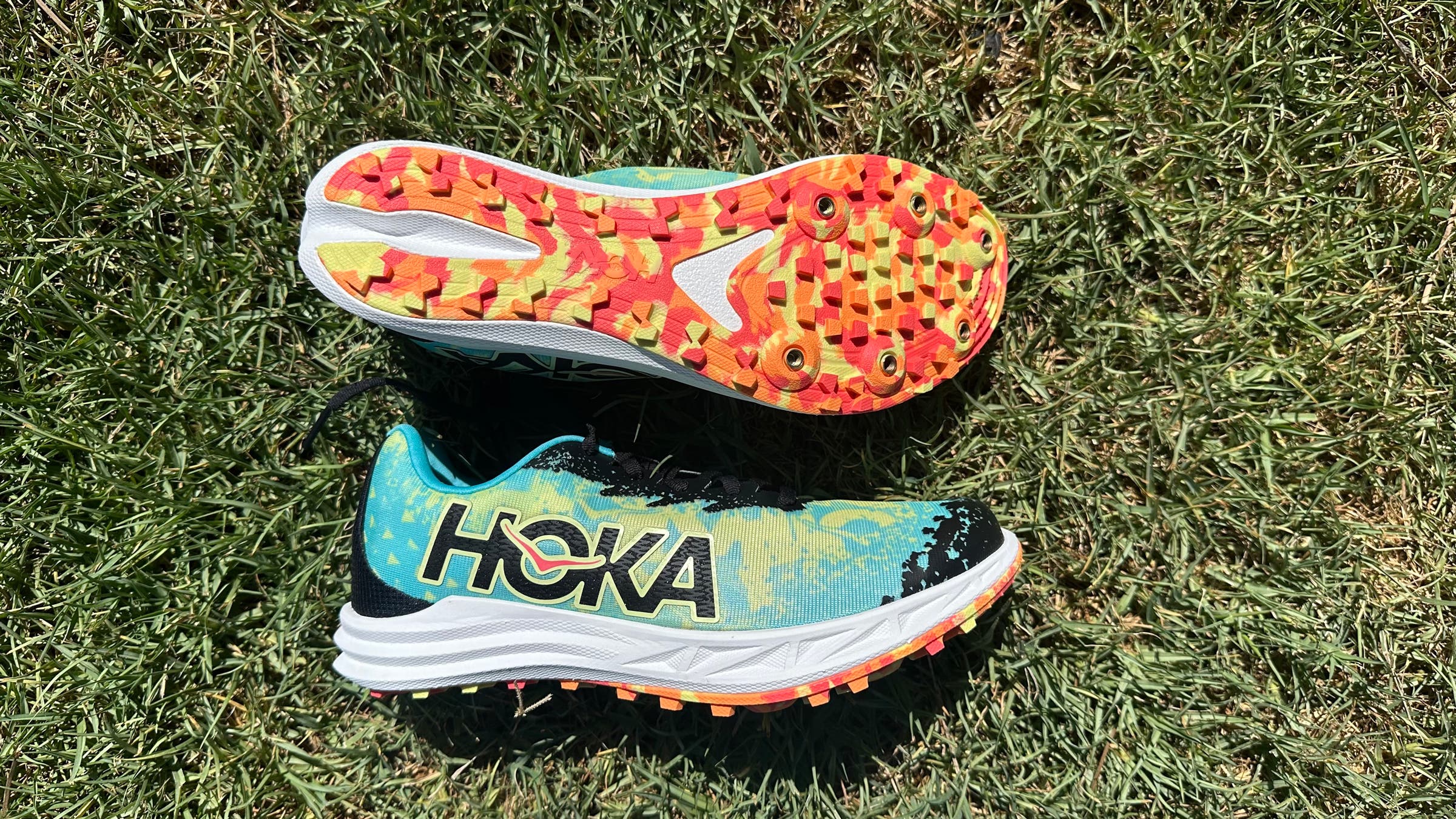
Some flats are “spikeless,” with aggressive rubber patterns for grip, while others let you screw in spikes for extra traction.
Weight
One of the biggest advantages of racing flats is their light weight. Most models are under 7 ounces (200 grams), with some as light as 4.5 ounces. Lighter shoes reduce fatigue and make it easier to keep a high cadence (fast steps) during a race.
Fit
Fit is critical. Flats should feel snug but not tight, with enough room to wiggle your toes. Many runners go half a size up from their regular shoe to account for foot swelling during races.
How To Choose The Right Cross Country Flats
Selecting the best cross country flats means balancing several factors. Here’s what to look for:
1. Course Conditions
- Dry, firm courses: Spikeless flats or shoes with short spikes work well.
- Wet, muddy courses: Choose shoes with deeper lugs or longer spikes (up to 15mm).
- Mixed terrain: Look for a shoe with removable spikes and good all-around grip.
2. Foot Type And Fit
- Wide feet: Some brands offer wider models or a more roomy toe box.
- Narrow feet: Look for shoes that fit snugly to avoid sliding.
- Arch support: Most flats are neutral; if you need support, consider orthotic inserts or select a model with a firmer arch.
3. Cushioning And Protection
- Preference for ground feel: Pick a shoe with minimal cushioning for more “natural” running.
- Desire for comfort: Choose a model with a slightly thicker midsole, especially for longer races or rocky courses.
4. Durability
- Frequent racing or training: Choose shoes with reinforced uppers and tough outsoles.
- Occasional use: Lightweight, less durable flats may be fine if you only race a few times per year.
5. Price
- Entry-level: $40–$70, basic features, good for beginners.
- Mid-range: $70–$110, better fit and materials.
- High-end: $110–$150+, premium models, lightest weight, best grip.
Quick Comparison: Key Features
To help visualize the main differences, here’s a comparison of typical cross country flat features:
| Feature | Entry-Level | Mid-Range | High-End |
|---|---|---|---|
| Weight (per shoe) | 7–8 oz | 6–7 oz | 4.5–6 oz |
| Cushioning | Basic foam | Responsive foam | Specialized/light foam |
| Spike Option | Usually yes | Yes | Yes |
| Durability | Moderate | Good | Excellent |
| Price | $40–$70 | $70–$110 | $110–$150+ |
Top Brands And Popular Models
Several brands are known for making high-quality cross country flats. Here are some favorites among competitive runners:
Nike
Nike’s Zoom Rival and Zoom Victory lines are popular for their light weight and responsive feel. The Nike Zoom Victory XC is known for aggressive spikes and breathable mesh.
Saucony
Saucony’s Kilkenny and Type A series have a reputation for comfort and durability. The Saucony Carrera XC is a favorite for serious racers who want a glove-like fit.
New Balance
New Balance offers the XC Seven and XC 700, both good choices for new runners and experienced athletes. Their flats are often praised for roomy toe boxes.
Adidas
The Adidas XCS and Adizero lines offer a firm, responsive ride and are used by many collegiate teams.
Brooks
Brooks’ Mach and Draft XC models are known for reliable grip and comfort. They often have good arch support compared to other brands.
Asics
Asics offers the Hyper XC and GEL-FujiRacer, designed for grip on tough courses and lasting comfort.
Comparison Of Top Models
To see how some of these models stack up, here’s a quick side-by-side:
| Model | Weight (oz) | Spike Option | Unique Feature |
|---|---|---|---|
| Nike Zoom Victory XC | 5.6 | Yes | Ultra-light mesh |
| Saucony Carrera XC | 4.5 | Yes | Minimalist fit |
| New Balance XC Seven | 6.4 | Yes | Wide toe box |
| Adidas Adizero XCS | 5.7 | Yes | Firm midsole |
| Brooks Mach 19 | 5.3 | Yes | Responsive feel |
Spikes Vs. Spikeless: Which Is Better?
One of the biggest choices for cross country runners is whether to use spikes or spikeless flats.
Spikes
- Metal spikes (usually 1/4 to 5/8 inches) screw into the bottom of the shoe.
- Best for muddy, wet, or grassy courses where extra grip is needed.
- Most shoes come with removable spikes, so you can adjust length or remove them.
- Downside: Not allowed on some hard surfaces; can be uncomfortable on rocky ground.
Spikeless Flats
- Use aggressive rubber lugs instead of metal.
- Best for dry, firm, or mixed surfaces where spikes aren’t needed.
- More comfortable on pavement or gravel.
- Downside: Less grip in deep mud or very slippery grass.
Practical Insight
Many runners own both types and switch depending on race conditions. If you can only buy one, choose a flat with removable spikes. This gives you the flexibility to race with or without spikes as needed. Also, always check the race rules—some courses ban metal spikes to protect the ground.
Fitting Tips: How To Get The Best Fit
A poorly fitting shoe can ruin your race. Here’s how to get the best fit:
- Try shoes on in the afternoon: Feet swell during the day, and even more during a race.
- Wear your racing socks: Bring the socks you plan to race in.
- Check toe space: There should be a thumb’s width between your big toe and the end of the shoe.
- Heel fit: The heel should not slip when you walk or jog.
- Midfoot snugness: The shoe should hug your midfoot but not pinch.
- Walk and jog in the store: Test shoes on a variety of surfaces if possible.
Hidden Insight
Many beginners overlook the importance of sock choice. Thicker socks can make shoes feel tighter, while thin racing socks may lead to blisters if the shoe is loose. Some runners use tape or blister pads on problem spots for longer races.
Caring For Your Cross Country Flats
Proper care extends the life of your flats and keeps them race-ready.
After Each Race
- Clean mud and dirt: Use a soft brush and water. Don’t use hot water, which can harm glue and materials.
- Remove insoles and laces: Let everything air dry. Never use a dryer or direct heat.
- Check for damage: Look for worn-down lugs, loose spikes, or tears in the upper.
Between Races
- Store in a cool, dry place: Avoid leaving shoes in hot cars or damp bags.
- Rotate with another pair: If you train often, use a different pair for workouts and save your flats for races.
- Replace spikes: If your spikes are dull or bent, replace them before your next race.
How Long Do Flats Last?
Most cross country flats last 150–300 miles (240–480 kilometers), or about one season of racing. Shoes wear out faster if used on hard surfaces. Signs you need a new pair include:
- Loss of grip or worn-down lugs
- Holes in the upper
- Less cushioning or foot pain
Common Mistakes When Choosing Cross Country Flats
Even experienced runners make mistakes when picking shoes. Here are some pitfalls to avoid:
- Choosing style over function: A flashy shoe won’t help if it doesn’t fit or grip well.
- Ignoring fit: Too tight leads to blisters, too loose means lost power and sliding.
- Overlooking course conditions: Not all flats work on every surface; consider where you’ll race most.
- Buying only by brand: Every brand fits differently. Try several before choosing.
- Using flats for all training: Flats aren’t made for daily road miles; they wear out quickly and offer less protection.
Real-world Example: High School Cross Country
In the U. S. , high school cross country is huge. Runners compete on grass, dirt, and sometimes pavement. Coaches often recommend entry-level flats with removable spikes for versatility. It’s common for athletes to share advice on brands and fit, but the best shoe often depends on personal foot shape and racing style.
For example, some varsity runners prefer the Saucony Kilkenny for its comfort, while others like the Nike Zoom Rival for speed. In muddy championships, many switch to longer spikes or waterproof socks. A key lesson: the best shoe is the one that matches your own feet and your course.
Advanced Insight: Minimalist Vs. Cushioned Flats
Recently, some brands have released minimalist flats—shoes with almost no cushioning, very low heel-to-toe drop, and an ultra-light feel. These appeal to runners who want maximum ground contact and a “barefoot” style.
On the other end, some flats add a bit more foam for comfort, especially for longer races (8–10 kilometers) or older runners with sore feet. There’s no one right answer—it’s a trade-off between speed, comfort, and protection.
If you’re new to flats, avoid the most extreme minimalist models. Start with a shoe that has some cushioning, then experiment with lighter options as your feet and legs get stronger.
Sustainability And Cross Country Flats
More brands now use recycled materials and eco-friendly manufacturing in their shoes. For example, some models use recycled rubber in the outsole or recycled polyester in the mesh upper. If sustainability matters to you, check the brand’s website for details.
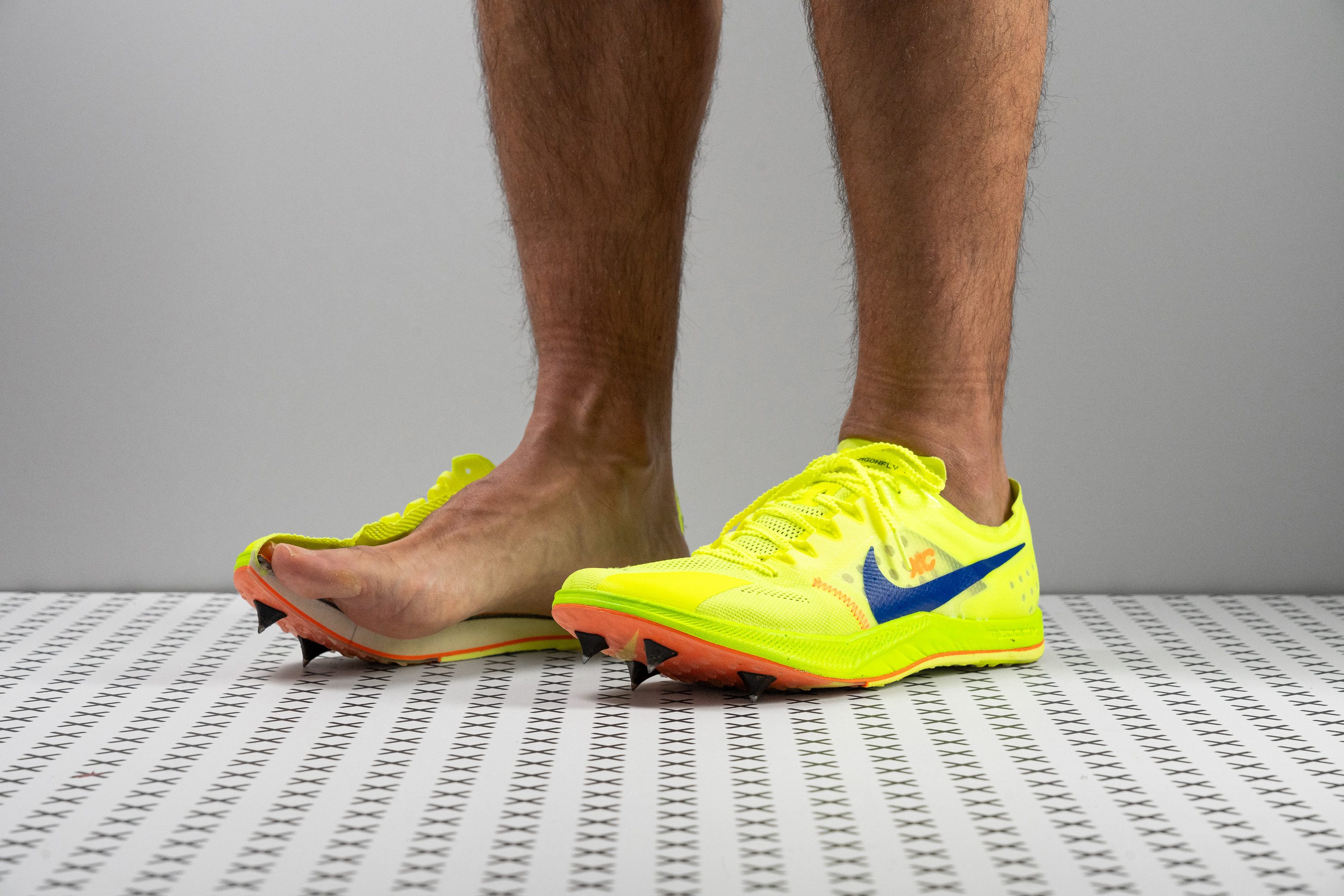
One thing to note: ultra-light racing shoes may not last as long as regular trainers. Plan to recycle or donate old shoes instead of throwing them away.
Credit: runrepeat.com
Women’s And Youth-specific Flats
Most brands offer women’s-specific and youth-specific cross country flats. These often have:
- Different sizing: Women’s shoes are usually narrower in the heel and midfoot.
- Youth models: Lighter, flexible, and often more affordable.
- Color options: More choices for style, but fit and function are always more important.
If you have a very narrow or wide foot, you may find a better fit in the opposite gender’s size (e. g. , men’s for wide, women’s for narrow).
How Cross Country Flats Evolved
Over the past few decades, cross country flats have changed a lot. Early models were simple leather shoes with rubber soles. Today’s flats use advanced materials like engineered mesh, carbon-reinforced plates (in a few models), and custom foams.
The biggest trend is moving toward lighter, more breathable shoes with better grip. Some top-level shoes now weigh less than 5 ounces. Designers focus on making shoes that disappear on your feet, letting you run naturally over tough terrain.
At the same time, more brands offer options for runners who want a bit more comfort or support, showing that there’s no single “perfect” shoe for everyone.
Credit: run.outsideonline.com
Cross Country Flats Vs. Trail Shoes
It’s easy to confuse cross country flats with trail running shoes. Both are made for off-road running, but they have important differences.
| Feature | Cross Country Flats | Trail Running Shoes |
|---|---|---|
| Weight | Very light (4.5–7 oz) | Heavier (8–12 oz) |
| Cushioning | Minimal | Moderate to high |
| Protection | Less | Rock plates, toe guards |
| Grip | For grass, mud | For rocks, roots, dirt |
| Use | Racing (5–10 km) | Training, long runs |
In short, flats are for speed and races, while trail shoes are for protection and longer runs.
Training Tips: When To Wear Flats
Wearing racing flats in training can help your body adjust to their unique feel. However, they’re not made for everyday use. Here’s how to train smart:
- Use for race simulation workouts: Wear flats for tempo runs or intervals on grass.
- Limit mileage: Start with short sessions (1–3 miles) to avoid injury.
- Alternate with trainers: Use regular running shoes for most training.
- Break them in: Never race in brand new flats; wear them in practice first.
Many coaches recommend wearing flats once per week during the season, then saving them for important races.
Where To Buy Cross Country Flats
You can find cross country flats at:
- Local running stores: Best for expert fitting and trying on shoes.
- Online retailers: Wider selection, but fit can be tricky.
- Brand websites: Sometimes offer exclusive models or colors.
If you buy online, check return policies in case the fit isn’t right. Always try on shoes late in the day and with your racing socks.
Cross Country Racing Flat Innovations
Modern cross country flats include some exciting features:
- Engineered mesh uppers: Lighter, more breathable, less water absorption.
- Customizable spikes: Different lengths and shapes for any condition.
- Responsive foams: Bouncier midsole materials for better energy return.
- Antimicrobial linings: Reduces odor, especially after muddy races.
Some brands even experiment with carbon fiber plates for extra spring, though this is controversial in cross country, where ground feel is important.
Expert Advice: How To Transition To Flats
If you’re used to regular running shoes, switching to flats can be tough on your feet and legs. Here’s how to make it easier:
- Start slowly: Wear flats for short runs first, then build up.
- Strengthen your feet: Do foot exercises, like toe raises and barefoot walking.
- Monitor for soreness: Some calf or arch soreness is normal at first, but stop if you feel pain.
- Don’t race in new shoes: Always break them in with practice runs.
It’s common for runners to need 2–4 weeks to adjust fully.
Frequently Asked Questions
What Is The Main Difference Between Cross Country Flats And Regular Running Shoes?
Cross country flats are much lighter and have less cushioning than regular running shoes. They’re made for racing on grass, mud, and uneven ground, with special outsoles for grip. Regular shoes are designed for pavement and daily mileage, offering more support and comfort.
How Do I Choose The Right Size For Cross Country Flats?
Try them on with your racing socks and make sure there’s a thumb’s width of space at the toe. The shoe should feel snug in the midfoot and heel, but not pinch your toes. If in doubt, go half a size up to allow for foot swelling during races.
Can I Use Cross Country Flats For Other Sports Or Daily Running?
Flats are not ideal for daily road running or other sports. They wear out quickly on pavement and don’t provide enough support for everyday use. Use them mainly for races or race-specific training on grass or dirt.
How Do I Clean And Care For My Cross Country Flats?
Remove mud with a soft brush and water after each race. Take out insoles and laces to let everything air dry. Don’t use heat or direct sunlight. Check for worn-out spikes or lugs and replace them as needed.
Where Can I Find More Information On Cross Country Running And Gear?
A good starting point is the Wikipedia page on cross country running. You can also visit your local running store or running club for advice and shoe recommendations.
Cross country running flats are a key piece of gear for anyone who wants to race fast and safe across varied terrain. With the right pair, you’ll feel more confident, comfortable, and ready to tackle any course. Choose wisely, take care of your shoes, and enjoy the adventure of cross country running.

Credit: www.badmarthabeer.com


One Comment