Mens Size 7 Running Shoes: Top Picks & Fit Guide 2026

Mens size 7 running shoes balance snug fit, light weight, and reliable day-to-day comfort.
If you run in a smaller men’s size, you deserve a clear guide that fits your world. I test gear for real miles and coach runners who wear mens size 7 running shoes. This guide breaks down fit, support, and picks that work. If you want a smart, easy path to the right pair, stay with me. You will learn when to size up, how support works, and what models shine.

What makes mens size 7 running shoes unique
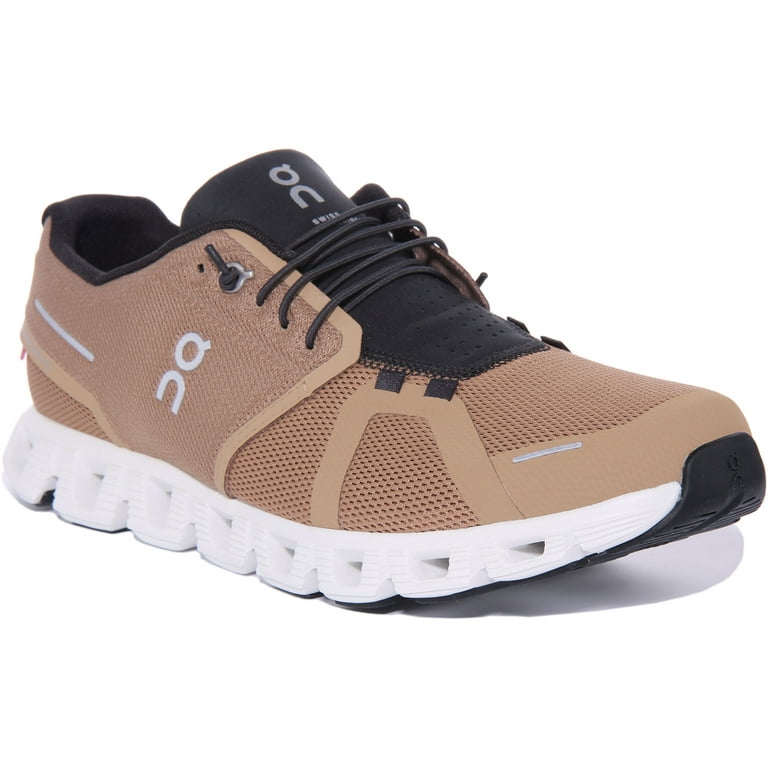
Size 7 sits at the lower end of men’s sizing. The last shape can feel a touch narrower, and weight is often a bit lighter than larger sizes. Most brands map men’s 7 to about 25 cm foot length and EU 40. Women’s sizing tends to be about 1.5 sizes up from men’s, so men’s 7 is near women’s 8.5.
You still get all the same tech. Cushion systems, rockers, and plates work the same across sizes. But a small tweak in width or toe box shape matters more in this size. A slight squeeze on the pinky toe can end a run fast.
From years of fitting runners, I see two big themes. Many in mens size 7 running shoes need better toe room, and many need more arch support than they think. Solve those two things and comfort jumps.
Fit fundamentals: length, width, and toe box
Length comes first. You want about a thumb’s width in front of your big toe. Your foot expands when warm. Leave space so you do not hit the front on downhills.
Width shapes the ride. Men’s D is standard, 2E is wide, and B is narrow. In mens size 7 running shoes, a wide option can fix hot spots and numb toes. A narrow option can lock in a slim heel.
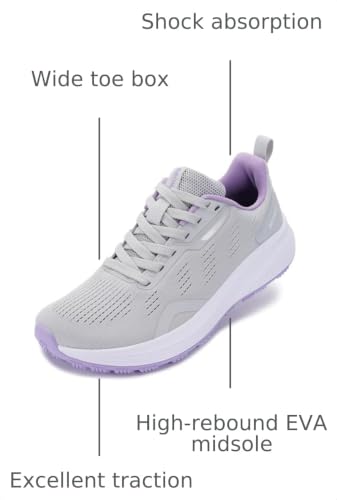
Toe box shape matters. Rounded boxes fit splayed toes. Tapered boxes feel sleek but can pinch. Look for the word “roomy,” “anatomic,” or “natural” if you need space.
Helpful tweaks:
- Try a runner’s loop to stop heel slip without crushing the instep.
- Use thin socks for race day and mid-cushion socks for daily miles.
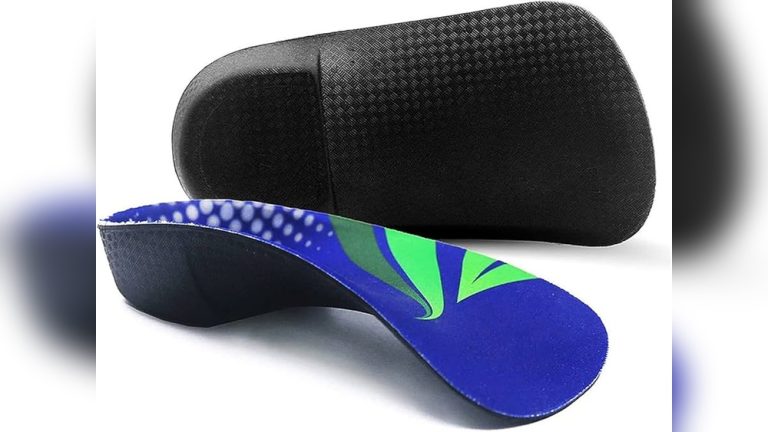
- Swap insoles only if you need more arch or heel hold.

Foot type and gait: choose the right support
Your foot path guides your shoe. Neutral feet do best in neutral trainers. Overpronation needs stability with sidewalls or guide rails. Supination likes soft foam with a stable base.
Quick checks you can do:
- Wet test. A full footprint hints at low arches. A narrow midfoot print hints at high arches.
- Wear pattern. Heavy wear on the inside edge can mean overpronation. Outside wear can point to supination.
What to try if:
- You are neutral. Daily trainers with balanced foam and a steady platform.
- You overpronate. Stability shoes with rails or a firmer medial side.
- You supinate. Plush cushioning with a wider base and good flex.
I fit many runners who wear mens size 7 running shoes into stable neutral models. They want a smooth ride without a strict post. Guided support works well here.
Cushioning, stack height, and drop
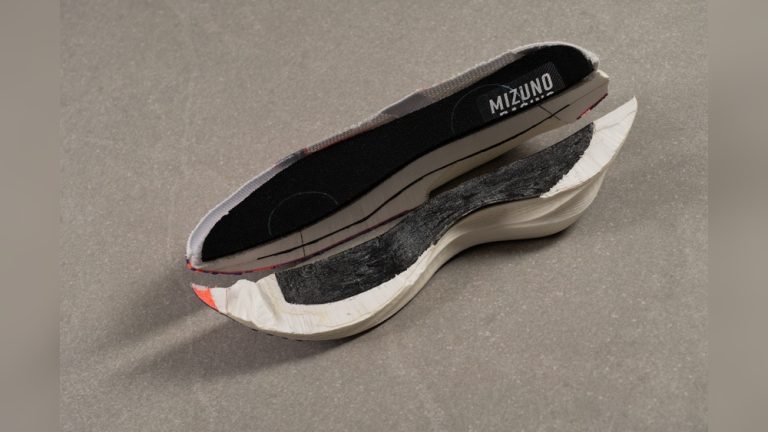
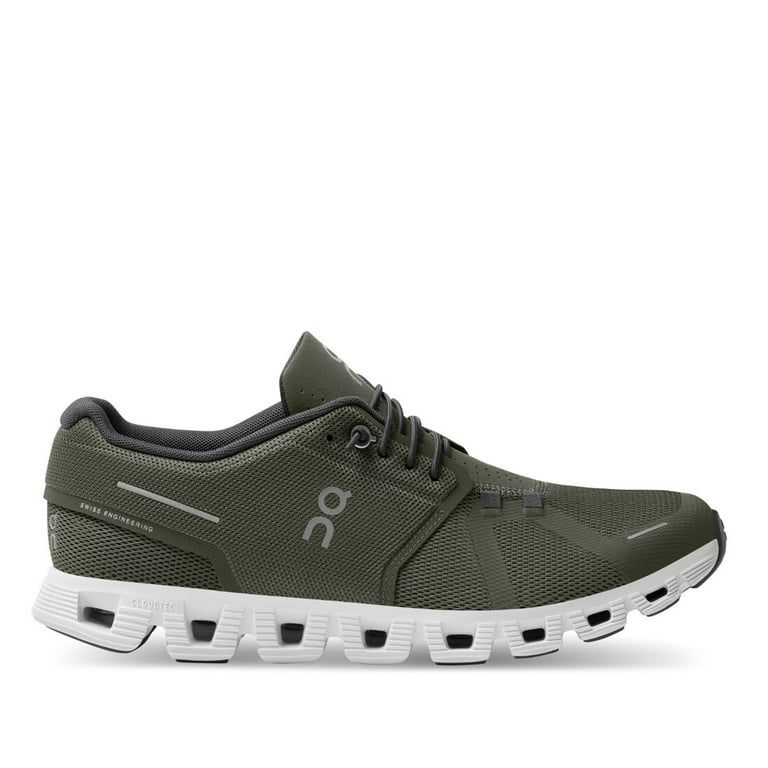
Foams differ. EVA feels classic and stable. TPU and PEBA feel bouncy and light. More stack equals more cushion, but not always more stability.
Heel-to-toe drop affects feel:
- 0–4 mm keeps you level. Good for midfoot strikers and strength work.
- 5–8 mm is a sweet spot for most runners.
- 9–12 mm can ease calf load and help heel strikers.
Match foam to use:
- Daily miles. Balanced foam and mid stack.
- Long runs. Higher stack and soft crash pads.
- Speed days. Lighter foam with some pop.
- Racing. Superfoam, often with a plate, for rebound.
If you wear mens size 7 running shoes and have tight calves, start with an 8–10 mm drop. It feels kind on lower legs.

Terrain and use case
Road shoes focus on smooth rubber and a rolling ride. Trail shoes add lugs for grip and a rock plate for underfoot guard. Some hybrid models handle gravel paths and light trails.
Pick the right tool:
- Daily trainer. Durable rubber, mid-stack, secure upper.
- Tempo shoe. Light build, snappy foam, good midfoot hold.
- Race shoe. Superfoam, plate, light upper.
- Trail shoe. Lugs, toe guard, stable base. Waterproof if you run wet and cold.
If you buy mens size 7 running shoes for mixed paths, a hybrid outsole saves money and space.
Editor-tested picks in mens size 7 running shoes
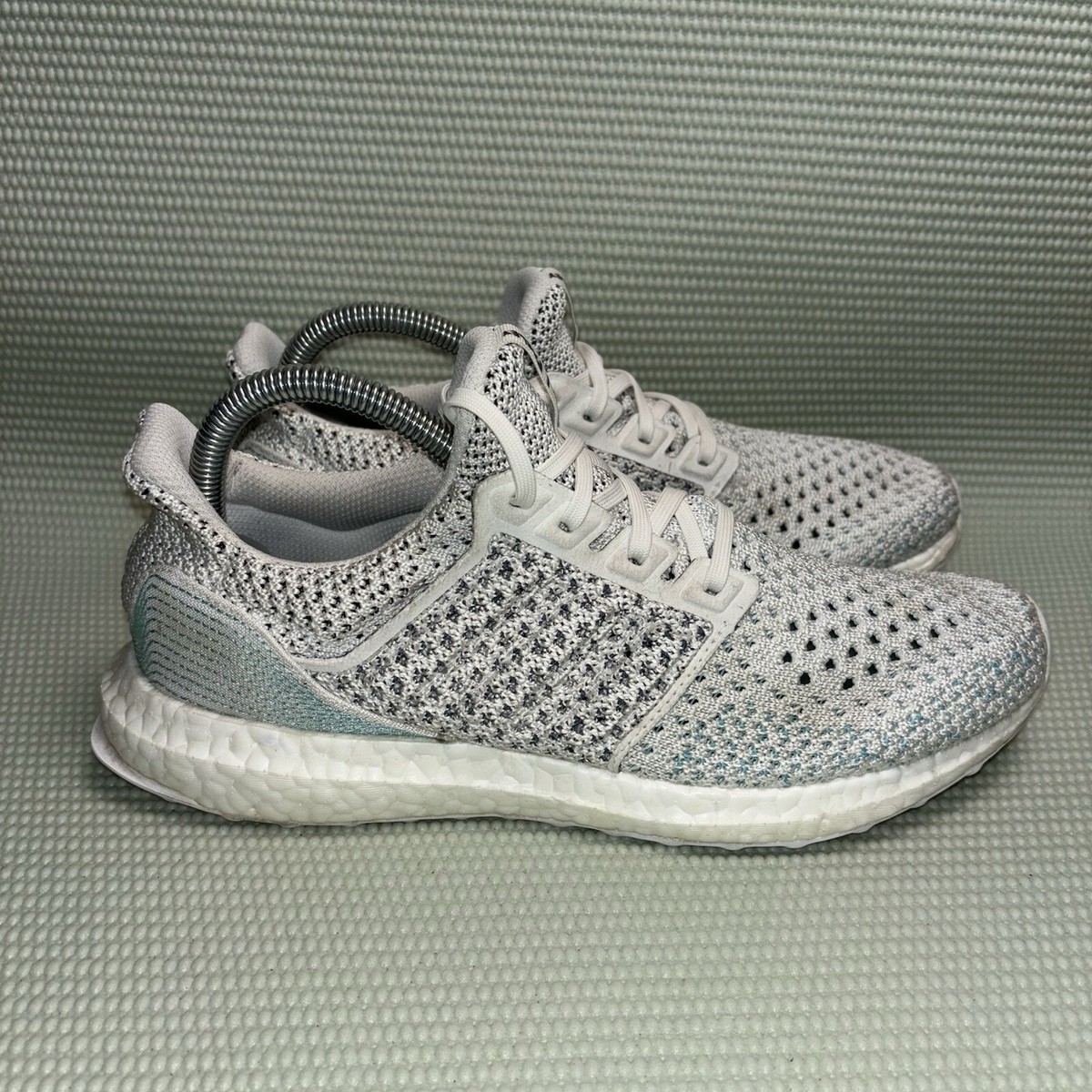
These models work well for small-footed runners I coach and test with. Always try before you buy.
- Nike Pegasus 41. Balanced daily trainer with smooth roll and durable rubber.
- Brooks Ghost 16. Soft landings, easy fit, and a dialed heel lockdown.
- Hoka Clifton 9. Light, cushioned, and kind on legs for daily miles.
- New Balance Fresh Foam 1080 v13. Plush upper and soft ride for long runs.
- Saucony Ride 17. Stable neutral feel with pop for strides.
- ASICS Gel-Kayano 30/31. Modern stability with soft cushioning and guide rails.
- Saucony Endorphin Speed 4. Nylon plate speed shoe for workouts.
- Altra Escalante 3. Zero drop, wide toe box, flexible and light.
- Hoka Speedgoat 5. Grippy, cushioned trail workhorse.
- Salomon Sense Ride 5. Secure trail fit with all-around grip.
- Brooks Cascadia 17. Trail stability and rock protection.
Note: Fit can change by version. Mens size 7 running shoes can feel snug in some brands. If between sizes, test both 7 and 7.5.

Buying guide and sizing tips for mens size 7
Measure in the evening. Feet swell a bit by then. Measure both feet and use the larger one as your guide.
Try shoes with your run socks. Lace fully. Jog around the store or on a treadmill if allowed. Your heel should not slip. Toes should move free.
Smart steps:
- If your toenails hit, size up half a size.
- If your midfoot burns, try a wider width or change the lacing.
- If your arch feels sore, test a model with sidewalls or use a light support insole.
If you shop online, use brands with free returns. Order two sizes if unsure. Many runners in mens size 7 running shoes land on a 7 in one brand and 7.5 in another.

Comfort, injury risk, and performance: what the research says
Comfort is a strong filter. Studies show runners do well when the shoe feels right underfoot and around the heel. Your nervous system picks up small cues fast.
Support helps when you need it. Runners who overpronate may benefit from guidance or rails. It can lower stress on joints and soft tissue.
Cushion helps manage impact. More stack can reduce peak forces. But too much cushion can feel unstable on sharp turns.
Performance gains come from light weight and responsive foam. Plates can add snap. Many runners see faster splits in plated shoes for hard efforts.
Rotation pays off. Using two pairs can spread load and extend shoe life. This is true for mens size 7 running shoes as well.
Care, lifespan, and recycling
Most pairs last about 300–500 miles. Heavier runners and rough roads push that lower. Rotating pairs helps foam rebound.
After wet runs, pull out the insoles and air-dry. Do not use heat. It can warp glue and foam. Wipe mud from trail shoes to keep grip sharp.
Keep them fresh:
- Hand wash uppers with mild soap.
- Store in a cool, dry spot.
- Track miles so you retire on time.
Donate clean pairs with some life left. Many brands offer recycle programs for worn-out shoes. Mens size 7 running shoes are in demand for donations due to the common foot size overlap with teens.
Common mistakes with mens size 7 running shoes
- Buying too small. Black toenails mean the shoe is short or the drop is too low for you.
- Ignoring width. A D width can be too tight; ask for 2E if needed.
- Picking max cushion for short races. You may lose snap.
- Skipping break-in. Even soft uppers need a few runs.
- Using old insoles. Replace if crushed or smelly.
- Wearing cotton socks. Choose moisture-wicking socks to prevent blisters.
- Lacing too tight. It can numb the foot and cause top-of-foot pain.
Simple break-in plan for a size 7 pair
Day 1. Walk for 20 minutes. Check for hot spots.
Day 2. Easy jog for 15–20 minutes. Keep it slow.
Day 3. Rest or cross-train. Let foam relax.
Day 4. Easy run 30 minutes. Add one short stride.
Day 5. Easy run 35–40 minutes. Small hills if comfy.
Day 6. Light workout. 4–6 strides or a short tempo.
Day 7. Normal easy run. Lock in your final lacing.
This plan works well for mens size 7 running shoes because smaller sizes can feel snug at first. Let the upper mold to your foot.
Quick fit checklist before you buy
- One thumb’s width in front of your big toe.
- Heel locked with no slip when you jog.
- Midfoot snug but not numb.
- Toes can splay without rubbing.
- Arch feels supported, not poked.
- Outsole bend matches your flex point.
- No pressure on bunions or pinky toe.
- Works with your socks and insoles.
- Feels good at easy pace first.
If a pair fails one box, try a different width or last. Trust feel. Comfort first wins for mens size 7 running shoes.
Frequently Asked Questions of mens size 7 running shoes
Is men’s size 7 the same as women’s size 8.5?
Yes, men’s 7 usually equals women’s 8.5. Always check the brand chart because fit can vary by model.
How much toe room should I have in a size 7 running shoe?
Aim for about a thumb’s width in front of your big toe. Your foot swells during runs, so space helps prevent bruised nails.
Should I choose stability or neutral in mens size 7 running shoes?
Match the shoe to your gait. If you overpronate, try stability; if your gait is neutral, pick a neutral trainer.
How long will a pair of mens size 7 running shoes last?
Most last 300–500 miles. Rotate pairs and track mileage to keep your legs happy and your shoes fresh.
What if I am between men’s size 7 and 7.5?
Order both and test at home with your run socks. Keep the one that gives toe room without heel slip.
Are plated shoes worth it for a size 7 runner?
They can help on speed days and races. Try them for faster efforts, and keep a stable daily trainer for easy runs.
Do I need wide width in mens size 7 running shoes?
If you feel pressure on the sides or numb toes, try 2E. A wider toe box can fix hot spots fast.
Conclusion
Mens size 7 running shoes can be light, fast, and very comfy when they fit right. Focus on toe room, width, and the support your gait needs. Match foam and drop to your runs, then test at easy pace before you commit.
Take one step today. Measure your feet, shortlist two or three models from this guide, and order two sizes to compare at home. When you find the pair that disappears on your foot, subscribe for more gear guides, or drop a comment with your favorite size 7 pick.