Do I Need A Stability Running Shoe: Expert Fit Guide 2026

You might need a stability running shoe if you overpronate and feel recurring pain.
If you have ever asked yourself do i need a stability running shoe, you are not alone. I have coached runners, fit shoes in stores, and tested dozens of models on roads and trails. In this guide, I explain how stability works, who benefits, and how to decide with simple tests you can do today. You will get clear, evidence-based advice and real-life tips so you can run happy and injury-free.
What is a stability running shoe?
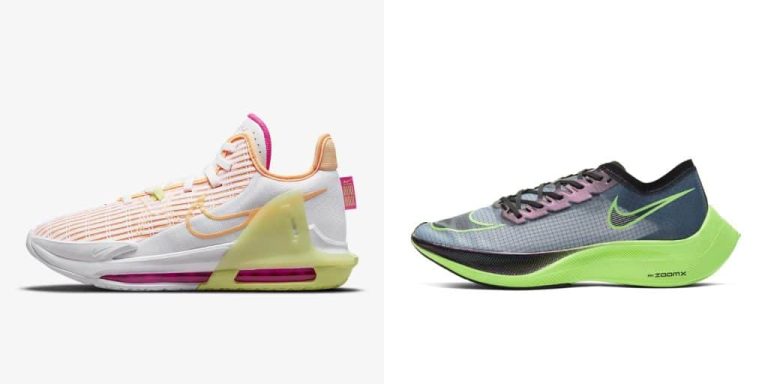
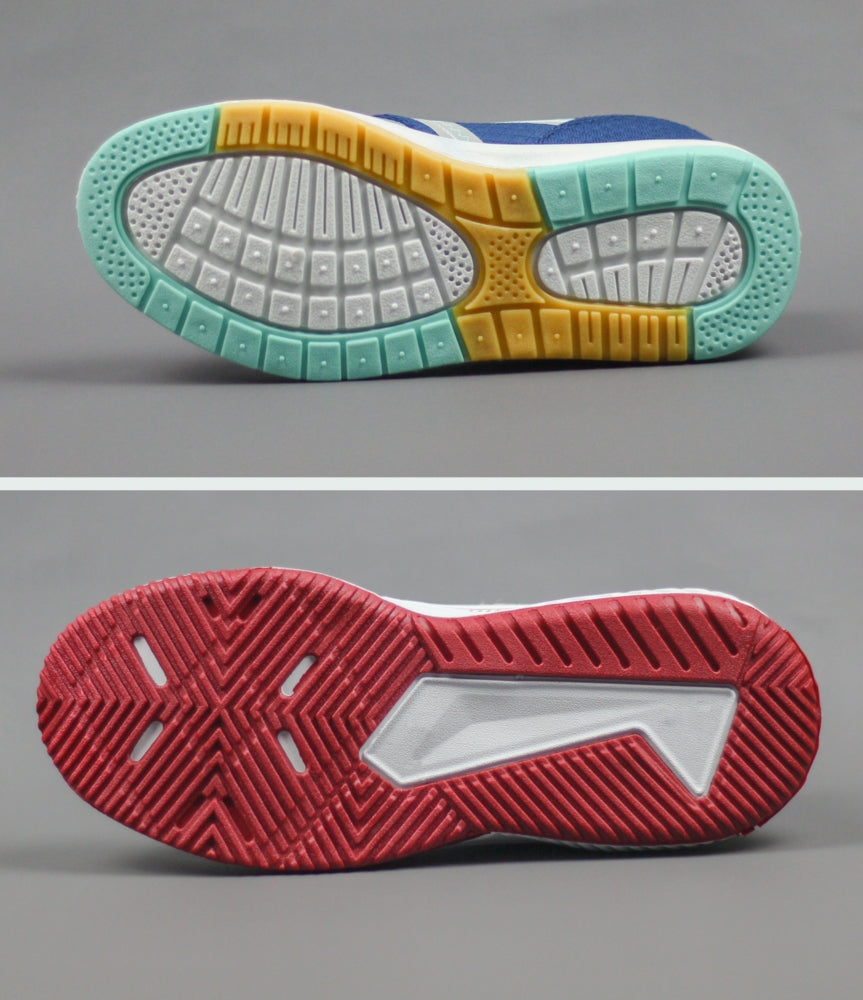
A stability running shoe is built to reduce excess inward ankle roll, called overpronation. It uses tools like firmer foam on the inner side, plastic rails, wider bases, and shaped midsoles to guide your stride. The goal is not to lock your foot. It is to nudge it back to center when you need it.
Modern stability shoes feel smoother than old “motion control” models. Many rely on gentle guidance rather than rigid posts. Some neutral shoes even add sidewalls or rocker shapes that act like light stability.
If you are unsure and keep asking do i need a stability running shoe, start by learning how your foot moves when you run, not just when you stand. Movement under load tells the real story.
Do i need a stability running shoe? A quick self-check
Use these simple steps at home before you buy.
- Film your stride. Place your phone behind you on a treadmill at easy pace. If your ankle collapses in and your knee dives inward each step, note it.
- Check your wear pattern. Heavy wear on the inner forefoot or the inside heel can hint at overpronation.
- Track your pain map. Common flags are inner shin splints, inner knee ache, arch strain, or posterior tibial soreness.
- Try the single-leg squat. If your knee caves in or your arch drops on one leg, you may need guidance.
- Compare runs in two shoes. If a light stability shoe makes your stride feel steadier and pain fades, that is a strong clue.
I ask clients to write this exact line in a journal: do i need a stability running shoe for daily miles, or only for long runs? Many discover they need guidance only when tired or on long days. You can also ask: do i need a stability running shoe if I strength train? For some, strength reduces the need over time.
Pronation 101: What the science says
Pronation is normal. Your foot should roll in a bit to absorb shock. Problems start when the roll is too fast or too large, and your tissues cannot handle the load. Research in gait labs shows that stability features can reduce peak eversion angles and rates for runners who overpronate, which may improve comfort.
But shoes are not magic. Studies also show mixed links between pronation and injury risk. Training load, recovery, past injuries, and strength matter more. That is why the best question is do i need a stability running shoe for my body, my history, and my goals—not for a label.
Who benefits most—and who might not
From my fitting floor notes and coaching logs, these runners often benefit.
- Newer runners with inner shin or knee pain after 20–30 minutes.
- Runners with flat or flexible feet who struggle late in long runs.
- Heavier runners who feel unstable on cambers or uneven sidewalks.
- Post-injury runners easing back from plantar fasciitis or posterior tibial issues.
These runners may not need it.
- Neutral strikers with even wear and no pain.
- Runners who feel “pushed” to the outside in stability shoes.
- Strong, high-cadence runners with short ground contact times.
If you still wonder, say it out loud: do i need a stability running shoe right now, or should I fix training first? Often, the answer is both.

How to test shoes in the store or at home
Use this five-minute protocol with any pair.
- Baseline jog. Run 2–3 minutes in your current shoes. Note comfort and any wobble.
- Swap pairs. Try a light stability option and a neutral model of similar weight.
- Focus points. Watch knee track, ankle roll, and how fast your foot settles.
- Talk test. You should feel guided, not shoved. If the inner edge feels sharp or your outer foot aches, the shoe is too strong.
- Mini workout. Do 3 short strides, 3 corner turns, and a short downhill. The right shoe feels calm and smooth.
I ask every tester one simple line mid-run: do i need a stability running shoe for speed days, or is this only for easy runs? Keep notes; patterns emerge fast.

Real-world lessons from the road
I once coached a half marathon group with mixed needs. One runner had inner shin pain each week. We tried form cues and calf strength, which helped a bit. Then we added a mild stability shoe only for long runs. Her pain dropped in two weeks.
Another runner felt “pushed out” in a firm-post model. We moved him to a neutral shoe with sidewalls and a rocker. Same guidance effect, zero push. The big lesson: the best answer to do i need a stability running shoe is personal, and small tweaks can change everything.

Alternatives and complements to stability
You have more tools than shoes alone.
- Strength work. Do calf raises, tibialis raises, single-leg hinges, and monster walks three times a week.
- Form cues. Shorten your stride, increase cadence by 5–7%, and land under your center.
- Terrain choices. Use flat, even routes while you build strength.
- Insole tuning. A mild posted insole can add just enough guidance to a neutral shoe.
- Shoe rotation. Use light stability for long days and neutral for recovery or speed.
If you ask do i need a stability running shoe forever, the answer is often no. Many runners “graduate” as strength and form improve.
Buying guide: features that matter
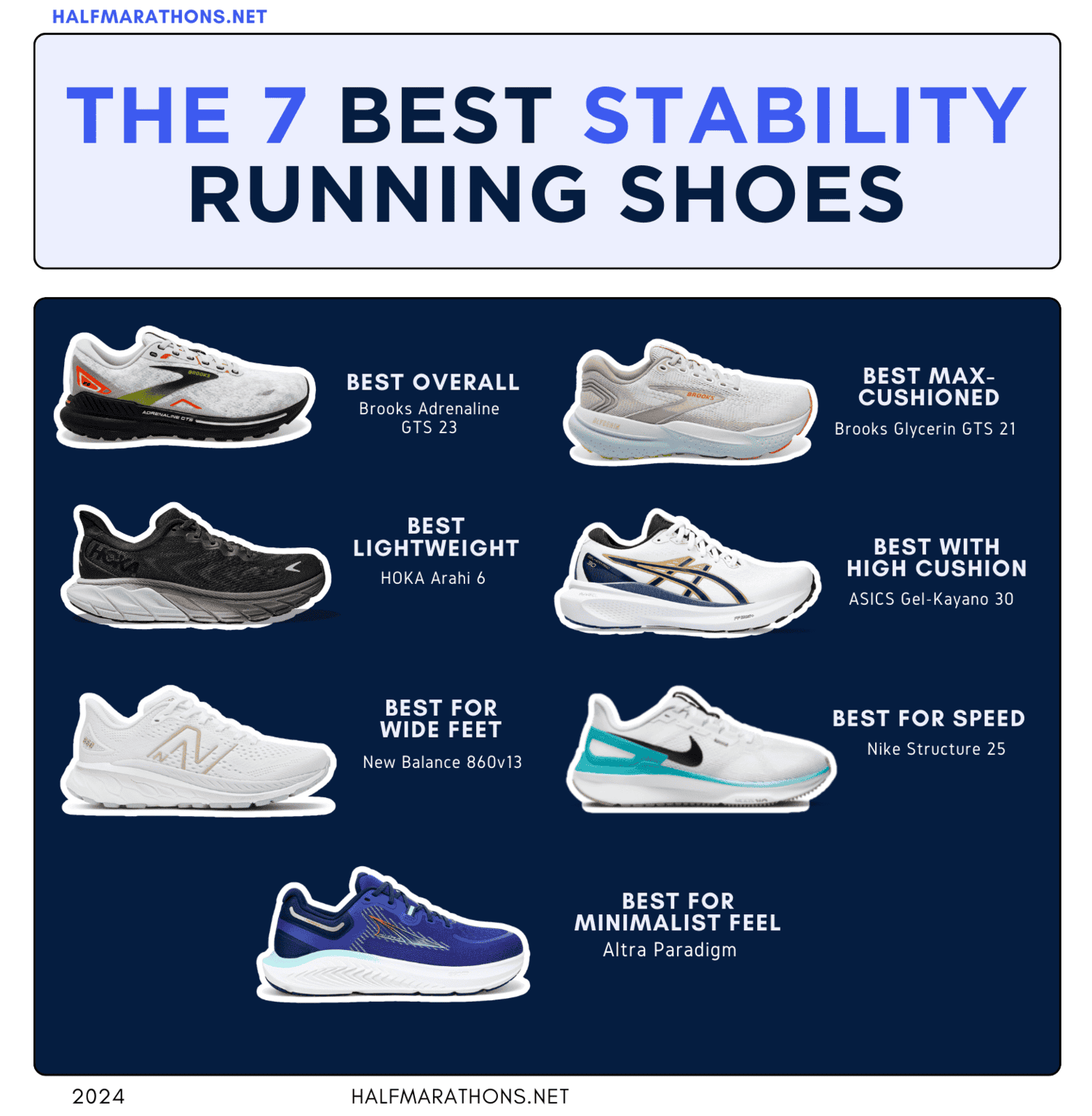
Look for fit first. Your heel should be secure, midfoot snug, and toes free. Then check these parts.
- Midsole. Gentle medial support, guide rails, or a subtle post can help, but comfort rules.
- Geometry. Rocker shapes and wider bases can add stability without stiffness.
- Stack and drop. Moderate stack with an 8–10 mm drop often feels natural for many.
- Weight. Lighter is not always better. Choose the heft that feels stable at mile 10.
- Use case. Daily trainer for easy runs, or robust build for long runs and marathons.
If you still wonder do i need a stability running shoe today, try a wear test policy. Many stores and brands let you run outside and return within 30 days.

Care, rotation, and when to replace
Most trainers last 300–500 miles. Heavier runners, hot climates, and rough roads shorten life. Rotate pairs to let foam rebound and to spread load across tissues.
Track feel more than miles. If you lose bounce, see creases on the inner midsole, or pain returns, it is time. Ask yourself again: do i need a stability running shoe update, or did my training load spike? Adjust one variable at a time.
Cost, value, and smart shopping
Stability shoes cost about the same as neutral models today. Premium foams and plates raise price, but you do not need a plate for guidance. Value comes from the miles you run pain-free.
Shop late in the day when feet are a bit swollen. Bring your old pair to show wear. And keep that key line in mind at checkout: do i need a stability running shoe that is mild and smooth, or a stronger one for long days?
Frequently Asked Questions
What is the difference between stability and neutral shoes?
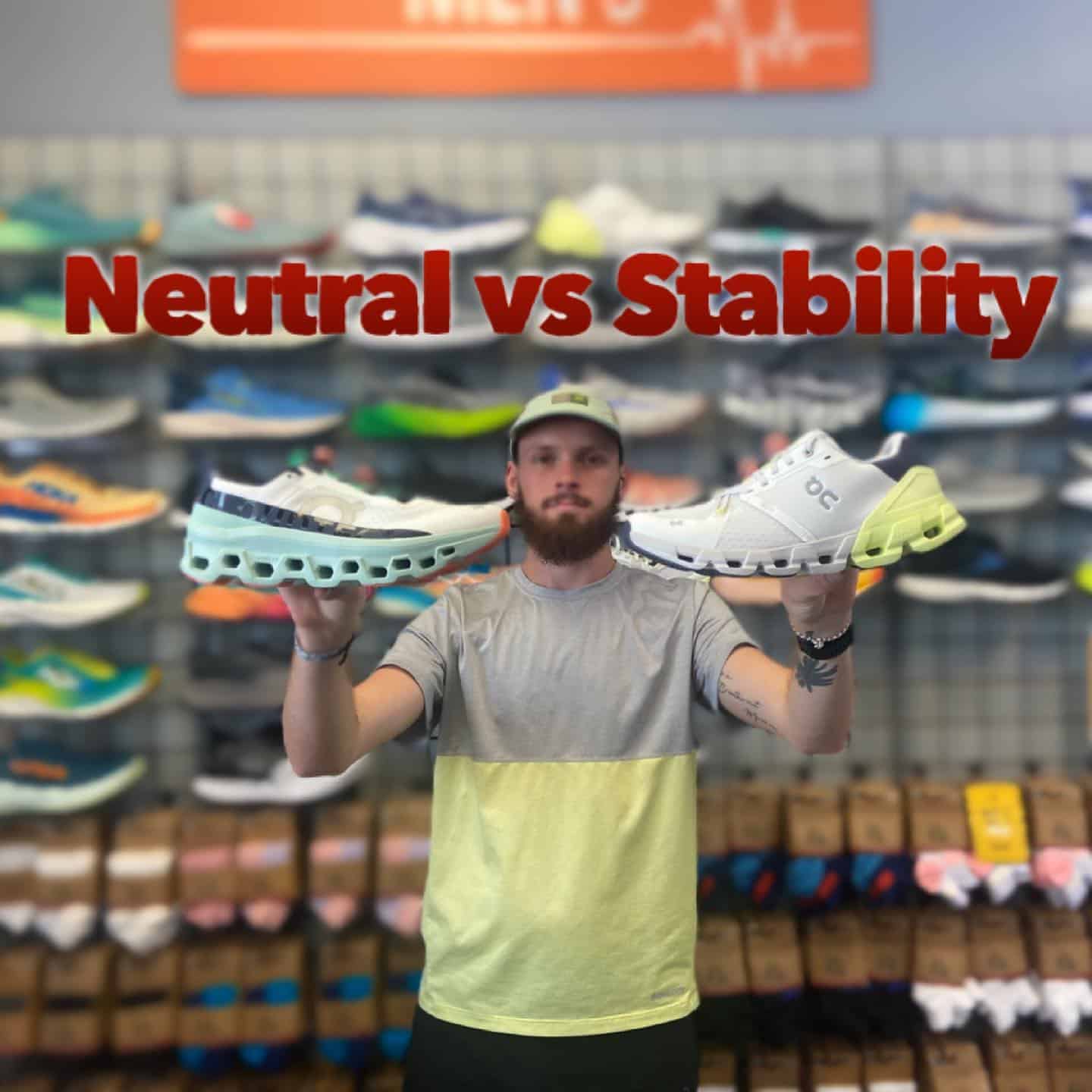
Stability shoes add guidance to limit excess inward roll. Neutral shoes let your foot move with less help and suit runners with stable mechanics.
Can stability shoes fix overpronation?
They do not “fix” it. They guide motion so tissues feel less stress, which can improve comfort and reduce flare-ups.
Do i need a stability running shoe if I have flat feet?
Not always. If you have no pain and feel stable, a neutral shoe may work; if you feel strain or wobble, try light stability.
Will stability shoes slow me down?
Not by default. If the shoe feels smooth and you run relaxed, pace stays the same or even improves thanks to better control.
How do I know if a stability shoe is too much?
If you feel pressure on the inner arch, outer-foot ache, or your knee tracks outward, it is likely too strong. Choose a milder option.
Should I wear stability shoes for every run?
Maybe not. Many runners use them for long or tired days and switch to neutral for short or fast runs.
Do insoles replace stability shoes?
Sometimes. A mild posted insole can offer just enough help, but the shoe’s geometry still matters for overall feel.
Conclusion
You do not need guesswork to answer do i need a stability running shoe. Use simple tests, listen to your body, and match support to your runs. Let comfort, control, and consistency guide the choice.
Try one mild stability model and one neutral twin. Log two weeks of runs, note pain and feel, and keep what helps you move with ease. Ready to dial in your best miles? Share your results, ask questions below, and subscribe for more tested, real-world running advice.