Running Shoes For IT Band Pain: Top Picks And Tips

The best running shoes for IT band pain support alignment and reduce strain.
If you battle sore knees on the outside after runs, you are not alone. I have fit hundreds of runners with this issue. In this guide, I share how running shoes for IT band pain can help, what features to look for, and how to match a shoe to your body. You will get clear steps, tested picks, and pro tips you can use today.
What IT band pain is and why it flares up
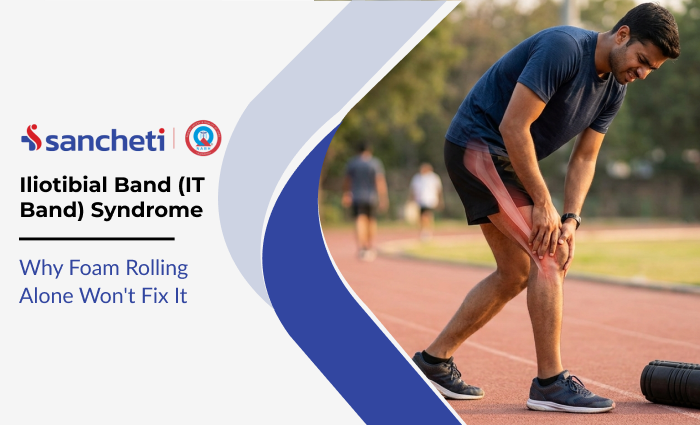
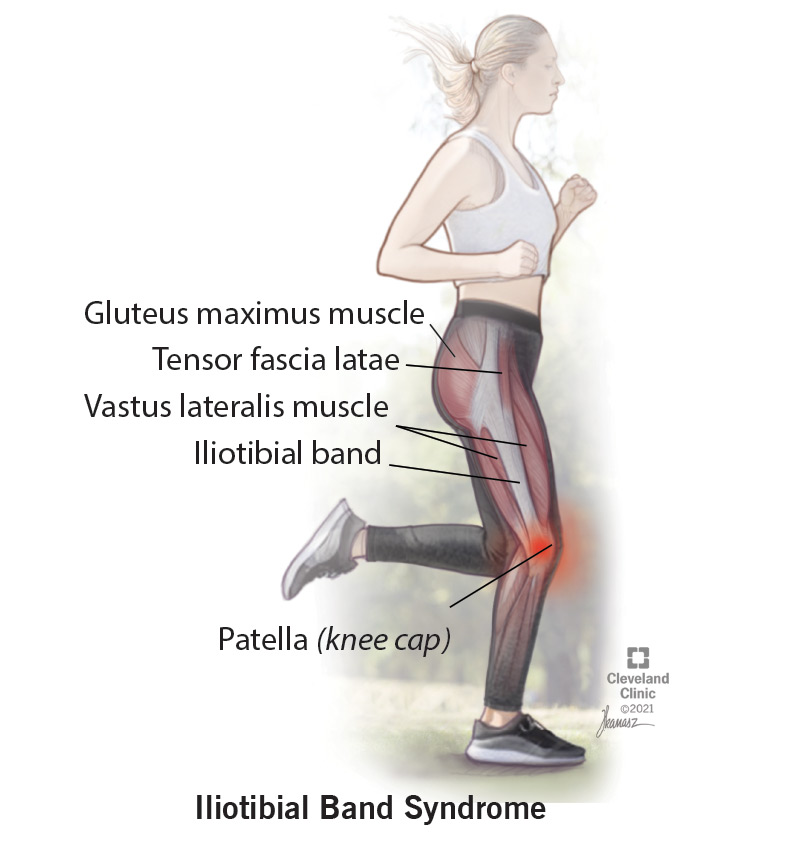
The iliotibial band is a thick band on the outside of your thigh. It runs from your hip to your shin. It helps steady the knee as you land and push off.
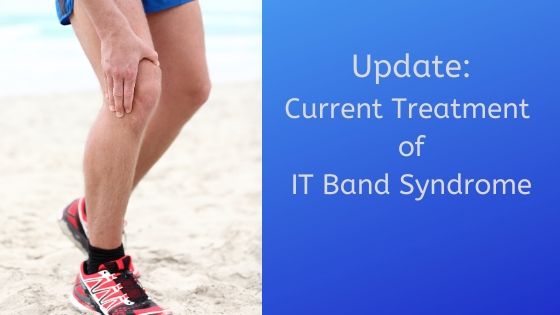
IT band pain often shows as sharp or burning pain at the outer knee. It can also ache on the side of the hip. It tends to flare late in runs, on downhills, or after a fast block.
Shoes are not a cure. But the right pair can lower strain. Good form, smart training, and strength work matter too.
How running shoes can help reduce IT band stress
Running shoes can shift loads at the hip, knee, and foot. This can cut shear on the IT band.
Here is how they help:
- Stable platforms guide your foot so your knee tracks well.
- Cushion lowers impact spikes that can set off pain.
- A smooth rocker helps you roll through without a hard mid-stance.
- A secure heel stops your knee from wobbling side to side.
- The right heel-to-toe drop can ease hip and knee torque.
Small changes add up. Research shows load can change with shoe choice, stack, and drop. Use running shoes for IT band pain as one tool in a full plan.

Key features to look for
You want support without harsh control. Aim for a stable, smooth ride that keeps your knee happy.
Look for these:
- Midsole feel. Balanced cushion with some rebound. Not marshmallow soft. Not brick hard.
- Heel-to-toe drop. Most do well in 6 to 10 mm. It often eases knee stress. Very low drops can load the hips more. Very high drops can feel clunky.
- Guidance over posts. Modern rails, sidewalls, or wide bases give gentle support. They guide, not force.
- Platform width and torsion. A wider base and mild twist control add confidence on landings.
- Heel counter and lockdown. A firm heel cup and good lacing stop heel slip and knee wobble.
- Outsole grip. Good rubber helps on wet roads and light trails. Slips can spike load.
- Weight that suits you. Lighter can feel fast. But do not trade away support you need.
Common pitfalls:
- Shoes that are too soft. Your knee works harder to find a path.
- Shoes that are worn out. Compressed foam loses its smooth roll.
- Shoes that are too narrow. Your foot splay is blocked. That can twist your knee.
- Big, sudden changes. A wild shift in drop or stack can poke at your IT band.
A note on insoles:
- Neutral insoles with mild arch shape can help some runners.
- Avoid hard, high arches unless a pro fits you for them.
:max_bytes(150000):strip_icc()/hlt-primary-best-running-shoes-arch-support-tstaples-032-32370e2e4499470196b57582a9f24492.jpeg)
Match the shoe to your foot, gait, and terrain
Fit the shoe to your body and where you run.
Quick self-checks:
- Footprint test. Wet your foot. Step on paper. A full print can mean more support helps. A thin mid print may want neutral shoes.
- Video your stride. Place your phone behind you. Watch your knee track over your foot. Big sway in or out may need more guidance.
- Try both legs. Pain on one side can point to strength or stride issues.
Pick by use:
- Road daily miles. You want stable cushion and a smooth rocker.
- Long runs. Add more stack and a wider base.
- Tempo days. Keep some support. A mild guidance shoe can work well.
- Trails or cambered roads. Choose a shoe with grip and a firm heel. Camber can flare pain fast. Change sides of the road when safe.
Beware banked tracks and long downhills. They load the IT band. Start short and build slow.

My tested picks: running shoes for IT band pain by use case
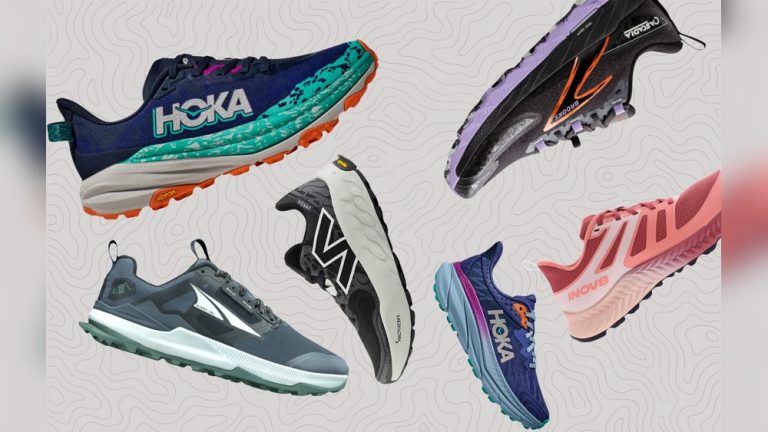
These are models I have used or fit for many runners. Fit is personal. Always try before you buy. Use this list as a trait guide, not as a rule.
Neutral, stable daily trainers:
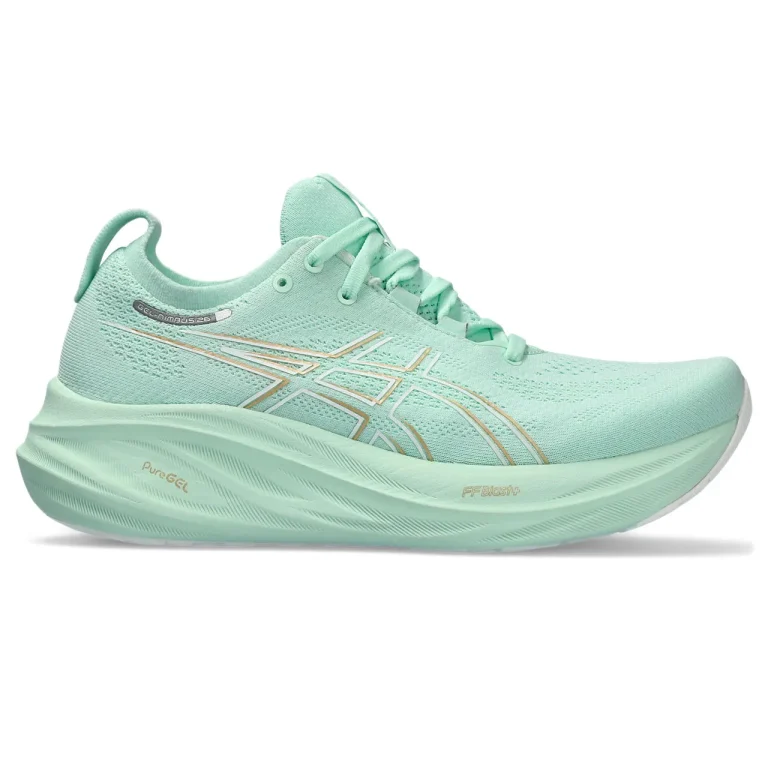
- ASICS Gel-Nimbus. Soft but not mushy. Smooth rocker and solid heel.
- Saucony Ride. Balanced cushion. Subtle guidance. Great lockdown.
- New Balance 1080. Plush with a broad base. Good for long days.
- Nike Pegasus. Classic fit. Snappy midsole and secure heel.
Mild guidance or stability:
- Brooks Adrenaline GTS. Trusted rails. Keeps the knee tracking clean.
- ASICS Gel-Kayano. Stable yet smooth. Works well for long runs.
- Hoka Arahi. Light support via sidewalls. Rocker helps reduce braking.
- Saucony Guide. Gentle support with a lively ride.
Max cushion and rocker for long miles:
- Hoka Bondi. Big stack and a strong rocker. Great for easy days.
- ASICS Superblast. High stack with bounce. Stable for its height.
Tempo and uptempo support:
- Saucony Tempus. Super foam on a guidance frame. Fast yet stable.
- New Balance FuelCell Rebel. Try only if you are stable. Fun for strides.
- Hoka Speedgoat. Grip and rocker. Secure heel for off-camber trails.
- Brooks Cascadia. Stable platform and strong outsole.
Race shoes:
- Use with care. Super shoes can help some. For others, narrow bases and tall stacks can flare pain. Test on short runs first.
Remember, the goal is to find running shoes for IT band pain that feel smooth and stable when you get tired. If a shoe feels great fresh but sloppy at mile eight, it is not your shoe.

Fit, lacing, and insole tweaks that make a difference
Small fit moves can cut pain a lot.
Fit basics:
- Leave a thumb’s width in front of your big toe.
- Your foot should feel hugged at the midfoot.
- Your heel should not slip.
Lacing tips:
- Heel lock. Use the top eyelets to form a runner’s loop. This locks the heel.
- Skip-eye relief. If the outside of your foot feels tight, skip one hole near that hot spot.
Insole and sock tips:
- Try a mild arch insole if you tend to roll in.
- If your foot swims, add a thin insole under the stock one.
- Pick socks that do not bunch. Thick can help fill space. Thin can add room.
Replace your shoes every 300 to 500 miles. Track miles with an app or note.
Form, training, and recovery: shoes are only part of the fix
Running shoes for IT band pain are a tool. Your body needs help too.
Try these form cues:
- Keep your step rate a bit higher. Aim to raise cadence by 5 to 7 percent.
- Land with your foot under your knee. Not far out front.
- Run tall. Think of a string lifting your head.
Strength and mobility:
- Do side planks, clamshells, and monster walks. Two to three sets, three days a week.
- Add hip thrusts and split squats. Focus on control, not load.
- Stretch quads and hip flexors. Keep it gentle and steady.
- Foam roll the quads and glutes. Glide above the IT band, not on the band itself.
Training choices:
- Cut down long downhills for now.
- Avoid slanted roads if you can.
- Build miles by 5 to 10 percent per week at most.
- Use walk breaks early in runs as pain calms down.
If pain is sharp, swells, or lasts at rest, see a pro. A good PT can spot strength gaps or stride faults fast.

Buying checklist and budget tips
Use this checklist when you shop for running shoes for IT band pain.
In the store:
- Go late in the day. Feet swell.
- Bring your socks and orthotics if you use them.
- Jog in the store or on a treadmill. Check knee track and heel slip.
- Try two sizes and three models. Trust your body, not the box.
Smart budget moves:
- Last year’s model can save you a lot.
- Sign up for store demo days. You can test for free.
- Rotate two pairs. They last longer and let foam rebound.
Red flags:
- Hot spots on the outside of the knee early in the test run.
- A shoe that tilts you in or out.
- A shoe that feels great for one minute but sloppy at five.
Write notes after each try. Pick the pair that feels calm, smooth, and steady at an easy pace.

Frequently Asked Questions of running shoes for it band pain
Do running shoes for IT band pain really work?
They help reduce stress at the knee by improving alignment and smoothness. They work best with strength, form fixes, and smart training.
Should I pick neutral or stability shoes for IT band pain?
Many runners do well with mild guidance. If your knee dives in, a stability shoe can help. If your gait is steady, a neutral shoe with a wide base may be enough.
What heel-to-toe drop is best for IT band pain?
A moderate drop, about 6 to 10 mm, often feels good. Very low or very high drops can poke at the knee or hip.
Can I run in super shoes with IT band pain?
Maybe, but test with care. Tall stacks and narrow bases can feel wobbly when you tire. Start with short, easy runs.
How soon should I replace shoes if I have IT band pain?
Replace them every 300 to 500 miles, or sooner if they feel flat. If pain returns in old shoes and eases in new ones, it is time.
Are insoles helpful for IT band syndrome?
Mild arch support can help some runners by guiding the knee. Avoid hard, high arches unless a clinician fits them for you.
What other changes help besides shoes?
Raise cadence a bit, build hip strength, and avoid banked roads. Ease back on downhills until pain calms.
Conclusion
You can tame that stubborn outer-knee ache. Pick running shoes for IT band pain that feel stable, smooth, and secure when you get tired. Blend them with small form tweaks, steady strength work, and smart build-ups.
Start today. Try two or three models that match your gait. Log how each feels at mile one and mile five. Then commit to the pair that keeps your stride calm. If you found this helpful, share it with a running friend, subscribe for more gear guides, or drop your questions in the comments.