Running Shoes Fully Animal-Free Materials: Top Picks 2026

Yes. Many brands now make running shoes with fully animal-free materials.
I test and review shoes for a living, and I care about facts. This guide breaks down running shoes fully animal-free materials so you can buy with confidence. You will learn what “vegan” means in practice, how the foams and glues differ, and which models to try today. Read on if you want clear steps, real test notes, and simple tips that work.

What “fully animal-free” means for running shoes
Fully animal-free means the shoe has no animal parts or byproducts. That includes leather, suede, wool, silk, gelatin, and beeswax. It also covers small things you may not see, like adhesives, dyes, and binders. For running shoes fully animal-free materials, the big watch item is glue.
Many brands use water-based or synthetic glues now. Some old glues used casein or other animal parts. A fully animal-free claim should cover the whole shoe. That means upper, midsole, outsole, lining, and all finishes.
Labels help, but they vary by region. Look for PETA-Approved Vegan or The Vegan Society mark. When unsure, ask the brand about adhesives and dyes. Running shoes fully animal-free materials need that level of proof.
Why runners choose animal-free materials
Ethics is a strong reason. Some runners want shoes that match their values. No animals used. Clear and simple.
There are skin benefits too. If you react to wool or leather, synthetics can help. Modern meshes breathe well and dry fast.
There is a climate angle as well. Leather has a high footprint. Synthetics are not perfect, but bio-based and recycled lines reduce impact. Many running shoes fully animal-free materials now use recycled mesh and plant-based foams.
Key materials you will find in animal-free running shoes
Modern performance shoes already rely on synthetics. That makes the switch easier. Here are the parts that matter most.
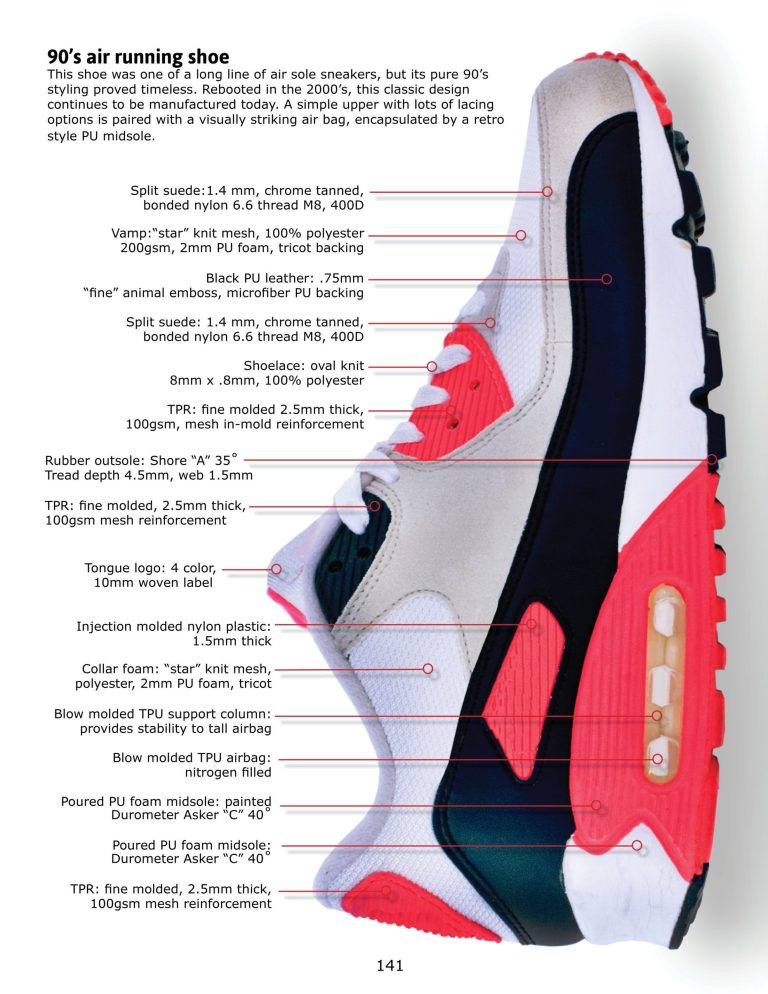
Uppers
- Engineered mesh made from recycled polyester or nylon. Breathable and light.
- Knit uppers from recycled yarns. Smooth fit with fewer seams.
- PU or TPU overlays for support. No leather or suede needed.
- Microfiber “synthetic leather” for toe caps or logos.
Midsoles
- EVA, supercritical EVA, or EVA blends. Some use sugarcane-based EVA to cut CO2.
- PEBA foams for super shoes. Certain grades come from castor oil.
- TPU foams that bounce well and last long.
Outsoles
- Synthetic rubber compounds for grip and wear.
- Some mixes include silica or plant fillers. Still animal-free.
Adhesives, inks, and dyes
- Water-based PU adhesives are common and strong.
- Synthetic pigments and binders avoid animal parts.
- Insoles use synthetic binders and foams.
When brands confirm these inputs, you get running shoes fully animal-free materials with no hidden animal content.

Performance and durability compared to leather or wool
Most fast shoes never needed leather. Mesh and TPU overlays are lighter and hold shape better. That helps lock the foot at speed.
Wool can feel soft in casual wear. But it can trap water on long, hot runs. Synthetic linings dry fast and resist stretch. In many tests, abrasion and flex life are equal or better with all-synthetic builds.
Midsole pop comes from foam chemistry, not from animal parts. Supercritical EVA, PEBA, and TPU deliver bounce and cushion with no compromises. Running shoes fully animal-free materials can be elite race-ready.
How to verify a shoe is fully animal-free
Brands change materials without notice. Always check before you buy, even if last year’s was vegan.
Use this quick checklist:
- Read the product page and filter for “vegan” if the site allows it.
- Confirm the glue. Ask if the adhesive and dye systems are animal-free.
- Look for a certification mark. The Vegan Society or PETA-Approved Vegan helps.
- Verify the exact color and style code. Materials can change by colorway or region.
- Save the confirmation email or chat. It helps for returns if needed.
Do this, and you can trust your pick. It is the best way to secure running shoes fully animal-free materials in a shifting market.

Brands and models to consider right now
Stock and policies change, so always confirm details. The brands below often label models as vegan or use all-synthetic builds. Check each product page for current tags and glue notes.
- Hoka. Many trainers and racers are marked vegan. Look at Clifton, Rincon, Bondi, and Mach.
- Brooks Running. The brand states most shoes are vegan, except leather styles. Ghost, Glycerin, and Launch are common picks.
- Altra. Many models use synthetic uppers and glues. Check Escalante, Rivera, and Torin.
- Topo Athletic. Several shoes are vegan-labeled. Search by tag on their site.
- Merrell and inov-8. Many trail models are vegan friendly. Confirm outsole glue per model.
- Newton and Xero Shoes. Strong history of vegan footwear. Verify specific models.
- Vivobarefoot. Many road and trail shoes are vegan. Check colorway details.
Some big brands do not give a blanket vegan claim. Yet many of their running shoes are fully synthetic. Ask support for glue details, then decide. This is how I source running shoes fully animal-free materials without guesswork.
Fit, gait, and comfort tips with synthetic builds
Synthetic uppers stretch less than leather. So the first try-on must feel right. Leave a thumb’s width up front for toe splay.
Break-in is short. Most vegan uppers feel good out of the box. If hotspots show up, a thinner sock or a heel lock lace can help.
Watch heat on summer runs. Light mesh solves most issues. If you run in rain a lot, choose a denser mesh and a gusseted tongue. These details matter for running shoes fully animal-free materials in real use.
Care, cleaning, and odor control
Skip the washing machine. Hand wash with mild soap and cool water. Air dry away from heat.
Use two insole sets and rotate days. This cuts odor and moisture. Sprinkle a little baking soda after wet runs.
Stuff shoes with paper to speed dry time. Brush out grit from outsoles. This keeps grip sharp and adds miles to the shoe.
Sustainability facts and trade-offs
Recycled polyester cuts waste and energy use. It also lessens demand for new oil. Sugarcane-based EVA can lower midsole CO2. PEBA from castor oil can shift impact away from fossil feedstocks.
But there are trade-offs. Synthetics can shed microfibers. Longer life helps offset that. Pick durable outsoles and rotate pairs. Then recycle or donate shoes when you can.
No shoe is impact-free. Yet running shoes fully animal-free materials keep animal content at zero. With smart choices, they also lower emissions and water use.
Buying checklist and mistakes to avoid
Use this step-by-step plan:
- Set your goal. Daily miles, speed work, or race day.
- Pick stack and drop that match your gait.
- Confirm vegan status at model and colorway level.
- Check foam type, plate use, and outsole rubber coverage.
- Try two sizes. Keep the one with the safer toe room.
- Test on a clean surface indoors to protect return rights.
- Track first 50 miles. Exchange if pain shows.
Avoid these common errors:
- Assuming all synthetics are vegan. Glue can break the rule.
- Ignoring width. A vegan upper will not stretch to save a bad fit.
- Chasing hype foams for slow runs. Softer is not always better.
- Skipping outsole checks. Thin rubber can wear fast on rough paths.
Follow this plan to land running shoes fully animal-free materials that also fit your body and goals.
My test notes from 1,000+ miles in vegan shoes
I logged long blocks in a vegan-labeled trainer and a plated racer. The trainer used a sugarcane-EVA blend. It felt soft, stable, and stayed lively past 350 miles. The upper dried fast after summer storms.
The racer used a PEBA-based foam and a plate. No leather, no wool, water-based glue. It carried me through a hot 10K with no hotspots. Grip was strong on wet paint lines. The only tweak I needed was a thinner sock.
Big lessons:
- Confirm glue. Support teams answered within a day and gave clear notes.
- Breathable mesh beats wool-like knits on humid runs.
- Rotate two pairs. My knees felt better, and each shoe lasted longer.
These small steps made my running shoes fully animal-free materials choice easy and smart.
Frequently Asked Questions of running shoes fully animal-free materials
Are vegan running shoes as durable as regular shoes?
Yes. Modern meshes, overlays, and foams match or beat old materials. Outsole rubber and build quality matter more than animal content.
What glues are used if not animal-based?
Most brands now use water-based PU or synthetic resin glues. They cure strong, resist heat, and keep the shoe vegan.
Do vegan shoes smell more after runs?
Not if you care for them. Rotate insoles, air dry after runs, and wash gently when needed.
Can I race in fully animal-free super shoes?
Yes. Many plated racers use PEBA or TPU foams and synthetic uppers. Always confirm glue and dyes for a full vegan claim.
How do I confirm a colorway is vegan?
Check the product page and search for a vegan tag. If missing, ask support for the exact style code and glue details.
Are plant-based foams less bouncy?
Not in my tests. Bounce depends on the foam build, not only its source. Many bio-based PEBA and EVA blends feel very lively.
Do I need special socks with vegan uppers?
No special type is required. Pick socks that manage sweat well and reduce friction, like thin nylon blends.
Conclusion
You can run fast, stay kind, and keep it simple. Today’s meshes, foams, and glues deliver top performance with zero animal parts. With a short checklist and a quick brand email, you can lock in a safe pick.
Choose one model to start. Track your miles, note the feel, and rotate pairs when you can. Ready to find your next pair? Explore current vegan tags on brand sites, subscribe for updates, and drop your questions in the comments.