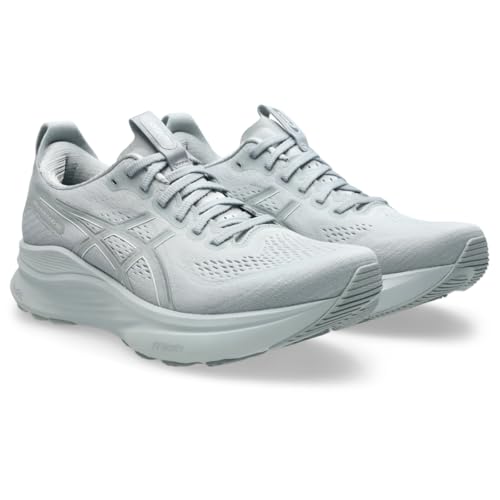
Running Shoes With Highest Heel Drop: Top Picks 2026

Brooks Ghost, Brooks Adrenaline, and Mizuno Wave models lead with 12–13 mm heel drops.
If you need more cushion for your heel, you are in the right place. I’ve tested and coached runners in many setups. This guide explains running shoes with highest heel drop, why they help, and how to pick the right pair for your goals. Expect clear tips, honest trade-offs, and real examples from the road.

What is heel drop and why it matters
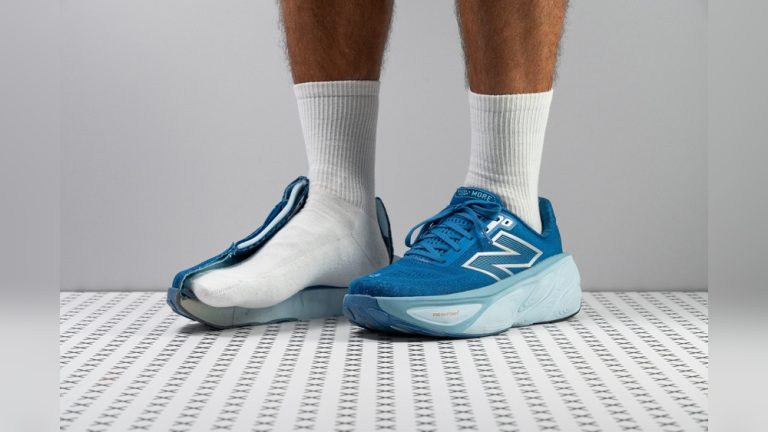
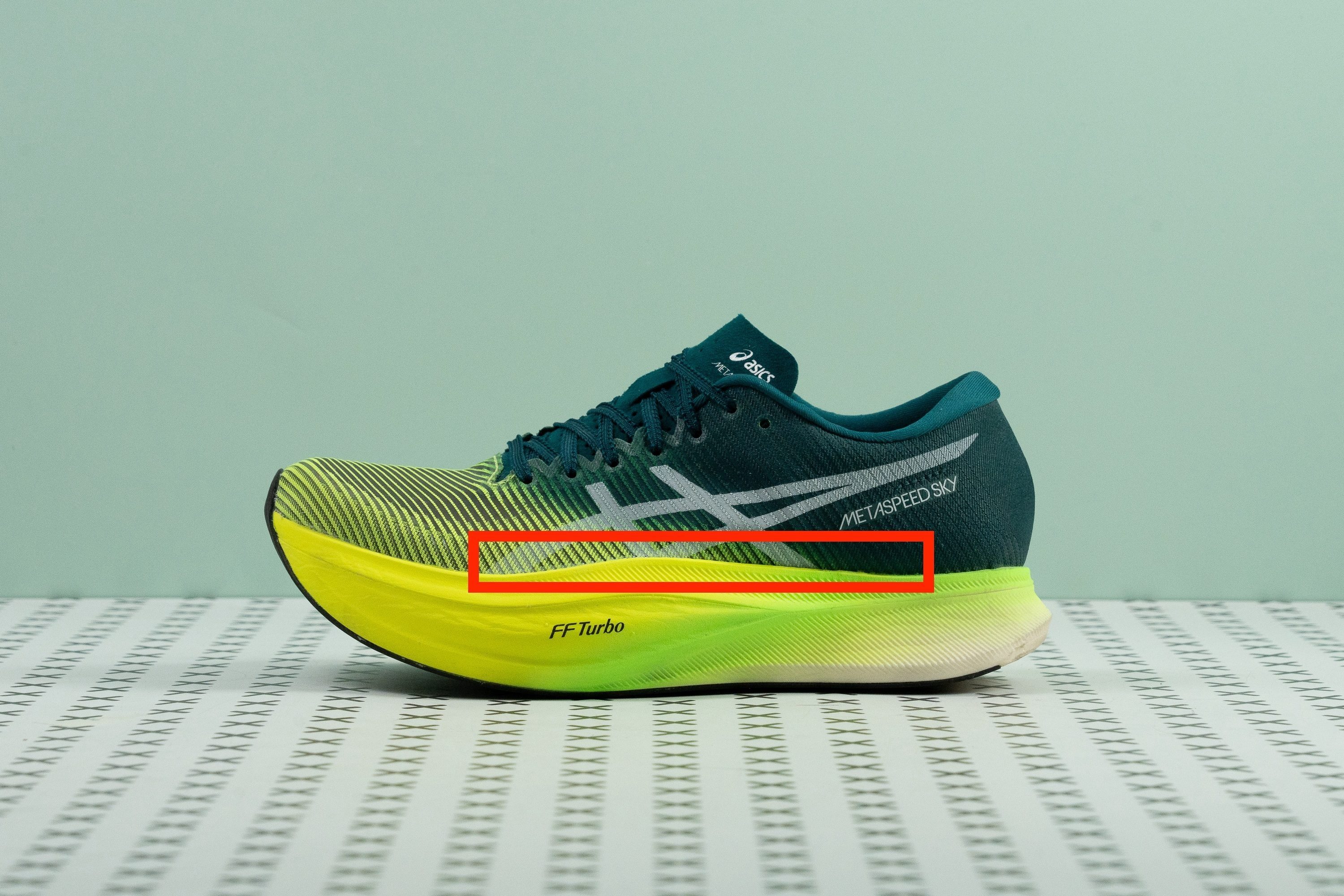
Heel drop (also called heel-to-toe drop or offset) is the height difference between the heel and the forefoot. If the heel is 36 mm and the forefoot is 24 mm, the drop is 12 mm. That is a high drop.
A higher drop shifts some load from your Achilles and calves to your knees and hips. Lower drop does the opposite. Running shoes with highest heel drop often feel “heel friendly” and smooth for heel strikers.
Why this matters on a run:
- It changes how your foot lands and rolls off.
- It tweaks muscle and tendon load.
- It can reduce Achilles strain but add knee demand.
Most brands list heel drop on their product pages. Check the specs and your size. Drops can vary by gender and size in a few models. If you are shopping for running shoes with highest heel drop, confirm the stated drop for your exact size.
Pros and cons of high heel drop
High drop can be a tool, not a cure-all. It helps some runners and hinders others. Think of it like changing the length of a lever.
Benefits you may notice:
- Softer heel landings if you strike at the rearfoot.
- Less Achilles and calf strain, useful when those areas are sore.
- A smooth roll for easy and long runs.
Trade-offs to weigh:
- Slightly more load at the knee for some runners.
- Less natural foot splay and ground feel.
- Harder to switch to low-drop shoes later without a careful plan.
Research suggests higher drop can lower Achilles load and raise knee extensor load. Your body and form still matter most. Running shoes with highest heel drop are great for some use cases, but they are not a magic fix.
Who should try them, and who should be careful
You may benefit from running shoes with highest heel drop if:
- You are a heel striker who wants a softer landing.
- Your Achilles or calf have a history of flare-ups.
- You want a forgiving shoe for recovery runs or long easy miles.
Use care or test first if:
- You have chronic knee pain, especially patellofemoral issues.
- You are a midfoot or forefoot striker who likes a natural feel.
- You plan to race in low-drop super shoes and need day-to-day match.
Personal note: I coach a 10K group each spring. Runners with tight calves often thrive in 12 mm trainers for base miles. But a few with cranky knees feel better at 6–8 mm. Small changes in drop can make a big difference. Running shoes with highest heel drop helped my own Achilles calm down after a hard hill block.

Top models and brands with the highest drops right now
The highest drops you’ll find in mainstream trainers are 12–13 mm. Many Brooks and Mizuno shoes sit at 12 mm. Some women’s versions of past ASICS models reached about 13 mm. Always check the latest spec for your size and version.
High-drop models to shortlist:
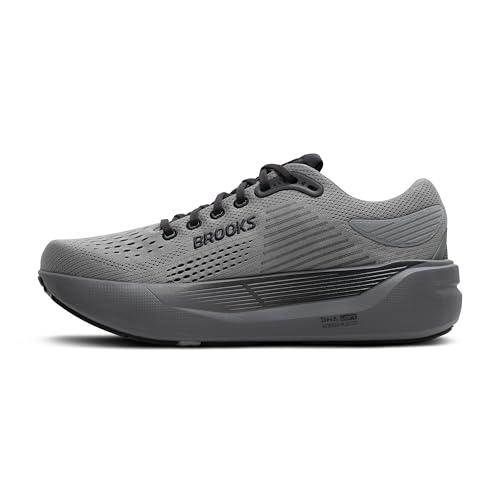
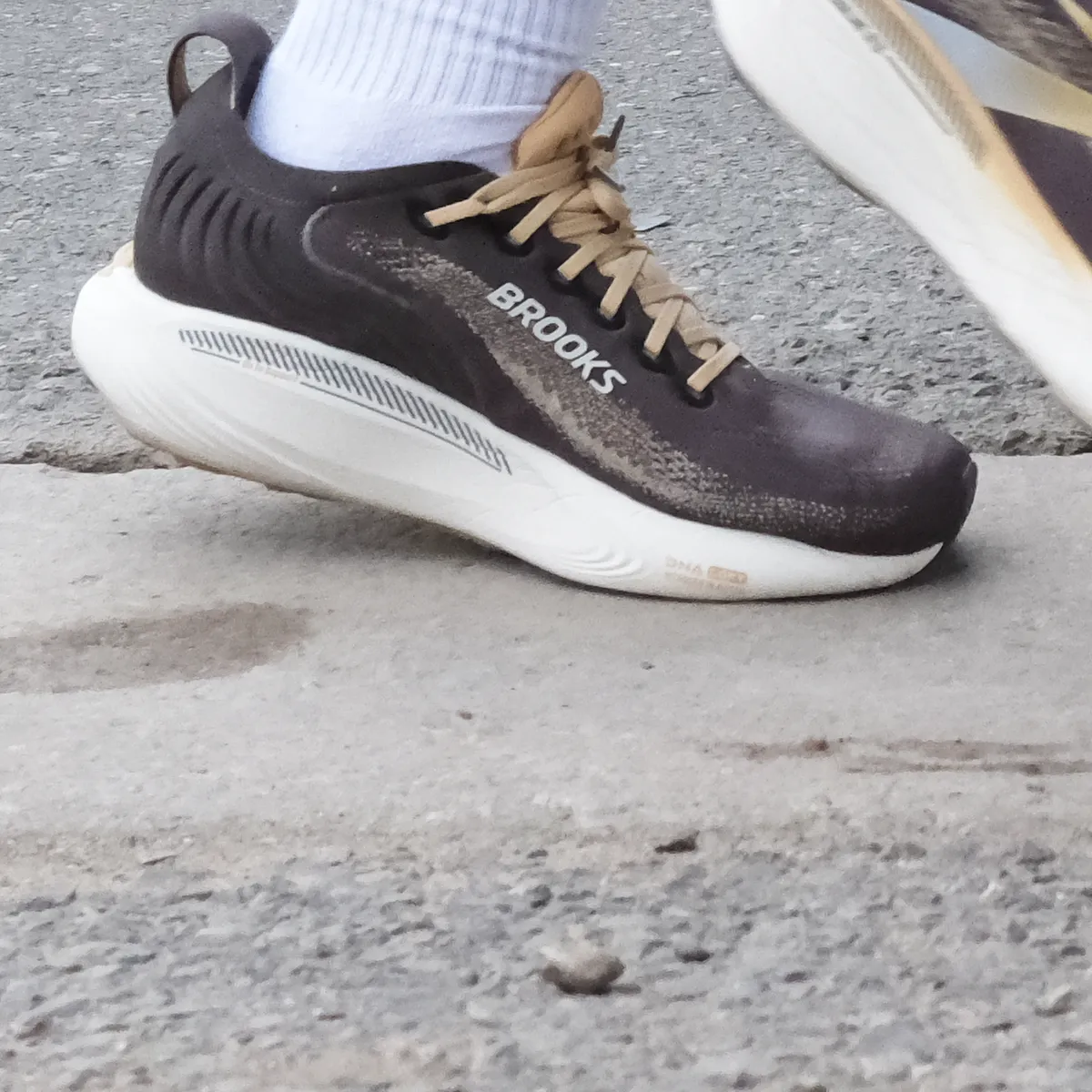
- Brooks Ghost (12 mm) Neutral daily trainer, soft heel, smooth ride.
- Brooks Adrenaline GTS (12 mm) Stability support with GuideRails for mild to moderate overpronation.
- Mizuno Wave Rider (12 mm) Firm, snappy feel with a stable platform.
- Mizuno Wave Inspire (12 mm) Stability twin to Rider with support.
- Nike Pegasus (about 10 mm) Not the top of the range, but a classic, cushy heel for many.
- New Balance 880 and 860 (about 10 mm) Reliable daily trainers; 860 adds support.
- ASICS GT-2000 and some older Nimbus/Kayano versions (10–13 mm by model and size) Check current releases, as drops changed in recent years.
Notes that matter:
- Drops can vary from men’s to women’s builds.
- Updates shift stack and drop. Read the product tech sheet each season.
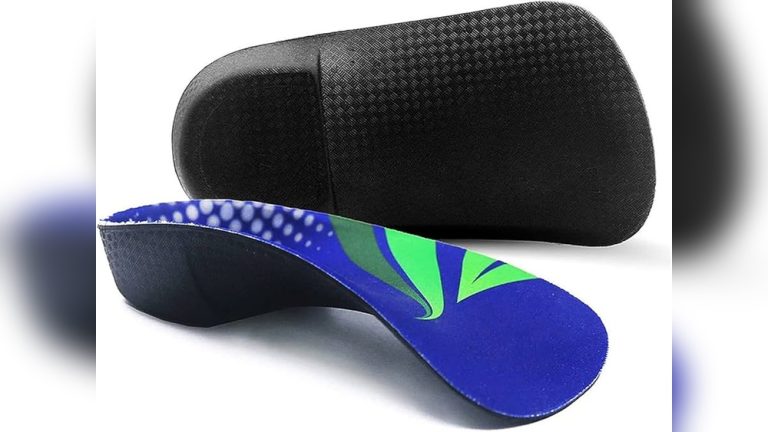
- Insoles and orthotics can change the “felt” drop a bit.
If your target is running shoes with highest heel drop, start with Brooks Ghost or Adrenaline, and Mizuno Wave Rider or Inspire. They are easy to find, tested by many runners, and give that classic 12 mm feel.
How to choose the right high-drop shoe for you
Match the shoe to your form, goals, and injury history. Keep it simple.
Steps that work:
- Define your use. Easy miles, long runs, or all-day trainer?
- Pick neutral or stability. If you roll in a lot, try Adrenaline or Inspire.
- Check the drop next. Aim for 12 mm if you want the max feel.
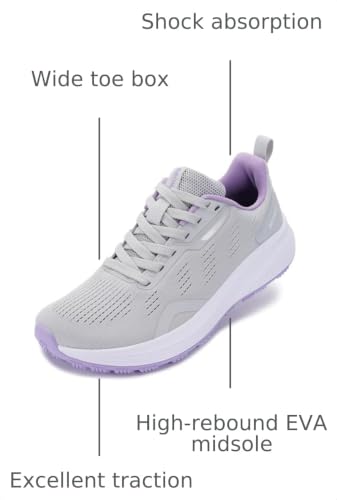
- Test true-to-size. You need a thumb’s width in toe box at rest.
- Try at least two models side by side on the same day.
Fit checks in the store or at home:
- Heel stays locked without rubbing.
- Midfoot is snug, not tight.
- Toes can wiggle. No numbness.
If your goal is running shoes with highest heel drop, do not ignore comfort. The best stack and drop mean nothing if your foot feels trapped.

Transition and training tips
Switching drops changes load paths. Do it with care and time your big changes away from race day.
Simple plan:
- Start with 1–2 short runs per week in the new pair.
- Add 10–15 minutes each week until your easy runs feel natural.
- Keep some runs in your old setup for two to three weeks.
- Add light calf and hip strength to balance new loads.
Coach’s note: When I moved a marathoner from 8 mm to 12 mm, her calves relaxed within two weeks. But we kept hill sprints low for a month. If you chase running shoes with highest heel drop for injury help, pair the change with smart load control.
Care, lifespan, and when to replace
High-drop shoes wear much like any daily trainer. The heel rubber often shows the first signs if you land back there.
Care basics:
- Rotate pairs to let foam rebound.
- Dry shoes in room air. No heat.
- Wipe grit from the outsole after wet runs.
Replace when:
- The midsole feels flat or harsh.
- The outsole has bald spots at the heel.
- You feel new aches that fade when you swap to a fresher pair.
Most runners get 300–500 miles, based on weight, surface, and form. If you use running shoes with highest heel drop as your main trainer, track miles so you do not run them into the ground.
Frequently Asked Questions of running shoes with highest heel drop
What is considered a high heel drop?
Most brands call 10–12 mm high. A few women’s models in past seasons reached about 13 mm.
Are high-drop shoes better for heel strikers?
Yes, many heel strikers feel smoother landings and less calf strain. Test them against your current pair to confirm the feel.
Can high heel drop reduce Achilles pain?
It can reduce load on the Achilles for many runners. Still, address training errors and add gentle strength work.
Do high-drop shoes increase knee stress?
They can for some people. If you have a history of knee pain, try a test run and consider 8–10 mm as a middle ground.
Are high-drop shoes good for speed work?
They can be fine for tempo runs. For track work or races, match your racer’s drop so the switch is not a shock.
Which brands offer the most high-drop options?
Brooks and Mizuno offer many 12 mm trainers. Nike and New Balance often sit near 10 mm.
How do insoles or orthotics affect heel drop?
They can change how the drop feels, but the stated drop stays the same. Test with your insole in the shoe you plan to buy.
Conclusion
High heel-to-toe offset can be a smart, simple lever to shift load and comfort. If you want less Achilles strain and a soft heel landing, running shoes with highest heel drop are a strong place to start. Try Brooks Ghost or Adrenaline and Mizuno Wave Rider or Inspire, compare fits, and listen to your legs.
Ready to dial it in? Test two pairs side by side this week, note how your calves and knees feel, and log the results. If this guide helped, share it with a running friend, subscribe for more gear tips, or drop your questions in the comments.