Shoe Stretcher For Running Shoes: 2026 Fit & Comfort Guide

A shoe stretcher for running shoes gently widens tight areas to ease pressure and pain.
If your toes feel cramped at mile three, or your pinky rubs near the finish, you are not alone. As a run coach and gear tester, I have helped many runners use a shoe stretcher for running shoes to dial in fit without buying a new pair. This guide shows how a shoe stretcher for running shoes works, when to use it, what it can and cannot fix, and the safest steps to get comfort that lasts.
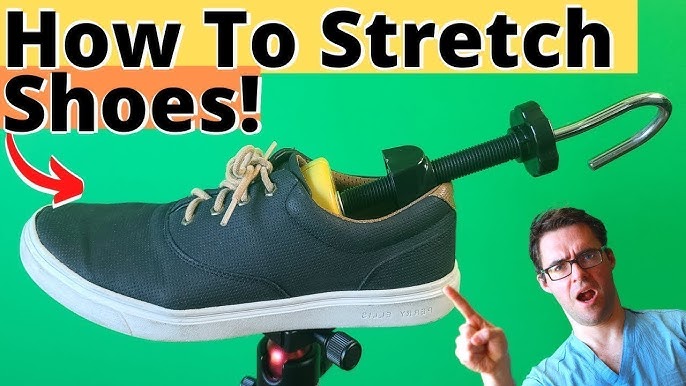
What Is a Shoe Stretcher for Running Shoes?
A shoe stretcher for running shoes is a tool that expands the shoe in length, width, or at small pressure points. It applies steady force to ease hot spots like bunions, toe pinch, or side rub. Runners use it to get a touch more room without breaking the shoe’s shape or support.
Think of it as a gentle jack inside your shoe. It works over hours, not minutes. When done well, you keep the shoe’s ride and gain welcome comfort.
I first used a shoe stretcher for running shoes after a rainy 10K. My foot swelled, and the toe box felt harsh. A small, targeted stretch fixed the pinch in one night.

When Should Runners Use One?
Use a shoe stretcher for running shoes when the size is right, but small spots feel tight. Good signs include slight numb toes, pinky rub, or a bunion press. If you only need 1–3 millimeters more space, a stretcher can help.
Foot volume can rise 4–8% on long runs. That is why a shoe stretcher for running shoes is handy during race build-ups. It gives you a buffer for swelling without jumping a full size.
Avoid stretching if the shoe already feels sloppy. Do not try to rescue a bad size with a big stretch. You may distort the upper or change how the shoe holds your heel.

Types of Shoe Stretchers for Running Shoes
Not all tools are equal. Pick the one that matches your fit issue and upper material.
- Two-way stretcher. Expands width and length a small amount. Best for minor crowding.
- One-way width stretcher. Targets side squeeze across the forefoot. Good for wide feet or toe splay.
- Toe box stretcher. Lifts and opens the front. Helps nail pressure and hammer toes.
- Bunion plug stretcher. Uses small plugs to press a single hot spot. Great for bunion relief.
- Instep/arch stretcher. Adds height over the midfoot. Use with care to avoid tongue or eyelet stress.
- Boot-tree style. Holds shape while drying. Light stretch only; more for maintenance.
A shoe stretcher for running shoes with removable plugs is the most useful. You can aim force only where you need it and protect the rest of the upper.

How to Use a Shoe Stretcher for Running Shoes (Step-by-Step)
Follow these steps to stretch with control and avoid harm.
-
Confirm fit. Wear your run socks. If the shoe is a half-size too small, exchange it. A shoe stretcher for running shoes is for tweaks, not big fixes.
-
Prep the upper. Lightly mist the area inside with water or use a fabric-safe stretch spray. Avoid soaking foam.
-
Insert the stretcher. Seat the heel block first. Align the forefoot block with your pressure area.
-
Add plugs if needed. Place bunion plugs to match your hot spot. Tighten the plug side gently.
-
Apply tension. Turn the handle until snug. Add only a quarter turn more. The goal is firm, not forced.
-
Wait. Leave it for 6–12 hours for mesh or knit. Up to 24 hours for thicker synthetics. Check at halfway.
-
Test fit. Remove the stretcher. Try the shoes on with socks. Do a short walk or easy jog indoors.
-
Repeat if needed. Add another quarter turn and 6–12 hours if you need a touch more room.
-
Set the shape. After success, lace the shoes and wear them for a short run. The heat and motion help lock the new space.
Pro tip from the lab: I get the best results with two short cycles rather than one long crank. A shoe stretcher for running shoes works best with patience and small steps.

What It Can and Cannot Fix
A shoe stretcher for running shoes can fix:
- Mild forefoot squeeze
- Toe box height for thick nails or hammer toes
- Local bunion pressure
- Light instep tightness from overlays
It cannot fix:
- A full size too small
- Narrow heel counter slippage
- Midsole firmness or ride feel
- Severe toe spring or rocker discomfort
- Major overpronation control issues
PAA-style insights:
- Does shoe stretching damage running shoes? Gentle, short stretches are safe. Over-tightening can tear knit, pop seams, or warp eyelets.
- How much can you stretch? Expect 1–3 millimeters in width or height. More than that risks shape loss.
- How long does it last? It lasts if your issue was minor and the upper has structure. Very soft knit may relax back a bit over time.

Materials Matter: Stretching Knit, Mesh, Leather, and Synthetic Uppers
Running shoes use many fabrics. Each reacts in its own way.
- Engineered mesh. Moderate stretch. Responds well to light mist and overnight tension. Avoid heat.
- Knit uppers. Easy to deform. Use the lowest tension. Better with bunion plugs than wide blocks.
- Synthetic leather overlays. Stiffen hot spots. Add a tiny bit more time and tension. Watch seams.
- Suede or leather panels. Rare in trainers but common in lifestyle runners. Stretch well. Use spray for even results.
- TPU or fuse overlays. Do not stretch. Aim pressure between them. Use plugs to avoid the hard parts.
I stretched a knit racer once with too much force. The collar wobbled after two runs. Since then, I set the handle just snug on knit and re-check in six hours. A shoe stretcher for running shoes rewards a light hand with soft uppers.

Safer Alternatives and Smart Complements
Do these first or alongside a shoe stretcher for running shoes.
- Sock system. Switch to thinner run socks on hot days. It can free instant space.
- Lacing tricks. Skip the eyelet over your hot spot. Or use parallel lacing for more midfoot room.
- Toe box shaping by hand. Warm the upper with your palms and flex the forefoot.
- Short break-in. Two or three easy runs of 20 minutes. Foam and fabric relax a little.
- Time-of-day try-ons. Feet swell later in the day. Buy or test fit in the evening.
Avoid risky hacks. Hair dryers, ovens, or boiling water can ruin glue and midsole foam. A shoe stretcher for running shoes plus smart lacing solves most mild issues without heat.
Buying Guide: Choosing the Right Shoe Stretcher for Running Shoes
Look for these features if you run often and value fit.
- Forefoot shape. A curved block that matches a sneaker last, not a dress shoe last.
- Removable plugs. At least three sizes for precise bunion relief.
- Smooth threads. Fine-pitch metal screw for control. Rough threads jump and over-tighten.
- Material. Hardwood or durable polymer that will not snag knit. Sanded edges help.
- Size range. Make sure it matches your shoe size to reach the toe box.
A shoe stretcher for running shoes with a toe box head and side plugs is the best all-around pick. It gives control without forcing the heel or midfoot.

Care After Stretching and Long-Term Fit Tips
After you stretch, protect the fit you earned.
- Dry right. Air-dry shoes after wet runs. Do not leave near heat. Use paper to wick moisture.
- Rotate pairs. Alternate between two pairs. Uppers rebound and last longer.
- Monitor mileage. Most trainers feel snugger after 200–300 miles as foam packs down. Check pressure points then.
- Keep laces fresh. Old laces stick and change tension. Replace them to fine-tune fit.
A shoe stretcher for running shoes is a tool, not a cure-all. Pair it with smart habits to keep comfort steady through your training cycle.
Frequently Asked Questions of shoe stretcher for running shoes
Can a shoe stretcher for running shoes increase length?
A small amount, usually 1–2 millimeters at most. Width and toe box height are safer and more effective targets.
How long should I leave a stretcher in running shoes?
Start with 6–12 hours, then test. Add another short cycle if needed rather than one long, hard stretch.
Will stretching void my shoe warranty?
Light, careful stretching usually does not. Damage from misuse or heat can void coverage, so follow gentle steps.
Is a shoe stretcher safe for carbon plate racers?
Yes, if you only stretch the upper. Do not apply force to the midsole or plate; target fabric areas with plugs.
Do I need a spray with a shoe stretcher for running shoes?
A fabric-safe stretch spray or light mist speeds results. It is optional but can help mesh or synthetic uppers relax evenly.
Conclusion
Getting the right fit should not be a battle. With a careful plan, a shoe stretcher for running shoes can ease pressure, protect toenails, and keep your stride smooth without buying a new pair. Start small, target the hot spot, and test in short sessions.
Try one tweak this week. Adjust lacing, then do a light stretch overnight. If it works, share your results, subscribe for more run-gear tips, or drop a comment with your fit challenge.