
Running Without Shoes On Treadmill: Safety Tips 2026

Running without shoes on treadmill can be safe with slow, mindful progress.
You want stronger feet, better form, and a quiet mind while you run. I have coached runners who tried running without shoes on treadmill, and I have tested it myself for years. In this guide, I break down what works, what fails, and how to do it the right way. You will learn the science, the risks, and a safe path to try running without shoes on treadmill with confidence.
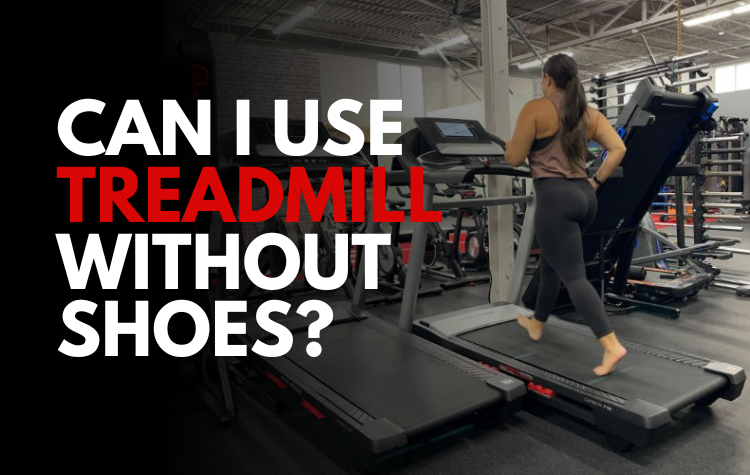
What running without shoes on treadmill really means
Barefoot on a treadmill changes how you land and push. Most runners shorten their stride. They land under the hips and raise cadence a little. The feet feel the belt. So the brain gets fast feedback. That helps form.
Lab data shows lower contact time and a shift from heel to mid or forefoot landings. It also shows more load on the calf and Achilles. Impact may feel softer, yet load moves up the chain in a new way. The belt is even and flat. That makes learning feel safe, but it can hide small form errors if you zone out.
You still need a plan. Your skin, tendons, and bones all adapt at different speeds. Start small. Add time slow. Track how you feel for 24 to 48 hours after each run.

Benefits you can expect
Running without shoes on treadmill can build foot strength. The small muscles in the arch work more. Your toes spread. Your ankle learns to stay stable. Over time, that can help balance and control.
There is strong form feedback. You hear your steps. You feel hot spots right away. That can cue a softer landing and a quicker cadence. Controlled pace and a flat surface help you focus on one cue at a time.
Research on barefoot and minimalist running shows a few steady themes:
- Slight rise in cadence and shorter steps reduce overstriding.
- Forefoot or midfoot landings move load to the calf-Achilles unit.
- Some runners report less knee pain due to lower braking forces.
On a treadmill you can:
- Set easy speeds and hold them.
- Try a small incline to change forces.
- Stop at once if anything feels off.
Risks, limits, and who should avoid it
Running without shoes on treadmill is not risk free. The belt can burn skin if you trip or slide. Friction can cause blisters. Sudden changes in volume can strain the calf, Achilles, or plantar fascia.
Some people should avoid it or speak to a clinician first:
- Diabetes with neuropathy or poor wound healing.
- Current foot wounds, warts, or skin infections.
- Active Achilles, calf, or plantar fascia pain.
- Osteoporosis or a recent bone stress injury.
Gyms may ban bare feet. Hygiene also matters. Use a clean belt. Clean your feet. If you sweat a lot, consider thin toe socks if rules allow. Move slow. Pain is data. Use it.
How to start running without shoes on treadmill safely
Follow a simple ramp. Keep it easy. Stop at the first sign of sharp pain or hot spots.
- Do a quick health check. No open cuts. No active foot pain.
- Clean the belt. Wipe it down. Dry it well.
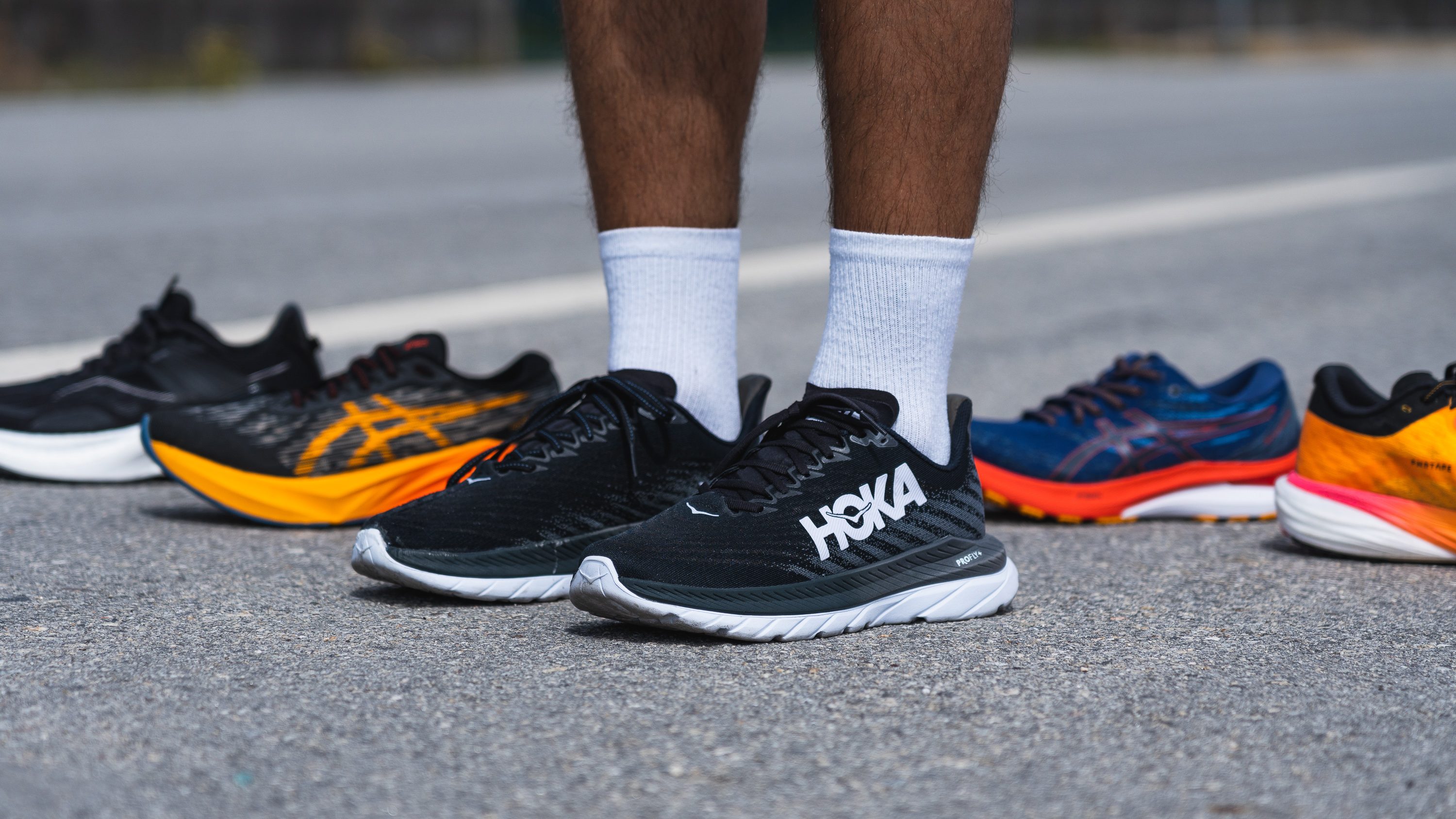
- Warm up in shoes for 5 to 10 minutes of brisk walk or jog.
- Take shoes off. Start with 30 to 60 seconds of very easy jog. Then walk for 1 to 2 minutes. Repeat 3 to 6 times.
- Add no more than 1 to 2 minutes total barefoot time per session at first.
- Increase barefoot time by about 10 to 20 percent per week if you feel fine the next day.
- Use a small incline, 1 to 2 percent, only if it feels natural. Flat is fine for most.
- End with light calf and foot work.
Helpful strength drills, two to three days per week:
- Calf raises on flat ground. Slow up and slow down.
- Eccentric heel drops for Achilles health.
- Short foot drill to wake the arch.
- Toe splay and towel curls for toe control.
Running without shoes on treadmill should feel smooth and quiet. If you pound, slow down or stop.

Form cues that keep you safe
Simple cues work best. Pick one at a time.
- Think tall posture. Stack head, ribs, and hips.
- Lean a little from the ankles. Not from the waist.
- Land under your body. Short steps help.
- Aim for a light, quick rhythm. Raise cadence by 5 to 10 percent from your shoe pace.
- Keep your arms easy. Swing back, not across.
- Listen for soft steps. Quiet means less braking.
Foot care matters:
- Wash and dry feet after.
- Use a dab of moisturizer if skin is dry.
- If a blister forms, rest and treat it. Do not rip skin.
These small habits make running without shoes on treadmill feel smooth and safe.

Treadmill setup, hygiene, and rules
A little setup goes a long way.
- Belt speed. Start slow. Build control first.
- Incline. Flat is fine early. A mild incline can ease the heel but loads the calf more.
- Heat. Long runs can warm the belt. Warmth plus sweat means more friction. Keep early runs short.
- Safety clip. Wear it. If you trip, it stops the belt.
- Space. Keep the deck clear. No loose gear near the rear roller.
Hygiene and rules:
- Ask your gym about bare feet. Some do not allow it.
- Bring a towel. Wipe the deck before and after.
- At home, clean the belt per the manual. Check belt edges for rough spots.
These steps lower risk when running without shoes on treadmill.

A simple 6‑week progression plan
Use this as a guide. Adjust to your body. Keep all barefoot time easy. Keep your normal shoe runs as your main volume.
- Week 1
- Two or three runs.
- 3 to 5 rounds of 30 seconds barefoot jog, 60 to 90 seconds walk.
- Week 2
- Two or three runs.
- 4 to 6 rounds of 45 seconds jog, 60 seconds walk.
- Week 3
- Two runs.
- 5 to 6 rounds of 60 seconds jog, 60 seconds walk.
- Week 4
- Two runs.
- 6 to 8 minutes total barefoot, broken into short sets.
- Week 5
- Two runs.
- 8 to 10 minutes total barefoot, still easy pace.
- Week 6
- Two runs.
- 10 to 12 minutes total barefoot, only if all feels good.
Stop if pain shifts from mild to sharp, or if it lingers the next day. You can hold a week or repeat it. Running without shoes on treadmill rewards patience.

Notes from a coach and runner
I added barefoot minutes to my own base runs years ago. My cadence rose at once. My arches felt tired in a good way for a day. I made two errors early. I pushed the incline too soon, and I did a long set on a warm belt. I got a mild blister. I learned to cap time and keep the belt clean and cool.
With athletes, I use barefoot minutes as a form drill. One runner had knee pain from long strides. We used 2 to 4 minutes of easy barefoot after warm ups. The pain eased over six weeks. We did not chase speed. We chased quiet steps and rhythm.
Your path can look like that. Use running without shoes on treadmill as a tool. Not as a badge.
Frequently Asked Questions of running without shoes on treadmill
Is running without shoes on a treadmill bad for your knees?
It can reduce braking and knee load if you avoid overstriding. It can raise calf load, so shift time slow and keep runs short at first.
Can beginners try it?
Yes, but start with seconds, not minutes. Focus on soft landings and stop at the first sign of hot spots or sharp pain.
How fast should I go?
Very easy pace at first. You should be able to speak in full lines and keep steps quiet.
Are socks okay if my gym bans bare feet?
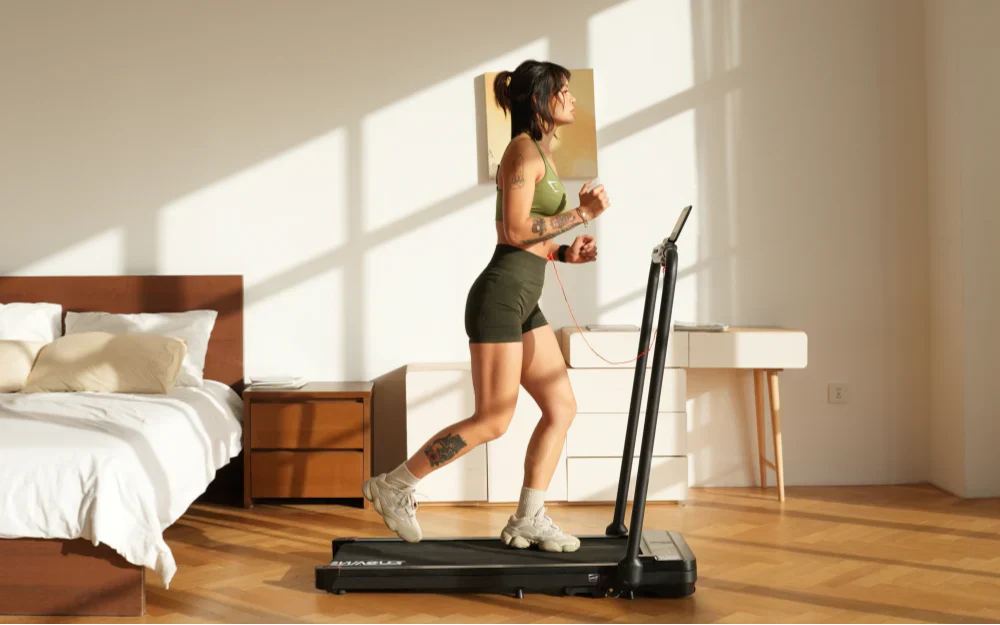
Thin grip socks can work as a bridge if rules allow. They cut friction and keep things clean while you learn the feel.
Will it help plantar fasciitis?
It may help some by training foot muscles, but it may flare others. If you have heel pain now, talk to a clinician and start with very short bouts or skip it.
How do I keep the treadmill clean and safe?
Wipe the belt before and after, and keep the area clear. Use the safety clip and check for rough edges on the deck.
Conclusion
You can use running without shoes on treadmill to build skill, strength, and calm focus. The key is a slow ramp, clean setup, and simple form cues. Keep steps short. Keep effort easy. Treat your skin and tendons with care.
Try one short set this week. Track how you feel the next day. If it feels good, add a little more. Want more tips like this? Subscribe, share your story in the comments, and tell me what you want to learn next.

One Comment