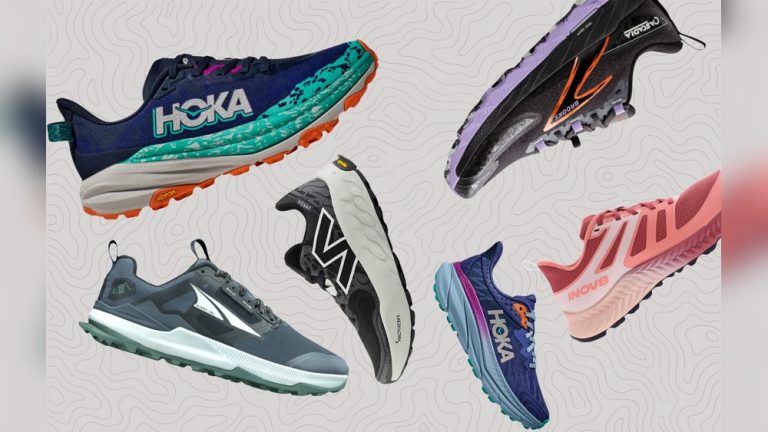
Difference Between Running Shoes And Tennis Shoes: Key Features Explained

Choosing the right footwear can make all the difference in your sports performance, comfort, and even your risk of injury. If you have ever walked into a sports store, you know how confusing it can be to pick between dozens of shoe types—especially when you see running shoes and tennis shoes sitting side by side on the shelf. They may look similar at first glance, but using one in place of the other can affect your experience more than you think.
Many people, especially beginners or those who exercise casually, assume all athletic shoes are interchangeable. This is not true. The design, materials, and purpose behind running shoes and tennis shoes are quite different. Wearing the wrong type for your sport can lead to discomfort, poor performance, and a higher chance of getting hurt.
The right pair can support your feet, match your movement, and help you play or run at your best.
Understanding these differences is not just for professional athletes. Even if you’re a weekend runner or enjoy playing tennis with friends, knowing the key distinctions will help you make a smarter buying decision. This article will guide you through every important difference between running shoes and tennis shoes, explain why it matters, and help you pick the right pair for your needs.
The Purpose Behind The Design
At the heart of the differences between running shoes and tennis shoes is their intended use. Each is built to support specific movements, pressures, and surfaces.
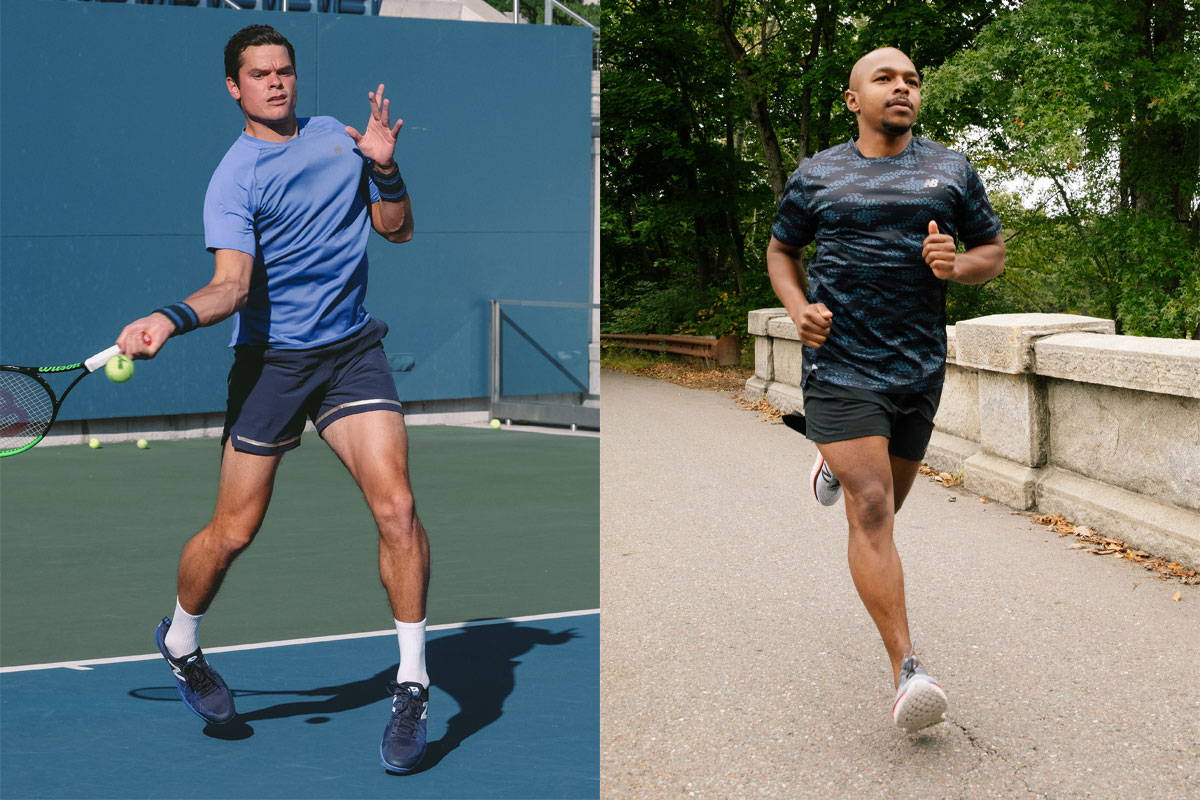
Running shoes are designed for straight-ahead motion, mostly forward, covering long distances. They must absorb repeated impacts as your feet hit the ground with each stride. The main goal is to provide cushioning, shock absorption, and support for your arches and heels.
Tennis shoes, in contrast, are built for multi-directional movement—side-to-side, forward, backward, and sudden stops. Tennis involves quick sprints, pivots, and slides on courts. The shoes must offer lateral support, durability, and a strong grip on court surfaces.
This core difference drives the unique features in each shoe type.
Key Differences In Construction
To understand how these shoes work for their intended sport, let’s break down the main construction elements that set them apart.
Outsole: Traction And Grip
- Running shoes have an outsole designed for grip on roads, trails, or treadmills. Their tread patterns help prevent slipping forward or backward, but not as much side-to-side.
- Tennis shoes have outsoles tailored for specific court surfaces—hard, clay, or grass. The tread patterns are flatter and denser, giving better lateral grip and stability for quick changes in direction.
| Feature | Running Shoes | Tennis Shoes |
|---|---|---|
| Outsole Grip | Optimized for forward traction | Optimized for lateral grip |
| Tread Pattern | Deep, variable for different terrains | Flat, dense for court surfaces |
| Surface Compatibility | Roads, tracks, trails | Hard, clay, grass courts |
Midsole: Cushioning And Support
- Running shoes feature thick midsoles with advanced cushioning. They protect your feet from repeated pounding, especially at the heel and forefoot. Some shoes add special foam or gel for extra shock absorption.
- Tennis shoes have thinner, firmer midsoles. The focus is on stability and court feel rather than soft cushioning. Too much softness can lead to ankle rolls during fast lateral moves.
Upper: Fit And Protection
- Running shoes use lightweight, breathable materials like mesh to keep feet cool over long runs. The fit is snug but not restrictive, allowing for natural foot swelling during running.
- Tennis shoes have sturdier uppers with reinforced areas around the toe and sides. This adds protection during slides and lateral moves, but can make the shoe heavier.
Heel-to-toe Drop
- Running shoes often have a noticeable heel-to-toe drop (the difference in height between the heel and the toe). A higher drop helps cushion the heel strike, which is common in running.
- Tennis shoes typically have a low drop or almost no drop. This keeps your foot closer to level, improving balance and quick reaction for sudden side steps.
Weight
- Running shoes aim to be as light as possible, reducing fatigue over long distances.
- Tennis shoes are heavier because of extra protection, stability features, and durable materials.

Credit: deauvillegreenawards.com
Performance And Function: How Differences Affect Play
The design of each shoe leads to real-world differences in how they perform and protect your feet.
Running Shoes In Action
When you run, your feet hit the ground with a force up to three times your body weight. Cushioning is essential to absorb this impact and protect your joints. The shape and flexibility of running shoes help your foot roll smoothly from heel to toe.
However, running shoes are not built for quick lateral (side-to-side) moves. Their soft, flexible sides can allow your foot to slide or roll during sudden changes in direction—raising the risk of ankle injuries if used for sports like tennis.
Tennis Shoes In Action
Tennis is all about quick, explosive moves in every direction. The stability and lateral support in tennis shoes prevent your foot from sliding over the edge of the sole. The outsole’s grip helps you stop, start, and pivot without slipping.
But using tennis shoes for running can feel stiff and heavy. The lack of cushioning means your legs and feet will tire faster. Over long distances, the risk of blisters or sore feet increases.
A Real-world Example
If you wear running shoes to play tennis, you may notice your feet sliding inside the shoe when you move sideways. Over time, you might develop pain on the outside of your foot or even twist your ankle. If you run long distances in tennis shoes, you may notice your legs feel more tired and your knees hurt from the lack of shock absorption.
Material Choices: What Each Shoe Is Made Of
The materials used in running and tennis shoes are chosen for their specific benefits.
- Running shoes: Lightweight mesh, synthetic fabrics, EVA foam, and air or gel cushioning. These materials focus on comfort and reducing weight.
- Tennis shoes: Durable rubber, reinforced leather or synthetic uppers, thicker rubber outsoles, and tough toe guards. These withstand abrasion from court surfaces and protect the foot during quick, forceful moves.
A key insight many beginners miss: The durability of tennis shoes is not just for the outsole. The added reinforcements around the toe and sides are crucial for players who drag their foot while serving or slide on hard courts. Runners don’t need these features, so running shoes skip them to save weight.
Credit: www.holabirdsports.com
Impact On Injury Prevention
Wearing the right shoe for your sport is not just about comfort—it’s about safety.
- Running shoes reduce the risk of stress fractures, shin splints, and plantar fasciitis by absorbing impact.
- Tennis shoes prevent ankle sprains, blisters from sliding, and toe injuries by providing lateral support and tough uppers.
A common mistake: Some people think they can save money by using one pair of shoes for all activities. Over time, this can actually lead to higher costs due to injuries, doctor visits, or needing to replace shoes more often.
Court Surface Vs. Running Surface: Matching Shoes To The Ground
Not all tennis shoes are the same, and neither are running shoes. The ground you play or run on also affects which shoe is best.
For Tennis
- Hard courts: Look for shoes with durable, non-marking rubber outsoles and extra cushioning.
- Clay courts: Shoes with herringbone tread patterns help prevent slipping and keep clay from clogging the sole.
- Grass courts: Shoes have nubs or pimples for grip without tearing the grass.
For Running
- Road running: Shoes with smooth, durable soles and more cushioning.
- Trail running: Deeper lugs for grip, reinforced uppers, and rock plates for protection.
Using the wrong sole for your surface can shorten the life of your shoe and even risk your safety. For example, a tennis shoe designed for hard courts will wear out quickly on clay or grass, and a trail running shoe may have too much grip for a smooth road.
Fit And Sizing: What To Expect
Both types of shoes should fit well, but the fit will feel different.
- Running shoes: Allow a thumb’s width of space at the toe for swelling during long runs.
- Tennis shoes: Fit snugly around the midfoot and heel for stability, with less extra room at the toe to prevent sliding.
Trying on shoes at the end of the day, when your feet are largest, is a smart move for both types.
A practical tip: If your feet are between sizes, consider going up half a size in running shoes for comfort, but stick closer to your true size in tennis shoes for support.
Lifespan And Durability
How long your shoes last depends on how you use them.
- Running shoes typically last 300–500 miles (about 3–6 months for regular runners).
- Tennis shoes wear out based on hours played (usually 45–60 hours for frequent players), but court surface and playing style matter a lot.
If you notice worn tread, holes in the upper, or less support, it’s time for a new pair.
A non-obvious insight: The midsole foam in running shoes can break down before the tread wears out. Pay attention to how the shoe feels, not just how it looks.
Price Differences And What You Pay For
Generally, both running and tennis shoes range from $60–$180, but prices vary based on technology, brand, and features.
- Running shoes: Higher prices often mean lighter weight, advanced cushioning, or special designs for different running styles (like pronation control).
- Tennis shoes: More expensive pairs offer better durability, reinforced materials, and sole designs for specific court types.
Don’t assume expensive always means better. The best shoe is the one that fits your sport, your foot, and your budget.
Style And Appearance
Many brands make both types of shoes in a wide variety of colors and styles. However, some differences stand out:
- Running shoes: Often have bright colors, reflective strips, and a sleek design.
- Tennis shoes: Tend to be lower to the ground, bulkier, and may use reinforced areas in different colors for function.
If style matters to you, you can often find a pair that fits both your performance needs and your personal taste.
Can You Use One For Both Sports?
This is a common question, especially if you only play tennis or run occasionally.
- If you mostly run and rarely play tennis: Stick with running shoes, but be careful during side-to-side moves.
- If you mostly play tennis and occasionally jog: Tennis shoes can work for short, easy runs but may feel heavy and stiff.
However, if you are serious about either sport, it’s best to invest in the correct shoe. Using the wrong type regularly increases injury risk and reduces your enjoyment of the activity.
How To Choose The Right Shoe For You
Picking the right shoe means considering your main activity, play style, foot shape, and budget.
- Identify your primary sport. If you split time equally, it’s worth owning both types.
- Match your shoe to your surface. For tennis, know your main court type. For running, consider if you’re on the road or trails.
- Try shoes on in person. Walk, run, or move side-to-side in the store. The right shoe should feel comfortable right away.
- Look for features that match your needs. If you have flat feet, high arches, or past injuries, ask for shoes with the right support.
- Don’t ignore wear and tear. Replace shoes when they lose support, even if the outsole still looks good.
Data Comparison: Running Shoes Vs. Tennis Shoes
To help you see the differences at a glance, here is a side-by-side comparison.
| Aspect | Running Shoes | Tennis Shoes |
|---|---|---|
| Main Motion | Forward (linear) | Multi-directional (lateral, forward, backward) |
| Cushioning | High, especially at heel | Moderate, focus on stability |
| Weight | Lightweight | Heavier |
| Heel-to-Toe Drop | 8–12 mm (typical) | 0–4 mm (low) |
| Durability | Good for straight running | Reinforced for abrasion and lateral moves |
| Outsole | Flexible, designed for stride | Firm, designed for grip on courts |
| Upper | Breathable mesh | Sturdy, reinforced |
| Typical Price Range | $60–$180 | $60–$180 |
Common Mistakes When Choosing Athletic Shoes
Buying athletic shoes can be overwhelming. Here are some mistakes to avoid:
- Assuming all sports shoes are the same. This can lead to poor performance or injury.
- Ignoring your primary activity. Focus on what you do most often.
- Buying based on looks only. Style is important, but function comes first.
- Wearing shoes past their prime. Old shoes lose support and can cause pain.
- Not considering your foot shape or past injuries. Ask for help if you have special needs.
- Buying the wrong size. Always try shoes on and move around before you buy.
- Not matching the shoe to the surface. Especially important for tennis players.
Expert Tips For Buying
- Try shoes on in the afternoon or evening, when your feet are largest.
- Wear the same socks you plan to use during play or running.
- Bring any orthotics or insoles you use.
- Walk, jog, and move side-to-side in the store.
- Don’t be afraid to ask questions. Store staff can often guide you to the right model.
Innovations And Trends In Shoe Design
Both running and tennis shoes continue to improve each year, with brands competing to offer better performance and comfort.
In Running Shoes
- Carbon fiber plates for improved energy return
- Lighter, more responsive foams for faster runs
- Customizable fits with knit uppers
In Tennis Shoes
- Durable rubber compounds for longer-lasting soles
- Improved toe protection for aggressive movers
- Better ventilation to keep feet cool during long matches
Some companies now use data from motion studies and athlete feedback to fine-tune each shoe model for specific needs.
Environmental Impact And Sustainability
With so many shoes being made and thrown away each year, some brands are working to reduce their environmental impact.
- Recycled materials: Some running and tennis shoes now use recycled plastic in their uppers or soles.
- Take-back programs: A few brands let you return old shoes for recycling or donation.
- Eco-friendly packaging: Reducing waste with less plastic and more recyclable boxes.
If sustainability is important to you, ask about these features when you shop.
Case Studies: Real Users’ Experiences
Sarah, Recreational Runner
Sarah tried using her old tennis shoes for a 5K charity run. She finished, but her feet felt sore and her knees ached for days. After switching to proper running shoes, she noticed less fatigue and could run farther without pain.
Mike, Club Tennis Player
Mike used his running shoes for tennis practice. He slipped several times and once twisted his ankle during a quick change of direction. After buying tennis shoes with reinforced sides and a proper court sole, he felt more stable and confident on the court.
These stories highlight why the right shoe for your activity is more than just a marketing message—it can protect you and help you enjoy your sport more.
The Bottom Line: Why The Right Shoe Matters
The difference between running shoes and tennis shoes goes much deeper than just looks or brand names. Each is a tool designed for a specific job. Running shoes protect you from repeated impact and help you move forward efficiently. Tennis shoes support your feet during intense, multi-directional moves and stand up to the wear of court surfaces.
Choosing the right pair helps you stay comfortable, perform better, and avoid injuries. Don’t settle for a “one-size-fits-all” solution when your health and enjoyment are at stake.
For more technical details on athletic footwear, you might find the science-based breakdown from the Athletic Shoe Wikipedia page helpful.
Frequently Asked Questions
What Happens If I Use Running Shoes For Tennis?
Running shoes lack the lateral support and court grip needed for tennis. This can cause your foot to slide inside the shoe, raising the risk of ankle sprains and blisters, and making you less stable during side-to-side moves.
Are Tennis Shoes Good For Running?
Tennis shoes are heavier and have less cushioning than running shoes. They can feel stiff and tiring over long runs, and may cause discomfort or joint pain if used regularly for running.
How Often Should I Replace My Running Or Tennis Shoes?
Running shoes should be replaced every 300–500 miles, or when you notice less support or more aches. Tennis shoes usually last 45–60 hours of play, but it depends on your court surface and play style.
Can I Wear The Same Shoe For Both Sports If I Am A Beginner?
If you only run or play tennis occasionally, you can use one pair for both, but be careful and pay attention to how your feet feel. For regular or serious activity, it’s safer and more comfortable to use the correct shoe for each sport.
How Can I Tell If A Shoe Is For Running Or Tennis?
Check the outsole pattern and the overall shape. Running shoes usually have more heel cushioning, a higher heel-to-toe drop, and a flexible sole. Tennis shoes have a flatter, wider sole with reinforced sides and a sturdier upper for lateral support.
Finding the right athletic shoe is an investment in your health and enjoyment. The more you understand the differences, the better you’ll feel on the court or on the run.

Credit: www.romantik-chalets.com