Best Running Shoes For Stress Fractures: Safe Picks

The best running shoes for stress fractures offer a secure fit, steady cushioning, and low-impact comfort for safe recovery.
A stress fracture can make every step feel risky. You may want to keep walking, working, or return to running, but the wrong shoe can add pain and strain. I reviewed three Amazon options with different designs, fits, and support levels. These shoes cannot heal a fracture, and you should follow your clinician’s return-to-activity plan. Still, the right pair may improve comfort and help you avoid needless impact while your foot recovers.
See the differences between my top picks at a glance.
| Product | Best For | Fit | Ride Character | Main Caution | Amazon |
|---|---|---|---|---|---|
| WHITIN Wide Toe Box | Roomy forefoot | Wide toe box | Flexible, low-profile feel | Less cushioning than a traditional trainer | View on Amazon |
| Under Armour Charged Assert 9 | Daily walking and light running | Traditional athletic fit | Cushioned, stable road feel | May feel narrow for some feet | View on Amazon |
| PUMA Tazon 6 | Walking and gym use | Wide option listed | Firm, structured cross-trainer feel | Heavier and less flexible for running | View on Amazon |
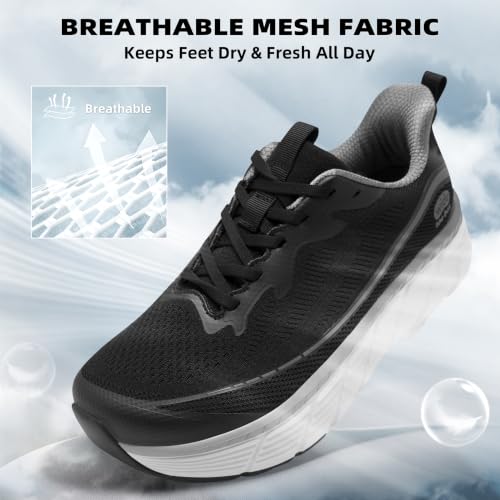
WHITIN Wide Toe Box Walking and Running Shoes
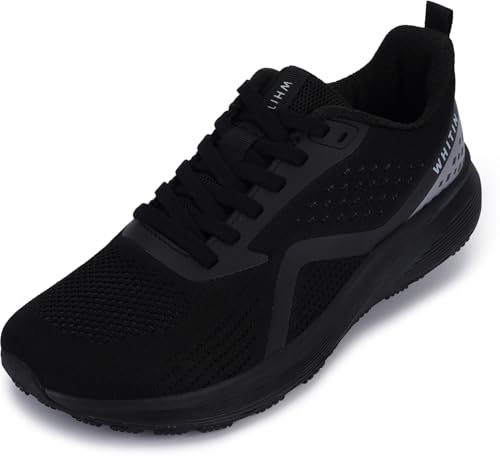
The WHITIN Wide Toe Box shoe takes a foot-shaped approach to fit. Its roomy front gives the toes more space to spread instead of pressing them together. That can feel helpful when swelling, toe pressure, or a tight upper makes normal shoes uncomfortable. The black color also gives it a simple look for daily wear.
This model may suit people who value natural foot movement and a flexible feel. However, a wide toe box does not equal strong shock protection. The low-profile design may feel very different from a thick, cushioned running shoe. If your clinician wants you to limit foot motion or impact, ask before using a minimalist-style shoe during recovery.
Pros:
- Roomy toe box can reduce pressure on crowded toes
- Useful for people who dislike narrow athletic shoes
- Light, flexible feel for casual walking
- Simple black color works with daily clothing
- May allow natural toe movement
- Suitable for buyers who need a wide-feeling front
Cons:
- May not provide enough cushioning for a painful stress fracture
- Flexible construction may not suit people who need firm support
- Minimal-style shoes require a careful transition
- Fit can vary based on foot shape and sock thickness
What Amazon Buyers Are Saying
Buyer feedback for wide-toe shoes commonly centers on toe room, comfort, and the change from narrow standard footwear. Shoppers who have felt cramped in regular shoes often value the extra space. Some buyers also like the light feel for errands and daily walking. As with most wide or minimalist designs, fit opinions can differ when customers expect a traditional cushioned running shoe.
The key lesson is to read recent reviews for your exact size and foot shape. Some people may need time to adjust to the flexible sole. Others may want more padding under the heel and forefoot. Check the current size chart, review photos, and return terms before using this pair for recovery walks.
My Recommendation
I recommend the WHITIN for people whose main problem is toe pressure or a cramped forefoot. I would not choose it as my first option for active running after a stress fracture without medical approval. It can work well as a casual walking shoe for a person who already knows that a low-profile, flexible design feels good. Its value depends on whether roomy fit matters more to you than deep cushioning.
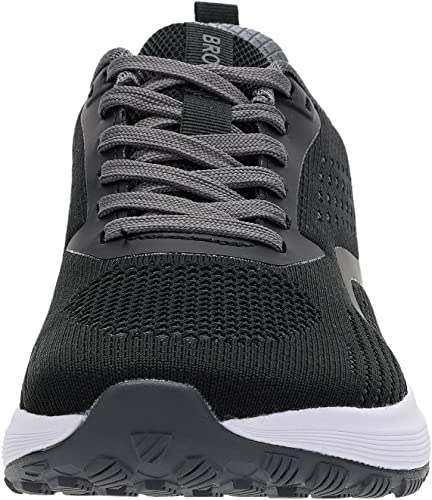
Under Armour Charged Assert 9 Running Shoe
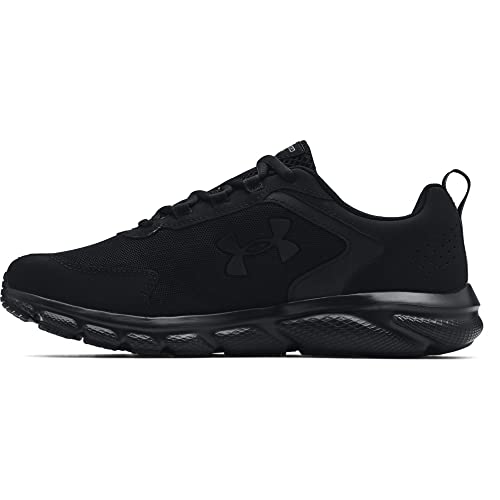
The Under Armour Charged Assert 9 is the most familiar running-shoe choice in this comparison. It uses a traditional athletic shape with a cushioned midsole and a rubber outsole. The upper aims to keep the foot secure while allowing airflow. For many walkers and runners, that familiar structure feels more supportive than a thin, flexible shoe.
I see this model as the strongest all-around pick for easy walking and a later, gradual return to running when a health professional approves it. The cushioning may soften the feel of pavement, but it cannot remove fracture risk. You still need to stop if pain returns, and you should not use a shoe as a reason to run before the bone heals.
Pros:
- Traditional running-shoe design feels familiar to most users
- Cushioned midsole may make hard floors more comfortable
- Secure upper helps hold the foot during walking
- Rubber outsole supports regular daily use
- Good choice for errands, work, and easy walks
- More suitable for a gradual return than a very thin shoe
Cons:
- May feel narrow for wide feet
- Cushioning does not replace medical treatment or rest
- Not every runner will like the heel-to-toe feel
- Exact fit can change between sizes and widths
What Amazon Buyers Are Saying
Amazon buyers often praise the Charged Assert line for its everyday comfort, light feel, and use as a walking or work shoe. Many customers look for a dependable athletic shoe rather than a racing model, and this design fits that role. Buyers also tend to notice the cushioning and the general ease of putting miles on the shoe during normal daily activity.
Common concerns in customer feedback include width, sizing, and long-term wear. A shoe that feels comfortable at first may not fit every foot shape. Some buyers prefer more room in the toe area, while others find the standard shape secure. I suggest checking recent reviews for the exact color and size because Amazon stock can include different versions.
My Recommendation
The Charged Assert 9 is my top pick among these three for shoppers seeking the best running shoes for stress fractures after medical clearance for walking or a gradual return. It offers a more traditional balance of cushioning, structure, and daily versatility. I would still use it only within a planned recovery schedule. If you have a wide foot, compare the fit with a wide-size option or consider the WHITIN instead.
PUMA Tazon 6 Cross Trainer

The PUMA Tazon 6 is a structured cross trainer with a firm, supportive feel. Its design suits gym sessions, casual walking, and daily use more than long-distance road running. The listed wide version may appeal to shoppers who need more room than a standard athletic shoe provides. Its classic shape also gives it a sturdier look than many lightweight running shoes.
This shoe can be useful when you want a stable platform for low-impact activity. Still, firm does not always mean better for a stress fracture. Some users may prefer its controlled feel, while others may find it less forgiving on hard pavement. I would treat it as a walking and gym option, not as a direct substitute for a specialist recovery shoe.
Pros:
- Structured design can feel stable during daily activity
- Wide version may help people who need extra room
- Works well for gym use and casual walking
- Durable-looking build suits regular wear
- Firm platform may appeal to people who dislike soft shoes
- Classic styling makes it easy to wear outside workouts
Cons:
- Heavier and less flexible than many road running shoes
- Firm ride may not feel comfortable over a sore area
- Not my first choice for long-distance running
- Wide labeling does not guarantee the right fit for every foot
What Amazon Buyers Are Saying
Customer feedback on the Tazon 6 often highlights its sturdy feel, appearance, and value for casual use. Buyers who want a shoe for light training or daily wear may like the structured build. The wide option can also attract shoppers who need more space than a narrow fashion sneaker provides. Many comments focus on general comfort rather than medical recovery.
The most useful caution involves weight, firmness, and sizing. Some people enjoy a solid shoe, while others expect a soft running feel and find this model too firm. Buyers should also check whether the selected listing shows the wide version. I would pay close attention to current reviews before ordering if you have swelling or one foot that differs from the other.
My Recommendation
I recommend the PUMA Tazon 6 for low-impact walking, gym work, or daily wear when you prefer a firm and structured shoe. It ranks behind the Under Armour for a gradual return to road running. It may be a good value for people who want a wide option and do not like soft, flexible footwear. Do not choose it solely because it feels sturdy; comfort at the injury site matters most.
How to Choose the Best Running Shoes for Stress Fractures
Choosing the best running shoes for stress fractures takes more care than picking the softest pair on Amazon. A stress fracture is a small crack caused by repeated load. Common sites include the foot and lower leg. Footwear may change comfort and movement, but it does not repair the bone. Guidance from orthopedic and sports medicine groups supports rest, a gradual return, and professional evaluation when pain continues or worsens. Use these points to make a safer buying choice.
1. Match the Shoe to Your Recovery Stage
Your recovery stage should guide your shoe choice. During the painful stage, your clinician may tell you to stop running, use a boot, use crutches, or limit weight on the foot. A running shoe may not be suitable at all. Do not test a new pair by jogging if normal walking still hurts.
When you can walk without pain and receive clearance for more activity, start with short, easy sessions. A traditional cushioned trainer, such as the Under Armour Charged Assert 9, may feel more familiar for this step. A flexible or minimalist shoe can place more demand on the foot and calf. That makes the WHITIN a better match for experienced users who already tolerate that style, not a default recovery choice.
Follow the pain rule. If pain returns during activity or stays worse the next day, stop and contact your clinician. A shoe that feels good for ten minutes does not prove that the bone can handle more load.
2. Check Fit, Toe Space, and Foot Control
Fit matters because a shoe can only protect comfort when it holds your foot well. Your toes should not hit the front. You should have enough room for normal swelling, but your heel should not slide. Try shoes later in the day, when feet may be slightly larger. Wear the socks you plan to use for walking or training.
Measure both feet. Choose the size that fits the larger foot. Look for a secure midfoot and enough width at the ball of the foot. The WHITIN offers the roomiest toe-focused design in this review. The PUMA listing includes a wide version, but you should confirm the selected width before ordering. The Charged Assert 9 has a more standard athletic shape, so it may suit average-width feet best.
Do not confuse a wide toe box with total shoe support. A shoe can give the toes space but still feel too flexible. On the other hand, a firm shoe can feel stable but press on a swollen area. Walk indoors on a clean floor first. Check for hot spots, heel movement, rubbing, and pressure near the painful area.
3. Balance Cushioning, Stability, and Value
Cushioning can make a hard surface feel less harsh, but more cushioning is not always safer. Very soft foam can feel unstable for some people. A firm platform can feel controlled but may transmit more shock. The best running shoes for stress fractures should feel comfortable, stable, and predictable for your specific foot.
Think about where you will use the shoe. For road walking and a later return to light running, the Under Armour offers the most traditional running format in this group. For gym work and casual walking, the PUMA provides a structured cross-trainer style. For roomy toe space and a flexible feel, the WHITIN has a clear advantage, but it needs a more cautious transition.
Also compare the full cost. Check whether the shoe has the correct size and width, whether the seller offers a return window, and whether the outsole suits your normal surface. Replace shoes when the tread wears down, the midsole feels flat, or the upper no longer holds the foot. A low price is not a bargain if the shoe causes pain or cannot support your recovery plan.
Final Verdict: Which Should You Buy?
For most people cleared for walking or a gradual return to running, I would choose the Under Armour Charged Assert 9. The WHITIN suits roomy-fit fans, while the PUMA works best for firm, structured daily use.
The best running shoes for stress fractures cannot heal bone damage. Use professional guidance, increase activity slowly, and stop when pain returns.
FAQs Of best running shoes for stress fractures
Can running shoes heal a stress fracture?
No. Running shoes may improve comfort, but they cannot heal a stress fracture. Rest, medical care, and a gradual return plan support recovery.
Should I run in shoes if I still feel stress fracture pain?
No. Do not run through pain. Stop the activity and ask a qualified clinician for advice, especially if pain continues during walking or worsens after exercise.
Are cushioned shoes best for stress fracture recovery?
Cushioning may reduce the harsh feel of hard surfaces, but the best choice depends on fit, stability, injury location, and your recovery plan.
Is a wide toe box helpful for a stress fracture?
A wide toe box can reduce pressure on the toes and forefoot. It does not replace support or treatment, and it may not suit every foot or injury.
Which shoe in this review is best for a gradual return to running?
The Under Armour Charged Assert 9 is the strongest general option here after medical clearance. Start with short, easy sessions and increase activity only when symptoms remain calm.