Running Shoe Insoles For Pronation: Expert Picks 2026

Running shoe insoles for pronation guide foot motion, add support, and reduce stress.
If your feet roll in too much, you feel it in your knees, hips, or back. I work with runners who fight this cycle every season. In this deep guide, we’ll break down running shoe insoles for pronation, how they work, how to choose them, and how to use them without guesswork. You’ll get clear steps, real examples, and honest limits so you can run easy and stay safe.
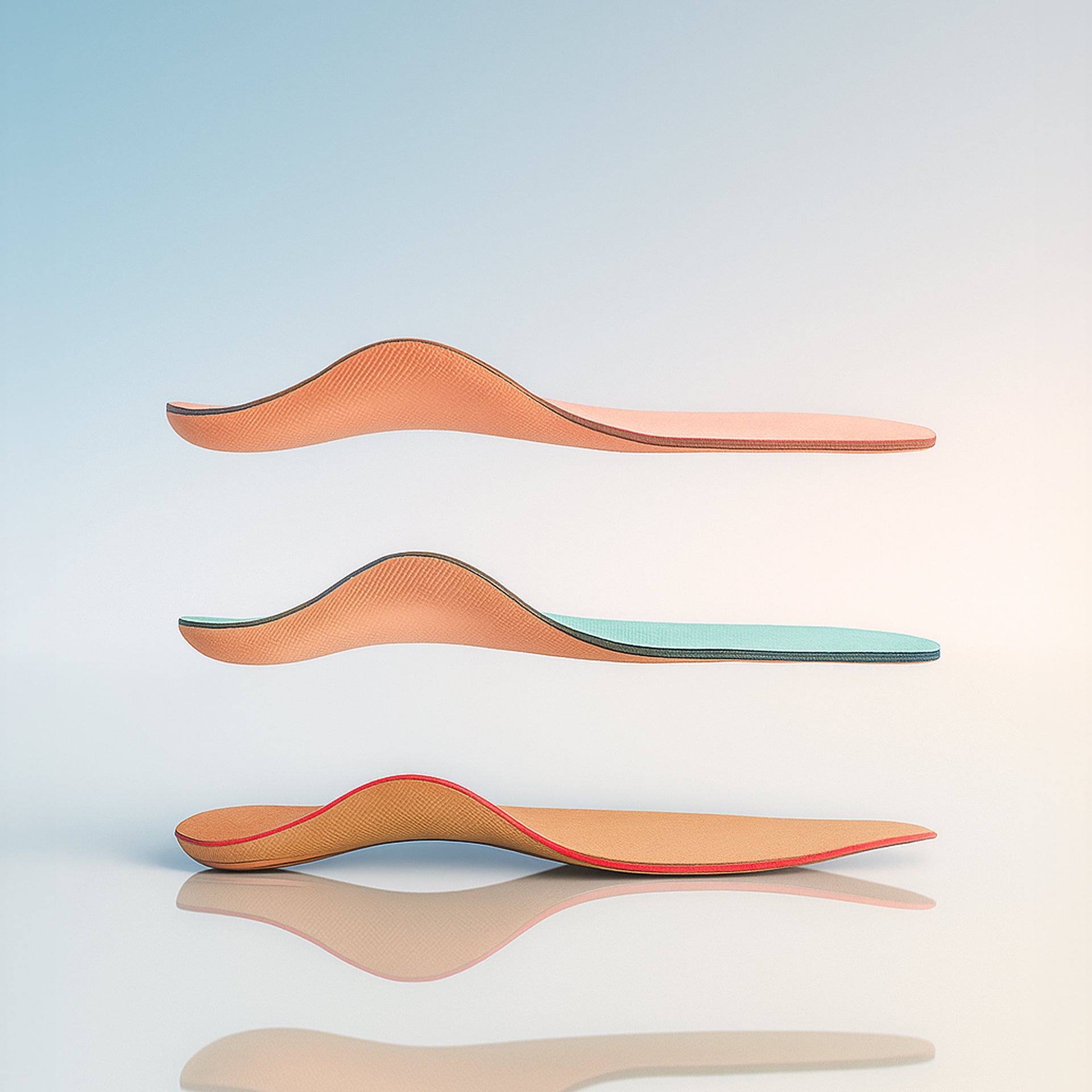
What pronation is and why it matters
Pronation is the way your foot rolls inward as it lands. It helps absorb shock. Overpronation means that roll is too much or too fast. It can stress the arch, ankle, knee, and hip. Underpronation, or supination, is the opposite. That can load the outer edge of the foot.
Here are signs you may overpronate:
- Your shoes wear out on the inside heel or forefoot.
- Your arch looks flat when you stand, but not when you sit.
- Your knees track inward as you jog in place.
Some pronation is normal. It is part of healthy gait. The goal is not zero pronation. The goal is controlled motion that matches your body and training.

How running shoe insoles for pronation work
Running shoe insoles for pronation guide the foot. They support the arch and slow the inward roll. Most do this with a firmer zone on the inner side. This is called medial posting. A deep heel cup can steady the heel bone. That helps the arch line up at landing. Some add forefoot posting to control late-stage roll.
Common design features:
- Medial post or sidewall support to resist collapse.
- Arch profile that matches your foot shape.
- Heel cup depth that centers the calcaneus.
- Materials like EVA, TPU, cork, or carbon for tuned stiffness.
- Top covers that cut friction and manage sweat.
Gait lab studies show posted insoles can reduce peak rearfoot eversion and tibial rotation. That can lower injury risk for some runners. They are not a cure for all pain. They work best as one tool with smart load, strength, and shoe choice.
Limits to know:
- Too much posting can shift stress up the chain.
- Results vary based on foot shape and training load.
- They guide motion; they do not rebuild tissue on their own.

Types of running shoe insoles for pronation
You can group running shoe insoles for pronation by fit and firmness.
By fit level:
- Off-the-shelf insoles fit many feet. They are easy to test and swap.
- Heat-moldable or semi-custom insoles shape to your arch at home or in-store.
- Custom orthotics are made from a cast or scan. They help complex cases.
By firmness:
- Semi-rigid support uses a firm arch shell with some give. Good for most runners.
- Rigid support uses a hard shell. Best for strong overpronation or clinical needs.
- Cushioned support adds comfort but light control. Good for mild pronation.
Material notes:
- EVA is light and easy to trim.
- TPU and carbon hold shape longer.
- Cork blends comfort with structure and breathes well.

How to choose the right insole size and support
Match running shoe insoles for pronation to your foot and training. Start simple. Use what solves your need with the least bulk.
Steps to pick:
- Check your wear pattern and film your stride from behind.
- Note your arch type when sitting and standing.
- Pick an arch height that feels snug, not pokey.
- Choose semi-rigid support for daily runs. Go stiffer only if needed.
- Check shoe volume. High-volume insoles need roomy shoes.
- If you use a stability shoe, start with a softer insole. Avoid stacking max support.
For race shoes and super shoes:
- Choose thin, supportive insoles that fit under the insole board.
- Test at easy pace first. Plates can change how support feels.
If you have pain that lingers, or past stress injuries, ask a clinician for a gait check. It saves time and money.
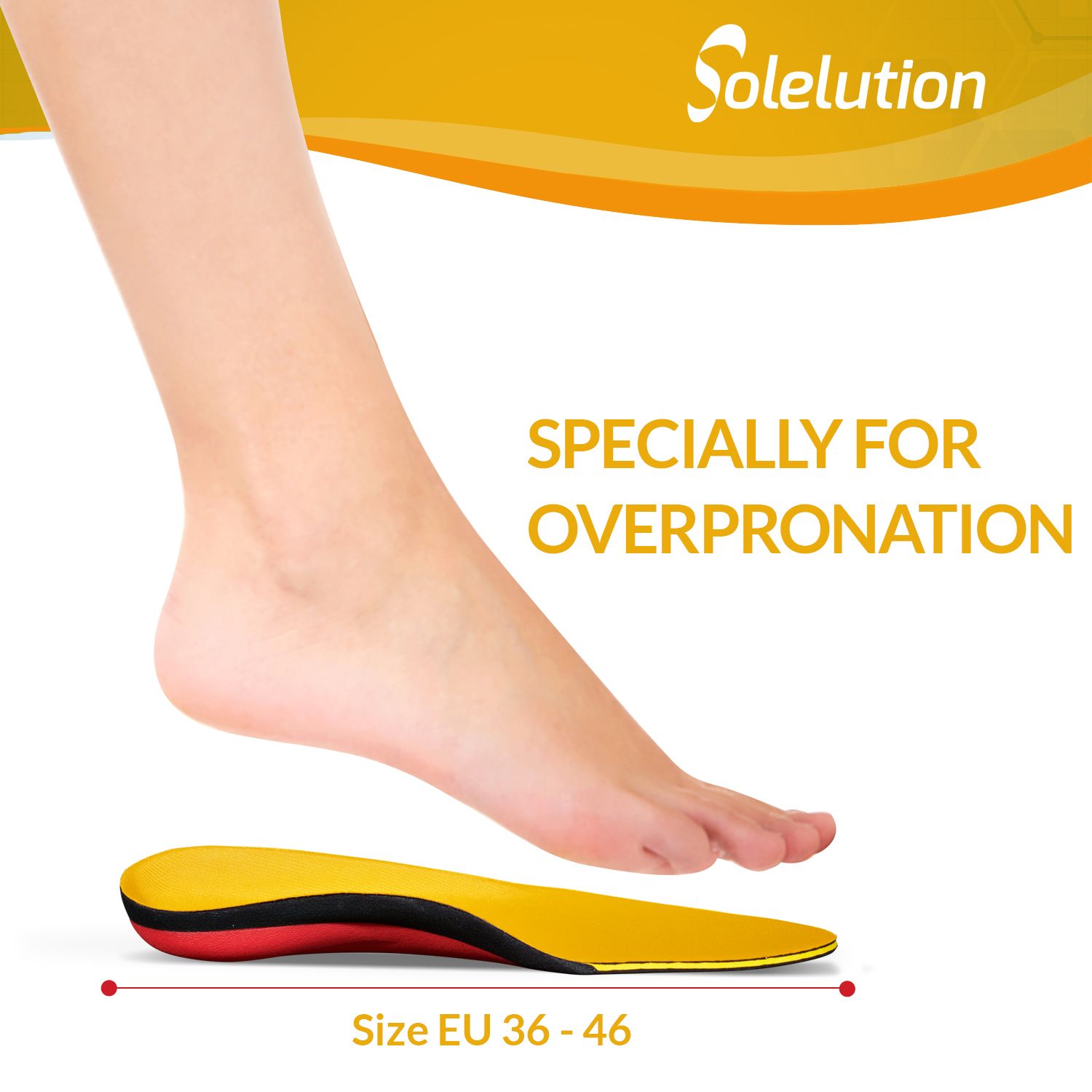
Fitting and installation steps
Follow this simple setup to get the best fit.
- Remove the stock insole from your shoe.
- Place it over the new insole. Trace the toe shape.
- Trim the new insole a little at a time. Test often.
- Seat the heel first. Smooth the forefoot. It should lie flat.
- Try the shoe with your normal run socks.
- Use a heel-lock lacing if your heel slips.
Do a short walk and a 5–10 minute jog. Check for hot spots or pressure. Adjust the trim if needed.

Break-in and adaptation plan
Your foot and lower leg will adapt. Give it time.
- Day 1–2: Walk and easy jog for 10–20 minutes.
- Day 3–5: Add one easy run. Keep pace relaxed.
- Day 6–10: Build to normal time if pain-free.
Mild arch or calf soreness can be normal at first. Sharp pain or numbness is not. If that happens, stop and reassess support level and trim.
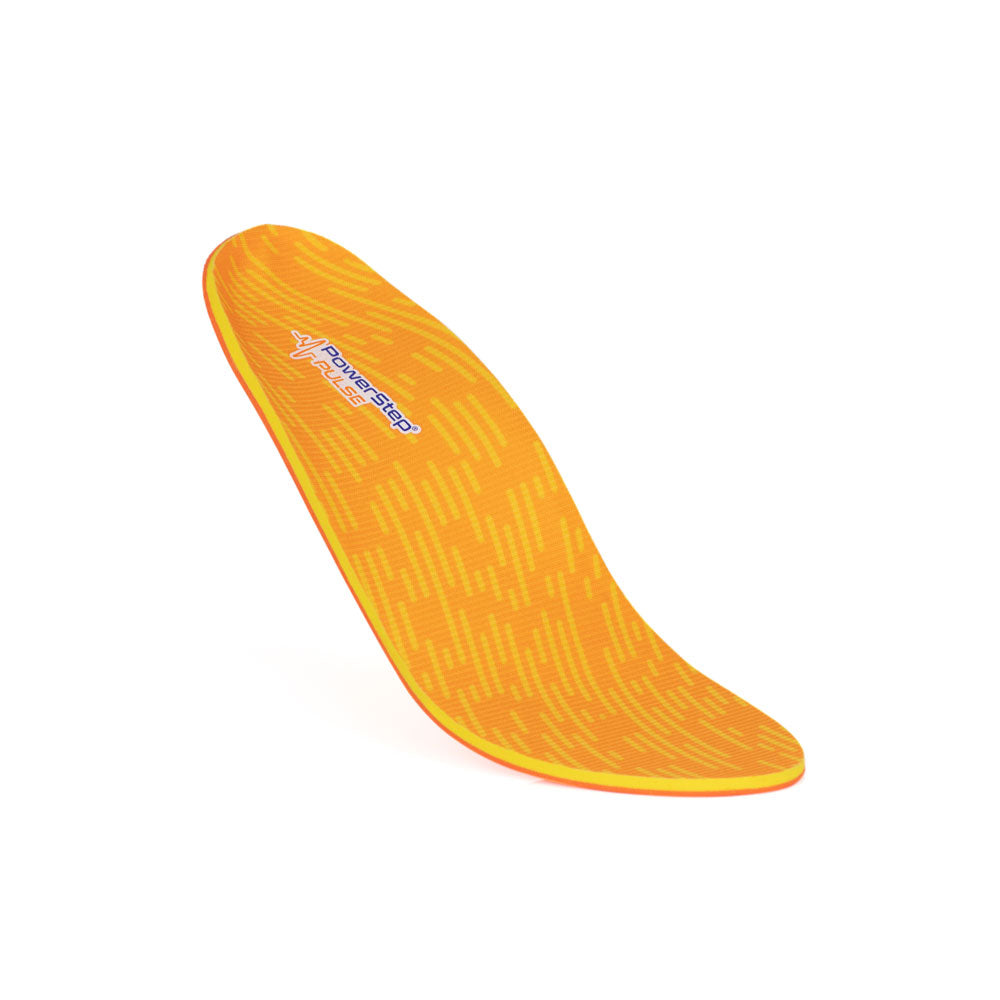
Mistakes to avoid with running shoe insoles for pronation
Keep the process clean and safe.
- Do not jump straight to the stiffest insole.
- Do not stack max stability shoes with max posted insoles unless advised.
- Do not ignore knee or hip pain after the switch.
- Do not cram a thick insole into a low-volume shoe.
- Do not skip the break-in plan.
If you change shoes and insoles at once, you will not know what helped or hurt. Change one thing at a time.

Care and replacement timeline
Running shoe insoles for pronation last a while, but not forever.
- Wipe them after wet runs. Air dry away from heat.
- Hand wash with mild soap as needed.
- Rotate pairs to extend life.
- Replace when the arch sags, the post feels soft, or the top cover peels.
Many runners replace insoles every 300–500 miles, or each shoe cycle. Heavier runners or hot climates may need sooner.
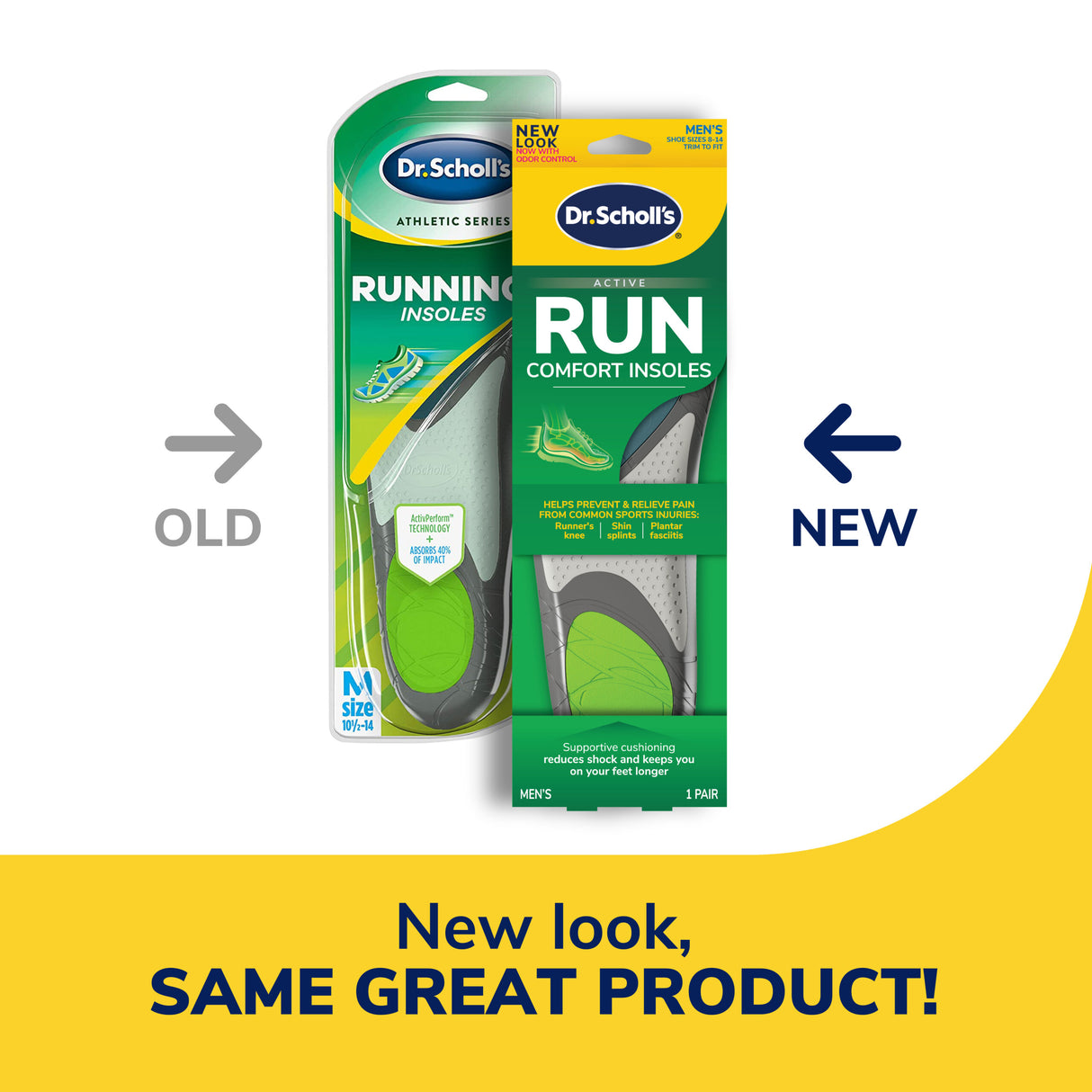
When to see a pro
Call a physical therapist or podiatrist if:
- You have sharp or rising pain with each run.
- You feel numbness, burning, or night pain.
- You have a history of stress fractures or tendon tears.
A pro can run a gait analysis and strength screen. They can spot weakness in the hips or calves. They can also guide custom options if running shoe insoles for pronation are not enough.
Real-world examples and lessons learned
I have fit hundreds of runners with running shoe insoles for pronation. Here are three quick wins and what they teach.
- New marathoner with shin pain. A semi-rigid posted insole plus a small calf routine cut pain in two weeks. Lesson: pair guidance with strength.
- Masters runner with inside knee ache. Moved from rigid to semi-rigid. Ache faded in ten days. Lesson: more support is not always better.
- Trail runner with flat feet. Thin posted insole in a stable trail shoe worked well. Lesson: match insole thickness to shoe volume.
Your story will differ. Track how you feel for two weeks. Let data, not hype, guide your choice.
Myths and facts about pronation and insoles
Let’s clear the air around running shoe insoles for pronation.
- Myth: Pronation is bad. Fact: Pronation is normal. Too much, too fast is the issue.
- Myth: Insoles fix form. Fact: They guide motion. Form also needs strength and load control.
- Myth: Custom is always best. Fact: Many runners do great with off-the-shelf.
- Myth: More posting means fewer injuries. Fact: Over-correction can shift stress upstream.
Use simple tests, short trials, and honest logs. That beats guesswork every time.
Frequently Asked Questions of running shoe insoles for pronation
Do I need insoles or stability shoes?
Both can help. Try one change at a time. Many runners do well with a neutral shoe plus running shoe insoles for pronation that match their arch and volume.
Can insoles cause knee or hip pain?
They can if support is too strong or the fit is off. Start with semi-rigid support and a slow break-in. If pain shows up, step down the support level.
How long does it take to adapt?
Most runners adjust in one to two weeks. Keep runs easy at first. Watch for sharp pain, which means you need a change.
Are custom orthotics worth it?
They help complex cases or long-term issues. Try quality off-the-shelf first. If pain stays, see a clinician for a custom plan.
Can I move insoles between shoes?
Yes, if the trim and volume match. Check that the insole lies flat and the heel does not slip. Test with a short jog.
Do I still need foot and hip exercises?
Yes. Running shoe insoles for pronation guide motion, but strength builds capacity. Do short routines for calves, feet, and hips two to three times a week.
Conclusion
Smart support can calm hot spots and smooth your stride. Start with simple running shoe insoles for pronation, fit them well, and build in slow. Pair them with strength and steady training. Track your runs and let comfort and pace trends guide you.
If you are ready, test a semi-rigid pair on your next easy run. Share what worked for you, or ask a question in the comments.