Does Pickleball Damage Tennis Courts: Uncover the Hidden Truth

No, pickleball does not significantly damage tennis courts. But, it can cause some wear and tear.
Pickleball has gained popularity in recent years. Many tennis players are curious about its impact on tennis courts. Tennis courts are built to withstand intense play, but pickleball is a different game. With its smaller paddles and lighter balls, pickleball might seem harmless.
However, the game can cause minor surface abrasions over time. Understanding the differences between the two sports helps in maintaining court quality. This blog will explore how pickleball affects tennis courts and offer tips for preserving court surfaces. Stay with us to learn more about the interaction between these two sports.

Credit: racketroyalty.com
Introduction To Pickleball And Tennis
Pickleball and tennis are popular racket sports enjoyed worldwide. Both sports have unique rules, equipment, and playing styles. Understanding the basics of each can help appreciate their growing popularity and the impact they have on court usage.
Popularity Of Pickleball
Pickleball has seen a surge in popularity in recent years. It’s a mix of tennis, badminton, and table tennis. The game is played with a paddle and a plastic ball with holes. It can be played both indoors and outdoors, making it versatile. Many find pickleball easier to learn than tennis.
One reason for its popularity is its accessibility. People of all ages can play. The smaller court size means less running, attracting older players. In the U.S., pickleball is one of the fastest-growing sports.
Tennis Court Usage
Tennis has been a beloved sport for decades. It requires a larger court and is played with a racket and a felt-covered rubber ball. Tennis courts are often used for pickleball due to their availability. This dual usage raises concerns about potential damage.
When pickleball is played on a tennis court, lines are often added. These lines can be temporary or permanent. Temporary lines include tape or chalk, which can wear off easily. Permanent lines involve paint, which can affect the court surface.
The type of net used also matters. Pickleball nets are lower than tennis nets. Adjusting the net height frequently can stress the net posts. Regular adjustments might lead to wear and tear over time.
In summary, both sports have unique characteristics. The rising popularity of pickleball and its use of tennis courts bring attention to the potential impact on court surfaces and equipment.

Credit: paklepickleball.com
Pickleball Rules And Equipment
Pickleball is a fun sport enjoyed by many. Knowing the rules and equipment helps maintain the game and ensures the longevity of tennis courts. Let’s explore the key aspects of pickleball rules and equipment.
Pickleball Paddles
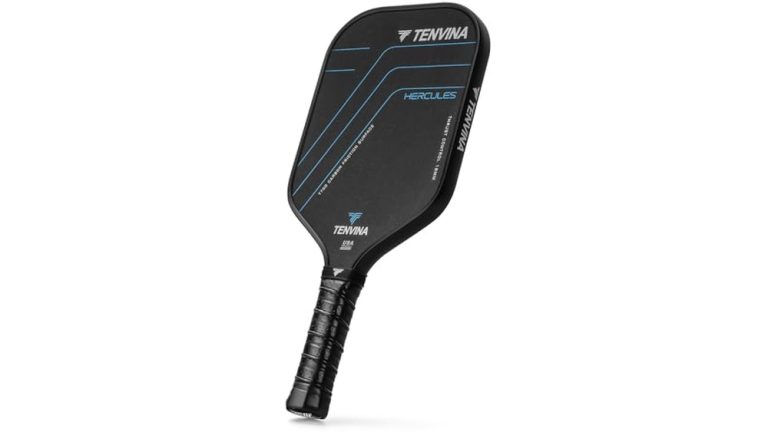
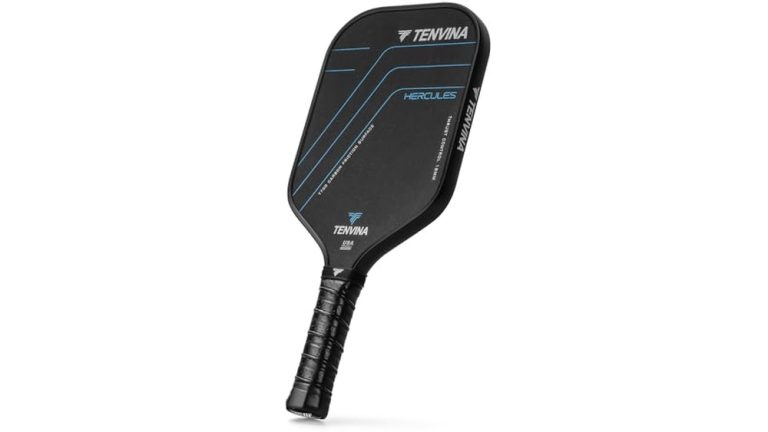
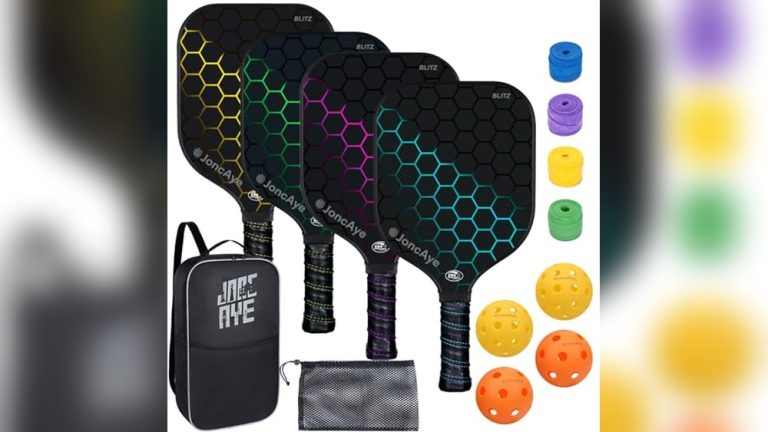
Pickleball paddles are different from tennis rackets. They are solid and made from materials like wood, composite, or graphite. The size of the paddle is smaller than a tennis racket but larger than a ping-pong paddle. The surface is smooth, which reduces the impact on the court surface.
The weight of a pickleball paddle ranges from 6 to 14 ounces. Lighter paddles are easier to control and better for beginners. Heavier paddles give more power but can be harder to handle. Choosing the right paddle helps improve your game and protects the court.
Pickleball Balls
Pickleball balls are lightweight and made of plastic. They are perforated with holes, which reduces their speed. The balls weigh between 0.8 to 1 ounce and have a diameter of about 2.87 inches. The design of the ball causes less wear and tear on the court compared to tennis balls.
Indoor and outdoor pickleball balls differ slightly. Indoor balls have fewer holes and a smoother surface, while outdoor balls have more holes and a rougher surface. The choice of the ball affects gameplay and court preservation.
| Equipment | Material | Weight | Impact on Court |
|---|---|---|---|
| Pickleball Paddle | Wood, Composite, Graphite | 6-14 ounces | Minimal |
| Pickleball Ball | Plastic | 0.8-1 ounce | Minimal |
Understanding the rules and equipment of pickleball helps maintain tennis courts. It ensures a fun and fair game for all players.
Tennis Court Construction
Tennis courts are built for durability and performance. They must meet specific standards to provide the best playing experience. These courts are designed to withstand various weather conditions and frequent use. Proper construction ensures the court surface remains flat and even, minimizing injury risks. Understanding tennis court construction is key to knowing how pickleball might affect these surfaces.
Court Surfaces
Tennis courts are typically made from hard materials like asphalt or concrete. Some courts use clay or grass, but they are less common. Hard courts are popular due to their low maintenance and long lifespan. These surfaces are designed to absorb impact and provide a consistent bounce. They are also sealed to resist water and prevent cracks.
Pickleball uses a smaller, lighter ball than tennis. This puts less strain on the court surface. However, pickleball paddles can cause scuff marks. Frequent pickleball play can wear down the surface faster, especially on hard courts. Clay and grass courts are more vulnerable to damage from pickleball play.
Court Markings
Tennis courts have specific markings for boundary lines and service boxes. These lines must be clear and precise for official play. The paint used for these lines is durable but can wear off over time. Pickleball requires additional lines that overlap with tennis markings. This can lead to confusion and wear on the court surface.
Using tape for pickleball lines is a temporary solution. Tape can peel off and leave residue on the court. Painting permanent pickleball lines can damage the tennis court surface. It can also affect the visibility of the original tennis lines. Regular maintenance is needed to keep both sets of lines clear and visible.

Credit: www.theskilledpickle.com
Impact Of Pickleball On Court Surfaces
Pickleball, a fast-growing sport, often shares court space with tennis. This raises questions about the impact of pickleball on court surfaces. Many wonder if pickleball causes significant damage to tennis courts. Let’s explore how pickleball affects court surfaces.
Wear And Tear
Pickleball involves quick, sharp movements. Players often pivot and stop suddenly. These actions can wear down the court surface. Frequent use of the same areas leads to noticeable wear. The surface may become rough over time.
Pickleball paddles and balls are lighter than tennis equipment. They cause less impact on the court. Yet, the continuous play and repetitive actions still contribute to surface wear. Proper maintenance can help manage this wear and tear.
Surface Durability
Court surfaces vary in durability. Some handle pickleball better than others. Hard courts are more resistant to damage. They endure the repetitive impact of pickleball play well. On the other hand, soft surfaces may show wear more quickly.
Regular inspections and maintenance are crucial. They ensure the court surface remains in good condition. Repairing small issues promptly prevents larger problems later. This maintenance extends the life of the court surface.
Comparing Pickleball And Tennis Court Usage
Pickleball and tennis are both popular racquet sports. They share many similarities but also have distinct differences. Understanding how each sport impacts court surfaces can help players and facility managers make informed decisions.
Frequency Of Use
Pickleball games are often shorter than tennis matches. This leads to more frequent use of the courts. Players may rotate on and off the court more frequently. This constant activity can lead to wear and tear.
Tennis matches tend to be longer. The court sees less turnover of players. This can mean less overall usage compared to pickleball. The reduced frequency of use might help preserve the court’s condition for a longer period.
Intensity Of Play
Pickleball involves quick movements and rapid changes in direction. This intense activity can cause scuff marks and surface wear. The paddles and balls used in pickleball are also different. They may affect the court surface differently than tennis equipment.
Tennis also involves fast movements. However, the larger court size spreads out the wear and tear. The impact on the surface may be less concentrated. The balls used in tennis are designed to minimize damage to court surfaces.
Maintenance Requirements
Pickleball and tennis are both enjoyable sports. But do pickleball games damage tennis courts? To understand, we must look at the maintenance requirements. These include routine maintenance and repair costs. Knowing these helps in keeping the courts in top condition.
Routine Maintenance
Tennis courts need regular care. This involves cleaning the surface. Removing debris like leaves and dirt is important. Regular checks for cracks or damage are also essential. Proper maintenance ensures a safe playing area. It also prolongs the court’s lifespan.
Pickleball courts need similar care. The smaller court size makes cleaning easier. But the frequent use of paddles and balls can cause wear. Regular inspections help catch early damage. This way, small issues don’t turn into big problems.
Repair Costs
Repairing tennis courts can be costly. Fixing cracks and resurfacing are common repairs. These repairs can add up over time. The average cost for resurfacing is between $4,000 and $8,000. Larger cracks may need professional repair, which costs more.
Pickleball courts, being smaller, may have lower repair costs. But frequent use can still lead to wear and tear. Lines may need repainting more often. The net posts and surface can wear out. Regular maintenance can keep repair costs down.
Community And Recreational Considerations
Pickleball is a fast-growing sport, and many communities are looking for new ways to accommodate both pickleball and tennis players. This creates unique considerations for shared recreational spaces. Understanding how to manage these shared spaces and potential scheduling conflicts is crucial for maintaining harmony within the community.
Shared Spaces
Many communities share tennis courts for both tennis and pickleball. This can lead to wear and tear on the courts. Pickleball uses a smaller area of the court, but the high-impact play can cause surface damage. Tennis courts are designed for tennis, so the different ball bounce and player movement in pickleball might affect the court’s condition.
To manage this, some communities use temporary lines for pickleball. These lines can be taped or painted on the court. Taped lines are less permanent but need regular maintenance. Painted lines are more durable but can cause confusion for tennis players. It’s essential to balance the needs of both sports to keep everyone happy.
Scheduling Conflicts
Another major issue is scheduling conflicts. Tennis players and pickleball players may want to use the courts at the same time. This can lead to disputes and frustration. To avoid conflicts, communities can create a schedule for court use. This schedule should be clearly posted and easy to access. It can be divided into time slots for each sport. For example:
| Time Slot | Sport |
|---|---|
| 8 AM – 10 AM | Tennis |
| 10 AM – 12 PM | Pickleball |
| 12 PM – 2 PM | Tennis |
| 2 PM – 4 PM | Pickleball |
By setting clear schedules, the community can reduce conflicts. It’s also helpful to have a booking system. This allows players to reserve court time in advance. Keeping everyone informed and engaged helps maintain a positive atmosphere.
Solutions And Recommendations
Pickleball can cause minor scuffs to tennis courts. Using removable tape for lines helps reduce potential damage. Regular maintenance of the court surface ensures longevity.
Pickleball is gaining popularity. This rise brings concerns about its impact on tennis courts. Repeated pickleball play can cause wear and tear. But, there are solutions. Here are some recommendations to protect and maintain tennis courts.Dedicated Pickleball Courts
Creating dedicated pickleball courts can help. These courts are designed for the sport. They reduce the strain on tennis courts. Many communities are building them. It separates the play areas. Tennis players and pickleball players get their own space. This reduces conflicts and extends the lifespan of tennis courts.Protective Measures
Protective measures can also help. Using temporary pickleball nets is one way. These nets are easy to set up. They cause less damage to the court surface. Another measure is using softer balls. These balls create less impact. They protect the surface from wear. Lastly, regular maintenance is key. Filling cracks and repainting lines can prevent damage. Proper care keeps courts in good condition.Frequently Asked Questions
Does Pickleball Cause Damage To Tennis Courts?
Pickleball can cause slight wear on tennis courts due to different equipment and usage patterns. However, the damage is usually minimal and manageable with proper maintenance.
Can Pickleball And Tennis Share The Same Court?
Yes, pickleball and tennis can share the same court. Many facilities use temporary lines or portable nets to accommodate both sports.
How To Prevent Damage From Pickleball?
To prevent damage, use non-marking shoes and appropriate balls. Regular court maintenance and prompt repairs also help maintain court quality.
Are Tennis Courts Suitable For Pickleball?
Tennis courts are suitable for pickleball with some adjustments. Adding pickleball lines and using portable nets can make the court versatile.
Conclusion
Pickleball and tennis can share courts with care. Use proper equipment. Follow guidelines. Maintain the court regularly. This way, both sports can coexist. Respect the surface. Avoid damage. Enjoy your game. Keep the community happy. Balance is key. Protect the courts for future play.