What is the Dimension of a Pickleball Court: Ultimate Guide

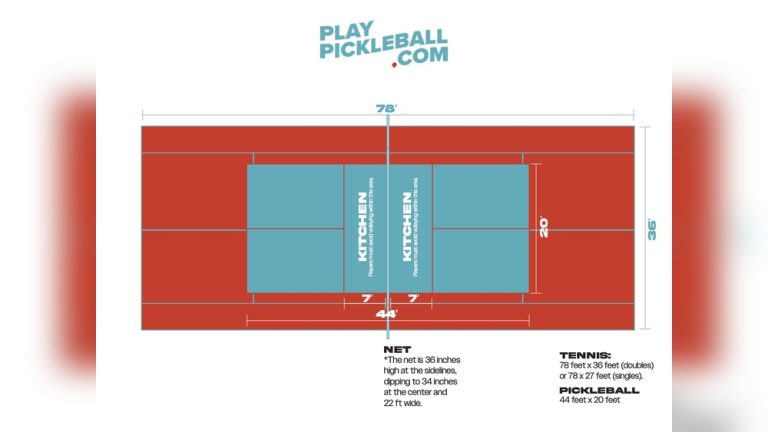
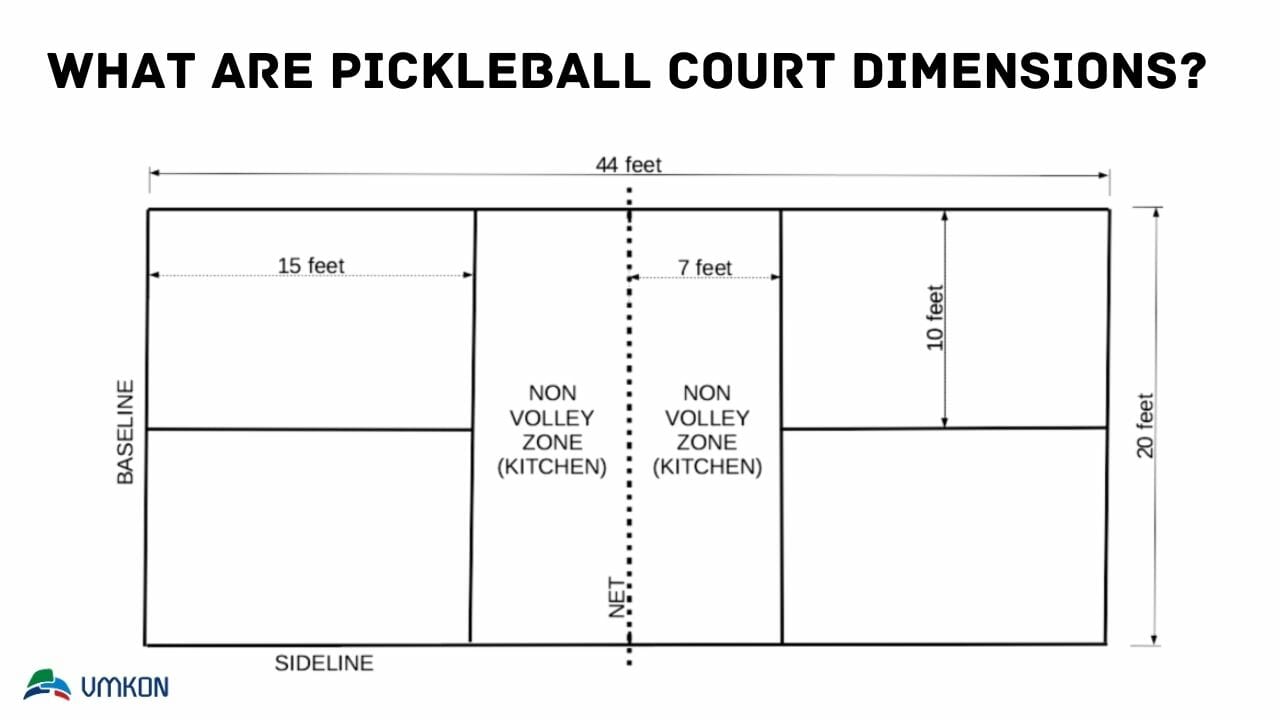
A pickleball court measures 20 feet by 44 feet. This standard size applies to both singles and doubles play.
Pickleball, a sport that blends elements of tennis, badminton, and ping-pong, is growing in popularity. Understanding the dimensions of a pickleball court is essential for players and enthusiasts. Whether you are setting up a court at home or joining a community game, knowing the exact size helps ensure a fair and enjoyable experience.
This blog post will delve into the specific measurements and layout of a pickleball court. We will discuss why these dimensions matter and how they contribute to the game’s unique dynamics. So, let’s explore the details of a pickleball court and enhance your understanding of this exciting sport.
Credit: vmkonsport.com
Introduction To Pickleball Court Dimensions
Pickleball, one of the fastest-growing sports in America, offers fun and fitness for all ages. Understanding the dimensions of a pickleball court is crucial for players and organizers.
Brief History Of Pickleball
Pickleball was invented in 1965 by three dads trying to entertain their kids during the summer. It combines elements of tennis, badminton, and ping-pong. The sport has grown rapidly, gaining popularity across the United States and beyond.
Importance Of Court Dimensions
The standard dimensions of a pickleball court are essential for fair play. A regulation court is 20 feet wide and 44 feet long. These dimensions include both singles and doubles play.
Maintaining these dimensions ensures consistency and fairness in the game. It also helps players develop and refine their skills properly.
| Measurement | Dimension |
|---|---|
| Width | 20 feet |
| Length | 44 feet |
| Non-volley zone (kitchen) | 7 feet from the net |
| Net height | 36 inches at the sidelines, 34 inches at the center |
The non-volley zone, also known as the kitchen, is a critical part of the court. It extends 7 feet from the net on both sides. Players cannot volley while standing in this area, ensuring more strategic play.
The net height is 36 inches at the sidelines and 34 inches at the center. This slight dip in the middle facilitates a more dynamic game.
Following these precise measurements helps in maintaining the integrity of the sport. It also helps in organizing official tournaments and matches.
Understanding and implementing these dimensions is vital for anyone involved in pickleball. It ensures a level playing field for all participants.
Standard Court Dimensions
Understanding the dimensions of a pickleball court is crucial for both players and organizers. The court size and net placement are standardized to ensure fair play and consistency. Below, we break down the standard dimensions for a pickleball court.
Overall Court Size
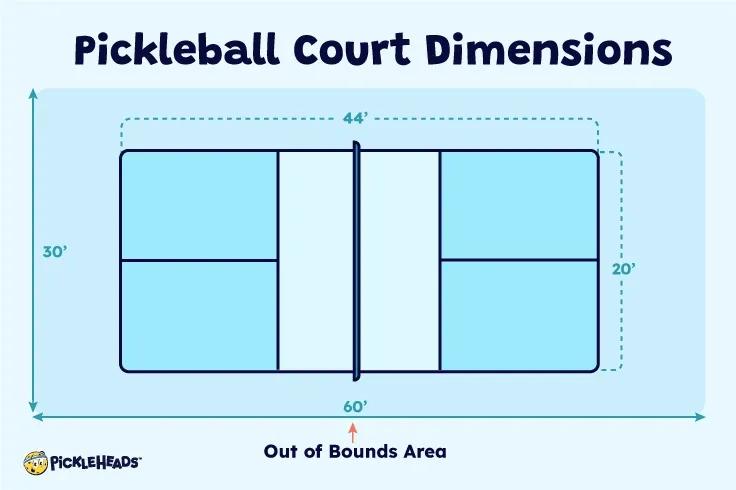
The standard size of a pickleball court is 20 feet wide and 44 feet long. This includes both singles and doubles play.
For easy reference, here is a table summarizing the key dimensions:
| Dimension | Size (in feet) |
|---|---|
| Width | 20 |
| Length | 44 |
The court is divided into two equal halves. Each half measures 22 feet long from the net to the baseline.
Net Height And Placement
The net is 36 inches high at the sidelines and 34 inches high at the center. This slight dip in the middle helps players see the ball better and aim their shots.
The net spans the entire width of the court, stretching from one sideline to the other.
The net is placed at the center of the court, dividing it into two equal halves.
Here is a quick list of net height details:
- Sideline height: 36 inches
- Center height: 34 inches
Ensuring these dimensions are met guarantees a proper game setup.
Court Markings And Lines
Understanding the court markings and lines is crucial for any pickleball player. These lines define the play area and ensure fair play. The markings are similar to other racket sports but have unique elements specific to pickleball. Let’s dive into the essential lines and markings on a pickleball court.
Baseline And Sidelines
The baseline is the line at the back of the court. It runs parallel to the net and marks the boundary for serving. Players must stand behind the baseline when serving.
The sidelines run perpendicular to the net, marking the court’s width. These lines help determine if a ball is in or out of bounds. The sidelines extend from the baseline to the net.
| Line | Position | Function |
|---|---|---|
| Baseline | Back of the court | Boundary for serving |
| Sidelines | Perpendicular to the net | Marks court’s width |
Non-volley Zone
The non-volley zone is a crucial area in pickleball. It is also known as the “kitchen.” This zone extends 7 feet from the net on both sides. Players cannot volley the ball within this area.
The non-volley zone has specific rules. Players can enter this zone to hit a ball that has bounced. But they must exit before hitting a volley.
- Extends 7 feet from the net
- Known as the “kitchen”
- Prohibits volleys
Understanding these court markings and lines is essential. It ensures you play correctly and fairly. Familiarize yourself with these elements for a better game experience.
Indoor Vs. Outdoor Courts
Indoor and outdoor pickleball courts have different features. These differences can affect your game experience. Understanding these differences can help you choose the best court for your needs.
Surface Materials
Indoor courts usually have smooth surfaces. Wood or synthetic materials are common choices. These surfaces provide a consistent bounce. They also reduce the risk of injury.
Outdoor courts often use concrete or asphalt. These materials are durable and weather-resistant. They can handle heavy use and harsh conditions. However, the bounce may not be as consistent.
Environmental Considerations
Indoor courts offer controlled environments. Temperature and lighting are stable. This makes for a predictable playing experience.
Outdoor courts face environmental challenges. Weather can affect play. Wind, rain, and sun can change how the game feels. The surface can also heat up in the sun, making it less comfortable.
Adjustments For Different Skill Levels
Adjustments for different skill levels ensure everyone can enjoy pickleball. Beginners often start with smaller courts, while advanced players use standard 20×44 feet courts. This flexibility helps accommodate varying abilities.
Pickleball is a fun and fast-growing sport. It is played by people of all ages and skill levels. Knowing the dimension of a pickleball court is key. This ensures a fair and enjoyable game. Different skill levels may require adjustments to the court. Let’s explore how this works.Beginners And Casual Play
Beginners need a simple setup. A standard pickleball court measures 20 feet by 44 feet. This size is perfect for learning. It is not too big or too small. For casual play, you can use a driveway or a backyard. Just mark the lines with tape or chalk. Lower the net a bit. This makes it easier for new players to hit the ball over.Professional And Tournament Standards
Professionals play on courts that follow strict rules. The court size remains the same: 20 feet by 44 feet. The net height should be 36 inches at the sidelines and 34 inches in the middle. The lines must be clear and precise. The playing surface should be smooth. This ensures fair play. Any deviations can impact the game. These standards help keep the game consistent and competitive. “`Court Setup And Maintenance
Setting up and maintaining a pickleball court ensures a great playing experience. A well-maintained court provides safety and enhances the game’s enjoyment. This section covers everything you need to know about court setup and regular maintenance.
Equipment Needed
To set up a pickleball court, you need specific equipment. First, get a net system. The net should be 22 feet wide and 36 inches high at the sidelines. You also need boundary lines. Use tape or paint to mark the court’s edges. Pickleball paddles and balls are essential. Have a few extras on hand.
Regular Maintenance Tips
Maintaining a pickleball court requires consistency. Sweep the court often. Remove debris to prevent accidents. Check the net height regularly. Ensure it stays at the correct height. Inspect the boundary lines. Make sure they remain visible and intact. Resurface the court as needed. A smooth surface prevents tripping and falls.
Check for any cracks or damages. Fix them immediately. Proper lighting is crucial for evening games. Ensure all lights function well. Regular maintenance prolongs the court’s life. It keeps the game safe and enjoyable for everyone.
Diy Court Creation
Creating your own pickleball court can be a fun project. It also allows you to play anytime. A DIY court can save money and provide endless entertainment.
Choosing The Right Location
First, find a flat area for your pickleball court. Your backyard or driveway can be ideal. Make sure the space is at least 20 feet by 44 feet. This is the official court size. Check for any slopes or obstacles. These can affect play.
Step-by-step Setup Guide
Once you have the location, mark the court dimensions. Use chalk or tape to outline a 20 by 44-foot area. Next, measure and mark the kitchen area. This is a 7-foot space on both sides of the net. After that, measure the service courts. Each side has two 10-foot by 15-foot rectangles.
Now, install a portable net at the center. The net should be 34 inches high at the center. Ensure it is secure and level. If you prefer a more permanent setup, consider a fixed net system.
Paint the lines using outdoor paint. Make sure to use bright colors for visibility. Allow the paint to dry completely before use. Finally, gather your paddles and balls. Your DIY pickleball court is ready for action!
Credit: www.pickleheads.com
Common Mistakes To Avoid
Setting up a pickleball court involves more than just marking the lines. Many common mistakes can occur, which can affect the game. Understanding these mistakes can help you create a perfect court.
Incorrect Measurements
One common mistake is incorrect measurements. The standard pickleball court is 20 feet wide and 44 feet long. Ensure these measurements are exact. Small errors can impact gameplay. Always double-check your measurements. Use a reliable measuring tape. Mark the boundaries clearly.
Ignoring Maintenance
Another mistake is ignoring maintenance. Regular upkeep is crucial. A well-maintained court enhances play. Check for cracks and debris. Sweep the surface clean often. Maintain the net at the right height. Regularly check for wear and tear. Fix issues promptly to ensure a smooth game.

Credit: syntheticsportsgroup.com.au
Frequently Asked Questions
What Is The Standard Size Of A Pickleball Court?
A standard pickleball court measures 20 feet wide by 44 feet long. This size is suitable for both singles and doubles play.
How Big Is A Pickleball Court Compared To A Tennis Court?
A pickleball court is much smaller than a tennis court. It is approximately one-third the size of a tennis court.
What Are The Dimensions Of The Non-volley Zone?
The non-volley zone, also called the kitchen, is 7 feet from the net on both sides.
How High Should The Pickleball Net Be?
The pickleball net should be 36 inches high at the sidelines and 34 inches high at the center.
Conclusion
Understanding the dimensions of a pickleball court is crucial for players. It helps in proper game setup and fair play. A standard court measures 20 feet wide and 44 feet long. These dimensions are consistent for both singles and doubles play.
Knowing this ensures you play on a correctly sized court. This knowledge enhances your overall game experience. So, next time you play, remember these dimensions. Enjoy your pickleball game!