How Many Holes in a Pickleball: Uncover the Surprising Details

A pickleball has 26 to 40 holes. The number of holes can vary based on the type of pickleball used.
Pickleball is a fast-growing sport loved by many. Players often ask about the holes in a pickleball. These holes impact how the ball flies and moves. Different balls have different hole counts, each designed for specific conditions. Indoor and outdoor pickleballs are not the same.
Understanding the holes can help you choose the best ball. In this post, we’ll explore the details behind the holes in a pickleball. You will learn why the number of holes matters and how it affects your game. Stay with us to become a pickleball pro!
Introduction To Pickleball
Pickleball is an exciting sport that combines elements of tennis, badminton, and ping pong. It’s played both indoors and outdoors. The game is easy to learn and fun for all ages. But what makes pickleball unique? Let’s dive into its history and growing popularity.
A Brief History
Pickleball began in the summer of 1965. Joel Pritchard, a congressman, and Bill Bell, a businessman, wanted to entertain their families. They created a new game using a badminton court, a perforated plastic ball, and makeshift paddles. Over time, the game evolved. Paddles became more specialized. The rules were refined. Pickleball started to gain traction beyond their backyard.
The Popularity Surge
In recent years, pickleball has seen a rapid increase in popularity. Many factors contribute to this surge. The game is accessible to people of all ages and skill levels. It doesn’t require expensive equipment or a large space. Community centers and parks are adding pickleball courts. This helps spread the game even more. Celebrities and public figures have also embraced pickleball. Their endorsement has further fueled interest in the sport.

Credit: pickleballunion.com
Anatomy Of A Pickleball
The anatomy of a pickleball is quite fascinating. Understanding its structure helps players improve their game. A pickleball may look simple, but it has specific features that make it unique. Let’s explore the materials used and design features of a pickleball.
Materials Used
Pickleballs are made from durable plastic. This plastic ensures the ball can withstand repeated hits. The plastic is lightweight, helping the ball to float in the air. High-quality plastic also ensures the ball lasts longer. Manufacturers use different types of plastic. Some are softer, while others are harder. The choice of plastic affects the ball’s performance and feel.
Design Features
Pickleballs have a unique design. They typically have 26 to 40 holes. These holes help the ball travel straight. They also reduce the ball’s wind resistance. This design feature is crucial for outdoor play. The number and size of holes can vary. Each variation affects the ball’s speed and spin. The surface of the ball is smooth. This helps it glide easily on the court. The color of the ball is usually bright. Common colors are yellow, green, and orange. Bright colors make the ball easy to see during play. The ball’s diameter is about 2.87 to 2.97 inches. Its weight ranges from 0.78 to 0.935 ounces.
The Role Of Holes In Pickleball
Pickleball is a fun and fast-paced game. But have you ever wondered about the holes in a pickleball? These small holes play a big role in how the game is played. Understanding their importance can help you play better.
Why Holes Are Important
Pickleballs have holes to create drag. This slows the ball down, making it easier to control. The holes also help the ball to fly straight. Without them, the ball would be too fast and hard to predict.
Another reason is that holes affect the ball’s bounce. A ball with holes has a softer bounce. This makes it easier to hit and control. The number of holes can also affect the bounce. A ball with more holes has a softer bounce.
Impact On Game Performance
The holes in a pickleball can change the game’s performance. A ball with more holes is slower and easier to control. This can be good for beginners. A ball with fewer holes is faster and harder to control. This can be good for advanced players.
The size of the holes also affects the game. Larger holes create more drag and a slower ball. Smaller holes create less drag and a faster ball. The weight of the ball is also important. A heavier ball with holes is easier to control than a lighter ball.
| Number of Holes | Effect on Game |
|---|---|
| More Holes | Slower, easier to control |
| Fewer Holes | Faster, harder to control |
Remember, choosing the right pickleball can make a big difference. Consider the number and size of holes. This can help you improve your game and have more fun.

Credit: www.networldsports.com
Standard Hole Count
Understanding the standard hole count in a pickleball is essential for players. This detail impacts the ball’s performance. It also affects how the game feels and plays.
Official Regulations
The Official Pickleball Rulebook specifies the hole count for pickleballs. According to the rules, each pickleball must have 26 to 40 holes. These holes are evenly spaced around the ball. They ensure consistent and predictable flight during play.
Variation In Different Brands
Different brands may offer pickleballs with varying hole counts. Here is a table highlighting some popular brands and their hole counts:
| Brand | Hole Count |
|---|---|
| Onix | 40 |
| Dura | 40 |
| Franklin | 26 |
Each brand’s design offers unique advantages. For example:
- Onix and Dura balls with 40 holes are often used in outdoor games. They perform well in windy conditions.
- Franklin balls with 26 holes are usually preferred for indoor play. They are more suited to controlled environments.
Players often choose based on their playing environment. Knowing the hole count helps in selecting the right ball for a consistent game experience.
How Hole Number Affects Play
Pickleball, with its unique paddle and ball, has taken the world by storm. A key factor influencing play is the number of holes in the ball. These holes impact how the ball moves and responds to hits.
Flight Characteristics
Holes in a pickleball affect its flight characteristics. Balls with fewer holes tend to travel faster. They face less air resistance. This makes the game quicker and more challenging.
On the other hand, balls with more holes are slower. They face more air resistance. This can make the game easier for beginners. They get more time to react and adjust their shots.
Spin And Control
The number of holes also affects the ball’s spin and control. Balls with fewer holes allow for more spin. This gives advanced players better control over their shots.
Balls with more holes offer less spin. This makes them easier to control for beginners. They can focus on their technique without worrying about spin.
Here is a quick comparison:
| Holes | Flight Speed | Spin | Control |
|---|---|---|---|
| Fewer | Faster | More | Less |
| More | Slower | Less | More |
Understanding these differences can help you choose the right ball. Whether you are a beginner or an advanced player, the right ball can enhance your game.

Credit: issuu.com
Comparing Indoor And Outdoor Balls
Pickleball is a fast-growing sport enjoyed by many. One of the key aspects is choosing the right ball. Indoor and outdoor balls have different designs and performances. Knowing these differences can help you pick the right ball for your game.
Differences In Design
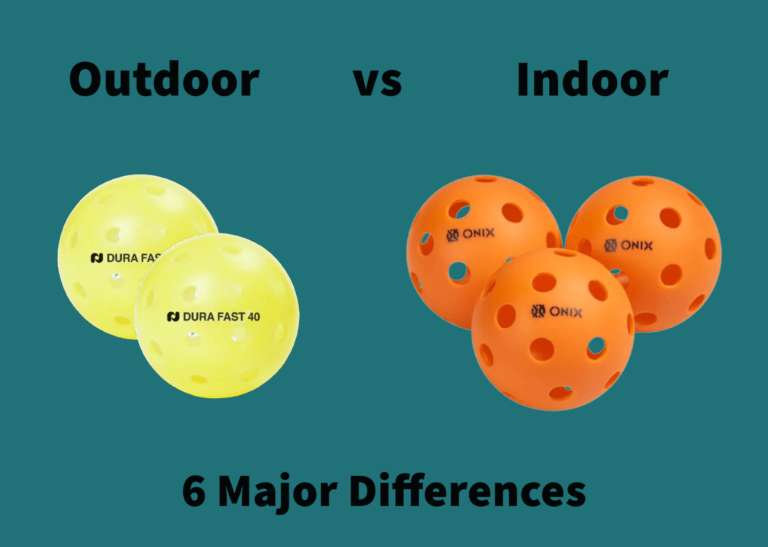
Indoor and outdoor pickleball balls have distinct designs. Indoor balls usually have larger, fewer holes. They typically have 26 holes. These holes help the ball move slower and provide better control.
Outdoor balls are designed differently. They usually have smaller, more numerous holes. Often, they have 40 holes. This design helps them withstand wind and other outdoor elements.
| Ball Type | Number of Holes | Hole Size |
|---|---|---|
| Indoor | 26 | Larger |
| Outdoor | 40 | Smaller |
Performance In Various Conditions
The performance of pickleball balls varies based on their design. Indoor balls are softer and have a smoother surface. This makes them easier to control in an indoor environment. They are also quieter, which is ideal for indoor play.
Outdoor balls are harder and have a rougher surface. This allows them to perform well on rougher outdoor courts. They are also heavier, which helps them resist wind and stay on course.
Choosing the right ball can enhance your game. The key is to understand the differences and select the ball that suits your playing environment.
Choosing The Right Pickleball
Pickleball is a growing sport enjoyed by many. Picking the right pickleball can improve your game. The number of holes in the ball is crucial. This guide will help you understand how to choose the best pickleball.
Factors To Consider
Several factors affect your choice of pickleball. These include indoor or outdoor play, ball weight, and hole count.
| Factor | Details |
|---|---|
| Indoor or Outdoor | Indoor balls have fewer, larger holes. Outdoor balls have more, smaller holes. |
| Ball Weight | Heavier balls are better for outdoor play. Lighter balls are ideal for indoor use. |
| Hole Count | Indoor balls usually have 26 holes. Outdoor balls often have 40 holes. |
Recommended Brands
Several brands produce quality pickleballs. Here are some top recommendations:
- Dura Fast 40: Known for durability and outdoor use.
- Onix Pure 2: Great for both indoor and outdoor play. They have consistent bounce and flight.
- Jugs Indoor: Ideal for indoor play with fewer, larger holes.
Choosing the right pickleball can make a difference. Consider these factors and brands to enhance your game.
Future Of Pickleball Design
The future of pickleball design is bright and filled with potential. With the sport growing rapidly, there is a continuous push for better equipment. This includes the design of pickleball balls. The number of holes in a pickleball can influence its performance. As the sport evolves, so will the technology and regulations surrounding it.
Innovations In Technology
Technology plays a huge role in the future of pickleball design. Engineers are constantly seeking new materials. These materials can enhance the ball’s durability and bounce. They also experiment with different hole patterns. Each pattern can change the flight and speed of the ball. Advanced manufacturing techniques allow for more precise designs. This ensures consistency in every ball produced.
Potential Changes In Regulations
As pickleball grows, governing bodies may update regulations. These changes could affect the number of holes in a pickleball. New rules might emerge to standardize play across different levels. This could involve specific hole sizes and patterns. Such regulations aim to ensure fair play. They also maintain the sport’s integrity. Players and manufacturers will need to adapt to these changes.
Frequently Asked Questions
How Many Holes Are In A Pickleball?
A pickleball typically has 26 to 40 holes. Indoor balls usually have fewer holes, around 26, while outdoor balls have more, around 40.
Why Do Pickleballs Have Holes?
Pickleballs have holes to reduce wind resistance and ensure consistent flight. The holes also help in controlling the ball’s speed and direction.
Do All Pickleballs Have The Same Number Of Holes?
No, the number of holes varies between indoor and outdoor pickleballs. Indoor balls usually have fewer holes, while outdoor balls have more.
How Does The Number Of Holes Affect Pickleball?
The number of holes affects the ball’s flight and speed. More holes mean better wind resistance, suitable for outdoor play.
Conclusion
Pickleball paddles have a specific number of holes. This number affects play. Understanding this can improve your game. Choose paddles with the right number of holes. It makes a difference. Enjoy your time on the court. Keep learning, and have fun.