Is Pickle Ball the Same As Paddle Ball? Key Differences Explained

Pickleball and paddle ball are two fast-growing sports that often get mixed up. If you ask ten people if pickleball is the same as paddle ball, you’ll probably get ten different answers. Both games use paddles and balls. Both are fun and easy to learn. But they are not the same sport. To truly understand their differences, you need to look deeper than just the equipment or the court size. Many beginners overlook the unique history, rules, and even the way these games feel. This guide will help you see exactly how pickleball and paddle ball compare—and why choosing one over the other can change your experience.
How Pickleball And Paddle Ball Started
The roots of pickleball and paddle ball show how new sports often grow from old ideas.
Pickleball began in 1965 on Bainbridge Island, Washington. Three dads—Joel Pritchard, Bill Bell, and Barney McCallum—wanted a game that their families could play together. They combined parts of tennis, badminton, and ping-pong. They used a badminton court, a lowered net, wooden paddles, and a plastic ball.
The game’s name, “pickleball,” is believed to come from the Pritchard family’s dog named Pickles, who chased after the balls.
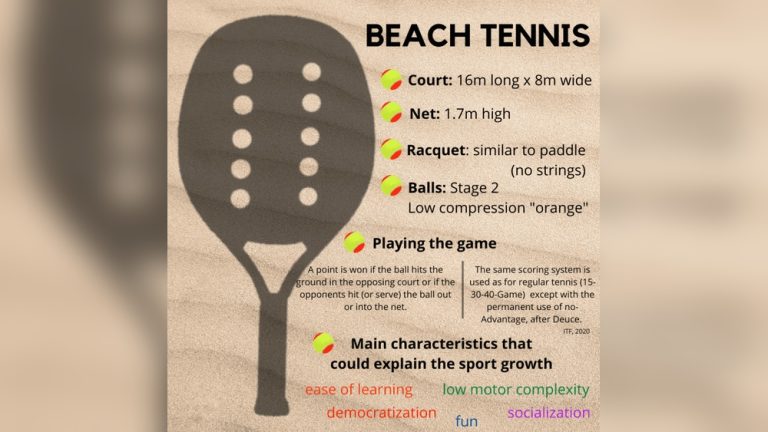
Paddle ball, on the other hand, has older roots. It started as a beach game in the early 1900s, often called beach paddle ball. It became popular in California, Florida, and other coastal areas. People played it with solid paddles and a rubber ball, usually right on the sand or in parks. Paddle ball also grew into indoor versions, including one-wall paddle ball, which became an organized sport in New York City in the 1930s.
This difference in origin is more than just history. It affects how the games are played, who plays them, and where you can find courts.
Equipment Breakdown: Paddles, Balls, And Gear
At first glance, pickleball and paddle ball look similar. Both use paddles, both use balls. But the details matter.
| Feature | Pickleball | Paddle Ball |
|---|---|---|
| Paddle Material | Composite, graphite, wood | Wood, plastic, sometimes graphite |
| Paddle Shape | Rectangular, rounded edges | Oval or circular, flat |
| Paddle Size | Approx. 8″ × 15″ | Approx. 5″ × 10″ |
| Ball Type | Plastic, perforated (holes) | Rubber, solid |
| Ball Diameter | 2.87″–2.97″ | 1.5″–2″ (varies) |
| Ball Bounce | Low to medium bounce | High bounce |
| Net | 34″ at center, 36″ at sides | No net (beach), 8′ high wall (indoor) |
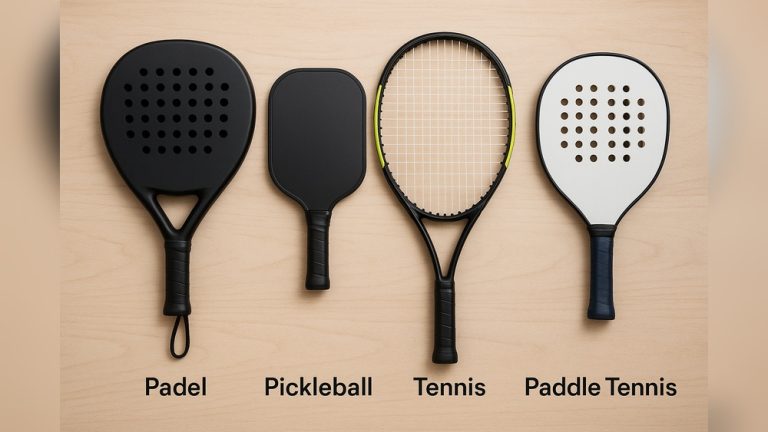
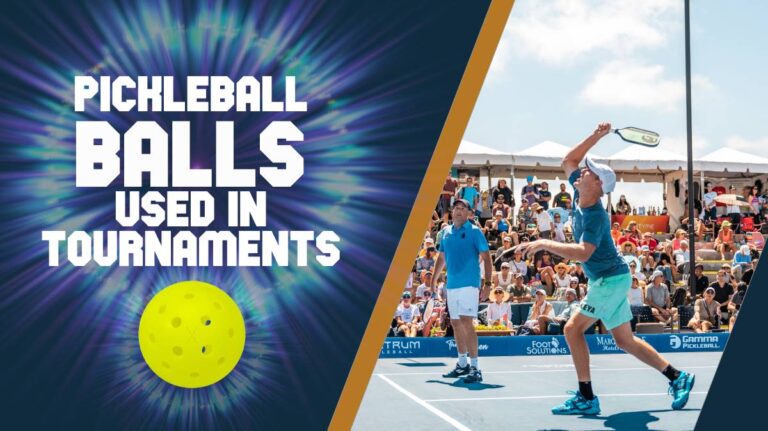
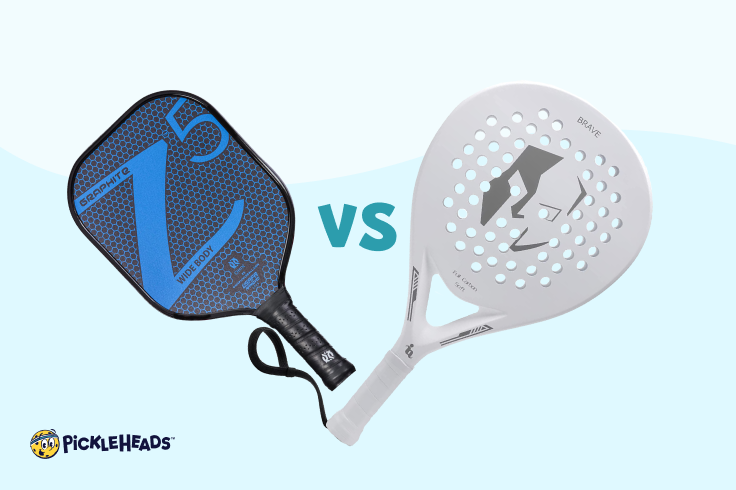
Pickleball paddles are thicker and often lighter, made with advanced materials like graphite or composite. The balls are hollow and have holes, which makes them fly slower and bounce lower. Paddle ball paddles are usually solid wood or plastic. The balls are rubber, smaller, and bounce much higher.
One non-obvious insight: In pickleball, paddle weight and surface texture affect spin and control. In paddle ball, paddle thickness changes how hard you can hit.
Where You Play: Courts, Walls, And Surfaces
Another big difference is where the games are played.
Pickleball is played on a court similar in size to a badminton court—20 feet wide and 44 feet long. The court has lines for singles and doubles, and the net is 34 inches high at the center. Most games are played on hard surfaces: gym floors, tennis courts, or even specialized pickleball courts.
Paddle ball is more flexible. On the beach, you just need sand and open space. For one-wall paddle ball, you need a solid wall (usually concrete) and a flat surface. Indoor paddle ball courts can be found in gyms or community centers, often adapted from racquetball or handball courts.
Here’s a quick comparison:
| Game | Standard Court Size | Surface | Special Features |
|---|---|---|---|
| Pickleball | 20′ × 44′ | Hard court (asphalt, concrete, wood) | Net, marked lines |
| Paddle Ball (Beach) | No fixed size | Sand | None |
| Paddle Ball (One-wall) | 20′ × 34′ | Hard court | Wall, no net |
The court design influences the pace and tactics of each sport. Pickleball’s net and boundaries create more structured play. Paddle ball’s wall or open space allows for more improvisation.
Rules: Scoring And Gameplay Differences
If you want to know if pickleball and paddle ball are the same, the rules make it clear: they are very different.
Pickleball Rules
- Games are played to 11, 15, or 21 points (win by 2).
- Only the serving team scores points.
- The serve must be underhand, diagonally across the court.
- After the serve, both teams can volley (hit ball in air) or let it bounce.
- There’s a unique non-volley zone (the “kitchen”) near the net—players can’t volley in this area.
- Double bounce rule: The ball must bounce once on each side after the serve before volleys are allowed.
Paddle Ball Rules
Paddle ball rules change depending on the version:
Beach Paddle Ball:
- No fixed scoring—often just rally for fun.
- Players hit the ball back and forth, trying not to let it touch the ground.
- No net or boundaries.
One-wall Paddle Ball:
- Games are played to 15, 21, or 25 points.
- Points are scored when the ball bounces twice before return, or an error is made.
- Serves must hit the wall first.
- Players alternate hitting the ball against the wall, letting it bounce once.
A non-obvious insight: The “kitchen” rule in pickleball stops players from dominating the net, making rallies longer and more strategic. In paddle ball, the wall or open space creates longer rallies, but the tactics are about placement and speed.
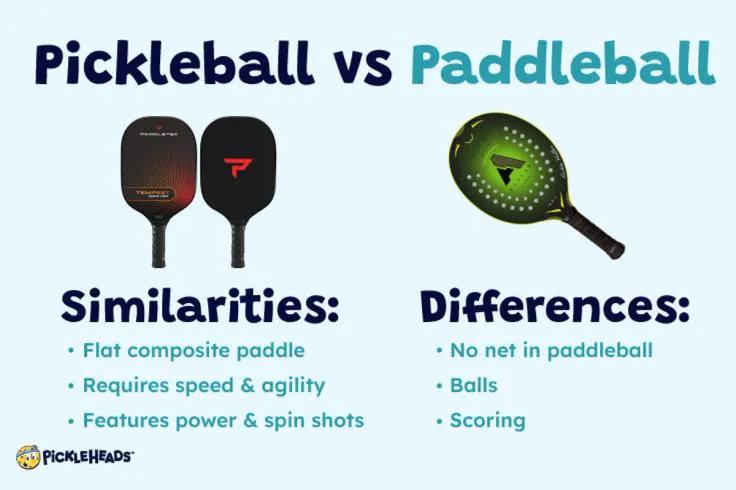
Credit: www.pickleheads.com
Playing Style: Speed, Skill, And Strategy
Pickleball and paddle ball feel different when you play.
Pickleball is about quick reactions, smart positioning, and teamwork. The ball moves slower than in tennis, but the game is fast-paced because the court is small. Players use dinks (soft shots), drives (fast shots), and lobs to control the pace. The best pickleball players mix patience with sudden bursts of speed.
Paddle ball, especially the one-wall version, is about power and accuracy. The ball bounces high and fast, so players need to hit hard and move quickly. Beach paddle ball focuses on keeping rallies alive as long as possible, testing reflexes and coordination.
Some players describe pickleball as a blend of tennis and ping-pong. Paddle ball feels more like racquetball or handball with paddles.
Who Plays: Age Groups, Popularity, And Growth
Pickleball is booming in the US. According to the Sports & Fitness Industry Association, there were over 4.8 million pickleball players in the US in 2022. The average age is dropping—many younger people are joining, but it’s still popular with retirees and families.
Paddle ball is less formal. On beaches, people of all ages play paddle ball for fun. One-wall paddle ball is popular in urban areas, especially New York City, where leagues and tournaments exist. It’s more niche but has passionate players.
One interesting fact: Pickleball is the fastest-growing sport in America, while paddle ball stays mostly regional or recreational.
Credit: www.pickleheads.com
Common Misconceptions
Many beginners think pickleball and paddle ball are the same because:
- Both use paddles.
- Both can be played outdoors.
- Both are easy to start.
But these are surface-level similarities. The sports have different rules, equipment, and play styles. A common mistake is buying the wrong paddle—pickleball paddles don’t work well for paddle ball, and vice versa.
Another misconception: Some believe paddle ball is just “beach pickleball.” In reality, pickleball needs a net and follows strict rules; paddle ball is more relaxed and has several versions.
Health Benefits: Exercise And Injury Risk
Both sports are great for fitness. Pickleball is low-impact, making it safe for older adults. It improves cardiovascular health, boosts agility, and helps with balance. Paddle ball is more intense, especially one-wall versions—it burns more calories per hour and needs quick reflexes.
According to a 2021 study by the Mayo Clinic, pickleball players burned about 350 calories per hour during casual play. Paddle ball players burned up to 500 calories per hour during intense rallies.
One overlooked insight: Paddle ball on sand is easier on the joints, but the high bounce of the ball means more sudden movement. Pickleball’s small court reduces running distance, but the quick stops can strain knees if you don’t warm up.

Credit: www.pickleheads.com
Accessibility: Can Anyone Play?
Pickleball is known for being easy to learn. Most communities now have public courts, and paddles are affordable (starting at $20). Local clubs often welcome beginners.
Paddle ball is even more accessible in some ways. On beaches, all you need is a paddle and a ball. One-wall paddle ball needs a wall, but urban parks often have suitable spaces.
Pickleball is better for those looking for organized play, leagues, or tournaments. Paddle ball is ideal for casual fun or informal competition.
Key Differences Summarized
To see the main differences quickly, here’s a simple summary:
| Aspect | Pickleball | Paddle Ball |
|---|---|---|
| Origin | 1965, Washington | Early 1900s, beaches |
| Equipment | Composite/graphite paddle, perforated plastic ball | Wood/plastic paddle, rubber ball |
| Court | 20′ × 44′, net | Beach: open, One-wall: wall |
| Rules | Structured, kitchen zone, double bounce | Flexible or wall-based, continuous rally |
| Play Style | Strategic, teamwork, quick reactions | Power, accuracy, reflexes |
| Popularity | Fast-growing, all ages | Regional, casual or competitive |
| Health | Low-impact, balance, agility | High-intensity, cardio, quick movement |
Choosing The Right Sport For You
Picking between pickleball and paddle ball depends on your goals.
- Choose pickleball if you want organized competition, social clubs, and a game that blends skill and strategy.
- Choose paddle ball if you prefer casual play, fast action, or want to play on the beach or at the park with minimal setup.
For families, pickleball is great because it offers clear rules and structure. For groups of friends at the beach, paddle ball is more flexible. If you live near a park with a wall, one-wall paddle ball is worth trying.
A practical tip: Try both sports before buying expensive equipment. Many recreation centers offer free pickleball lessons. Paddle ball paddles and balls are cheap and can be used almost anywhere.
Advanced Insights: What The Pros Know
Experienced players notice things beginners miss.
- In pickleball, spin makes a big difference. Professional paddles allow for topspin or backspin, changing the ball’s flight and bounce.
- In paddle ball, wall angles matter. Skilled players use the wall to create unpredictable shots, forcing opponents to move.
- Pickleball’s kitchen zone is not just a rule—it’s a strategy. Good players use soft shots to lure opponents into mistakes.
- Paddle ball’s high bounce means you need to adjust your timing and swing. Beginners often swing too early or late.
Another advanced insight: In pickleball, doubles play is much more common than singles. Strategy is about teamwork and positioning. In paddle ball, singles is the norm, and it’s about individual skill.
Growth And Future Trends
Pickleball is exploding in popularity. The USA Pickleball Association reports over 8,000 public courts in America as of 2023. Major cities now host tournaments with prize money, and professional leagues are forming.
Paddle ball is not growing as fast, but it remains strong in coastal and urban areas. Beaches in California and Florida host paddle ball tournaments, and one-wall paddle ball is still popular in New York.
One trend: Pickleball is starting to appear in schools and retirement communities. Paddle ball is becoming a standard beach activity worldwide, with versions in Israel, Brazil, and Australia.
If you want to learn more about pickleball’s growth and official rules, visit the Pickleball Wikipedia page.
Frequently Asked Questions
What Is The Main Difference Between Pickleball And Paddle Ball?
The main difference is in the rules and equipment. Pickleball uses a net, has structured rules, and is played on a court with boundaries. Paddle ball can be played on the beach or against a wall, has flexible rules, and uses a rubber ball.
Can You Use The Same Paddle For Both Sports?
No, pickleball paddles and paddle ball paddles are made differently. Pickleball paddles are larger and lighter, designed for a perforated plastic ball. Paddle ball paddles are smaller and heavier, suited for a rubber ball.
Which Sport Is Easier For Beginners?
Both are easy to start, but pickleball has clearer rules and more organized play. Paddle ball is more casual and forgiving but can be harder to master because of the high bounce and fast pace.
Is Pickleball More Popular Than Paddle Ball?
Yes, pickleball is currently the fastest-growing sport in the US, with millions of players and many courts. Paddle ball is popular on beaches and in certain cities but does not have the same national reach.
Are There Professional Leagues For Both Sports?
Pickleball has professional leagues and national tournaments. Paddle ball has organized competitions, especially for one-wall versions, but fewer professional leagues.
Pickleball and paddle ball are both enjoyable, accessible sports. While they share some similarities, their differences are clear in equipment, rules, and playing style. Choosing between them depends on your preferences, location, and whether you want structured competition or casual fun.
Trying both is the best way to find which sport fits you. Whether you step onto a pickleball court or head to the beach with a paddle ball, you’re joining a tradition of active, social play.