What’S the Difference between Pickleball And Paddle Ball Explained

Pickleball and paddle ball are two popular racket sports that are often confused, especially by beginners. Both games use paddles and a ball, are played on a court, and look similar at first glance. But there are many differences—from equipment and rules to playing style and culture.
If you’re curious about what sets them apart, you’re not alone. This article dives deep into the differences between pickleball and paddle ball, helping you understand each sport clearly. Whether you want to try one, improve your game, or just know more, you’ll find answers here.
Origins And History
Understanding where each sport comes from helps explain why they are different today. Pickleball is a relatively new invention, while paddle ball has a longer and more complex history.
Pickleball: Born In The 1960s
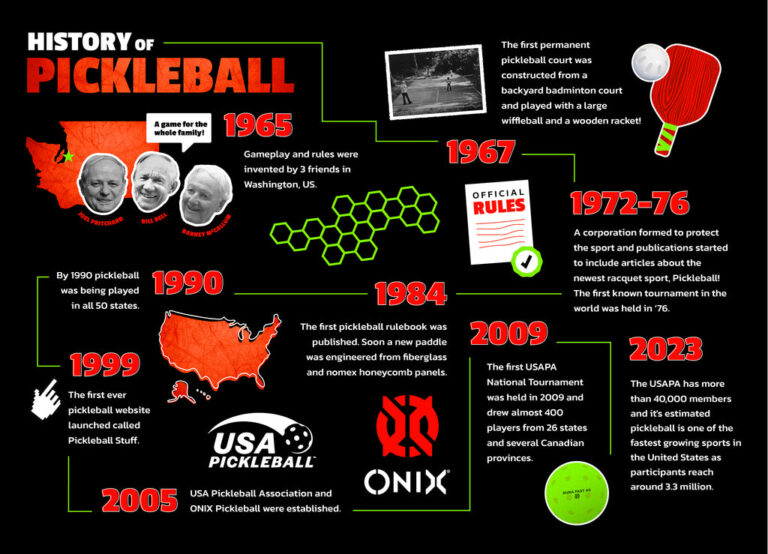
Pickleball started in Washington State in 1965. Three dads invented it to entertain their kids during summer. They used a badminton court, improvised paddles, and a perforated plastic ball. The sport grew quickly as people found it easy to play and suitable for all ages. Today, pickleball is one of the fastest-growing sports in the US, with over 4.8 million players in 2022, according to the Sports & Fitness Industry Association.
Paddle Ball: A Game With Many Faces
The term paddle ball can mean several things. In the US, it mostly refers to a court game played with a solid paddle and a rubber ball. The sport dates back to the 1920s, originally played in New York City. Unlike pickleball, paddle ball can be played on one-wall, three-wall, or four-wall courts. It is especially popular in urban areas, and has a strong following in places like New York and Florida.
Non-obvious insight: Paddle ball also refers to a toy with a paddle and attached ball, but in this article, we focus on the court sport.
Equipment Differences
The equipment used in pickleball and paddle ball is very different. Understanding these differences helps you see why the games play differently.
Paddles: Shape And Material
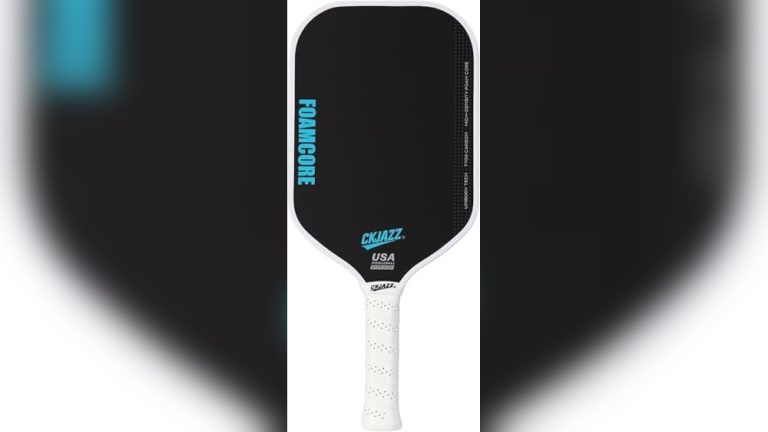
- Pickleball paddles are usually made of composite materials like graphite or fiberglass. They are rectangular, lightweight (7-9 ounces), and have no holes.
- Paddle ball paddles are heavier (about 11-15 ounces), made of wood or plastic, and sometimes have holes to reduce weight and air resistance. Their shape is more rounded or oval.
Balls: Plastic Vs Rubber
- Pickleball uses a plastic ball with holes, similar to a wiffle ball. There are indoor and outdoor versions, with differences in hole size and durability.
- Paddle ball uses a rubber ball—solid, bouncy, and smaller than a tennis ball. It’s designed to bounce off walls and paddles.
Net And Court Gear
Pickleball courts have a net similar to tennis but lower (34 inches at the center). Paddle ball, especially in the one-wall version, often has no net. Instead, the ball must hit the wall above a certain line.
Comparison Table: Pickleball Vs Paddle Ball Equipment
| Feature | Pickleball | Paddle Ball |
|---|---|---|
| Paddle Material | Composite (graphite, fiberglass) | Wood or plastic |
| Paddle Weight | 7-9 oz | 11-15 oz |
| Paddle Shape | Rectangular | Oval/Rounded |
| Ball Type | Plastic with holes | Solid rubber |
| Net | Yes, 34″ at center | No (one-wall); sometimes yes |
Court And Playing Area
The court size and layout are major differences between these sports. Let’s look at each in detail.
Pickleball Court
Pickleball is played on a 20 x 44 feet court, the same size as a badminton court. The net is 34 inches high at the center. There is a non-volley zone (called the “kitchen”) near the net, which is 7 feet deep on both sides. Players must stay out of this zone when volleying.
Paddle Ball Court
Paddle ball is usually played on a one-wall court—a flat wall with lines marking the play area. The court is 20 x 50 feet for singles and doubles. There are lines to mark service areas, but no net. In three-wall or four-wall paddle ball, the court is more enclosed, and the play area gets smaller.
Comparison Table: Court Dimensions
| Aspect | Pickleball | Paddle Ball (One-wall) |
|---|---|---|
| Court Size | 20 x 44 ft | 20 x 50 ft |
| Net Height | 34 in | N/A |
| Special Zones | Kitchen (non-volley zone) | Service line, receiving line |
| Walls | No walls | One wall |
Non-obvious insight: The lack of walls in pickleball means rallies are shorter and rely more on placement, while paddle ball’s wall adds complexity and longer rallies.
Rules And Scoring
The rules for each sport are unique. If you try to play one using the other’s rules, you’ll quickly get confused.
Pickleball Rules
Pickleball is played as singles or doubles. Players serve diagonally, and the ball must bounce once before being returned. After the first two shots, players can volley (hit without bouncing) except in the kitchen zone. Games are usually played to 11 points (win by 2), and only the serving side scores points.
Paddle Ball Rules
Paddle ball is also played as singles or doubles. The server hits the ball against the wall, and it must land in the play area. The opponent then returns it before it bounces twice. Players can hit the ball directly to the wall or let it bounce first. Games often go to 15 or 21 points, and anyone can score, not just the server.
Key Rule Differences
- Scoring: Only server scores in pickleball; anyone scores in paddle ball.
- Serve: Pickleball uses a net and diagonal serve; paddle ball uses wall.
- Bounce: Pickleball requires a bounce after serve; paddle ball allows direct hits.
Playing Style And Strategies
Both sports use a paddle, but the style and tactics are very different.
Pickleball: Placement And Control
Pickleball relies on placement, quick reflexes, and teamwork. The kitchen zone encourages soft shots and strategy. Players use drop shots, volleys, and lobs. Doubles is especially popular, with partners working closely.
Paddle Ball: Power And Wall Use
Paddle ball is about power, speed, and using the wall to create angles. Players often run side-to-side, using the wall to keep rallies alive. Strategy is about keeping the ball low and making it hard for the opponent to reach.
Non-obvious insight: In paddle ball, the wall allows for “kill shots” (low shots that bounce twice quickly), which do not exist in pickleball.
Popularity And Culture
Each sport has its own culture and popularity, shaped by location and community.
Pickleball’s Rapid Growth
Pickleball is booming in the US and Canada. It’s popular among retirees, but younger players are joining fast. The sport is easy to learn, social, and less physically demanding than tennis. In 2022, there were over 10,000 pickleball courts in the US.
Paddle Ball’s Urban Roots
Paddle ball is mostly played in cities, especially in New York, Miami, and Los Angeles. Courts are found in parks and recreation centers. The sport has a strong community, with tournaments and leagues. It’s considered more intense and physical.
Comparison Table: Popularity And Culture
| Aspect | Pickleball | Paddle Ball |
|---|---|---|
| Growth Rate | Fastest growing US sport | Stable, urban popularity |
| Main Locations | Nationwide, suburban | Urban parks, coastal cities |
| Age Group | All ages, especially seniors | Adults, youth |
| Social Aspect | Very social, club-based | Community-focused, tournaments |

Credit: www.padelunitedsportsclub.com
Health And Fitness Benefits
Both sports offer health benefits, but the type and intensity differ.
Pickleball Health Benefits
Pickleball improves cardiovascular health, balance, and coordination. It’s low impact, making it safe for older adults and people with joint concerns. According to the Mayo Clinic, pickleball burns about 250-400 calories per hour depending on intensity.
Paddle Ball Health Benefits
Paddle ball is more intense, offering a full-body workout. It improves speed, agility, and endurance. The sport burns about 400-600 calories per hour due to constant movement and wall shots. It’s great for building muscle and stamina.
Non-obvious insight: Paddle ball players often develop stronger wrists and shoulders because of the heavier paddle and wall rebounds.
Common Mistakes For Beginners
Many new players mix up pickleball and paddle ball, or make mistakes when starting each sport.
- Wrong equipment: Using a paddle ball paddle for pickleball (or vice versa) leads to poor performance and possible injury.
- Mixing rules: Trying to volley in the kitchen zone in pickleball or not using the wall in paddle ball.
- Ignoring court lines: Not respecting the kitchen in pickleball or service lines in paddle ball.
- Overpowering shots: Beginners try to hit too hard in pickleball, losing control. In paddle ball, not using enough power means losing rallies.
- Not warming up: Both sports require stretching and warm-up to avoid injury.

Credit: www.pickleheads.com
How To Choose Between Pickleball And Paddle Ball
Choosing between these sports depends on your preferences, location, and physical condition.
Factors To Consider
- Court availability: Pickleball courts are more common in the US; paddle ball is found in specific urban areas.
- Physical intensity: Paddle ball is more demanding; pickleball is easier on joints.
- Social aspect: Pickleball is more social, ideal for meeting people.
- Age and fitness: Pickleball suits all ages; paddle ball is better for those seeking a challenge.
Practical Example
If you’re a beginner, try both sports with a local club or recreation center. See which feels more comfortable and enjoyable. Many people switch between them depending on mood and company.
Non-obvious insight: Some advanced players use skills from one sport to improve in the other, like using paddle ball’s wall strategies in pickleball doubles.
Where To Play And Join The Community
Finding a place to play is important. Pickleball is easier to access, but paddle ball has strong urban communities.
Pickleball Locations
- Public parks
- Recreation centers
- Schools
- Clubs
The USA Pickleball website lists thousands of courts. Many clubs offer beginner lessons and equipment rentals.
Paddle Ball Locations
- Urban parks
- Community centers
- Beach areas
Check with local recreation departments or search online for paddle ball courts in your city.

Credit: pickleballunion.com
Equipment Cost And Accessibility
Cost is often a deciding factor. Pickleball and paddle ball have different price ranges.
Pickleball Equipment Costs
- Paddle: $40-$200
- Balls: $10-$30 per pack
- Shoes: $50-$120
- Total starter kit: $100-$250
Pickleball gear is widely available online and in sporting goods stores.
Paddle Ball Equipment Costs
- Paddle: $25-$80
- Balls: $5-$15 per pack
- Shoes: $40-$100
- Total starter kit: $70-$150
Some paddle ball equipment is harder to find, but local stores in urban areas often stock it.
Non-obvious insight: Many paddle ball players customize paddles with grips or holes to suit their playing style, a practice less common in pickleball.
Tournament And Competitive Play
Both sports have tournaments, but the structure and focus differ.
Pickleball Tournaments
Pickleball has national and regional tournaments, including the USA Pickleball National Championships. Events are divided by age, skill, and doubles/singles. Prize money and sponsorship are growing.
Paddle Ball Tournaments
Paddle ball tournaments are mostly local or regional, often organized by community groups. There are fewer professional events, but top players are well-known in their cities.
Learning Curve And Skill Development
How hard is it to learn each sport? The answer depends on your experience and physical ability.
Pickleball Learning Curve
Pickleball is easy to start. Most people learn basic rules and shots in an hour. Advanced techniques, like spin and strategic play, take longer.
Paddle Ball Learning Curve
Paddle ball is harder for beginners, especially because of wall play and heavier paddles. It takes time to master angles and positioning.
Non-obvious insight: Players who start with paddle ball often transition easily to racquetball or squash, thanks to wall skills.
Safety And Injury Risks
Safety is important, especially for older players.
Pickleball Safety
Pickleball has low injury rates. Most injuries are mild, like strains or sprains. Wearing proper shoes and warming up reduces risk.
Paddle Ball Safety
Paddle ball is more intense, with higher risk of muscle injuries, especially to shoulders and wrists. Wearing wristbands and stretching is recommended.
Environmental Factors
Weather and environment affect both sports.
Pickleball
Pickleball is played indoors and outdoors. Outdoor balls are heavier and have smaller holes to resist wind. Indoor courts are more consistent.
Paddle Ball
Paddle ball is mostly outdoors, on concrete or asphalt courts. Weather can affect ball bounce. Rain makes courts slippery and unsafe.
Technology And Innovations
Both sports have seen technology improvements.
Pickleball Innovations
New paddle materials (carbon fiber, honeycomb core) improve control and power. Ball designs now suit indoor and outdoor play. Apps help players find courts and track scores.
Paddle Ball Innovations
Paddle ball paddles now use lighter plastics and custom grips. Some balls are designed for specific court types. Video analysis helps players improve.
International Presence
Pickleball is spreading globally, while paddle ball remains mostly in the US.
Pickleball Abroad
Pickleball is played in Canada, Europe, and Asia. International tournaments are growing. The International Federation of Pickleball supports global expansion.
Paddle Ball Abroad
Paddle ball is rare outside the US. Similar sports exist, like padel in Spain and Latin America, but rules and equipment are different.
Summary Table: Pickleball Vs Paddle Ball
Here’s a summary table comparing the two sports at a glance.
| Aspect | Pickleball | Paddle Ball |
|---|---|---|
| Origin | 1965, Washington | 1920s, New York |
| Paddle Weight | 7-9 oz | 11-15 oz |
| Ball Type | Plastic with holes | Solid rubber |
| Court Size | 20 x 44 ft | 20 x 50 ft |
| Net | Yes | No (one-wall) |
| Scoring | Only serving side | Either side |
| Play Style | Placement, teamwork | Power, wall use |
| Popularity | Nationwide, growing | Urban, stable |
| Health Benefits | Low impact, cardio | High intensity, muscle |
| Learning Curve | Easy | Moderate |
Real-life Examples And Stories
Let’s look at some real-life cases to show how different these sports can be.
Pickleball Story
Mary, age 62, joined a local pickleball club. She found the sport easy to learn and made new friends quickly. After a few months, her balance and reflexes improved. She enjoys doubles games and participates in club tournaments. Mary appreciates the low impact and social aspect.
Paddle Ball Story
Carlos, age 28, plays paddle ball in New York City. He loves the fast pace and challenge of wall shots. He spends weekends at local parks, competing in tournaments. The sport keeps him fit and helps him connect with a diverse community.
Carlos likes customizing his paddle and learning advanced strategies.
How To Transition Between Sports
If you play one sport and want to try the other, here are tips:
- Adjust your grip: Pickleball paddles are lighter; paddle ball paddles need a stronger grip.
- Learn new shots: Pickleball focuses on soft shots; paddle ball on power and angles.
- Understand the court: Pickleball has a net and kitchen; paddle ball has a wall and no net.
- Respect the culture: Join clubs and talk to players to learn traditions and etiquette.
Resources For Learning More
If you want to go deeper, explore official websites and guides. The Pickleball Wikipedia page offers detailed history and rules.
Frequently Asked Questions
What Is The Main Difference Between Pickleball And Paddle Ball?
The biggest difference is that pickleball uses a net and a plastic ball with holes, while paddle ball uses a wall and a solid rubber ball. Pickleball is played on a badminton-sized court, paddle ball on a larger wall court.
Can I Use The Same Paddle For Both Sports?
No. Pickleball paddles are lighter and rectangular, while paddle ball paddles are heavier and oval. Using the wrong paddle can hurt your game and even cause injury.
Which Sport Is Easier For Beginners?
Pickleball is easier for most beginners. The rules are simple, and the court is smaller. Paddle ball requires more skill to use the wall and heavier paddle.
Are Both Sports Good For Fitness?
Yes. Both offer health benefits. Pickleball is low impact and good for cardio. Paddle ball is high intensity and builds muscle and endurance.
Where Can I Find Courts To Play?
Pickleball courts are common in parks and recreation centers. Paddle ball courts are mainly in urban areas, especially New York and Miami. Check local recreation websites for locations.
Both pickleball and paddle ball are exciting sports with unique features and benefits. Choosing the right one depends on your goals, location, and style. Trying both is a great way to stay active, meet new people, and enjoy the world of paddle sports.