Tennis Vs Pickleball Vs Padel: Which Racket Sport Wins?

Tennis, pickleball, and padel are three racquet sports that share similarities but offer very different experiences. If you’re curious about which sport fits you best, you’re not alone. These games have exploded in popularity worldwide, each attracting unique communities and styles of play.
Whether you’re looking for intense competition, social fun, or a new hobby, understanding the core differences and what makes each sport special will help you choose wisely.
Let’s dive deep into tennis vs pickleball vs padel. You’ll discover how each game is played, their histories, rules, equipment, physical demands, and cultures. We’ll explore the real-life experience, common mistakes beginners make, and even provide practical advice for choosing your ideal racquet sport.
By the end, you’ll know exactly what makes each game tick—and which one’s right for you.
The Origins Of Tennis, Pickleball, And Padel
Tennis, pickleball, and padel didn’t just appear overnight. Their histories shaped how they’re played and perceived today.
Tennis has roots stretching back to the late 19th century in England. The modern game evolved from “real tennis,” an old indoor racquet sport. Wimbledon, launched in 1877, is the oldest tennis tournament and still one of the most prestigious.
Pickleball is much newer. It started in 1965, on Bainbridge Island, Washington. Three dads—Joel Pritchard, Bill Bell, and Barney McCallum—created the game for their kids, blending features from tennis, badminton, and ping pong.
Padel originated in Mexico in 1969, thanks to Enrique Corcuera. It quickly spread to Spain and Argentina, becoming a favorite social sport in Europe and Latin America. Padel is now one of the fastest-growing sports worldwide.
The development paths of these sports influenced court sizes, scoring systems, and even the culture around them. For example, tennis became known for formality and global competition, while pickleball and padel are seen as more accessible and community-oriented.
Court Dimensions And Surfaces
Understanding the playing field is key. The court determines how fast, tactical, and physically demanding the game is.
| Sport | Court Size | Net Height | Surface Types |
|---|---|---|---|
| Tennis | 78 x 36 ft (doubles) | 3 ft (center), 3.5 ft (posts) | Grass, clay, hard |
| Pickleball | 44 x 20 ft | 34 in (center), 36 in (posts) | Hard, indoor, outdoor |
| Padel | 66 x 33 ft | 34 in (center), 36 in (posts) | Artificial turf, concrete, sand |
Tennis courts are the largest, offering plenty of room for long rallies and powerful shots. You’ll find three main surfaces—grass (fast, low bounce), clay (slow, high bounce), and hard (medium speed, consistent bounce). Each surface affects play style and strategy.
Pickleball courts are much smaller. The compact size means less running and quicker points. Most courts are hard surfaces, either indoor or outdoor.
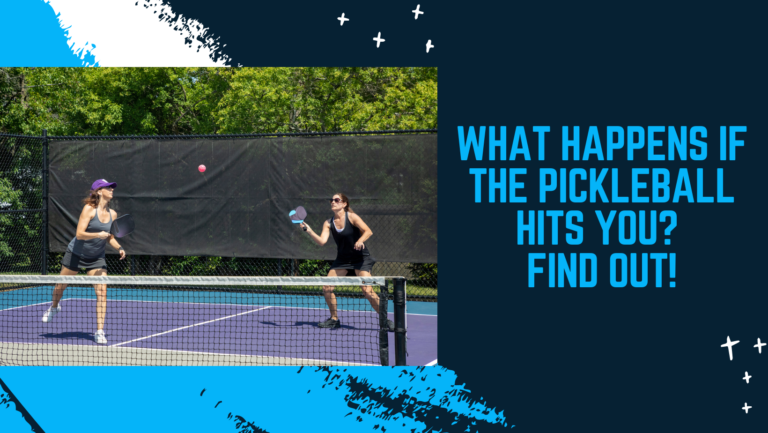
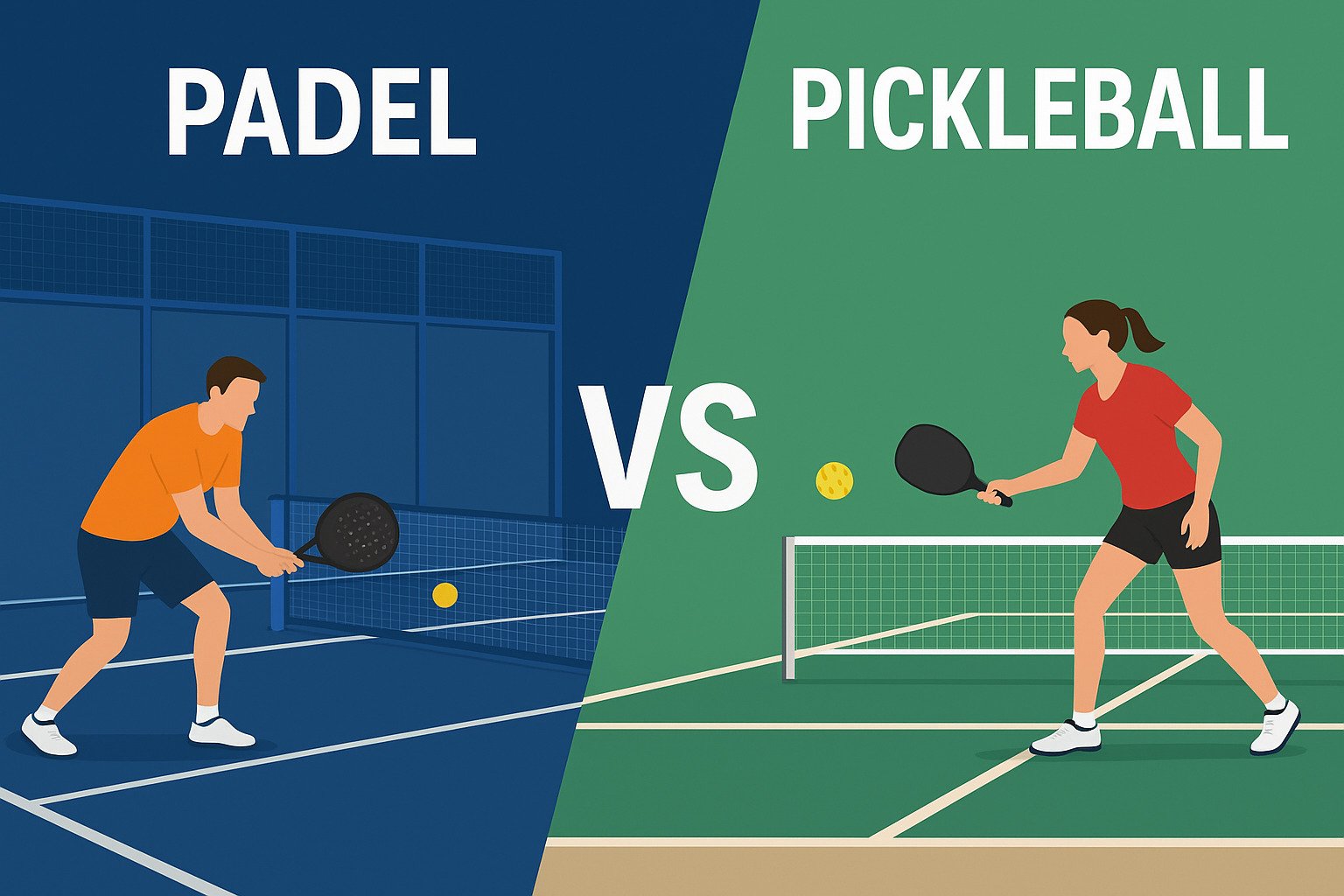
Padel courts sit between tennis and pickleball in size. Padel is played inside an enclosed court with glass and mesh walls, which are part of the game—balls can bounce off them, creating unique tactics.
Non-obvious insight: Many beginners assume padel is just “tennis with walls.” In reality, the walls change the game dramatically, making it more tactical and less about raw power.
Equipment: Racquets, Balls, And Attire
Getting the right gear is important—not only for performance but also for safety and comfort.
| Sport | Racquet Type | Ball Type | Typical Attire |
|---|---|---|---|
| Tennis | Strung racquet, 27 in | Pressurized felt ball | Shorts/skirt, shirt, tennis shoes |
| Pickleball | Solid paddle, 15-16 in | Plastic perforated ball | Activewear, court shoes |
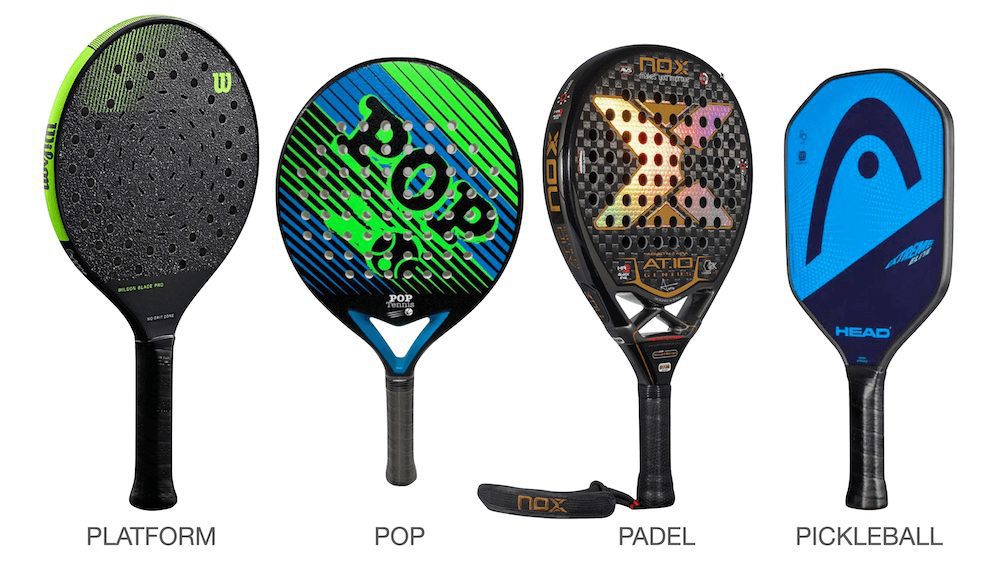
| Padel | Solid racquet, holes, 18 in | Pressurized rubber ball (smaller than tennis) | Activewear, padel shoes |
Tennis racquets are strung and longer. They weigh between 9–12 oz and can be customized for grip and balance.
Pickleball paddles are solid, usually made from composite or graphite. They’re shorter and lighter, making the game easy for all ages.
Padel racquets are also solid but have holes for aerodynamics. They’re shorter than tennis racquets but larger than pickleball paddles.
Ball types matter too. Tennis balls are felt-covered and pressurized, bouncing high and fast. Pickleball balls are lightweight, plastic, and have holes—great for slower, controlled play. Padel balls look similar to tennis balls but are slightly smaller and have less pressure, leading to lower bounces.
Non-obvious insight: Many new padel players buy tennis balls, thinking they’re interchangeable. Using the wrong ball changes gameplay and can damage the padel racquet.
Scoring Systems And Rules
Each sport uses its own scoring style, affecting match length and tactics.
Tennis Scoring
Tennis uses the famous “15-30-40-game” system. Four points win a game, six games win a set, and two or three sets win a match (depending on format). Deuce and advantage add drama when games are tied.
Matches can last from less than an hour to over five hours for professionals. There’s also singles (one-on-one) and doubles (two-on-two).
Pickleball Scoring
Pickleball is simpler. Points are scored only by the serving team. Games are played to 11, 15, or 21 points, and must be won by at least two points.
Players switch sides at 6 or 8 points (depending on rules). Pickleball is almost always played in doubles, although singles is possible.
Padel Scoring
Padel uses the same system as tennis—15, 30, 40, game, set, match. However, matches are faster due to smaller courts and shorter rallies.
Padel is played almost exclusively in doubles, making teamwork essential.
Common beginner mistake: In pickleball and padel, many new players forget that only the serving team scores points (in pickleball) or mix up tennis scoring with padel rules. Learning the scoring is crucial to enjoying the game.
Physical Demands And Injury Risks
Each sport challenges your body in different ways.
Tennis is the most physically demanding. The large court requires speed, endurance, and power. Players often run several miles per match, especially in singles. Serving and returning involve explosive movements that strain the shoulders, knees, and wrists.
Injuries are common—especially tennis elbow, rotator cuff problems, and knee issues. Professional matches can be grueling, lasting hours.
Pickleball is easier on the body. The smaller court means less running, making it suitable for older adults or those with mobility issues. However, quick changes in direction and bending can lead to knee or ankle injuries. Overuse injuries are less frequent, but can still happen.
Padel offers a middle ground. There’s less running than tennis, but more movement than pickleball. The walls create unique angles, so players must twist and turn often. Shoulder and elbow strains are possible, but padel is generally safe and welcoming for beginners.
Non-obvious insight: Many people think pickleball is completely risk-free. In reality, improper footwear or playing on hard surfaces can cause falls and sprains—especially for beginners who move too quickly.
Skill Levels And Learning Curves
How easy is it to start playing? How long does it take to become good?
Tennis has a steep learning curve. Mastering the serve, groundstrokes, and volleys takes time. New players often struggle with keeping the ball in play and adapting to different surfaces.
It takes months to play confidently and years to reach advanced levels. Coaching is common, especially for children and competitive adults.
Pickleball is beginner-friendly. The paddle is easier to control, and the ball moves slower. Many players pick up the basics in just one session. Rules are simple, and social games are welcoming for all ages.
You’ll see improvement quickly, which keeps motivation high. Advanced play does require strategy and finesse, especially for dinks and lobs.
Padel sits between tennis and pickleball. The basics are easy—serve underhand, hit the ball after one bounce, use the walls. However, mastering wall shots and teamwork takes practice. Most players become comfortable in a few weeks, but advanced tactics take longer.
Non-obvious insight: In padel, using the wall effectively is a game-changer. Beginners often avoid the wall, but learning wall shots early accelerates improvement.
Social Aspects And Community
Sports aren’t just about competition—they’re about connection.
Tennis has a strong global community, from local clubs to grand slams. It’s seen as a prestigious sport, often linked to tradition and etiquette. There are strict codes for attire, behavior, and even court manners.
Tennis is played in singles and doubles, but singles is more common in competitive matches. Social events exist, but tennis tends to attract those seeking competition and self-improvement.
Pickleball is famous for its friendly, inclusive community. Courts are open to all ages and skill levels. Doubles play encourages teamwork and social interaction. Many clubs host drop-in games, mixers, and tournaments.
It’s common to see families, seniors, and children playing together. Pickleball is less formal—just show up and play.
Padel has a strong social culture, especially in Spain and Latin America. Doubles is the norm, and teamwork is essential. Clubs often host leagues, parties, and events. Playing padel is seen as a fun way to meet people, exercise, and enjoy life.
Unique insight: In padel and pickleball, the “waiting bench” is a real thing. Players rotate quickly, so you often meet new people every session. This builds a more welcoming environment than traditional tennis clubs.
Professional Leagues And Global Reach
How Popular Are Tennis, Pickleball, And Padel Worldwide?
Tennis is a global powerhouse. The ATP and WTA Tours host hundreds of events yearly, with the four Grand Slam tournaments (Australian Open, French Open, Wimbledon, US Open) drawing millions of viewers. Tennis is played in over 200 countries, with more than 60 million active players.
Pickleball is growing fast in the US and Canada. The Professional Pickleball Association (PPA) and USA Pickleball run major events. As of 2024, there are an estimated 8.9 million players in the US alone—a jump of over 200% since 2019.
Padel is most popular in Spain, Argentina, and Italy, but spreading worldwide. The World Padel Tour (WPT) features top players and attracts large crowds. Spain alone has over 4 million active padel players, and new courts are opening in Asia and the Middle East.
| Sport | Global Players | Main Countries | Top Leagues |
|---|---|---|---|
| Tennis | 60+ million | Worldwide | ATP, WTA, Grand Slams |
| Pickleball | 9+ million | US, Canada | PPA, USA Pickleball |
| Padel | 4+ million | Spain, Argentina, Italy | WPT, FIP |
Non-obvious insight: Padel’s growth is outpacing even pickleball in some regions, especially Europe. Many tennis clubs are converting courts to padel to attract younger, social players.
Credit: pacecourt.com
Game Styles And Strategies
The way you play each sport is shaped by court size, equipment, and rules.
Tennis is about power, speed, and endurance. Players focus on baseline rallies, strong serves, and quick volleys. Singles require individual skill and mental toughness, while doubles demand coordination and net play.
Strategies include:
- Baseline play vs net attack
- Topspin vs slice
- Serve-and-volley
Pickleball rewards precision and control. The “dink” shot (soft, short ball) is a key tactic. The non-volley zone (“kitchen”) forces players to play smart and avoid smashing at the net.
Strategies include:
- Dinking in the kitchen
- Third-shot drop
- Lob to move opponents
Padel combines tennis and squash tactics. The walls allow for rebounds, so players use angles and patience. Most points are won through teamwork, placement, and anticipation.
Strategies include:
- Using the walls for defense
- Lob and smash
- Partner coordination
Unique insight: In padel, the lob is not just a defensive shot—it’s often used to reset play and force opponents to the back wall. Beginners rarely use lobs, but mastering this increases winning chances.
Accessibility And Cost
How easy is it to play, and what does it cost?
Tennis courts are available worldwide, but renting or joining clubs can be expensive. Racquets cost $50–$300, balls are affordable, but lessons and club fees add up.
Pickleball is much cheaper. Courts are popping up everywhere—parks, gyms, schools. Paddles cost $20–$150, balls are cheap. Many places offer free or low-cost play.
Padel is growing fast, but courts are still limited in some regions. Equipment costs are similar to pickleball, but club fees can be higher. In Spain and Italy, padel is very affordable; elsewhere, finding a court can be tricky.
Non-obvious insight: Many new pickleball players spend money on expensive paddles, thinking it will improve their game. In reality, technique and footwork matter more than gear.
Credit: www.minterdial.com
Gender And Age Inclusivity
All three sports welcome men, women, and children—but some are more inclusive than others.
Tennis offers men’s, women’s, and mixed competitions. Professional tours are equal, but at the club level, tennis can feel intimidating for beginners or older players.
Pickleball is the most inclusive. It’s common to see mixed doubles, seniors, and children playing together. The slower pace and smaller court make it accessible for all abilities.
Padel is also inclusive, with mixed leagues and family events. The doubles format encourages teamwork between different ages and genders.
Unique insight: Padel clubs often run family tournaments, where parents and kids play together. This builds community and helps children learn teamwork early.
Weather And Seasonality
Can You Play Year-round?
Tennis is mostly outdoors. Weather can limit play—rain, wind, and extreme heat affect matches. Indoor courts exist but are expensive.
Pickleball is flexible. Many courts are indoors, allowing play in all weather. Outdoor courts are common in warm climates.
Padel is usually played in covered or indoor courts, especially in Europe. This makes it possible to play year-round, regardless of weather.
Non-obvious insight: In cold or rainy climates, pickleball and padel are easier to play regularly. Tennis requires more planning and often depends on good weather.

Credit: www.pickleheads.com
Spectator Appeal And Media Coverage
Which Sport Is More Fun To Watch?
Tennis is a major spectator sport. Grand Slam events are broadcast worldwide, with millions of viewers. Famous players like Roger Federer, Serena Williams, and Rafael Nadal have global followings.
Pickleball is becoming more popular on TV and streaming. Major tournaments are shown online, and social media helps grow its audience. However, pickleball is less dramatic for spectators, since rallies are short.
Padel is exciting to watch, especially due to wall shots and fast exchanges. The World Padel Tour streams matches online, and crowds in Spain and Argentina are enthusiastic.
Unique insight: Padel matches often feature longer rallies and unpredictable wall bounces, making them more engaging for spectators than pickleball.
Environmental Impact
The environmental footprint of each sport varies.
Tennis uses pressurized balls, which are difficult to recycle. Courts require lots of space, water (for grass and clay), and maintenance. Tennis shoes and racquets have short lifespans, adding to waste.
Pickleball balls are plastic, with holes, but are more durable. Courts are smaller, requiring less space and resources. Paddles last longer than tennis racquets.
Padel courts are built with glass and artificial turf, which can be eco-friendly if recycled materials are used. Padel balls are less pressurized, reducing waste.
Unique insight: Many padel clubs in Spain use recycled glass for walls and artificial turf made from old tennis courts, helping lower the environmental impact.
Cultural Differences
Each sport carries unique traditions.
Tennis is formal, with strict etiquette—dress codes, silence during points, and respectful applause. It’s seen as a “gentleman’s sport,” though this is slowly changing.
Pickleball is casual and fun. Attire is relaxed, and players often chat during games. The sport is less about tradition and more about enjoyment.
Padel blends formality and fun. Clubs are social hubs, with games followed by food and drinks. Players respect etiquette but are more relaxed than in tennis.
Unique insight: In padel, post-game gatherings are part of the culture. Sharing drinks or snacks with your opponents is common and builds lasting friendships.
Choosing The Right Sport For You
If you’re deciding between tennis, pickleball, and padel, consider these factors:
- Physical ability: If you want a full-body workout and enjoy running, tennis is best. If you prefer less movement, pickleball or padel are better.
- Social preference: For meeting new people and playing casually, pickleball and padel excel.
- Learning curve: Tennis requires more practice. Pickleball and padel are easier to start.
- Cost and access: Pickleball is cheapest and most accessible. Tennis and padel may require club fees.
- Competitive drive: Tennis offers intense competition. Padel has growing pro leagues. Pickleball is mostly recreational, but tournaments are increasing.
Unique insight: Trying each sport at a local club or drop-in session is the best way to decide. Most clubs offer trial sessions or beginner classes. Don’t worry about gear—clubs often lend racquets or paddles.
Real-life Experiences And Testimonials
Players’ stories reveal the heart of each sport.
Tennis player: “I love the challenge and strategy. Every match feels different. It’s tough at first, but very rewarding when you improve.”
Pickleball enthusiast: “I started at age 60 and found a welcoming community. The game is easy to learn, and I play with friends every week.”
Padel fan: “Padel mixes tennis and squash. The wall shots are fun, and teamwork is key. I’ve made friends and improved my fitness.”
Unique insight: Many tennis players transition to padel or pickleball as they age, enjoying the social aspect and lighter physical demands.
Common Mistakes Beginners Make
Starting any sport comes with pitfalls. Here are some to avoid:
- Tennis: Using the wrong grip or swing technique leads to injury and frustration. Don’t skip lessons or practice drills.
- Pickleball: Beginners often stand too close to the net or ignore the “kitchen” rules. Learn court positioning early.
- Padel: Avoiding the walls limits your game. Practice wall shots and partner communication.
Unique insight: In all three sports, wearing proper shoes is essential. Many injuries happen due to poor footwear. Invest in sport-specific shoes for better grip and safety.
Practical Tips For Beginners
- Warm up before playing—avoid injuries.
- Ask for advice from experienced players—they’re usually happy to help.
- Start with group lessons or clinics to learn basics and meet others.
- Try all three sports before choosing one. Each has unique strengths.
- Focus on fun—don’t stress about skill level or winning.
Unique insight: In pickleball and padel, communication with your partner is as important as technique. Practice calling shots and supporting each other.
Resources For Learning And Improvement
If you want to improve, check out these resources:
- Local clubs and recreation centers often offer beginner lessons.
- YouTube channels and online tutorials show techniques and drills.
- National associations (USTA for tennis, USA Pickleball, World Padel Tour) provide rules and event calendars.
For more data and research, visit Wikipedia’s padel page.
Frequently Asked Questions
What Is The Main Difference Between Tennis, Pickleball, And Padel?
Tennis uses a large court, strung racquets, and pressurized balls. Pickleball has a smaller court, solid paddles, and perforated balls. Padel is played in an enclosed court with walls, using solid racquets with holes and smaller balls. The gameplay, scoring, and physical demands differ for each sport.
Which Sport Is Easiest For Beginners?
Pickleball is the easiest. The paddle is simple to use, and the court is small. Rules are quick to learn, and the game is less physically demanding. Padel is also beginner-friendly, but learning to use the walls takes time. Tennis has a steeper learning curve.
How Much Does It Cost To Start Playing Each Sport?
Pickleball is most affordable—paddles start at $20, and many public courts are free. Padel equipment is similar in price but finding a court may cost more. Tennis racquets cost $50–$300, and club fees or lessons can add up. All sports require sport-specific shoes for safety.
Is Padel Only Popular In Spain And Argentina?
Padel started in Mexico and is most popular in Spain and Argentina, but it’s growing fast in Italy, France, the UK, and even Asia. New clubs and leagues are opening worldwide, making padel more accessible each year.
Can I Play These Sports Year-round?
Pickleball and padel can be played year-round, thanks to indoor courts. Tennis depends on weather, but indoor courts exist in many cities. Check local clubs and recreation centers for options.
Tennis, pickleball, and padel each offer unique experiences. Whether you seek intense competition, easy entry, or social fun, there’s a racquet sport for everyone. Explore each game, meet new people, and find your favorite way to play.