Racquetball Vs Pickleball: Key Differences and Which Is Best?

Racquetball Vs Pickleball: A Complete Comparison For Beginners And Enthusiasts
If you’re trying to choose between racquetball and pickleball, you’re not alone. These sports are becoming more popular every year, especially in the US and worldwide. Both are fast, fun, and social, but they have clear differences in rules, equipment, play style, and who they suit best. Many beginners think racquetball and pickleball are similar because they use rackets (or paddles), but the experience is very different. Knowing the real differences will help you pick the right sport for your needs.
This article gives you a detailed comparison, covering everything from court size to health benefits, skills required, and community. You’ll also see real examples, practical tips, and answers to common questions. Whether you’re a beginner, a parent, or someone looking for a new hobby, you’ll find all you need to make an informed choice.
Let’s dive in and see what sets racquetball and pickleball apart.
The Basics: What Are Racquetball And Pickleball?
Racquetball is an indoor sport played with a hollow rubber ball and a stringed racquet. The game is fast-paced, with players hitting the ball against walls in a closed court. Points are scored when an opponent fails to return the ball before it bounces twice.
Pickleball is played with a plastic ball (similar to a wiffle ball) and a solid paddle. The game is usually played on an outdoor or indoor court, similar in size to a badminton court. Pickleball combines elements of tennis, badminton, and ping-pong.
The goal is to score points by making the ball bounce in the opponent’s court and preventing them from returning it.
Both games are easy to start, but mastering them takes practice and skill. Each sport has its own culture and attracts different types of players.
Court And Equipment: Size, Layout, And Gear
Let’s start with the courts and gear. These affect how the games are played, who can play, and how much they cost.
Court Size And Layout
Here’s a direct comparison of court sizes and layouts:
| Aspect | Racquetball | Pickleball |
|---|---|---|
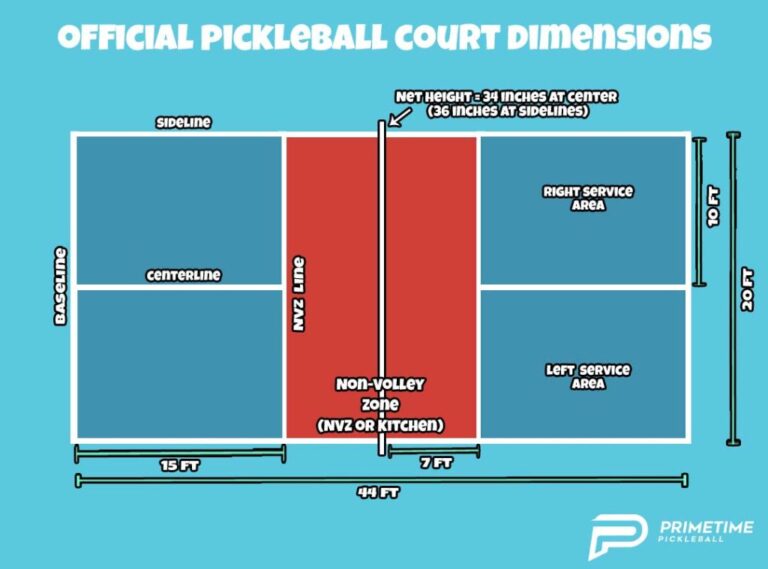
| Court Dimensions | 40 x 20 feet (indoor) | 20 x 44 feet (indoor/outdoor) |
| Walls | Fully enclosed (4 walls) | No walls; open court |
| Net Height | No net | 36 inches (side), 34 inches (center) |
| Surface | Hard indoor floor | Hard outdoor/indoor floor |
Racquetball courts are always indoor and have four walls. The ball can bounce off any wall, creating fast and unpredictable rallies. Pickleball courts are open and have a net in the middle, so play is more like tennis or badminton. The smaller size means less running than tennis, making pickleball popular among seniors and beginners.
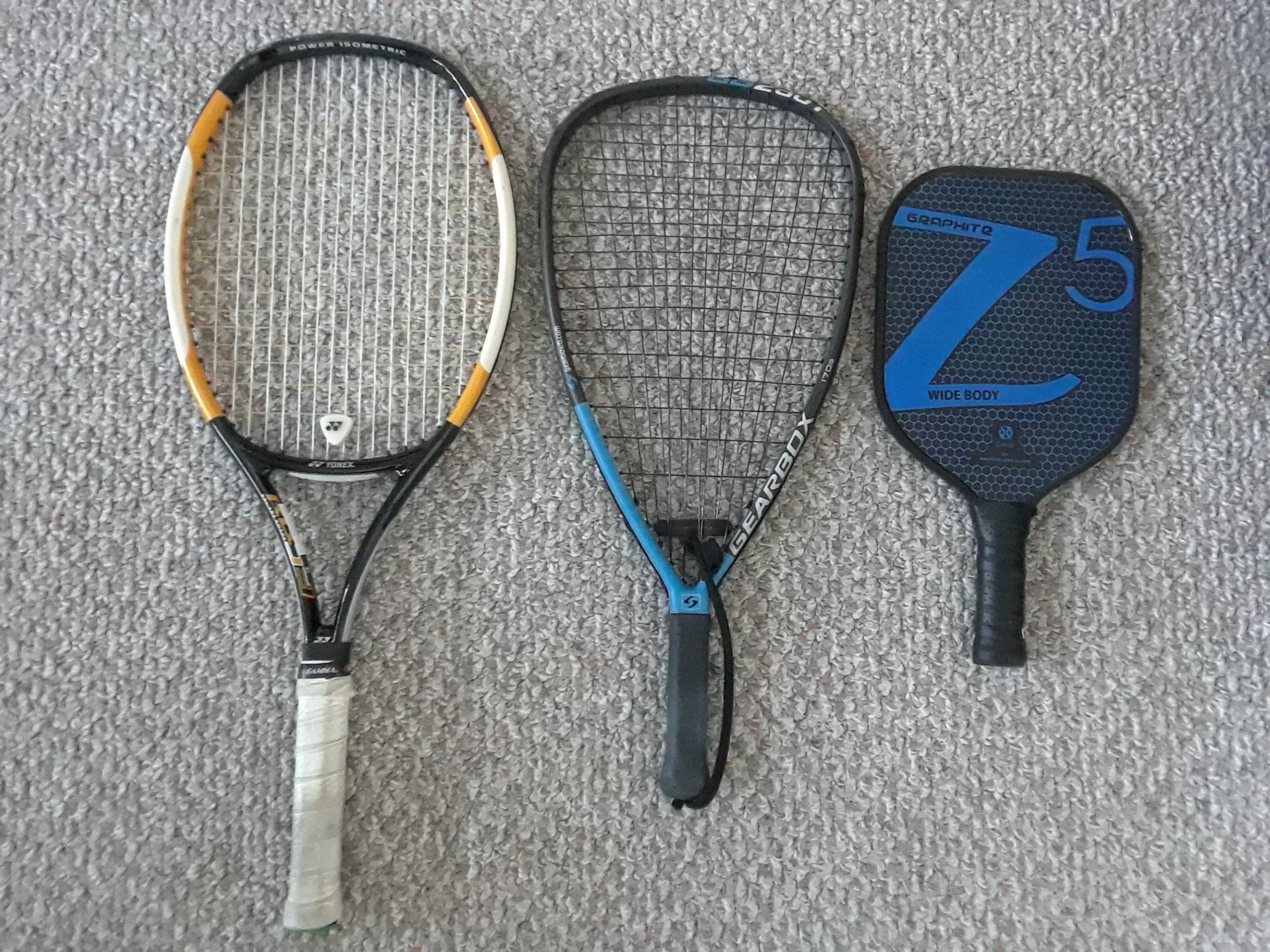
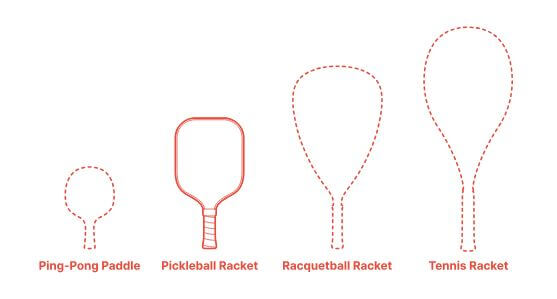
Equipment: Racquet, Paddle, And Ball
Here’s a comparison of the main equipment:
| Equipment | Racquetball | Pickleball |
|---|---|---|
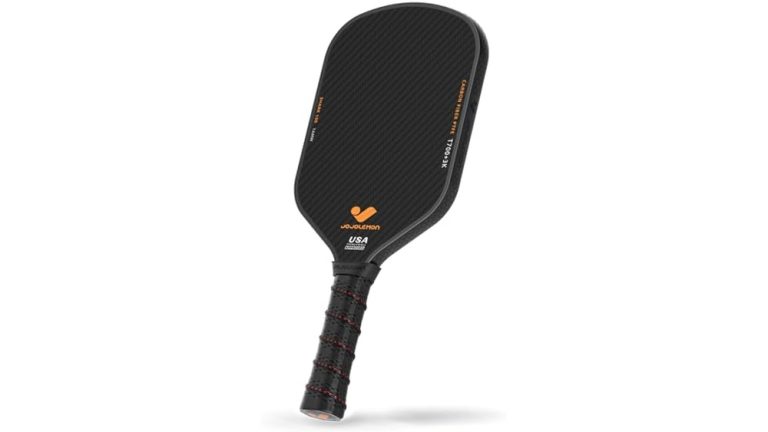
| Racket/Paddle | Stringed racquet (22 inches max) | Solid paddle (8 x 15 inches average) |
| Ball | Hollow rubber ball (2.25 inches) | Plastic wiffle ball (2.87 inches) |
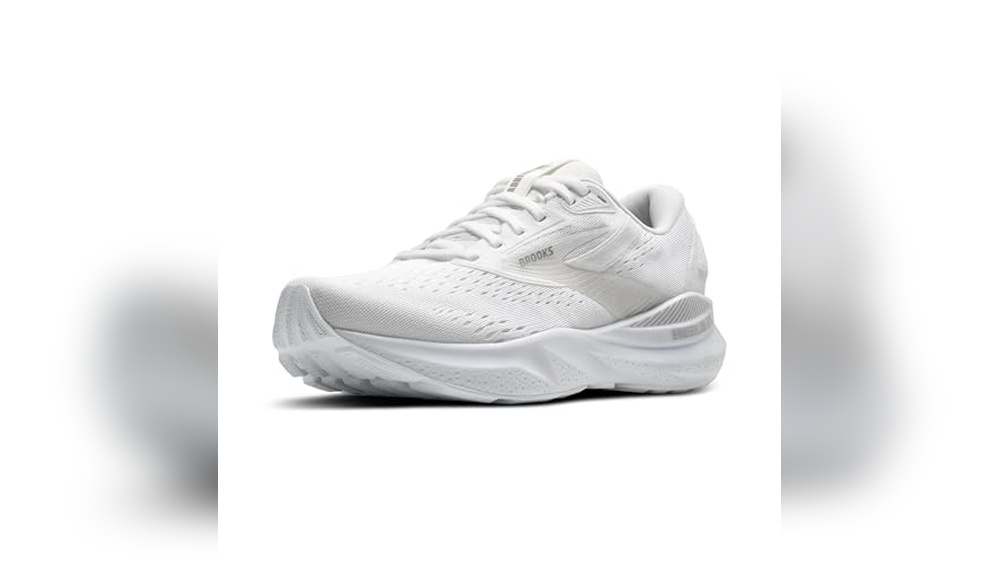
| Shoes | Indoor court shoes | All-court shoes |
| Other Gear | Gloves, eye protection | None required |
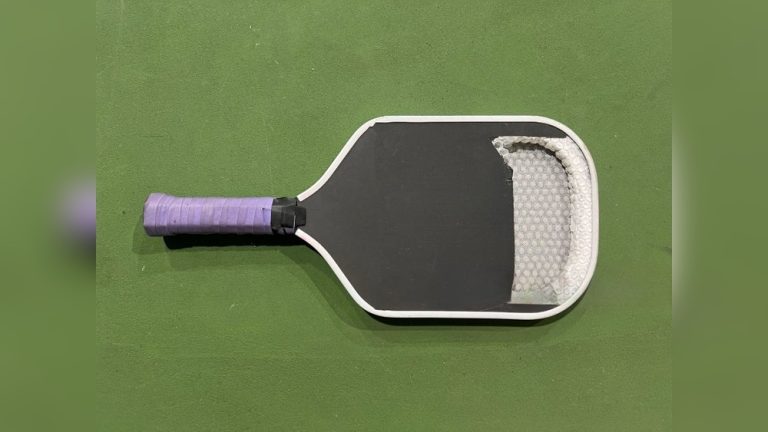
Racquetball racquets are smaller than tennis racquets and have strings, which allow for powerful shots and spins. Pickleball paddles are solid and made from wood, composite, or graphite. The balls are different: racquetball uses a soft rubber ball, while pickleball uses a hard, perforated plastic ball.
Eye protection is strongly recommended in racquetball due to the speed and risk of injury. Pickleball is gentler, and no extra gear is needed.
Cost To Start
Starting costs are an important factor for many beginners.
- Racquetball starter kit (racquet, balls, goggles): $40–$100
- Pickleball starter kit (paddle, balls): $30–$80
Court rental costs are similar for both, but pickleball is often played in public parks for free. Racquetball courts are usually in gyms or sports clubs.
Credit: pickleballfire.com
Rules And Scoring: How Each Game Is Played
The rules and scoring systems are very different, and this affects how the games feel.
Racquetball Rules
In racquetball, players take turns serving the ball against the front wall. The ball must hit the front wall first, then it can bounce off other walls. The opponent must return the ball before it bounces twice. Points are scored only when you serve.
Games are usually played to 15 points, best of three.
Some unique rules:
- The serve must hit the front wall first.
- The ball can bounce off any wall, including the ceiling.
- Players can move anywhere inside the court.
Pickleball Rules
Pickleball starts with a serve that must be hit underhand and land in the opponent’s diagonal service box. Players rally the ball across the net, and it must bounce once before being hit (in the first two shots of the rally).
Points are scored only by the serving side. Games are played to 11, 15, or 21 points, and must be won by at least two points.
Special pickleball rules:
- The “kitchen” (non-volley zone) prevents players from volleying close to the net.
- The serve must be underhand and below the waist.
- The ball must bounce once on each side before volleys are allowed.
Scoring Comparison
| Aspect | Racquetball | Pickleball |
|---|---|---|
| Points per game | 15 | 11, 15, or 21 |
| How to score | Only by serving | Only by serving |
| Win margin | 1 point | 2 points |
| Match format | Best of three | Best of three or five |
Physical Skills And Fitness: What Each Sport Demands
Both racquetball and pickleball are great for fitness, but the demands are different.
Racquetball Physical Demands
Racquetball is intense and fast. Players need quick reflexes, sprinting ability, and strong hand-eye coordination. The enclosed court means rallies are fast, and the ball can move at speeds up to 150 mph. Matches can burn 600–800 calories per hour.
Key skills:
- Agility: Quick direction changes.
- Speed: Fast sprints and reactions.
- Strength: Powerful swings.
- Endurance: Sustained movement.
Racquetball is excellent for cardiovascular health and building leg and arm muscles. However, it’s more demanding on joints and can lead to injuries if not played carefully.
Pickleball Physical Demands
Pickleball is less intense but still very active. Players move around the court, but the smaller size means less running. The game is easier on the knees and hips, making it popular with older adults. Calorie burn is about 300–500 per hour.
Key skills:
- Coordination: Controlling paddle and ball.
- Balance: Moving smoothly around the court.
- Strategy: Placing shots and working with a partner.
Pickleball is gentle enough for beginners and those with joint issues. It’s also great for families and people of all ages.
Non-obvious Insights
- Racquetball’s wall play demands unique spatial awareness. You’re not just playing against an opponent but also against unpredictable rebounds.
- Pickleball’s kitchen rule creates a tactical game. Players must be patient and use soft shots (“dinks”), not just power, to win points.
Accessibility: Age, Skill, And Community
Who can play? How easy is it to get started? Let’s compare.
Racquetball Accessibility
Racquetball requires access to indoor courts, which are less common than tennis or pickleball courts. Clubs and gyms often have them, but you may need a membership.
- Suitable for ages 12+ (due to speed and risk)
- Best for people with good mobility
- Communities tend to be smaller but dedicated
Racquetball is easy to learn but hard to master. Beginners can start quickly, but playing well takes practice and fitness.
Pickleball Accessibility
Pickleball is known for being one of the most accessible sports.
- Suitable for all ages (kids, seniors, adults)
- Easy to learn, with simple rules
- Growing community, especially in the US and Canada
Pickleball courts are popping up everywhere. Many parks, schools, and community centers offer free access. The social aspect is strong; many clubs organize regular games and tournaments.
Community And Culture
Both sports have passionate players, but pickleball’s growth is much faster. USA Pickleball reports over 8. 9 million players in the US (2023 data), with thousands of clubs and events. Racquetball has around 1. 8 million players, but the numbers are steady.
Pickleball’s friendly, welcoming vibe makes it easy for new players to join. Racquetball’s community is tight-knit and often focused on competitive play.
Health Benefits: Physical, Mental, And Social
Playing racquetball or pickleball brings many health benefits. Let’s look at what you can expect.
Physical Health Benefits
- Racquetball: High cardio workout, improves muscle tone, flexibility, and coordination. Good for weight loss and heart health.
- Pickleball: Moderate cardio, boosts balance, flexibility, and coordination. Lower risk of injury, gentle on joints.
Both sports help build endurance and agility, but racquetball is more intense. Pickleball is ideal for those who want exercise without high impact.
Mental Health Benefits
Playing either sport reduces stress and boosts mood. The fast pace of racquetball helps clear your mind and focus. Pickleball’s social nature is great for making friends and feeling part of a community.
Both sports require concentration, quick decision-making, and strategy. This keeps your brain sharp.
Social Benefits
Pickleball is famous for its social play. Doubles is common, and the atmosphere is friendly. Many clubs offer lessons, leagues, and social events.
Racquetball is also social but more competitive. Singles play is popular, and leagues are common in clubs.
Credit: www.racquetballrules.us
Learning Curve: Which Is Easier For Beginners?
If you’re new to racket sports, the learning curve matters.
Racquetball Learning Curve
Racquetball is easy to pick up: the rules are simple, and the court is forgiving (no out-of-bounds). However, mastering the wall angles, fast pace, and power shots takes time. Beginners often struggle with ball control and positioning.
Common beginner mistakes:
- Standing too close to the wall
- Swinging too hard without accuracy
- Not wearing eye protection
Tip: Practice with a coach or join beginner classes. Start with slow rallies and focus on placement, not power.
Pickleball Learning Curve
Pickleball is designed to be accessible. The rules are easy, and the court is small, so movement is limited. The kitchen rule keeps play fair and prevents aggressive net play.
Common beginner mistakes:
- Standing inside the kitchen (non-volley zone)
- Using too much power instead of soft “dink” shots
- Forgetting to let the ball bounce after the serve
Tip: Play doubles to learn faster. Focus on control, not speed. Watch experienced players and practice short rallies.
Which Is Easier?
Pickleball is generally easier for beginners. The smaller court, slower ball, and simple rules make it ideal for all ages. Racquetball is more intense and requires better fitness.
Game Style: Singles, Doubles, And Tactics
Both racquetball and pickleball can be played singles or doubles, but the experience changes.
Racquetball Game Styles
- Singles: Fast, intense, more running
- Doubles: More teamwork, less movement per player
Racquetball doubles is popular in clubs. Teamwork is essential, but the court gets crowded. Singles is more demanding physically.
Pickleball Game Styles
- Singles: More running, less common
- Doubles: Very popular, social, strategic
Doubles pickleball is the standard. Teams coordinate to cover the court, and tactics are important. Singles is faster and requires more stamina.
Tactics And Strategy
Racquetball tactics focus on power, angles, and wall play. Players use the walls to create difficult shots.
Pickleball tactics focus on placement, patience, and teamwork. The “dink” (soft shot) is key, especially near the kitchen.
Non-obvious insight: In pickleball doubles, communication is crucial. Many beginners lose points because they don’t call “mine” or “yours” loudly enough.

Credit: www.youtube.com
Popularity And Growth: Trends In The Us And Worldwide
Pickleball is the fastest-growing sport in America, while racquetball is steady but less visible.
Pickleball Growth
According to the Sports & Fitness Industry Association, pickleball grew by over 158% from 2019 to 2022. The sport is now played in over 30 countries, with international tournaments and a push for Olympic inclusion.
Reasons for growth:
- Easy to learn, inclusive
- Affordable to start
- Social and fun
Pickleball courts are being built in parks, schools, and retirement communities. The sport appeals to all ages, but especially to seniors and families.
Racquetball Trends
Racquetball peaked in popularity in the 1980s and 1990s. It remains strong in clubs and among competitive players, but new court construction is rare.
Reasons for stability:
- Dedicated player base
- Strong club culture
- Competitive tournaments
Racquetball is played in over 20 countries, with world championships and professional leagues. The sport is popular in Mexico, Canada, and parts of Europe.
Comparison Table: Popularity And Growth
| Aspect | Racquetball | Pickleball |
|---|---|---|
| US Players | 1.8 million | 8.9 million |
| Annual Growth | Stable | 158% (2019–2022) |
| Global Reach | 20+ countries | 30+ countries |
| New Courts | Few | Many |
Choosing Your Sport: Which Is Best For You?
Choosing between racquetball and pickleball depends on your goals, fitness, and interests.
Racquetball: Who Should Choose It?
- You want a high-intensity workout
- You like fast, competitive play
- You have access to indoor courts
- You’re comfortable with quick movements and wall play
Racquetball is ideal for those who want to push themselves physically and enjoy solo or team competition.
Pickleball: Who Should Choose It?
- You want a social, low-impact sport
- You’re a beginner or returning to sports
- You want to play outdoors or in public parks
- You enjoy doubles and teamwork
Pickleball is perfect for families, seniors, and anyone seeking a fun, inclusive activity.
Common Mistakes When Choosing
- Assuming racquetball and pickleball are similar: They feel very different. Try both before deciding.
- Ignoring accessibility: Racquetball courts are less common. Pickleball is easier to find.
- Underestimating fitness: Racquetball is demanding. Pickleball is easier on the body.
Real-life Examples And Stories
Let’s look at how real people benefit from racquetball and pickleball.
- John, age 42: Switched from tennis to racquetball for indoor play. He loves the fast pace and enjoys competing in local tournaments. He burns over 700 calories per session and has made new friends at his gym.
- Linda, age 68: Started pickleball after retiring. She plays doubles three times a week at her local park. Linda says pickleball keeps her active, helps her meet people, and is gentle on her knees.
- Maya, age 27: Tried both sports at her community center. She found racquetball exciting but too intense. Pickleball was easier to learn and more social. She now plays with her family and friends.
These examples show how each sport fits different needs and lifestyles.
Advanced Play: Tournaments, Rankings, And Professional Scene
Both sports have organized competitions, but the scale and visibility are different.
Racquetball Tournaments
Racquetball tournaments are organized by USA Racquetball and the International Racquetball Federation. Events range from local club matches to world championships. Players are ranked by skill level, from beginner to pro.
Prize money is available at the professional level, but most tournaments are amateur. The sport is competitive, with strict rules and rankings.
Pickleball Tournaments
Pickleball tournaments have exploded in popularity. USA Pickleball and the Professional Pickleball Association organize events nationwide. There are local leagues, regional championships, and national tournaments.
Pickleball rankings are based on skill, age, and experience. Professional players now earn sponsorships and prize money. The sport is pushing for more media coverage and international recognition.
Non-obvious Insights
- Pickleball’s professional scene is new but growing fast. Players can earn real money and travel for tournaments.
- Racquetball’s pro circuit is established but smaller. Most players compete for passion, not profit.
Safety And Injury Risk
Safety is important, especially for beginners.
Racquetball Safety
- Risk of eye injury (always wear goggles)
- High speed can lead to collisions or falls
- Warm up before playing
Racquetball is safe if you follow the rules and use protection. The main risk is from fast-moving balls and accidental contact.
Pickleball Safety
- Lower injury risk
- Common injuries: Ankle sprains, muscle strains
- Good for seniors and kids
Pickleball’s gentle pace makes it safer for most people. Always warm up and use proper shoes to avoid slips.
Environmental Factors: Indoor Vs Outdoor Play
Where you play affects your experience.
Racquetball: Always Indoor
Racquetball is played indoors due to the need for walls. Weather is never a factor, and courts have controlled lighting and temperature.
Pickleball: Indoor And Outdoor
Pickleball is played in both settings. Outdoor courts are common in parks. Wind and sun can affect play, but many players enjoy the fresh air.
Tip: Pickleball paddles and balls come in different types for indoor and outdoor use. Choose the right gear for your setting.
Frequently Asked Questions
What Is The Main Difference Between Racquetball And Pickleball?
The main difference is the court and equipment. Racquetball is played indoors with walls, using a stringed racquet and rubber ball. Pickleball is played on an open court with a net, using a paddle and a plastic ball. The rules, pace, and tactics are also very different.
Which Sport Is Better For Seniors?
Pickleball is generally better for seniors. The smaller court, slower ball, and gentle rules make it easy to play. Many seniors enjoy doubles pickleball for exercise and social interaction. Racquetball can be intense and harder on the joints.
How Many Calories Can I Burn Playing Racquetball Or Pickleball?
Racquetball burns about 600–800 calories per hour, depending on intensity. Pickleball burns 300–500 calories per hour. Both are good for fitness, but racquetball is more demanding.
Can I Play Pickleball Or Racquetball Outdoors?
Pickleball can be played outdoors or indoors. Many parks have outdoor courts. Racquetball is almost always played indoors because it needs walls for play.
Where Can I Learn More About Racquetball And Pickleball Rules?
You can find official rules and guides at the USA Racquetball and USA Pickleball websites. For a detailed overview, see Wikipedia Pickleball for pickleball, and the same site for racquetball.
Final Thoughts: Making Your Choice
Choosing between racquetball and pickleball depends on your fitness, goals, and access. Racquetball is intense, fast, and best for those who want a strong workout and indoor play. Pickleball is accessible, social, and perfect for all ages. It’s booming in popularity and easy to start.
Try both if you can. Ask your local gym or park about classes or open play. Talk to players and join a community. No matter which you choose, you’ll gain fitness, fun, and friends. Both sports offer lifelong benefits, and you may even find yourself loving both.