Pickleball Vs Tennis Popularity: Which Sport Is Winning in 2026?

Pickleball and tennis are two racket sports that attract millions of players and fans worldwide. While tennis has been a global favorite for decades, pickleball is quickly gaining attention, especially in North America. Many people wonder how these sports compare in terms of popularity, growth, and community engagement.
This article takes a deep look at pickleball vs tennis popularity, exploring numbers, trends, cultural influences, and the reasons behind their rise. Whether you’re a player, coach, or just curious about sports trends, you’ll find clear explanations, useful data, and surprising insights here.
The Rise Of Pickleball And Tennis
Both pickleball and tennis have interesting stories behind their growth. Tennis has a long history, with roots going back to the late 19th century. It’s played everywhere—from local parks to grand stadiums—and is part of the Olympic Games. Pickleball, on the other hand, was invented in 1965 on Bainbridge Island, Washington.
Its growth was slow at first, but in the last decade, it exploded in popularity.
Pickleball’s invention is sometimes described as an accident. A group of families wanted a new game to play together, so they combined parts of tennis, badminton, and ping-pong. The simplicity and fun of pickleball made it easy to share, but it stayed a local hobby for years.
As people moved and traveled, they took the game with them, and it began spreading from neighborhood to neighborhood.
Tennis: A Global Giant
Tennis is played in over 200 countries. The sport has famous tournaments like Wimbledon, US Open, French Open, and Australian Open. These events attract millions of viewers each year and offer prize money in the tens of millions. Tennis stars like Roger Federer, Serena Williams, and Rafael Nadal are recognized worldwide.
In 2022, the International Tennis Federation (ITF) reported over 87 million tennis players globally. The sport is taught in schools, clubs, and gyms, and almost every major city has tennis courts. Its popularity is supported by strong media coverage and a rich tradition.
Tennis’s international reach means that different countries have their own tennis heroes. For example, Rafael Nadal is a national icon in Spain, while Naomi Osaka has inspired many young players in Japan and worldwide. The sport’s governing bodies, like the ITF and ATP, organize thousands of events every year, from local tournaments to international championships.
Pickleball: America’s Fastest-growing Sport
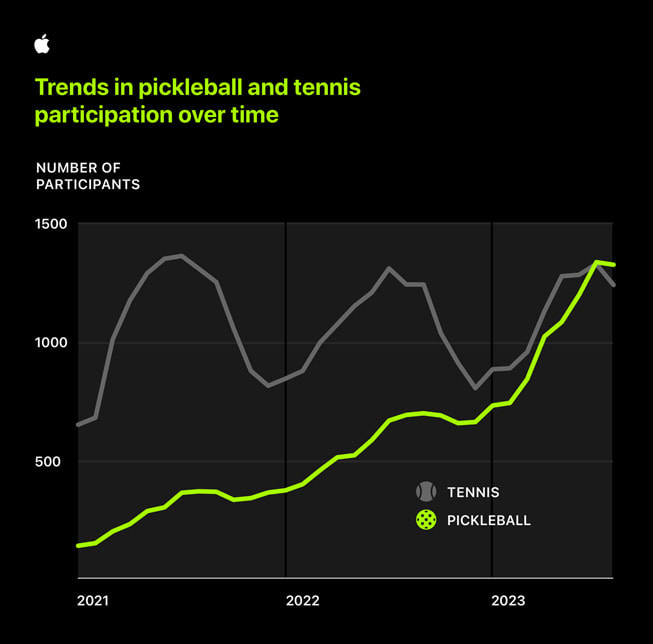
Pickleball is often called the fastest-growing sport in the United States. According to the Sports & Fitness Industry Association (SFIA), pickleball had about 4.8 million players in the US by 2022, marking a 39.3% growth rate from the previous year. This is much faster than tennis, which saw slower growth rates.
Pickleball’s appeal comes from its simple rules, small court size, and social nature. It’s easy for beginners to start, and games are often less physically demanding than tennis. The sport is popular among older adults, but younger players are joining in large numbers.
Many communities build dedicated pickleball courts, and local clubs host regular events.
Another reason for pickleball’s surge is that families can play together regardless of age or fitness level. You might see grandparents playing against grandchildren, which is rare in more physically demanding sports. Also, the sport’s welcoming attitude encourages people who might feel left out in traditional athletic environments.
Comparing Player Numbers And Demographics
To see how pickleball and tennis measure up, let’s look at player numbers and who plays each sport.
Player Numbers
The number of people playing a sport is a clear sign of popularity. Here’s a comparison of estimated player numbers in the US and worldwide:
| Sport | US Players (2022) | Global Players | Growth Rate |
|---|---|---|---|
| Pickleball | 4.8 million | ~5 million | 39.3% |
| Tennis | 23.6 million | 87 million | ~3% |
As shown, tennis has a much larger player base globally. However, pickleball’s growth rate in the US is much higher. This suggests a shift in interest, especially in North America.
Another interesting point is that in some US regions, pickleball now has more players than tennis. For example, some active adult communities report more court bookings for pickleball than for tennis—a sign of changing habits.
Demographics
Pickleball and tennis attract different age groups and backgrounds.
- Pickleball: Most popular among adults aged 55+, but younger players (18–34) now make up about 28% of new participants.
- Tennis: Popular across all ages, with strong youth programs and professional tours for all genders.
Pickleball is seen as inclusive—many people who can’t run fast or play intense sports find pickleball easier. Tennis is more demanding physically and often seen as a competitive sport.
In addition, pickleball’s growth among women is significant. Many clubs report nearly equal participation between men and women, which helps explain its welcoming reputation. Tennis also has strong female participation at both amateur and professional levels, but the entry barriers can feel higher due to skill expectations and competitive atmosphere.
Credit: www.pickleballbc.ca
The Role Of Media And Social Trends
Media exposure plays a big part in how people view and choose sports. Tennis is featured on TV, newspapers, and social media worldwide. Major tournaments bring in huge audiences. Pickleball, while newer, is beginning to appear on sports channels and in mainstream news.
Social media has helped both sports, but in different ways. For tennis, highlights of famous matches or player interviews go viral, attracting millions of views. Pickleball, on the other hand, benefits from grassroots sharing: friends posting group games, local tournament wins, or “how-to” videos for beginners.
Tennis In The Media
- Grand Slam tournaments are broadcast globally.
- Tennis players are often celebrities.
- Social media hashtags like #tennis get millions of views.
The media coverage of tennis also means that even people who don’t play the sport know about the main events. The tradition of watching Wimbledon finals, for example, brings families and friends together across generations.
Pickleball In The Media
- Featured in local news, especially in the US.
- Social media groups and YouTube channels growing rapidly.
- Pickleball tournaments now streamed online.
Pickleball’s media presence is smaller but growing. Its community-driven nature makes it easy to share on social platforms. Tennis, with its history and famous players, dominates traditional media.
Notably, some pickleball players have built large online audiences just by sharing tips or funny moments from games. This kind of organic growth is helping pickleball reach people who might not watch traditional sports broadcasts.
Popularity In Schools And Clubs
Both sports are taught in schools and played at clubs, but their reach is different.
Tennis In Schools
Tennis is part of physical education in many schools worldwide. There are youth leagues, after-school programs, and scholarships for talented players. Tennis clubs often have professional coaches and offer lessons for all skill levels.
In countries like France and Australia, children start tennis as young as age four or five. Schools and clubs sometimes serve as talent pipelines, identifying future stars early. Scholarships and junior tournaments make tennis an attractive path for families hoping for college opportunities.
Pickleball In Schools
Pickleball is starting to appear in US schools, especially in physical education programs. Teachers like it because it’s easy to set up and play indoors or outdoors. Many pickleball clubs are community-based and focus on social play.
A unique detail is that pickleball often introduces kids to racket sports who might not try tennis. Since the paddle is lighter and the court is smaller, children can have early success, building confidence. Some schools now run after-school pickleball clubs, and local recreation centers often offer free “learn to play” events.
Club Memberships
| Sport | Average Club Memberships (US) | Cost Range
 Credit: sportsanalytics.studentorg.berkeley.edu Similar Posts
|
|---|