Pickleball Racket Vs Tennis Racket: Key Differences 2026

Pickleball Racket Vs Tennis Racket: Detailed Comparison For Players
Pickleball and tennis have become two of the most loved racket sports across the world. Many people try both games, and even more are curious about what makes their equipment so different. The pickleball racket (also called a paddle) and the tennis racket are designed for very different sports, but they sometimes look similar to beginners. If you want to switch from one sport to the other, or just want to understand these rackets better, you’re in the right place.
This guide breaks down every key difference between pickleball rackets and tennis rackets—from size and materials to how they affect your playing style. You’ll also find practical advice for choosing the right racket, insights on switching between sports, and answers to questions many new players ask.
Whether you are a curious beginner or a seasoned player, this article will help you understand these two unique rackets, avoid common mistakes, and play your best game.
What Makes Pickleball And Tennis Different?
Before comparing the rackets, it’s important to understand the core differences between pickleball and tennis. These differences shape how each racket is built and used.
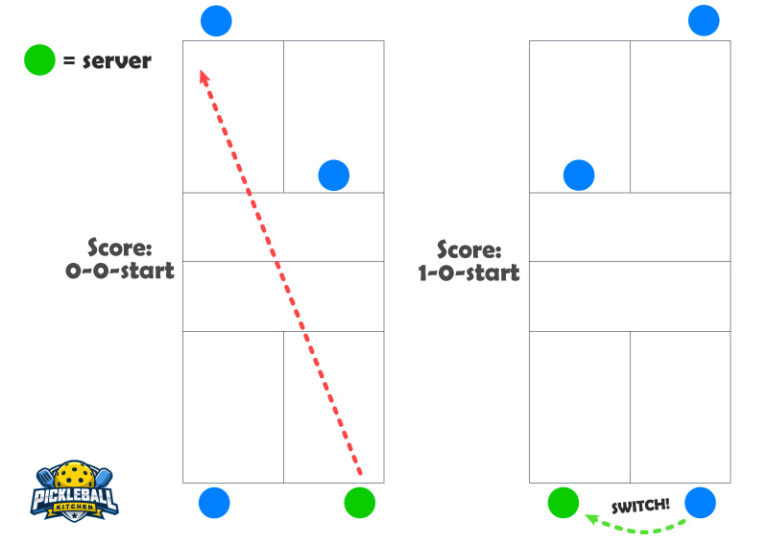
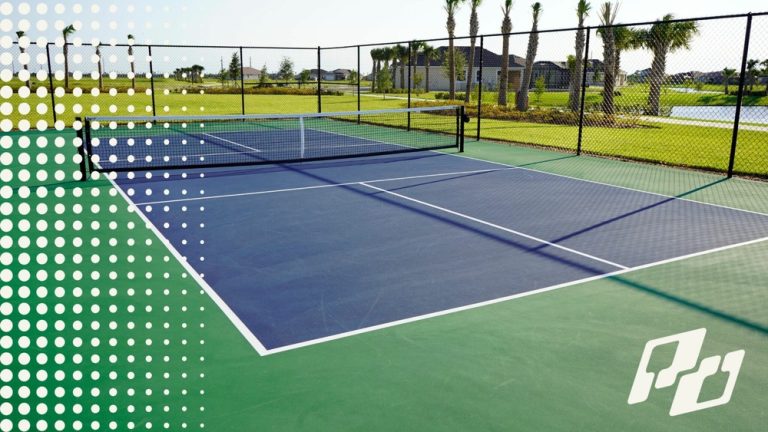
Pickleball is usually played on a much smaller court—20 by 44 feet—compared to a tennis court, which is 36 by 78 feet for doubles. The pickleball net is also lower. The ball in pickleball is lightweight plastic with holes (like a whiffle ball), while tennis uses a felt-covered rubber ball.
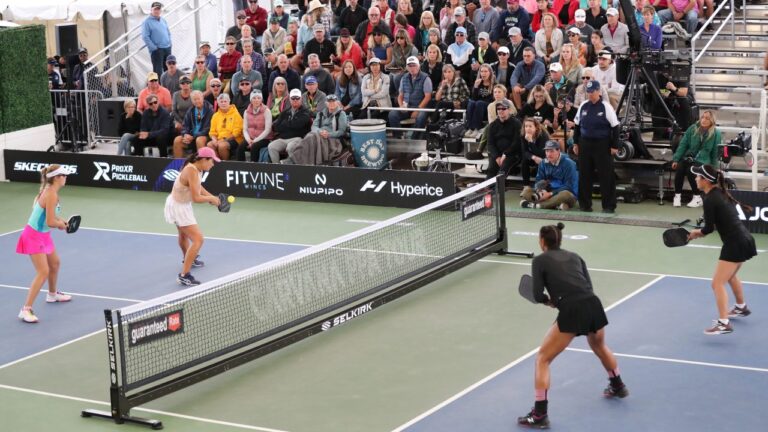
Because the games move at different speeds and require different movements, the rackets have evolved to suit their sport. For example, pickleball involves more wrist action and quick reactions, while tennis uses longer strokes and more full-body power.
Physical Differences: Size, Shape, And Weight
At first glance, a pickleball paddle and a tennis racket look very different. Let’s break down their main physical differences.
Size And Shape
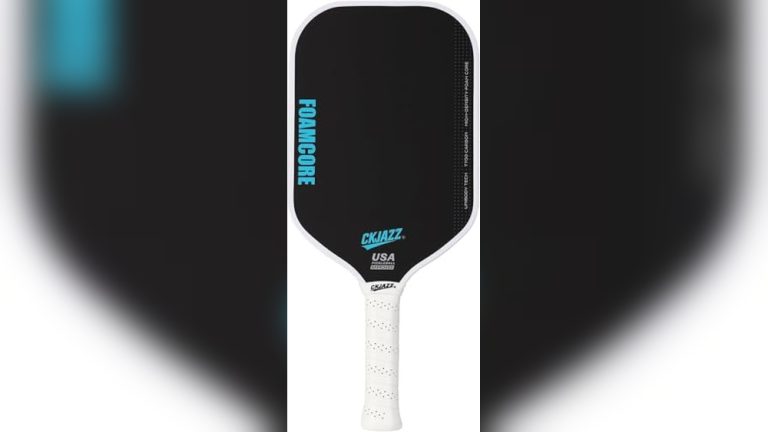
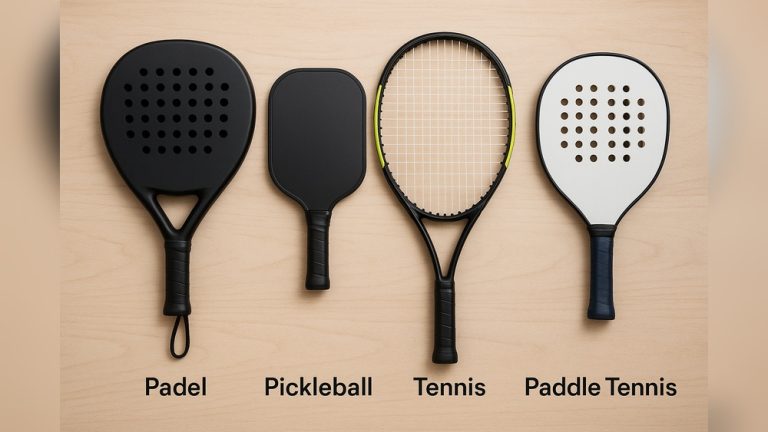
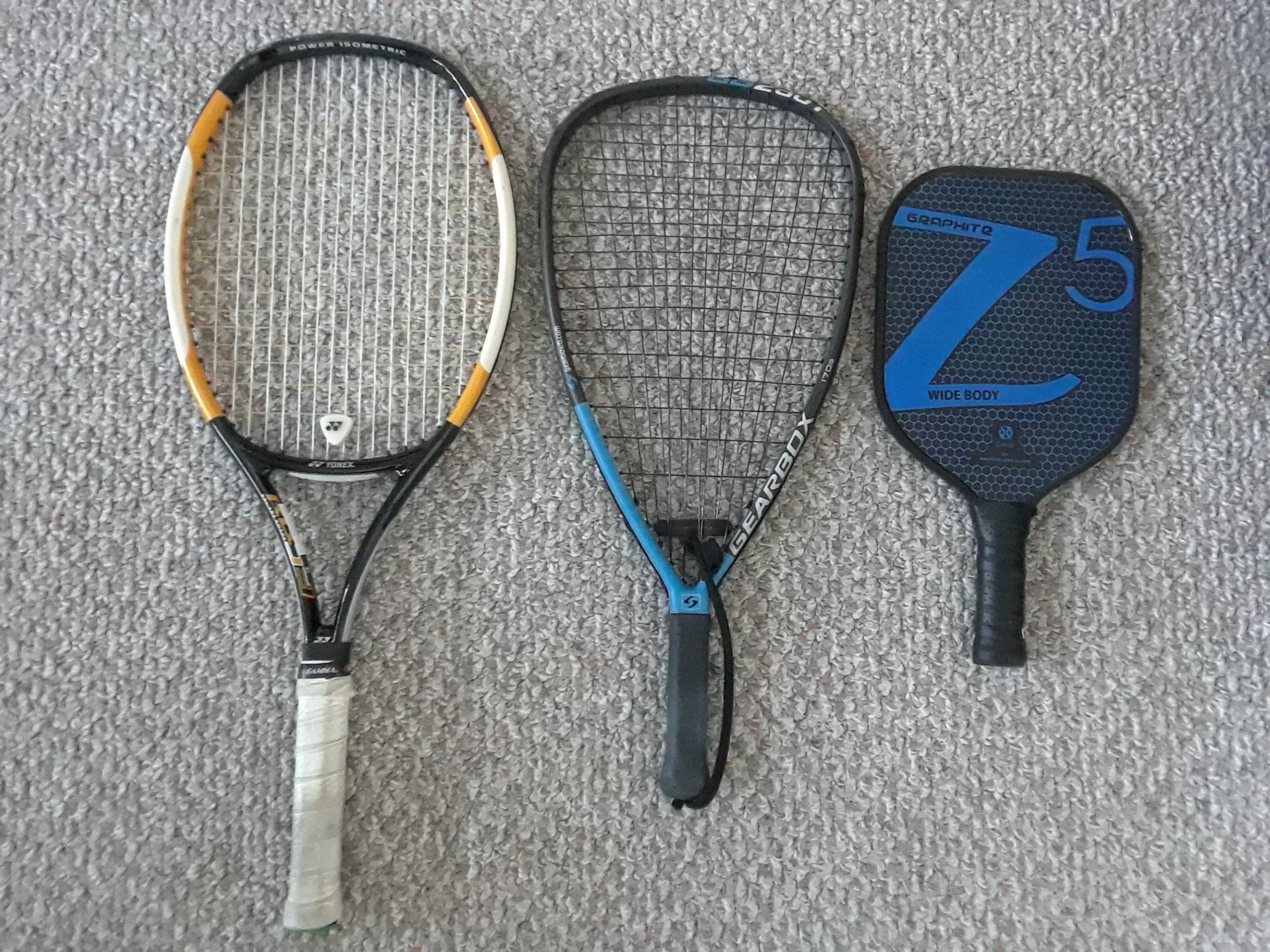
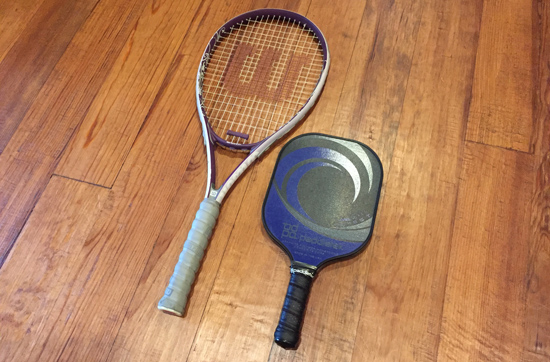
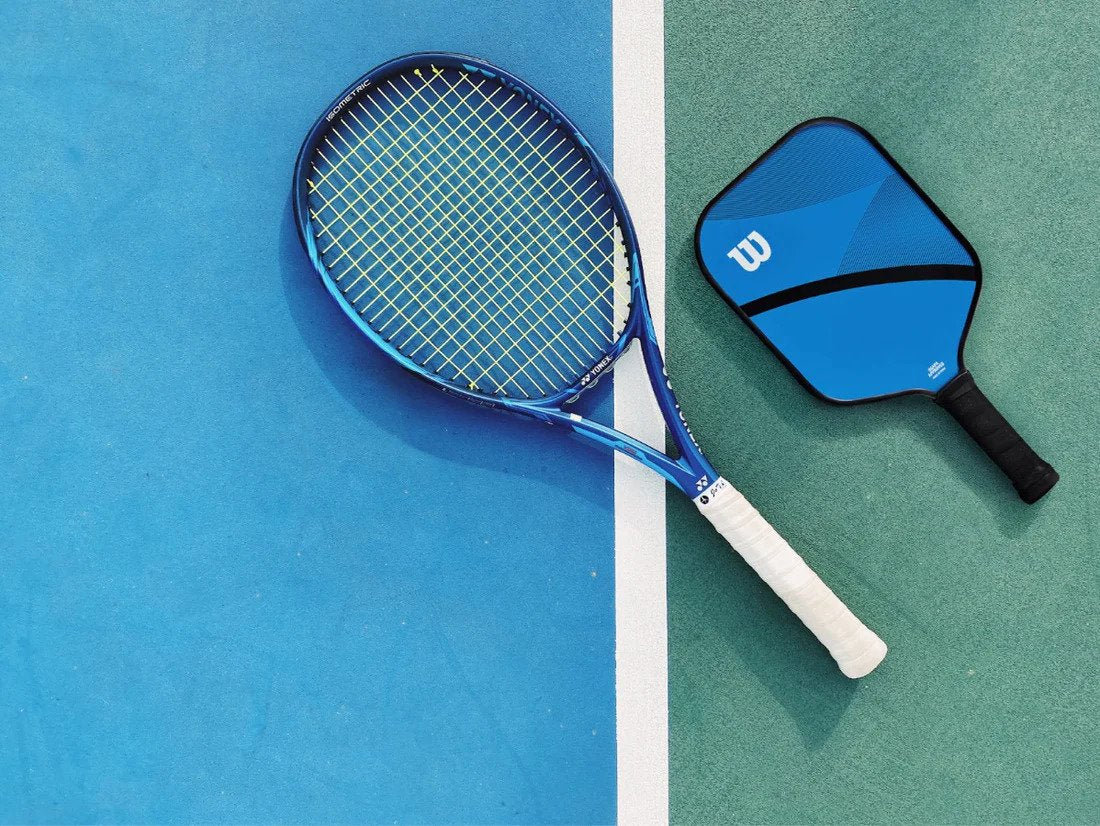
A pickleball racket is usually rectangular or oval and has a solid face, with no strings. The typical paddle is 15.5 to 16.5 inches long and 7 to 8.25 inches wide. Its handle is shorter, similar to a ping-pong paddle.
A tennis racket, on the other hand, has a larger, oval-shaped head with strings stretched across an open frame. The length is about 27 inches, and the width of the head can be up to 12.5 inches. The handle is much longer to allow for two-handed grips and extra reach.
Weight
Pickleball paddles weigh between 6 and 9 ounces (170–255 grams). Lightweight paddles are easier to maneuver but may offer less power. Heavier paddles give more drive behind the ball but can tire the wrist.
Tennis rackets usually weigh 9 to 12.5 ounces (255–355 grams). Lighter rackets are easier for beginners, while advanced players often prefer heavier rackets for stability and shot control.
Thickness
Pickleball paddles are about 11–16 mm thick, while tennis racket frames are much thinner but have a deeper head due to the string bed.
Comparison Table: Physical Attributes
To make the differences clearer, here’s a direct comparison:
| Feature | Pickleball Racket | Tennis Racket |
|---|---|---|
| Length | 15.5 – 16.5 inches | 27 inches (standard) |
| Width | 7 – 8.25 inches | 11 – 12.5 inches (head) |
| Weight | 6 – 9 oz | 9 – 12.5 oz |
| Shape | Oval/Rectangular, solid face | Oval, stringed face |
| Handle Length | 4 – 5.25 inches | 4.5 – 5.5 inches |
| Thickness | 11 – 16 mm | Frame: 19 – 27 mm |
Materials And Construction
The way each racket is made affects how it feels and performs.
Pickleball Racket Materials
Modern pickleball paddles are often made from composite materials. The most common core materials are:
- Polymer (plastic): Soft feel, quiet, more control
- Nomex (honeycomb cardboard): Hard, loud, powerful
- Aluminum (honeycomb): Lightweight, good touch
The paddle’s face is usually covered in fiberglass, carbon fiber, or graphite. Carbon fiber is the most popular for advanced players because it’s light and strong.
Tennis Racket Materials
Tennis rackets have evolved from wood to graphite composites. Today’s rackets use:
- Graphite: Lightweight and stiff, excellent power
- Carbon fiber: Added for strength and feel
- Kevlar or titanium: Sometimes added for durability
The string bed is made from either nylon, polyester, or natural gut. String choice changes how the ball feels and how much spin you can create.
Durability
Both types of rackets are built to last, but pickleball paddles may wear out faster with heavy use. The soft core can break down, and the face may chip if struck against the court. Tennis racket frames are very strong, but strings need regular replacement.
Playing Style: How Each Racket Affects Your Game
The type of racket you use will change how you play, your technique, and your strategy.
Power And Control
- Pickleball paddles are designed for control and quick reaction. Because the court is small and shots are fast, players rely on short swings and wrist flicks. The solid face gives a consistent touch but less raw power.
- Tennis rackets are built for power and spin. The strings stretch and “pocket” the ball, allowing you to hit hard and generate topspin or slice. The longer handle helps with two-handed backhands and more leverage.
Sweet Spot
The sweet spot is the area of the racket that gives the best response. Pickleball paddles have a smaller sweet spot due to their size, so hitting the center is important. Tennis rackets have a larger sweet spot, but off-center hits can still lose power.
Spin
- Tennis rackets are much better for spin. The strings grip the ball, letting you add topspin, slice, or sidespin easily.
- Pickleball paddles can create some spin, especially with textured faces, but not as much as tennis rackets.
Playing Example
If you switch from tennis to pickleball, you might swing too big at first. Tennis strokes are long and full-bodied, but pickleball rewards quick, compact movements. Many new pickleball players make the mistake of trying to hit the ball too hard, which often leads to errors.
Rules And Equipment Regulations
Both sports have official rules about rackets, but the limits are different.
Pickleball Paddle Rules
The USA Pickleball Association sets limits for paddles:
- Max length + width: 24 inches total (most paddles are 16.5 x 7.5)
- Max length: 17 inches
- No holes or strings in the paddle face
- Surface must be smooth (limited texture for spin)
Paddle testing for roughness is strict at tournaments.
Tennis Racket Rules
The International Tennis Federation (ITF) rules:
- Max length: 29 inches
- Max width: 12.5 inches
- Stringed hitting surface only
- No double stringing, power-boosting devices, or electric components
Some rackets used by pros are customized, but must fit within these limits.
Cost: Price Ranges And What You Get
Budget is often a big factor for beginners. Here’s how the costs compare.
Pickleball Rackets
- Entry-level paddles: $30–$50
- Mid-range: $50–$100
- High-end: $120–$250
More expensive paddles use carbon fiber and offer better feel. However, even mid-range paddles can perform well for most players.
Tennis Rackets
- Entry-level rackets: $30–$60
- Mid-range: $80–$150
- High-end: $180–$350
Professional-level rackets can cost more, but most recreational players are fine with mid-range options. Remember, strings may need replacing every few months ($20–$40 per restring).
Comparison Table: Cost And Value
Here’s a side-by-side look at costs:
| Price Range | Pickleball Racket | Tennis Racket |
|---|---|---|
| Entry-Level | $30 – $50 | $30 – $60 |
| Mid-Range | $50 – $100 | $80 – $150 |
| High-End | $120 – $250 | $180 – $350 |
| Maintenance | Low (replace if damaged) | Strings: $20–$40, Frame: Rarely replaced |
Credit: pickleballfire.com
Grip And Handle Differences
The way you hold each racket changes your comfort and performance.
Pickleball Grip
Pickleball paddles have shorter handles and a smaller grip circumference (usually 4–4.5 inches). This helps with fast wrist movement and dinking (soft shots at the net).
Tennis Grip
Tennis rackets offer longer handles and a wider range of grip sizes (4–4.75 inches). The longer handle supports both one- and two-handed shots. Many tennis players use an overgrip for extra comfort.
Choosing The Right Grip Size
Getting the grip size right is critical. Too small, and you’ll overwork your hand. Too large, and you’ll lose control. A common method: hold the racket, and if you can fit the width of your index finger between your fingertips and palm, the grip is about right.
Impact On Injury And Comfort
Using the wrong racket can increase your risk of injury.
Pickleball-related Injuries
- Wrist strain: Pickleball relies on wrist flicks. Too heavy a paddle or a poor grip can cause pain.
- Tennis elbow: Overuse can cause this even in pickleball, especially with stiff paddles.
Tennis-related Injuries
- Tennis elbow: Caused by repetitive motion and string vibration
- Shoulder injuries: Heavy rackets or poor swing mechanics can lead to pain
- Wrist strain: Less common, but possible with improper grip
Tips To Avoid Injury
- Choose the right weight—don’t go too heavy, even if you want more power.
- Replace your grip if it gets slippery.
- Warm up your arm before playing.
- Take breaks if you feel pain.
Many new players overlook grip size and paddle weight, leading to avoidable injuries.
Transitioning Between Tennis And Pickleball
If you already play one sport, switching to the other isn’t always easy. Here’s what to expect.
Common Challenges
- Swing size: Tennis players often swing too big in pickleball, missing the ball or hitting out.
- Spin habits: Tennis players rely on topspin, but pickleball paddles create less spin.
- Court movement: Pickleball courts are smaller, so footwork is different.
Tips For A Smooth Transition
- Start with a lighter paddle or racket to adjust.
- Focus on control and placement, not just power.
- Use drills to develop new muscle memory.
- Watch experienced players and mimic their strokes.
One insight many miss: pickleball rewards patience and quick volleys, while tennis rewards aggressive baseline play. Adjust your strategy to fit the sport.
How To Choose The Right Racket For You
Picking the right racket depends on your skill level, playing style, and even your physical condition.
For Beginners
- Pickleball: Go for a mid-weight paddle (7.5–8 oz) with a comfortable grip. Composite or graphite faces are forgiving.
- Tennis: Choose a lighter racket (9–10 oz) with a larger head size (100–110 sq in) for a bigger sweet spot.
For Advanced Players
- Pickleball: You may prefer a heavier paddle for power or a carbon fiber face for touch.
- Tennis: Consider a heavier racket for stability, tighter string patterns for control, or custom string tension.
Mistakes To Avoid
- Buying the most expensive racket without considering your needs.
- Ignoring grip size—too small or large can cause pain.
- Choosing a heavy paddle or racket just for power.
- Not testing before buying: Many stores let you demo rackets.
Impact On Playing Style And Strategy
Your racket shapes how you play.
Pickleball Strategy
Pickleball is about quick reactions, soft touches, and winning points at the net. The smaller paddle helps with finesse shots like dinks and blocks. Power shots are less common.
Tennis Strategy
Tennis offers more room for powerful baseline rallies, spin, and angles. The stringed racket lets you shape the ball, and the bigger court rewards aggressive play and stamina.
Adapting Your Game
If you play both sports, practice adjusting your swing size and wrist movement. Many players find it takes weeks to switch habits, but the effort improves their skills in both games.
Longevity And Maintenance
Both types of rackets last years with care, but maintenance is different.
Pickleball Paddle Maintenance
- Wipe down after play to remove sweat and dirt.
- Check edges for chips or cracks.
- Replace if core gets soft or face warps.
Tennis Racket Maintenance
- Restring every 3–6 months, or sooner if you play often.
- Replace overgrip when worn.
- Inspect frame for cracks after hard hits.
A tip many beginners miss: A paddle or racket that feels “dead” may just need a grip replacement or restringing, not a full replacement.
Popular Brands And Models
Knowing the top brands can help you choose quality equipment.
Top Pickleball Racket Brands
- Selkirk: Popular for pro-level paddles, especially the Amped and Vanguard series.
- Paddletek: Known for balanced control and power.
- Onix: Offers affordable and advanced paddles.
- Engage: Focuses on spin and innovative materials.
Top Tennis Racket Brands
- Wilson: Used by many pros, famous for the Pro Staff and Clash models.
- Babolat: Known for the Pure Drive and Pure Aero.
- Head: Offers the Speed and Radical series.
- Yonex: Unique oval head shape, popular with advanced players.
Environmental Impact
Many don’t consider the environmental side of racket production.
- Pickleball paddles often use plastics and resins, which are hard to recycle.
- Tennis rackets use composites and string materials, some of which can be recycled, but most end up as waste.
Some companies now offer recycling programs for old rackets or paddles. Consider donating used equipment to community centers.
Which Is Easier To Learn?
Pickleball is often called the “easier” sport for beginners. The smaller court and lighter paddle mean less running and simpler swings. Tennis has a steeper learning curve, especially for serving and mastering different spins.
However, each sport offers unique challenges, and the skill ceiling is high in both. If you’re older or have joint issues, pickleball may be gentler on the body.
Which Racket Is Right For Kids?
For children, both sports offer smaller, lighter options.
- Junior tennis rackets are available in 19–26 inch lengths.
- Youth pickleball paddles are lighter, sometimes with fun designs to engage kids.
Pickleball’s slower pace can be less intimidating for young children, but tennis develops more full-body coordination.
Credit: pickleballkitchen.com
Technology And Innovation
Both sports have seen rapid advances in technology.
Pickleball Paddle Innovations
- Textured faces for more spin
- Edge guards to prevent chips
- Core materials that balance power and control
Tennis Racket Innovations
- Vibration dampening for less arm pain
- Aero frames for faster swings
- Smart sensors to track data (swing speed, impact)
One interesting fact: Some pickleball paddle makers now use aerospace-grade carbon fiber, similar to what’s found in top tennis rackets.
Comparing Noise Levels
Pickleball paddles can be noisy, especially Nomex core models. This matters for players in residential areas. Some communities even ban certain paddles for being too loud.
Tennis rackets are quieter, but the thwack of the ball on strings is still noticeable. If noise is a concern, look for paddles labeled as “quiet” or “community approved. ”
Accessibility And Popularity
Tennis has been popular worldwide for over a century, but pickleball is America’s fastest-growing sport. Pickleball courts are popping up in parks and retirement communities everywhere.
- Pickleball is especially popular among older adults due to the lower impact.
- Tennis remains a favorite for youth programs and high school teams.
Both sports are great for fitness, socializing, and lifelong health.
Can You Use A Tennis Racket For Pickleball (or Vice Versa)?
The answer is no. Official rules require the correct equipment. A tennis racket is too large, heavy, and stringed for pickleball play. A pickleball paddle is too small and would not work with a tennis ball.
If you’re just playing for fun at home, you can experiment—but don’t expect good results.
Summary Table: Pickleball Racket Vs Tennis Racket
Here’s an at-a-glance summary of the key differences:
| Feature | Pickleball Racket | Tennis Racket |
|---|---|---|
| Length | 15.5–16.5 in | 27 in |
| Weight | 6–9 oz | 9–12.5 oz |
| Face | Solid, no strings | Stringed |
| Grip Size | 4–4.5 in | 4–4.75 in |
| Typical Cost | $50–$200 | $80–$300 (+strings) |
| Best For | Quick reactions, control | Power, spin, range |
Non-obvious Insights For Players
Most beginners focus only on size and weight, but two deeper factors matter:
- Racket balance (head-heavy vs. head-light) changes how each racket feels in motion. Tennis rackets often let you choose the balance, but pickleball paddles are more uniform.
- Vibration damping: If you have elbow pain, some paddles and rackets include special cores or dampeners. Try several models to find what feels best for your arm.
Another overlooked factor: the ball’s reaction. Pickleball paddles have a “dead” feel compared to the bouncy response of tennis strings. This changes your timing and shot choices.
Credit: www.shopdoubletake.com
Where To Learn More
Official organizations like the USA Pickleball Association and International Tennis Federation offer detailed guides and equipment lists. For more technical information, visit the Racket Sports Wikipedia page.
Frequently Asked Questions
What’s The Main Difference Between A Pickleball Racket And A Tennis Racket?
The pickleball racket is smaller, solid, and has no strings, designed for quick control on a small court. The tennis racket is longer, has a stringed face, and is made for power and spin on a larger court.
Can I Use A Tennis Racket For Pickleball?
No, official rules require a paddle with a solid face for pickleball. Tennis rackets are too large, heavy, and have strings, which are not allowed in pickleball.
Which Sport Is Easier For Beginners: Tennis Or Pickleball?
Pickleball is generally easier for beginners because of its lighter paddle, smaller court, and simpler swings. Tennis requires more running, longer strokes, and has a steeper learning curve.
How Often Should I Replace My Racket Or Paddle?
Replace your pickleball paddle if the surface gets dead or the core feels soft. For tennis rackets, restring every 3–6 months and replace the frame only if cracked. Grips should be replaced when worn.
What Grip Size Should I Choose For My Racket?
For pickleball, grip sizes are usually 4–4. 5 inches. For tennis, they range from 4–4. 75 inches. The right size lets you fit your index finger between your palm and fingertips when holding the racket. Too small or large a grip can lead to injuries.
Switching sports or picking your first racket can feel overwhelming, but understanding these differences helps you make the right choice. With the proper equipment, you’ll enjoy your game more and improve faster. Whether you choose pickleball, tennis, or both, the right racket is your best partner on the court.