Pickleball Rules Singles Vs Doubles: Key Differences Unveiled

Pickleball captivates players with its unique blend of tennis, badminton, and table tennis. Whether in singles or doubles, the game’s rules set the stage for fun and competitive play.
As pickleball sweeps across communities and age groups, understanding the differences in rules between singles and doubles becomes crucial for players looking to enjoy the sport to its fullest. Let’s dive into the world of pickleball, where the court becomes an arena for both individual prowess and team strategy.
In singles, one player faces off against another, each mastering the court with agility and precision. Doubles, on the other hand, introduces a partnership dynamic, where coordination and communication are key. While both formats follow the essential pickleball principles, subtle rule variations exist to optimize play for the number of participants. This introduction will guide newcomers and seasoned players alike through the rules of pickleball, helping you to grasp the essentials before you step onto the court. With clear explanations and practical tips, you’ll be ready to serve, volley, and score, whether you’re holding down the fort alone or rallying with a partner.
Introduction To Pickleball
Pickleball combines elements from tennis, badminton, and table tennis. Easy to learn and fun to play, this sport has gained massive popularity.
Players use solid paddles to hit a perforated ball over a net. The game can be played indoors or outdoors, making it accessible year-round.
The Rise Of Pickleball
Originating in the mid-1960s, Pickleball has seen a remarkable growth in recent years. Enthusiasts span all ages and skill levels.
- Simple rules
- Low-impact activity
- Social and competitive nature
Singles Vs Doubles: A Snapshot
In singles, one player competes against another. Doubles involve two teams of two. Both formats require strategy and skill.
| Singles | Doubles |
|---|---|
| Fast-paced | Team coordination |
| Greater court coverage | Shared responsibility |
Fundamentals Of Pickleball
Understanding Pickleball’s basics is key. This sport, perfect for both singles and doubles, needs a grasp of simple rules and equipment. Let’s dive into the essentials of Pickleball, focusing on what you need to play and how to score.
Basic Equipment
- A paddle for each player. Paddles are bigger than ping pong but smaller than tennis rackets.
- One plastic ball with holes. Similar to a wiffle ball.
- A net. The court is the same size for singles and doubles.
- Court shoes. Good grip is important for safety.
Scoring System
Scoring in Pickleball is unique. Points happen only on the serve. The game goes to 11, 15, or 21. You must win by 2 points.
| Match Type | Points to Win | Must Win By |
|---|---|---|
| Singles | 11, 15, or 21 | 2 points |
| Doubles | 11, 15, or 21 | 2 points |
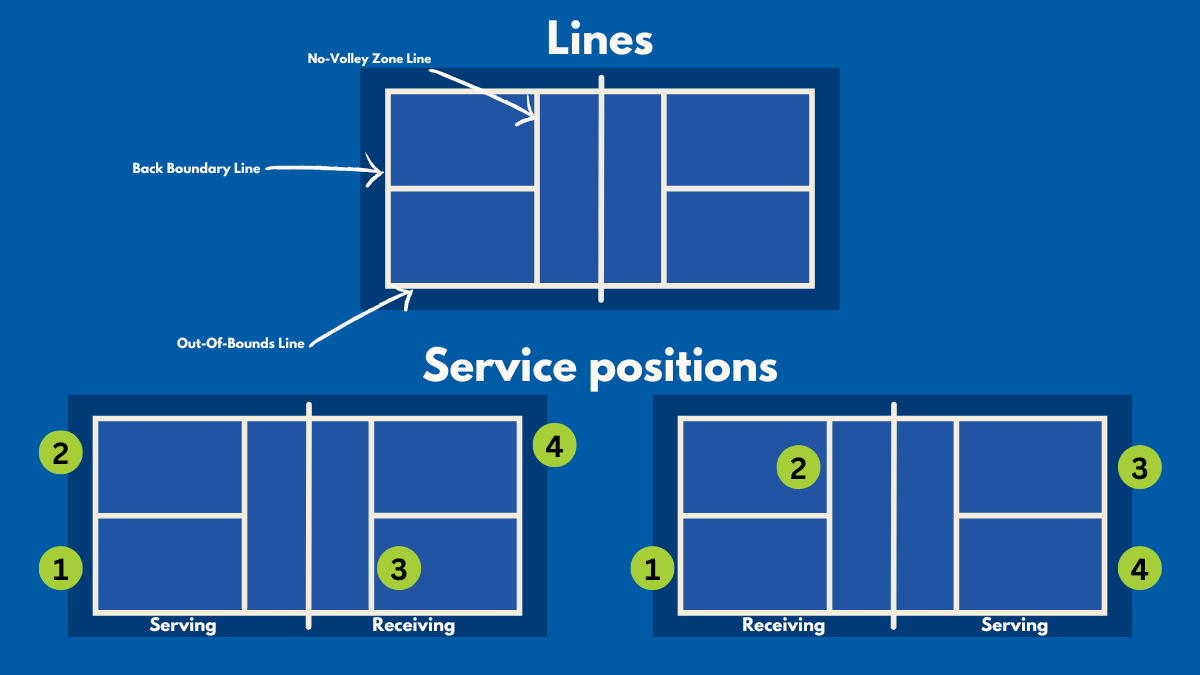
In singles, you serve from the right if your score is even. Serve from the left if odd.
In doubles, teams serve until they make a mistake. Then, the other team serves.
Remember, practice makes perfect. Knowing these basics will help you start strong.
Singles Pickleball
Singles Pickleball is a fast-paced, engaging sport that provides endless fun and a competitive edge. This one-on-one version of the game emphasizes skill, strategy, and agility. Understanding the specific rules for singles play is crucial for anyone looking to step onto the court. Let’s dive into the serving rules and court dimensions unique to singles pickleball.
Serving Rules
- Players serve diagonally across the court to the opponent’s service zone.
- Serving must occur behind the baseline, with the paddle below the waist.
- The ball is served underhand and must clear the non-volley zone.
- The server continues to serve until a point is lost.
- The serve alternates between the right and left sides of the court.
Court Dimensions And Usage
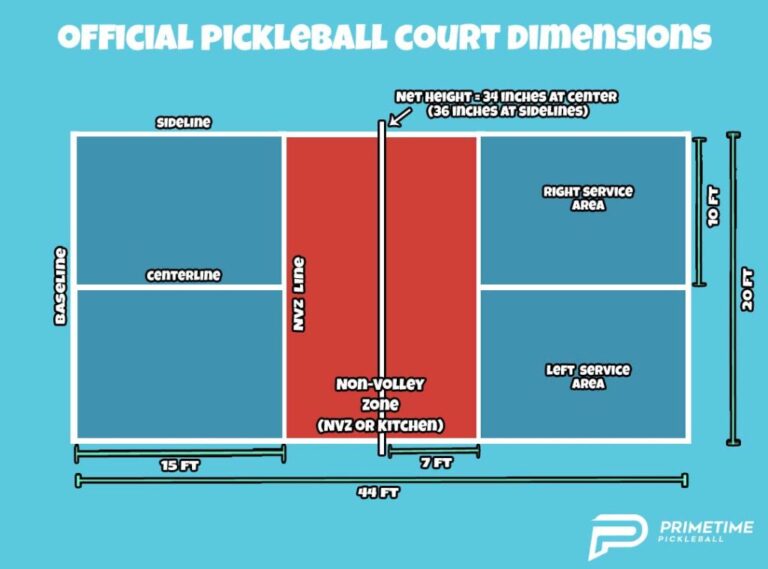
In singles pickleball, players use the entire court. The dimensions are 20 feet wide by 44 feet long. Unlike doubles, there’s no need to share space, allowing players full range. This demands greater stamina and movement.
| Court Area | Dimensions |
|---|---|
| Total Court Size | 20′ x 44′ |
| Service Areas | 10′ x 15′ |
| Non-Volley Zone | 7′ from the net |

Credit: www.youtube.com
Doubles Pickleball
Doubles pickleball brings a dynamic twist to the court. With two players on each side, strategy and coordination become key. This team version of pickleball involves unique rules and positioning that differ from singles play. Let’s dive into the specifics that make doubles pickleball an exciting game.
Coordination In Team Play
Success in doubles pickleball hinges on teamwork. Players must move as a unit, covering the court and anticipating their partner’s actions. Here are some key points:
- Communicate with your partner to avoid collisions and missed shots.
- Develop a strategy that plays to both players’ strengths.
- Practice shot synchronization to maintain a strong defense.
Serving Rotation And Positioning
In doubles pickleball, serving rotation is vital. Here’s how it works:
- Only the serving team can score points.
- Players serve diagonally crosscourt and alternate serves.
- After serving, position yourself to control the court.
Positioning after the serve is equally crucial:
| Server | Partner | Action |
|---|---|---|
| Left side | Right side | Move to net quickly |
| Right side | Left side | Cover baseline shots |
Faults And Penalties
Understanding ‘Faults and Penalties’ in pickleball is key. This part of the game can confuse players. Both singles and doubles games have rules about faults. Let’s dive into what makes a fault and the penalties involved.
Common Faults In Singles
In singles play, common faults occur often. A fault happens if the ball hits out of bounds. Serving into the wrong service square is also a fault. Missing the ball when serving counts too. These mistakes lead to the other player scoring a point.
Unique Faults In Doubles
Doubles play introduces unique faults. One is the wrong server serving. Another is serving from the wrong side. These faults give the serve to the other team. Communication is key to avoid these faults. Players must know their serving order and position.
Credit: scl.cornell.edu
Strategic Play
Mastering the art of strategic play sets top pickleball players apart. Singles and doubles games have different tactics. Knowing these can lead to victory on the court. This section delves into effective strategies for both singles and doubles pickleball play.
Strategies For Singles
In singles, control and precision rule the game. Players should focus on deep serves. This forces the opponent to the back of the court. A strong serve limits their shot options. Keeping them moving is key. Side to side play tires out opponents. Hit to their weak hand often. Use drop shots when they are far back. This draws them to the net. Then, hit a passing shot to win the point.
Team Strategies In Doubles
Doubles pickleball requires teamwork. Communication is vital. Teams should serve deep too. It helps in setting up the next shot. Both players must cover their side. They should move together, like a wall. One strategy is stacking. This keeps the strong forehand in the middle. Poaching is another tactic. One player intercepts a shot aimed at their partner. Teams must also master the soft game. Dinks and patient play force errors. Quick volleys can catch opponents off guard.
Physical And Mental Demands
Pickleball, a sport that blends elements from tennis, badminton, and ping-pong, presents unique physical and mental challenges. These demands vary significantly between singles and doubles play. Understanding these differences is crucial for players looking to excel in either format.
Endurance In Singles Play
Singles pickleball tests a player’s stamina. With the entire court to cover, players must move quickly and efficiently. Long rallies demand sustained energy and quick recovery. Players must maintain high levels of fitness to compete effectively in singles matches.
Communication And Synchronization In Doubles
Doubles play requires teamwork. Partners must communicate clearly to coordinate movements and shots. They must also think as one to cover the court and outmaneuver opponents. This synchrony is vital for success and requires mental agility and trust.
Transitioning Between Singles And Doubles
Moving from singles to doubles in pickleball involves changes. Both game types have unique rules and strategies. Players must adapt to succeed in both formats. This section covers key areas of adjustment, focusing on techniques and mindset.
Adapting Techniques
Technique changes are crucial when switching from singles to doubles. In singles, players cover the entire court alone. Doubles require teamwork and shared court coverage. Here are main technique adjustments:
- Shot selection becomes more strategic in doubles. Players aim to set up shots for their partner.
- Positioning is different. Players stand closer, covering their side of the court.
- Serves and returns aim to benefit the team, not just the individual.
Mindset Shifts
Success in doubles demands a different mindset from singles. Key mindset shifts include:
- Teamwork is essential. Players must think as a unit, not individuals.
- Communication becomes a tool. Players talk to coordinate moves and shots.
- Patience is vital. The game may slow down, requiring strategic play over power.
Understanding these changes helps players transition smoothly between singles and doubles. Practice and patience are key to mastering both formats.
Common Mistakes To Avoid
Playing pickleball involves rules that are easy to mix up. This holds true for both singles and doubles games. Knowing common errors can help players avoid them. This leads to a better, more strategic game. Let’s dive into the typical mistakes players should steer clear of.
Singles Game Errors
Forgetting to serve diagonally can cost points in singles. Players often make the mistake of serving straight across. Another frequent error is not using the whole court. Players tend to stick to the center. This limits their reach and control. Keeping the serve and return deep is crucial. Short plays make it easier for the opponent to gain an advantage.
Doubles Game Blunders
In doubles, communication is key. Teams often fail to call balls, leading to missed opportunities. Another blunder is poor positioning. Both players must cover their side effectively. One common mistake is both players staying back. This leaves the net open for opponents to attack. Teams also struggle with shot selection. They choose difficult shots over simple, strategic plays. This can lead to unforced errors and lost points.
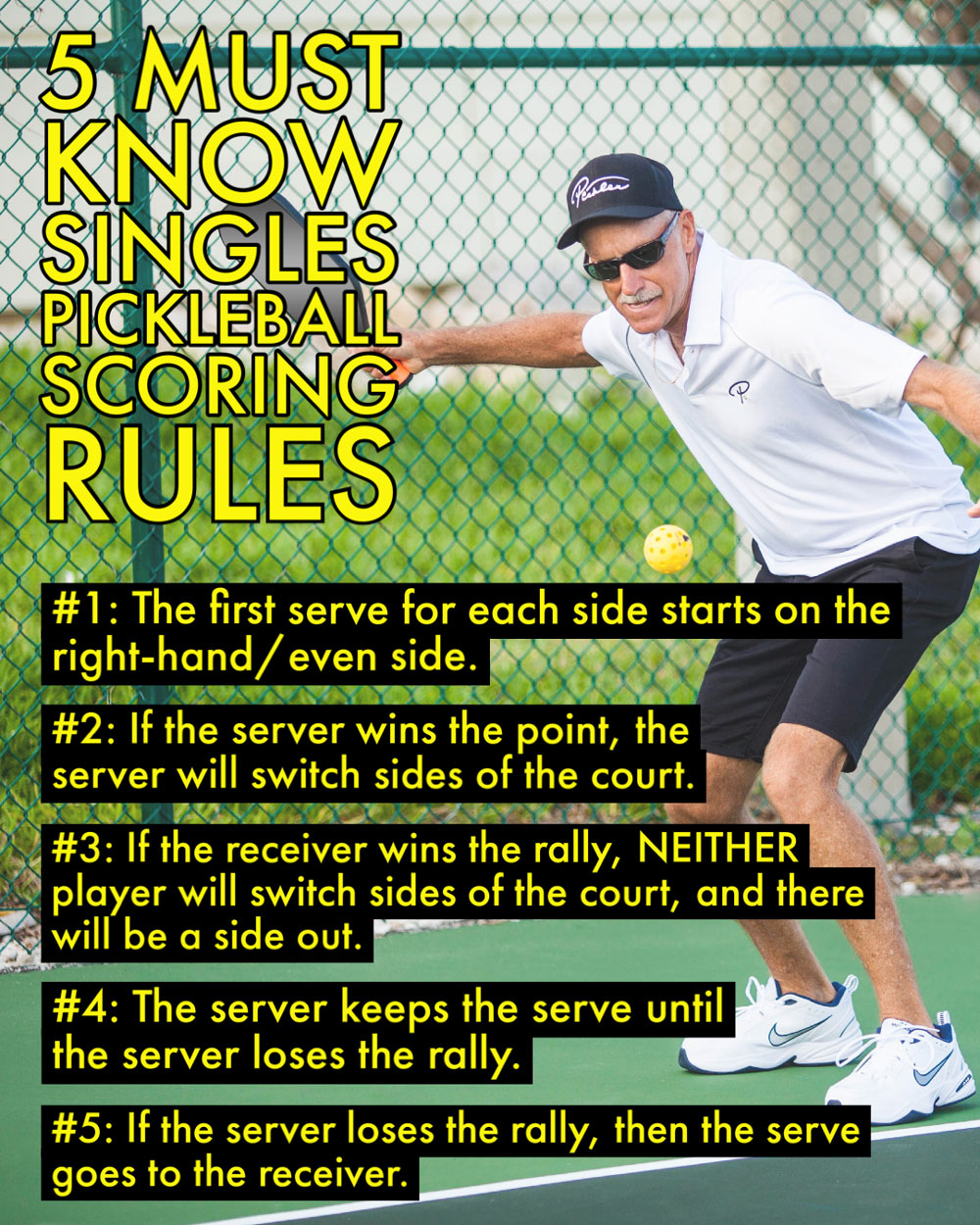
Credit: thepickler.com
Frequently Asked Questions
What Are The Key Rules For Singles Pickleball?
In singles pickleball, the server serves from the right side when their score is even and from the left when it’s odd. The serve must be diagonal, landing in the opposite service court. There are no second serves, and the game is played to 11, win by 2.
How Do Doubles Rules Differ In Pickleball?
Doubles pickleball introduces the two-bounce rule, requiring the ball to bounce once on each side before volleys are allowed. Teams must serve and receive from the same side and switch after scoring points. The server’s score determines the serving position.
Can You Switch Sides In Doubles Pickleball?
Yes, players switch sides with their partner in doubles pickleball after scoring a point. However, during serve, players must remain in their designated service courts until the ball is struck. Position switching during rallies is allowed as part of the strategy.
What Is The Non-volley Zone Rule In Pickleball?
The non-volley zone, also known as the kitchen, is a 7-foot area on both sides of the net. Players cannot volley (hit the ball in the air) within this zone. The rule prevents aggressive play at the net and promotes longer rallies.
Conclusion
Understanding the rules of pickleball for singles and doubles is crucial. It shapes your strategy and impacts your enjoyment of the game. Remember, singles focus on stamina and precision. Doubles demand teamwork and communication. Both versions share basic rules but differ in serving, positioning, and scoring.
Master these differences, and you’ll enjoy every match more. Embrace the challenge, grab a paddle, and get ready to play. Whether you prefer singles or doubles, pickleball offers fun and excitement for all. So, hit the court and let the games begin!