What Is A Volley Serve In Pickleball

What is a Volley Serve in Pickleball? Your Ultimate Guide to the Standard Serve
Ever stepped onto a pickleball court, paddle in hand, and wondered exactly how to get that little plastic ball flying over the net legally? You’re not alone! The serve is the very first shot of every rally, and getting it right is fundamental to playing the game. While there are a few nuances to pickleball serves, today we’re diving deep into the most traditional and widely used method: the volley serve.
You might have heard terms like “drop serve” or “underhand serve,” and it can get a little confusing. But don’t worry, we’re here to clear things up. At its heart, what is a volley serve in pickleball? It’s the standard, original serve where you release the ball from your hand and strike it with your paddle before it hits the ground. It’s an underhand motion, and it’s the foundation of serving in pickleball. Mastering it will give you a solid start to every point.
This comprehensive guide will walk you through everything you need to know about this essential serve. From the exact steps to legal requirements, common pitfalls, and tips for improvement, you’ll be serving like a pro in no time!
Understanding What is a Volley Serve in Pickleball: A Step-by-Step Guide
The volley serve, often simply called the “serve” in pickleball, is deceptively simple but requires precision and consistency. Here’s how to execute it legally and effectively:
Step 1: Get Your Stance Right for the Volley Serve
- Positioning: Stand with at least one foot behind the baseline (the back line of the court). You can stand anywhere along the baseline, from the center mark to the sideline, as long as you don’t step on or over the line until after you’ve hit the ball.
- Body Alignment: Face the net, slightly angled towards the opposite service court you’re aiming for. Your feet should be about shoulder-width apart, with your non-dominant foot slightly forward. This provides a stable base and allows for a natural swing.
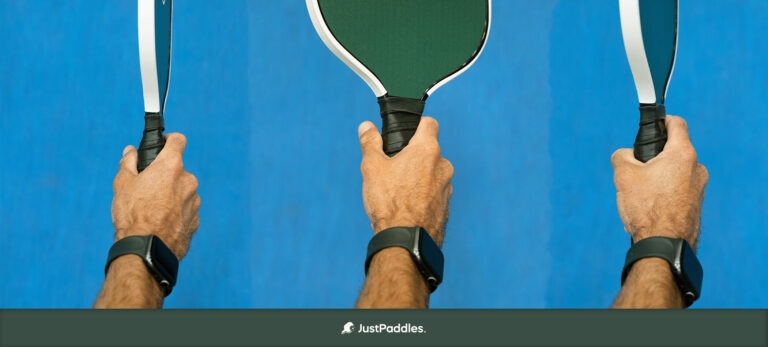
- Paddle Ready: Hold your paddle comfortably in your dominant hand, ready to swing. Your non-dominant hand will hold the ball.
Step 2: The Crucial Ball Drop for Your Volley Serve
This is where the “volley” part comes in for pickleball. Unlike a tennis serve where you toss the ball high, in pickleball, you simply release or drop the ball.
- No Tossing: The key here is to drop the ball, not toss it up. Let gravity do the work. Your non-dominant hand should just open and release the ball.
- Drop Height: Drop the ball from a comfortable height, typically around waist level or slightly higher. The goal is to create a consistent drop that allows you to make contact at the ideal point.
- Timing: As you drop the ball, your paddle should begin its backswing, preparing for the strike.
Step 3: Executing the Underhand Stroke and Contact
This is the core of what is a volley serve in pickleball – the actual hitting motion.
- Underhand Motion: Your swing must be clearly an underhand motion. This means your arm should move in an upward arc when you strike the ball.
- Paddle Below Wrist: At the moment of contact, your paddle head (the hitting surface) must be below your wrist. This is a strict rule to prevent an overhand, tennis-like serve.
- Contact Below Waist: The ball must be struck below your waist. Imagine an imaginary line around your body at waist height; the ball needs to be below that line when your paddle makes contact.
- Hitting Before the Bounce: This is the defining characteristic of the volley serve: you must hit the ball before it bounces on the court. If you let it bounce first, you’re performing a different type of serve (a drop serve), which is also legal but distinct.
Step 4: The Follow Through
Just like in many sports, a good follow-through is essential for control, power, and consistency.
- Smooth Arc: Continue your swing in a smooth, upward arc towards your target.
- Body Rotation: Allow your body to naturally rotate with the swing. This helps generate power and ensures your shot goes where you intend.
- Ready Position: After your follow-through, quickly get back into a ready position, anticipating your opponent’s return.
Tips for Making Your Volley Serve in Pickleball Even Better
Once you understand the mechanics, it’s time to refine your technique. Here are some tips to elevate your volley serve:
Consistency is Key for a Strong Volley Serve
The most important aspect of a good serve isn’t necessarily power, but consistency. Being able to reliably get the ball over the net and into the service box is crucial.
- Repetition: Practice your serve over and over again. Focus on hitting the same spot in the service box consistently.
- Routine: Develop a pre-serve routine (e.g., bouncing the ball a few times, taking a deep breath). This helps mental focus and muscle memory.
Master Your Ball Drop
The quality of your ball drop directly impacts your ability to hit a good serve.
- Relax Your Hand: Don’t grip the ball too tightly. A relaxed hand allows for a clean release.
- Consistent Height: Try to drop the ball from the same height every time. This creates a consistent contact point.
- No Spin: Avoid imparting any spin on the ball as you drop it, as this can make your strike unpredictable.
Focus on Paddle Face Control
The angle of your paddle face at contact dictates the direction and trajectory of your serve.
- Flat Serve: For a basic, flat serve, aim to make contact with the paddle face perpendicular to the ground.
- Topspin: To add topspin (which makes the ball dip after crossing the net), brush up on the back of the ball as you swing through.
- Slice: To add slice (which makes the ball curve and bounce lower), cut across the side of the ball.
Utilize Your Body Mechanics
Your entire body should work together to generate a smooth, effective serve.
- Core Engagement: Engage your core muscles. They provide stability and power for your swing.
- Leg Drive: Use a slight bend in your knees and push off with your legs as you swing. This adds power without needing to swing your arm harder.
- Fluid Motion: Aim for a fluid, continuous motion rather than a jerky, segmented one.
Vary Your Volley Serve
Once you’re consistent, start experimenting with different types of serves to keep your opponents guessing.
- Depth: Practice serving short (just over the net) and deep (near the baseline).
- Placement: Aim for the corners, the center line, or directly at your opponent’s feet.
- Spin: Incorporate topspin or slice to make the ball behave differently.
Common Mistakes to Avoid When Serving in Pickleball
Even experienced players can fall into bad habits. Being aware of these common errors can help you improve your volley serve in pickleball quickly.
- Tossing the Ball Up: Remember, it’s a drop, not a toss. Tossing the ball up often leads to illegal contact points (too high) or inconsistent serves. Just open your hand and let it fall.
- Hitting Above the Waist: This is one of the most common illegal serves. Always ensure your paddle makes contact with the ball below your waist. Practice in front of a mirror if you’re unsure.
- Paddle Head Above Wrist: Another frequent infraction. At the moment of contact, the highest part of your paddle must be below your wrist. This ensures an underhand motion.
- Hitting After the Bounce: While a “drop serve” (where the ball bounces before you hit it) is now a legal alternative, if you’re attempting a traditional volley serve, hitting the ball after it bounces makes it an illegal volley serve. Make sure you strike it in the air.
- Serving from the Wrong Spot: Stepping on or over the baseline before hitting the ball is a foot fault. Always keep at least one foot behind the line until after contact.
- Lack of Follow-Through: Stopping your swing immediately after contact reduces power and accuracy. Let your paddle continue its natural arc.
- Rushing the Serve: Take your time. A rushed serve often leads to errors. Take a breath, get set, and then execute.
Frequently Asked Questions About What is a Volley Serve in Pickleball
Q1: Is a volley serve the only legal serve in pickleball?
No, it’s not the *only* legal serve. While the volley serve (where you drop the ball and hit it before it bounces) is the traditional and most common method, the “drop serve” was introduced as an alternative. With a drop serve, you drop the ball and allow it to bounce once on the court before you hit it. Both are legal, but they have slightly different execution rules.
Q2: What’s the difference between a volley serve and a drop serve?
The main difference lies in whether the ball bounces before you hit it. With a volley serve in pickleball, you drop the ball and hit it out of the air before it bounces. With a drop serve, you drop the ball and allow it to bounce once on the court before you hit it. Both still require an underhand motion, paddle below the wrist, and contact below the waist.
Q3: Can I spin the ball on a volley serve?
Yes, absolutely! You can impart topspin or slice on your volley serve. This is done by brushing up or across the ball’s surface with your paddle at contact. Adding spin makes your serve more challenging for your opponents to return effectively.
Q4: Where should I aim my volley serve?
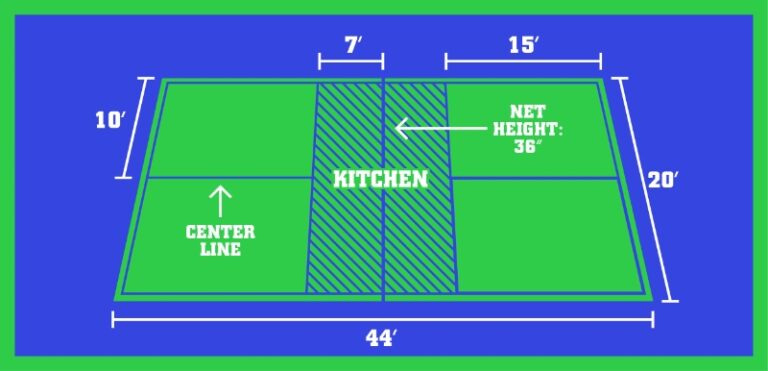
Your serve must land in the opponent’s service court diagonally opposite you. Good strategic places to aim include deep into the back corner, near the center line (the non-volley zone line), or directly at your opponent’s backhand. Varying your serve placement keeps your opponents guessing.
Q5: How can I make my volley serve more powerful?
To increase power, focus on a fluid motion that engages your entire body, not just your arm. Use a slight leg drive, rotate your core, and ensure a full follow-through. A faster paddle speed at contact, combined with a clean strike, will generate more power. Remember, consistency and placement are often more effective than raw power alone.
Conclusion: Master Your Volley Serve in Pickleball
Understanding what is a volley serve in pickleball is your first step towards becoming a more confident and effective player. It’s the standard, traditional way to start a rally, requiring a simple ball drop followed by an underhand stroke before the ball hits the ground.
Like any skill, mastering the volley serve takes practice. Be patient with yourself, focus on the legal requirements, and pay attention to your ball drop and contact point. Don’t be afraid to experiment with different stances or paddle grips to find what feels most natural and effective for you.
With consistent practice and attention to these tips, you’ll soon be sending those serves deep and true, setting yourself up for success in every pickleball game. Now, go hit the courts and serve with confidence!