Pickleball Kitchen Rules Momentum: Master the Game with Precision

Pickleball is a fun and fast-paced sport. The kitchen rules are essential to understand.
They keep the game fair and exciting. Pickleball has gained popularity in recent years. Players of all ages enjoy its mix of tennis, badminton, and ping-pong. But, the kitchen rules can be tricky for beginners. The kitchen, also known as the non-volley zone, is a critical area on the court.
Understanding its rules can boost your play and avoid penalties. Let’s explore why these rules are important and how they impact the game. Knowing them can help you gain momentum and improve your skills. Ready to dive in? Let’s get started!
Introduction To Pickleball Kitchen Rules
Pickleball is a fast-paced, fun sport that combines elements of tennis, badminton, and ping-pong. To play the game well, you need to understand the rules. One of the key areas in pickleball is the “kitchen,” also known as the non-volley zone. Learning the kitchen rules can help you improve your game and avoid penalties.
Importance Of Kitchen Rules
The kitchen rules are essential because they keep the game fair and safe. The non-volley zone is the area close to the net where players cannot hit the ball in the air. This rule prevents aggressive plays that can lead to injuries. Knowing these rules helps players stay within the boundaries and ensures everyone enjoys the game.
Basic Definitions
Understanding some basic terms is crucial for following the kitchen rules:
- Kitchen: The non-volley zone, a 7-foot area on each side of the net.
- Volley: Hitting the ball before it bounces.
- Fault: A violation of the rules, such as stepping into the kitchen during a volley.
Here are some key points to remember:
- Players cannot volley the ball while standing in the kitchen.
- Players can enter the kitchen to hit a ball that has bounced.
- After hitting a ball in the kitchen, players must exit before volleying again.
Following these simple rules can make a big difference in your pickleball game. Pay attention to the kitchen and practice staying behind the line during volleys. This will improve your skills and make you a more effective player.
Credit: www.playpickleball.com
Understanding The Kitchen
Pickleball is a popular game that requires skill and strategy. One of the key areas on the court is the “kitchen.” Knowing the kitchen rules can greatly improve your game. Let’s dive into what the kitchen is, and its boundaries and dimensions.
What Is The Kitchen?
The kitchen, also known as the non-volley zone, is a crucial part of pickleball. It is the area near the net where players cannot volley the ball. This means you cannot hit the ball in the air while standing in the kitchen. It ensures fair play and keeps the game challenging.
Boundaries And Dimensions
The kitchen is a rectangular area on both sides of the net. It is 7 feet deep and extends the full width of the court, which is 20 feet. Understanding these boundaries helps players avoid faults and play strategically.
| Boundary | Dimension |
|---|---|
| Depth | 7 feet |
| Width | 20 feet |
Following kitchen rules ensures a fair and enjoyable game. Remember, you can step into the kitchen, but you cannot volley from there. This keeps the game balanced and fun for everyone.
Fundamental Kitchen Rules
Understanding the Fundamental Kitchen Rules is essential for enjoying pickleball. These rules ensure fair play and keep the game competitive. Let’s dive into the main aspects of these rules, focusing on the Non-Volley Zone and Serving Rules in the Kitchen.
Non-volley Zone
The Non-Volley Zone, also known as the kitchen, is a 7-foot area on both sides of the net. Players are not allowed to volley the ball while standing within this zone. A volley means hitting the ball before it bounces.
This rule prevents players from executing powerful smashes near the net. It promotes strategic play and ensures longer rallies. Here are some key points about the Non-Volley Zone:
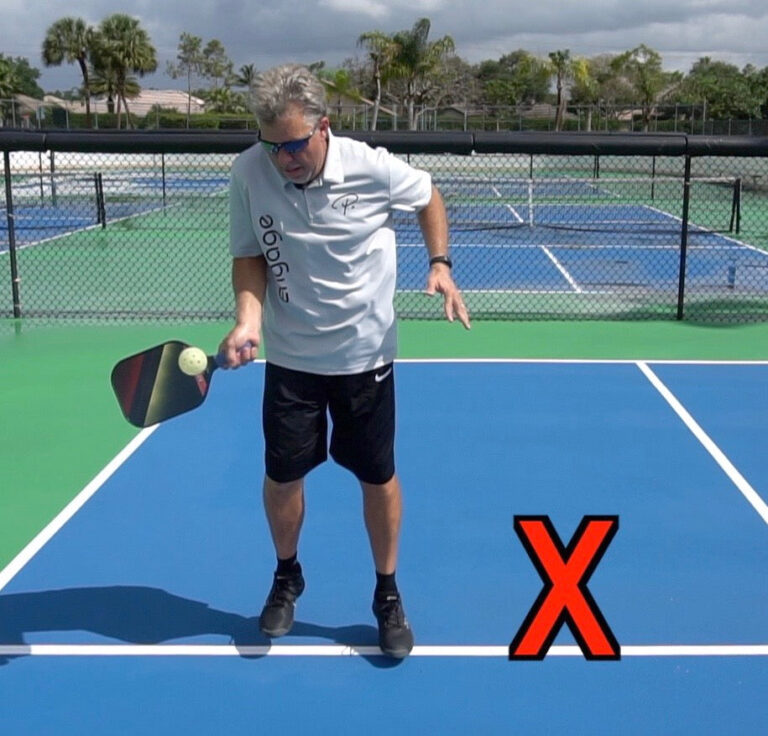
- Do not step into the kitchen while volleying.
- You can enter the kitchen after the ball bounces.
- Both feet must be outside the kitchen when volleying.
Serving Rules In The Kitchen
Serving in pickleball has its own set of rules, especially concerning the kitchen. The server must stand behind the baseline and serve diagonally to the opponent’s service court. The serve must clear the kitchen area.
Here are some important serving rules:
- Stand behind the baseline during the serve.
- Serve diagonally to the opponent’s court.
- The serve must clear the Non-Volley Zone.
- The ball must land within the opponent’s service court.
Following these rules ensures that the game starts fairly and keeps the play competitive.

Credit: www.sportrx.com
Mastering Footwork In The Kitchen
Mastering footwork in the kitchen is key in pickleball. The kitchen, also known as the non-volley zone, is a critical area on the court. Understanding the rules and perfecting your movements can give you a competitive edge. Let’s delve into essential footwork strategies.
Staying Outside The Kitchen
Maintaining your position outside the kitchen is crucial. This zone requires you to stay alert and ready. Your feet should remain behind the kitchen line unless you are hitting a volley. Quick and precise movements can prevent faults. Stay on your toes, ready to pivot and adjust. Efficient footwork helps you maintain balance and control. Practicing these movements can boost your game significantly.
Recovering From The Kitchen
Sometimes, you need to step into the kitchen. After hitting a shot, moving back quickly is essential. This recovery prevents faults and keeps you in the game. Use short, quick steps to regain your position. This helps maintain your readiness for the next move. Consistent practice can make this transition smooth and natural. Focus on your footwork to stay agile and responsive.
Common Mistakes To Avoid
Pickleball is a fun and engaging sport. But, like any sport, players can make mistakes. These mistakes can affect the game. Here are some common mistakes to avoid in the pickleball kitchen.
Foot Faults
Foot faults happen often in pickleball. Players step into the kitchen area when they should not. This can lead to lost points. To avoid foot faults:
- Know the boundaries of the kitchen.
- Keep your feet behind the kitchen line when volleying.
- Practice staying out of the kitchen during play.
Staying aware of your foot placement is key.
Illegal Shots
Illegal shots can ruin a good rally. They happen when players do not follow the rules. Common illegal shots include:
- Hitting the ball out of bounds.
- Double hits where the ball is hit twice.
- Faulty serves that do not clear the net.
To avoid illegal shots, keep the following tips in mind:
- Always aim for the ball to land in bounds.
- Ensure a clean hit each time you play.
- Practice your serves to avoid faults.
Understanding and following these rules can help you play better.
Strategies For Kitchen Play
The kitchen or non-volley zone in pickleball is a critical area. Effective strategies in the kitchen can be the difference between winning and losing. Here, we explore some key offensive and defensive strategies for dominating kitchen play. These tactics will help you stay ahead of your opponents and improve your game.
Offensive Strategies
Being offensive in the kitchen involves taking control and dictating the pace. Here are some ways to maintain the upper hand:
- Dinking: Use soft shots that land in the opponent’s kitchen. This forces them to hit upwards, giving you an advantage.
- Third Shot Drop: After the serve and return, use a soft drop shot to land in their kitchen. This allows you to advance to the net.
- Volley Shots: Aim for quick, aggressive volleys to keep your opponents on their toes.
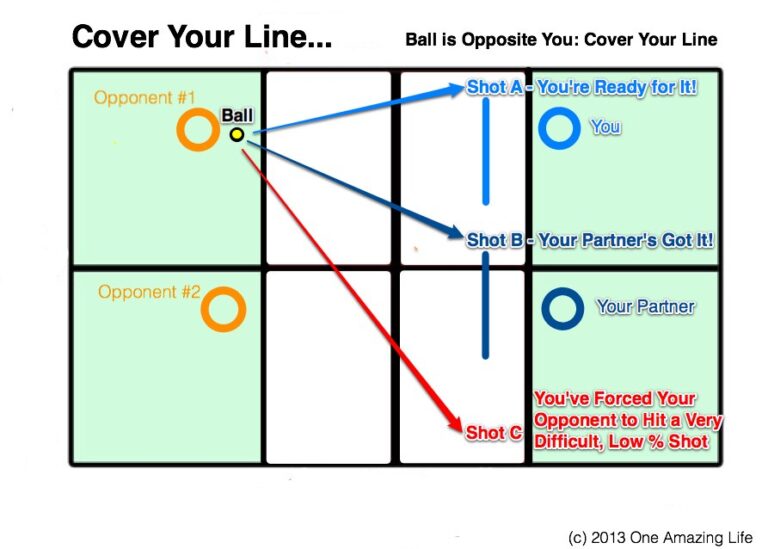
- Angle Shots: Hit the ball at sharp angles to make it difficult for opponents to reach.
Remember, the key is to stay calm and focused. Use these strategies to keep the pressure on your opponents.
Defensive Techniques
Defending in the kitchen requires patience and precision. Here are some techniques to keep you in control:
- Blocking: Use your paddle to block powerful shots, reducing their speed and making them easier to return.
- Soft Hands: Lightly touch the ball to absorb the impact, keeping it low over the net.
- Footwork: Maintain a wide stance and quick feet to move easily and respond to shots.
- Anticipation: Watch your opponent’s paddle and body language to predict their shots.
Good defense in the kitchen can frustrate opponents. Stay alert and ready to counter their moves.
Training Drills For Kitchen Precision
Improving your pickleball kitchen skills can greatly enhance your game. The kitchen, or non-volley zone, is crucial for successful gameplay. To dominate this area, precision is key. Here are some effective drills to help you improve your footwork and shot placement in the kitchen.
Footwork Drills
Good footwork is essential for maintaining balance and positioning. Here are some drills to enhance your footwork:
- Side-to-Side Shuffle: Stand at the kitchen line. Shuffle side to side, ensuring you don’t step into the kitchen.
- Forward and Backward Steps: Practice stepping forward to the kitchen line and then stepping back. Repeat for 10 sets.
- Quick Feet: Stand in place and move your feet quickly for 30 seconds. Rest and repeat.
Shot Placement Drills
Accurate shot placement can make or break a game. Here are drills to improve your shot placement:
- Target Practice: Place targets in different areas of the kitchen. Practice hitting these targets with your shots.
- Cross-Court Shots: Stand at one side of the kitchen. Practice hitting cross-court shots to the opposite side.
- Drop Shots: Practice hitting drop shots that land just over the net into the kitchen.
By consistently practicing these drills, you can improve your precision in the kitchen. This will give you an edge over your opponents. Remember, practice makes perfect.
Tips From Professional Players
Pickleball has its own unique set of rules and strategies. Learning from professional players can give you an edge. These experts have spent years honing their skills and understanding the game deeply. They offer valuable tips to help you navigate the pickleball kitchen rules more effectively. Let’s delve into their insights and real-life examples.
Insights From Experts
Professional players emphasize the importance of positioning. Staying close to the kitchen line can give you better control. It also allows for quicker reaction times. They suggest practicing your footwork regularly. This will help you move swiftly and maintain balance.
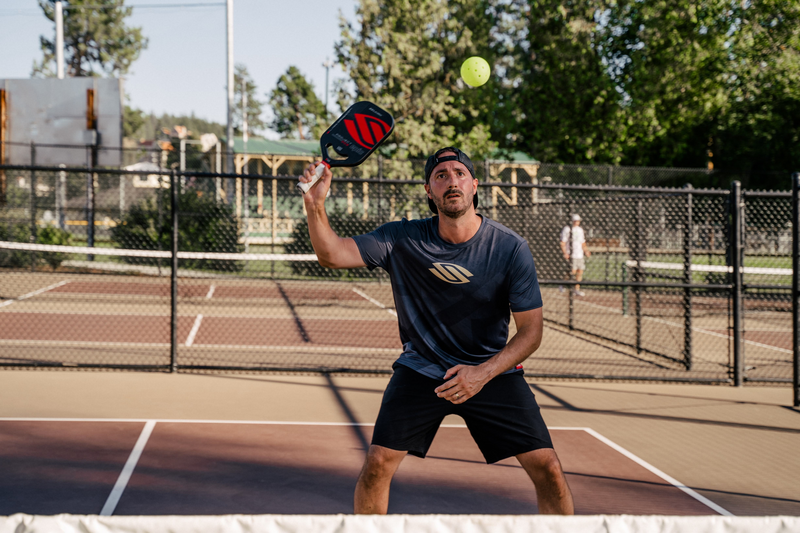
Another key tip is to keep your paddle up. This ready position can make a significant difference. It prepares you for unexpected shots and helps you stay focused. Professionals also stress the importance of communication. Clear signals and verbal cues can prevent confusion during the game.
Real-life Examples
Take the example of Sarah Ansboury, a top pickleball player. She often shares how she practices dinking daily. Dinking is a soft shot that lands in the kitchen area. This practice enhances her control and precision.
Another example is Tyson McGuffin. He focuses on the split-step technique. This involves a small hop to prepare for the next move. It helps in maintaining balance and readiness. Both players attribute their success to consistent practice and strategic thinking.

Credit: www.youtube.com
Frequently Asked Questions
What Are The Basic Pickleball Kitchen Rules?
The kitchen, or non-volley zone, prohibits volleys. Players can’t hit the ball in the air while in the kitchen.
Why Is The Kitchen Important In Pickleball?
The kitchen prevents players from smashing the ball at the net. It ensures fair play and adds strategy to the game.
Can You Step Into The Kitchen After Hitting?
Yes, you can step into the kitchen after the ball bounces. However, you must exit quickly to avoid faults.
When Is It Legal To Enter The Kitchen?
You can legally enter the kitchen when the ball bounces inside it. Volleys inside the kitchen are not allowed.
Conclusion
Pickleball kitchen rules help maintain fair play and safety. Understanding them boosts your game. Practice these rules to enhance your skills. Stay respectful and enjoy the sport. Whether new or experienced, following the kitchen rules is key. Keep playing, learning, and having fun.
Pickleball is more enjoyable with good sportsmanship. Happy playing!