Do It Yourself Pickleball Court: Step-by-Step Guide

Dreaming of your own pickleball court? It’s easier than you think.
Building a DIY pickleball court can be a fun project. Pickleball is growing in popularity. Many people want to play at home without the hassle of going to a public court. Crafting your own court means you can play anytime.
Plus, it’s a great way to get friends and family involved in a fun, active sport. Whether you have a large backyard or a smaller space, you can create a pickleball court that suits your needs. This guide will help you understand the basics and give you tips to get started. Ready to dive in? Let’s explore how to make your dream pickleball court a reality.

Credit: honeybuilthome.com
Introduction To Diy Pickleball Court
Creating your own pickleball court can be a fun and rewarding project. With a bit of space and some basic materials, you can enjoy this popular sport right in your backyard. In this guide, we will cover the essentials for building a DIY pickleball court.
What Is Pickleball?
Pickleball is a sport that combines elements of tennis, badminton, and ping-pong. It is played with a paddle and a plastic ball with holes. The game is enjoyed by people of all ages and skill levels. The court size is smaller than a tennis court, making it a perfect fit for residential areas.
Benefits Of A Diy Court
Building your own pickleball court has many benefits.
- Cost-Effective: Constructing a DIY court is cheaper than renting court time or joining a club.
- Convenience: Having a court at home means you can play anytime you want.
- Exercise: Pickleball is a great way to stay active and healthy.
- Social: Invite friends and family for games. It’s a great way to socialize.
- Customization: Design the court to fit your space and style.
Here’s a quick table summarizing the materials you may need:
| Material | Purpose |
|---|---|
| Concrete or Asphalt | Base surface for the court |
| Net and Posts | For the middle of the court |
| Paint | Mark the lines on the court |
| Paddles and Balls | Essential equipment for playing |
With these materials, you can start building your own pickleball court. This project can be done over a weekend, giving you a new place to play and enjoy this popular sport.
Choosing The Right Location
Creating your own pickleball court is exciting. The first step is selecting the right location. The right spot ensures your court is safe and enjoyable. Consider space, surface, and surroundings carefully.
Space Requirements
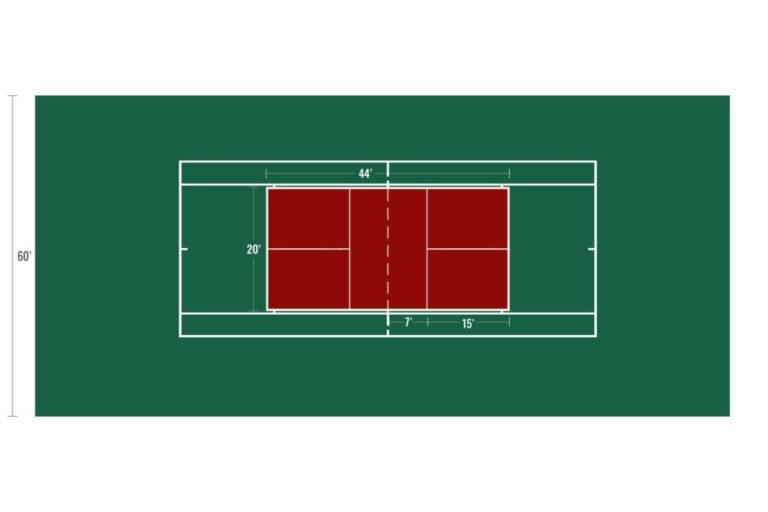
Pickleball courts require enough space to play comfortably. The standard court size is 20 feet by 44 feet. You also need extra room around the court. This space lets players move freely and safely.
- Court Size: 20 x 44 feet
- Extra Space: 10 feet on each side and 5 feet behind each baseline
Ensure the total area is level. Slopes or uneven surfaces can cause accidents. Measure your space carefully.
Surface Considerations
The surface of your court matters. Asphalt and concrete are popular choices. They are durable and provide a smooth playing surface. Another option is a sport tile surface. These tiles are designed for outdoor courts.
Consider the following when choosing a surface:
| Surface Type | Pros | Cons |
|---|---|---|
| Asphalt | Durable, smooth | Can crack over time |
| Concrete | Long-lasting, low maintenance | Hard on the joints |
| Sport Tiles | Easy to install, cushioned | Expensive |
Pick a surface that fits your budget and needs. Proper surface selection enhances play and safety.
Gathering Materials And Tools
Creating your own pickleball court can be a rewarding project. To ensure success, gather the right materials and tools. This will lay a solid foundation for your DIY pickleball court. Let’s break down what you need.
Essential Materials
First, you need a flat surface. Asphalt or concrete works best. These provide the stability required for a smooth game. Next, you need paint. Use outdoor paint for marking the court lines. Ensure it’s suitable for the surface material. Add a net system to your list. A sturdy, adjustable net is ideal. It should meet standard pickleball dimensions. Don’t forget the paddles and balls. High-quality paddles and balls will enhance your game experience.
Necessary Tools
For this project, you’ll need various tools. Start with a measuring tape. Accurate measurements are crucial. You will also need a chalk line. This helps you mark straight lines on the surface. A roller or brush is essential for painting. Choose one that suits the type of paint. A level is also important. It ensures your surface is even. Use a drill if you need to install a permanent net system. Don’t forget safety gear. Gloves and goggles protect you during the project.
Preparing The Court Surface
Creating a DIY pickleball court can be a fun project. The first step in this process is preparing the court surface. This step ensures a smooth playing area. This involves clearing and leveling the ground and choosing the right surface coating.
Clearing And Leveling
Start by removing any debris from the area. This includes rocks, sticks, and other objects. A clear surface is key. Next, level the ground. Use a shovel and a rake to even out the soil. A flat surface prevents tripping and ensures fair play. Check the level with a carpenter’s level. Adjust until the area is flat. This step is crucial for a good game experience.
Surface Coating Options
After clearing and leveling, choose a surface coating. Asphalt is a common choice. It provides a hard, durable surface. Another option is concrete. It is long-lasting and easy to maintain. For a budget-friendly option, consider compacted gravel. It is easy to install and provides good traction. Each option has its benefits. Choose the one that fits your needs and budget. A good surface ensures a great game every time.
Marking The Court Lines
Creating your own pickleball court can be a fun project. One of the most important steps is marking the court lines. This ensures your court meets official standards and provides a better playing experience. Let’s dive into the details.
Court Dimensions
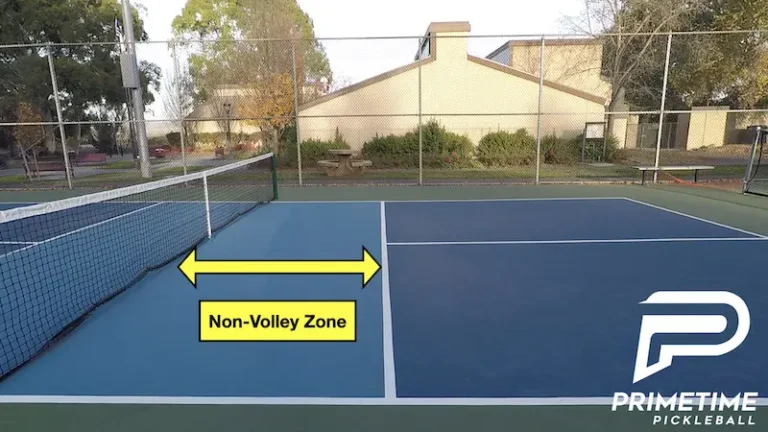
First, you need to know the exact dimensions of a pickleball court. The standard court size is 20 feet wide and 44 feet long. This includes both the playing area and the non-volley zone (also known as the “kitchen”).
| Area | Dimensions |
|---|---|
| Playing Area | 20 feet x 44 feet |
| Non-Volley Zone | 7 feet from the net on both sides |
| Service Areas | 10 feet wide x 15 feet long |
Line Marking Techniques
Once you know the dimensions, you can start marking the lines. Here are some common techniques:
- Chalk: Use chalk for temporary lines. It’s easy to apply and remove.
- Painter’s Tape: Ideal for more permanent lines. It’s weather-resistant and durable.
- Acrylic Paint: For a long-lasting solution. Use stencils for precise lines.
Follow these steps for marking the court lines:
- Measure and mark the court dimensions with a tape measure.
- Use a chalk line or string to create straight lines.
- Apply your chosen marking material (chalk, tape, or paint).
- Double-check the measurements to ensure accuracy.
Marking the lines correctly enhances the game experience. It also ensures fair play.
Credit: www.familyhandyman.com
Installing The Net System
Installing the net system is a crucial step in setting up your DIY pickleball court. A properly installed net ensures fair play and can enhance your pickleball experience. This section will guide you through the process of setting up the net system.
Net Height And Position
The official net height for pickleball is 36 inches at the sidelines and 34 inches at the center. Ensure the net is at the correct height to maintain the integrity of the game. Measure the height from the ground to the top of the net.
Position the net posts 22 feet apart. This distance ensures the net spans the width of the court. Center the net posts on the sidelines, aligning them with the court’s centerline.
Securing The Net
Once the net is in place, securing it properly is essential. Attach the net to the posts using durable straps or ropes. Ensure the net is taut but not overly tight.
Anchor the bottom of the net to the ground. This prevents it from lifting during play. Use ground stakes or weights to keep the net secure.
Regularly check the tension of the net. Adjust as needed to maintain the correct height and position. This ensures consistent play and avoids any disruptions during your game.
Adding Court Accessories
Once you have built your DIY pickleball court, it’s time to add accessories. These accessories will enhance your playing experience. Two important accessories are boundary fencing and lighting. These ensure safety and extend playtime.
Boundary Fencing
Boundary fencing is essential for a pickleball court. It keeps the ball within the play area. It also provides a barrier for players. Here are some popular fencing options:
- Chain-Link Fence: Durable and cost-effective. Easy to install.
- Mesh Netting: Lightweight and flexible. Can be removed easily.
- Wooden Fence: Provides privacy. Adds a natural look to the court.
Consider the height of the fence. A height of 10 feet is ideal. It prevents the ball from going out of bounds.
Lighting Options
Proper lighting allows you to play after dark. It extends your playtime and improves visibility. Here are some popular lighting options:
| Type | Features |
|---|---|
| LED Lights | Energy-efficient and long-lasting. Provides bright light. |
| Solar Lights | Eco-friendly and cost-effective. Needs sunlight to charge. |
| Floodlights | High-intensity and wide coverage. Requires proper installation. |
Ensure the lights are placed high. This avoids shadows and provides even lighting. Position them around the court for complete coverage.
Maintenance Tips
Maintaining your DIY pickleball court ensures it remains in top condition for play. Following these maintenance tips will help prolong the court’s life and enhance your playing experience. Read on to discover essential tips for keeping your court clean and damage-free.
Regular Cleaning
Keeping your pickleball court clean is crucial. Debris, dirt, and leaves can accumulate and affect play. Use a broom or a leaf blower to remove loose debris. For a more thorough clean, you can use a pressure washer. Ensure the surface is dry before playing to avoid slips.
Here’s a quick cleaning checklist:
- Sweep the court weekly
- Use a leaf blower to remove leaves and twigs
- Pressure wash monthly for deep cleaning
Regular cleaning not only keeps the court looking good but also prevents potential damage.
Repairing Damages
Inspecting your court regularly helps catch damages early. Cracks and other damages can worsen over time. It’s best to repair them as soon as possible.
Here are steps to repair common damages:
- Identify and mark damaged areas
- Clean the area thoroughly
- Use a sealant to fill in cracks
- Allow the sealant to dry completely
- Repaint the affected area if needed
Pay special attention to cracks and surface damage. Regular inspections help maintain a safe playing environment.
| Maintenance Task | Frequency |
|---|---|
| Sweeping | Weekly |
| Leaf blowing | Weekly |
| Pressure washing | Monthly |
| Inspecting for damages | Monthly |
| Repairing cracks | As needed |
By following these tips, you ensure a smooth, safe, and enjoyable playing experience on your DIY pickleball court.
Enjoying Your Diy Pickleball Court
Building a DIY pickleball court is an exciting project. Once completed, it offers countless hours of fun. Whether hosting games or practicing your skills, the court will become a favorite spot. Let’s explore how to make the most of your new court.
Hosting Games
Hosting games on your DIY pickleball court is a great way to socialize. Invite friends and family for a friendly match. Create a schedule to ensure everyone gets a chance to play. You can even set up a small tournament. This adds a bit of competition and excitement.
Provide comfortable seating for spectators. A few chairs or benches will do. Keep refreshments handy. A cooler with drinks and snacks will keep everyone happy and hydrated. Also, have some extra paddles and balls available. This way, nobody misses out on the fun.
Improving Your Skills
Your DIY pickleball court is perfect for practice. Spend time working on your serves. Practice different shots and strategies. Regular practice will help you become a better player.
Consider setting up a practice schedule. Dedicate certain days and times for skill improvement. You can also use training aids. For example, a ball machine can help with accuracy. Use cones to practice footwork. These tools will enhance your skills.
Playing solo is helpful. But, playing with others is crucial. It helps you learn new techniques and strategies. So, invite a friend or join a local pickleball group. The more you play, the better you become.
Credit: honeybuilthome.com
Frequently Asked Questions
What Materials Are Needed For A Diy Pickleball Court?
To build a DIY pickleball court, you’ll need concrete or asphalt, paint, nets, paddles, and balls. Additionally, you’ll require tape, measuring tools, and boundary markers.
How Much Space Is Required For A Pickleball Court?
A standard pickleball court is 20 feet wide and 44 feet long. Ensure you have additional space around the court for safety.
How Do You Paint Pickleball Court Lines?
To paint pickleball court lines, measure accurately and use painter’s tape to outline. Apply court line paint with a roller for precise, durable markings.
Can You Build A Pickleball Court On Grass?
Building a pickleball court on grass is possible but not ideal. Grass courts can be uneven and slippery, affecting gameplay quality.
Conclusion
Building your own pickleball court is rewarding. It brings friends and family together. Enjoy the game anytime. Save money on membership fees. Personalize your court to fit your needs. Get outdoors and stay active. It’s a fun project for weekends.
Start today and see the benefits. Pickleball is growing in popularity. Join the trend. Create lasting memories with a DIY pickleball court. Happy playing!